Daybreak at Shrine, Kanda — History & Analysis
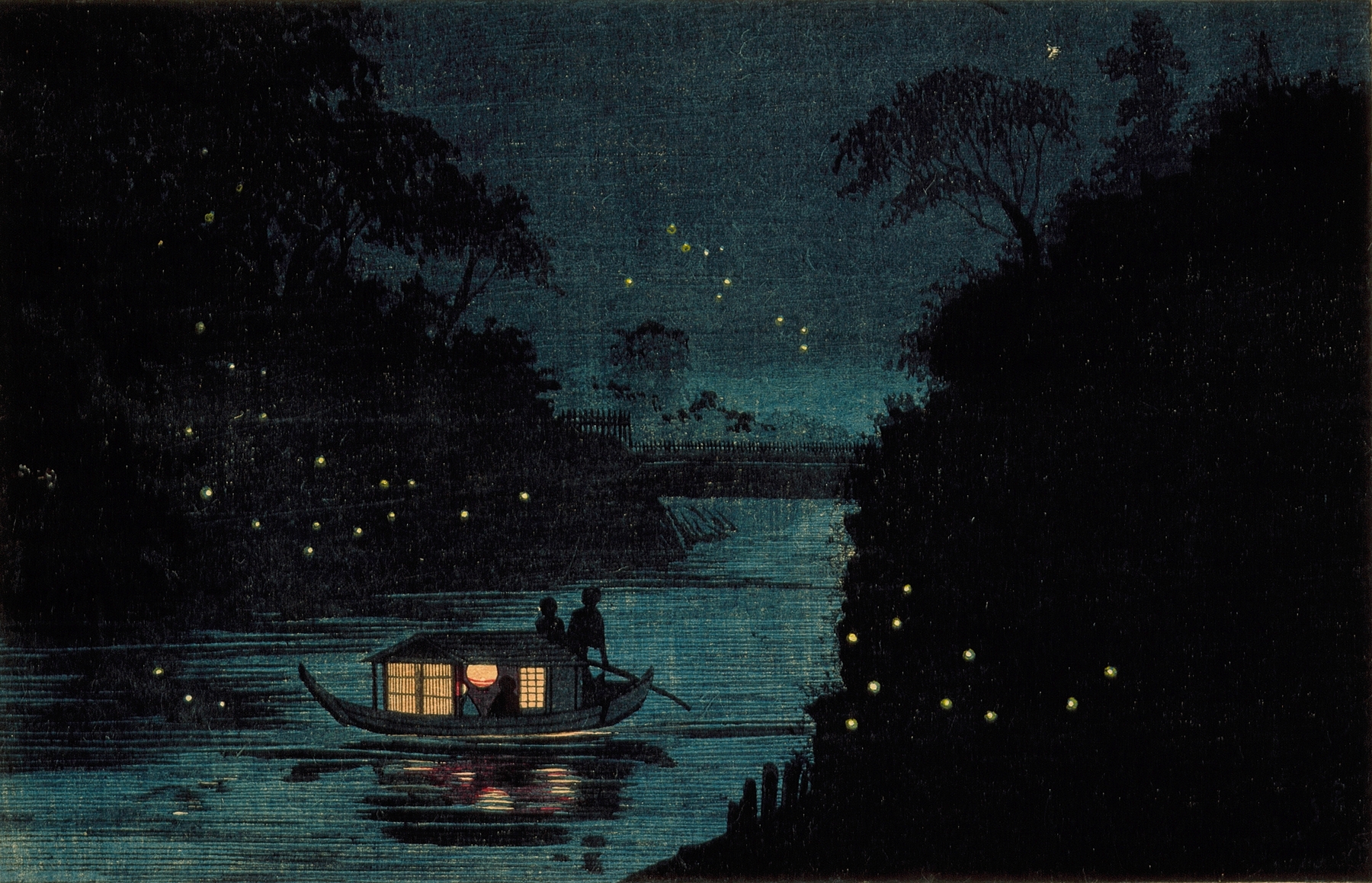
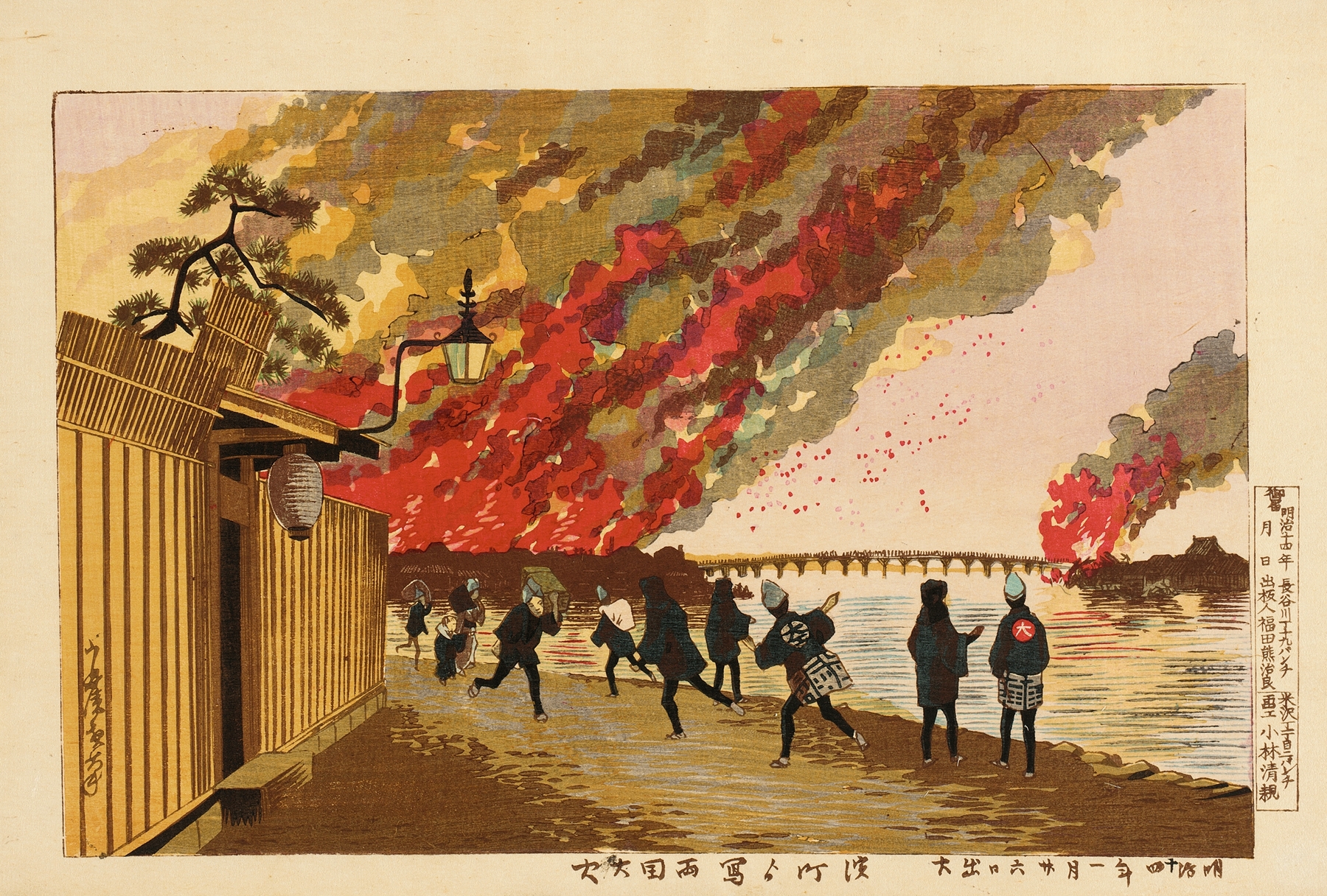
Did the painter know this moment would outlive them? The delicate dawn light, a gentle harbinger of a new day, whispers the promise of serenity in Daybreak at Shrine, Kanda. Look to the left at the rising sun, its soft hues of pink and gold illuminating the silhouettes of the trees and shrine. The tranquil waters mirror this celestial transition, creating a harmonious balance between the earth and sky.
Notice how the brushstrokes blend seamlessly, weaving together the colors to evoke a sense of calm that envelops the entire scene. The composition draws your eye toward the central shrine, a beacon of peace amidst the awakening world, framed perfectly by nature’s embrace. Hidden within this seemingly simple setting lies a deeper commentary on the passage of time and the continuity of tradition. The juxtaposition of the vibrant sunrise against the stillness of the shrine suggests a moment of quiet reflection, where the sacred and the everyday intertwine.
The untouched nature surrounding the shrine speaks of an enduring connection to heritage, while the soft palette invites contemplation on the fleeting nature of life—a theme that resonates throughout the ages. Kobayashi Kiyochika created Daybreak at Shrine, Kanda in 1880, during a period of significant change in Japan. The Meiji Restoration was transforming the nation, blending old customs with new influences. In this time of transition, the artist sought to capture the essence of Japan’s natural beauty and spiritual roots, ensuring that such moments would be preserved and cherished in the hearts of viewers long after his own time.