Ship Building — History & Analysis
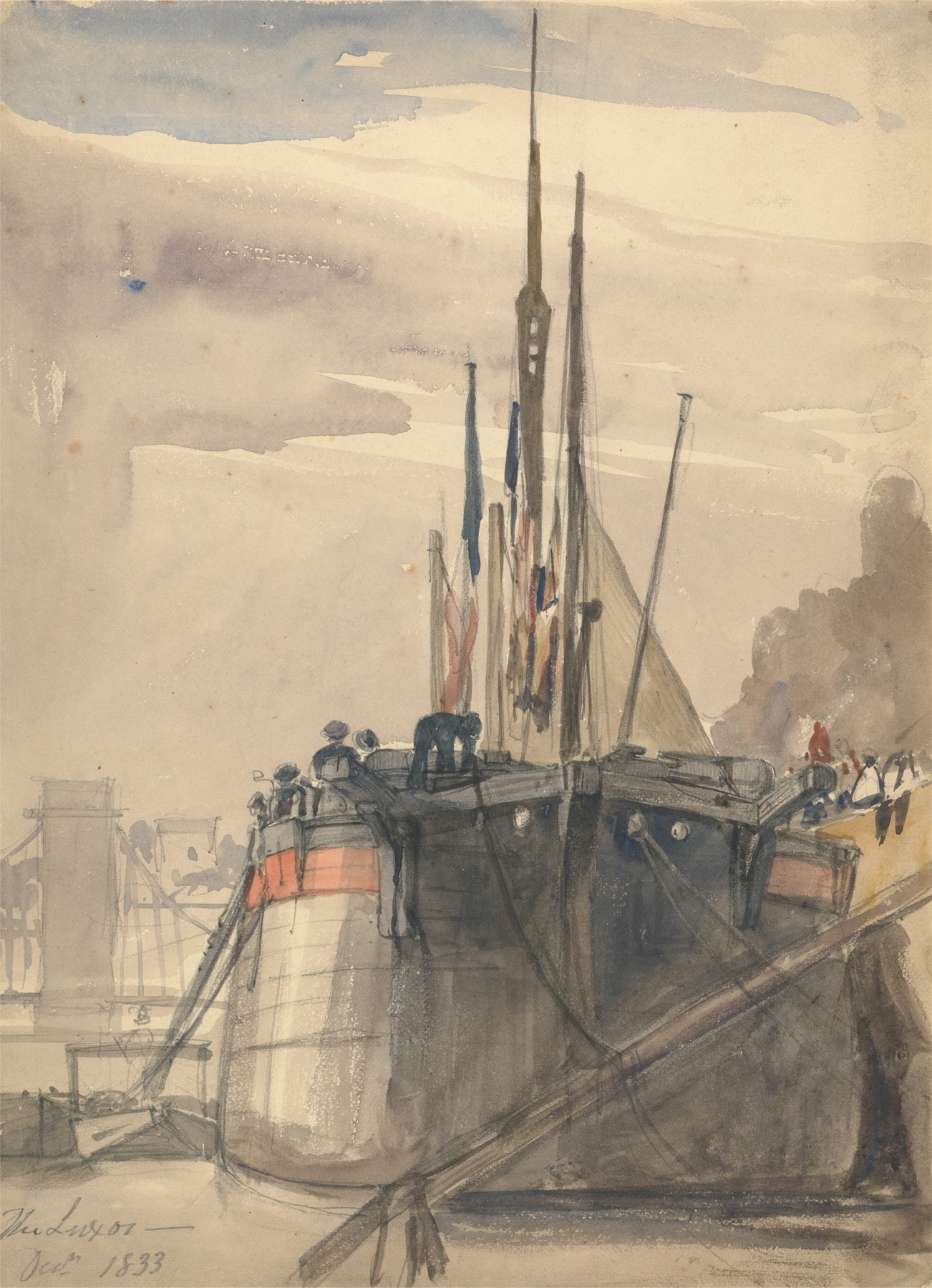
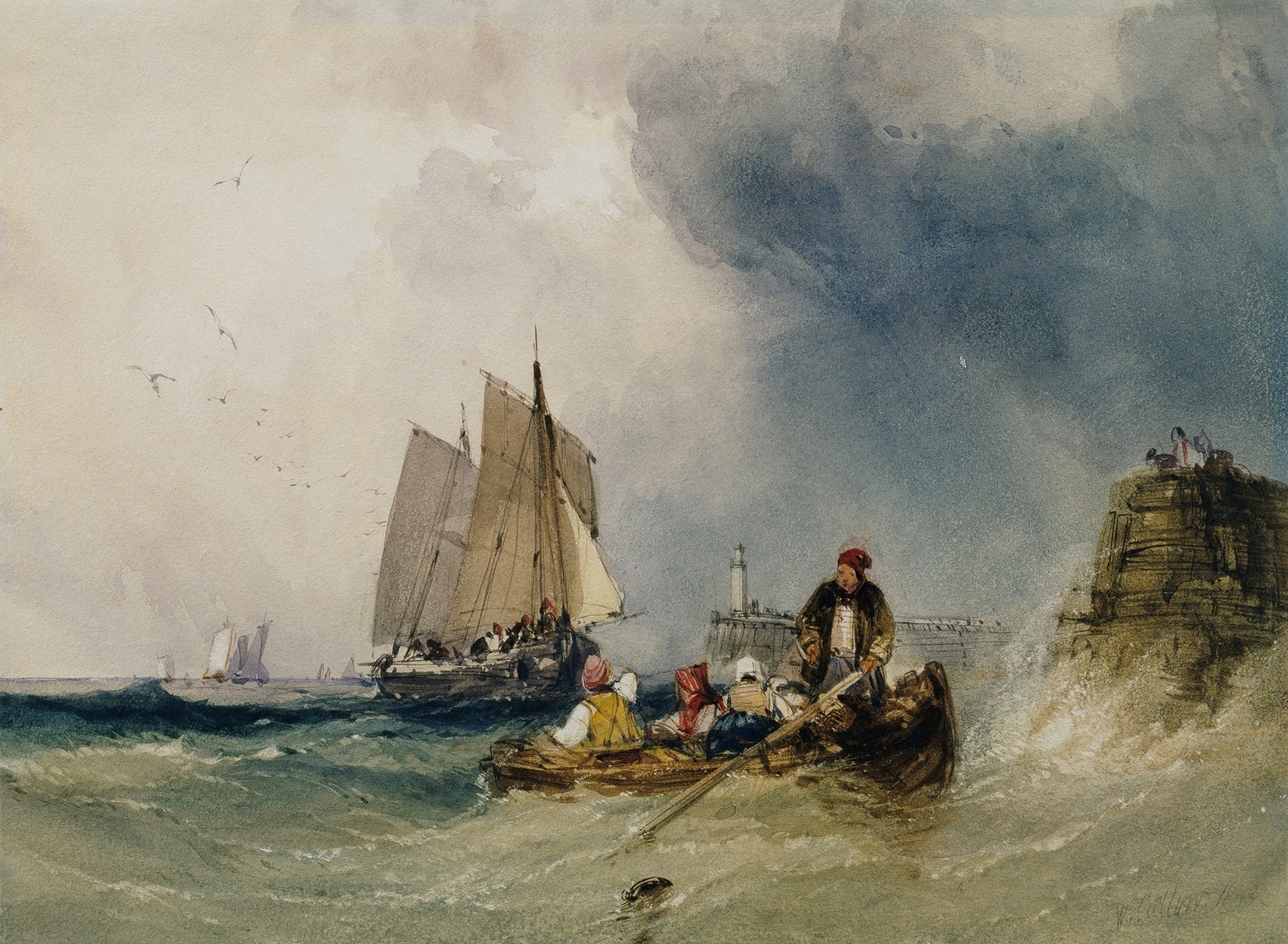
Who listens when art speaks of silence? In Ship Building, the viewer is invited into a world where craftsmanship and tranquility intertwine, crafting a moment frozen in time that evokes an almost ecstatic stillness. Look to the center of the canvas where the ship takes shape, its wooden frame rising like a skeletal promise against the soft wash of muted blues and earthy browns. Notice how the gentle light spills delicately across the hull, revealing the ornate details of the craftsmanship. The figures, seemingly absorbed in their labor, create a rhythmic balance with the structure, and their gestures are both purposeful and serene.
Shadows play along the ground, hinting at the passage of time and the labor that has gone into this creation. As you delve deeper, consider the contrast between the lively activity of the shipbuilders and the serenity of the environment surrounding them. The calm waters reflect the labor of love, suggesting that creation is often born from silence and stillness. Each figure, though engaged, seems to embody a moment of introspection, revealing a shared understanding of the ecstasy found in their work.
The tension between industry and tranquility forms a dialogue that beckons the viewer to consider the harmony in craftsmanship. In 1841, Callow painted this work during a significant period of maritime expansion in Britain, where shipbuilding was not just an industry but a source of national pride. Living in London, he became increasingly immersed in the exploration of light and atmosphere, capturing the essence of landscapes and scenes in a way that resonated with the Romantic ideals of the time. His ability to convey both the physical and emotional weight of labor was a defining characteristic of his contributions to art during this era.