Small village church (Breuilpont) — History & Analysis
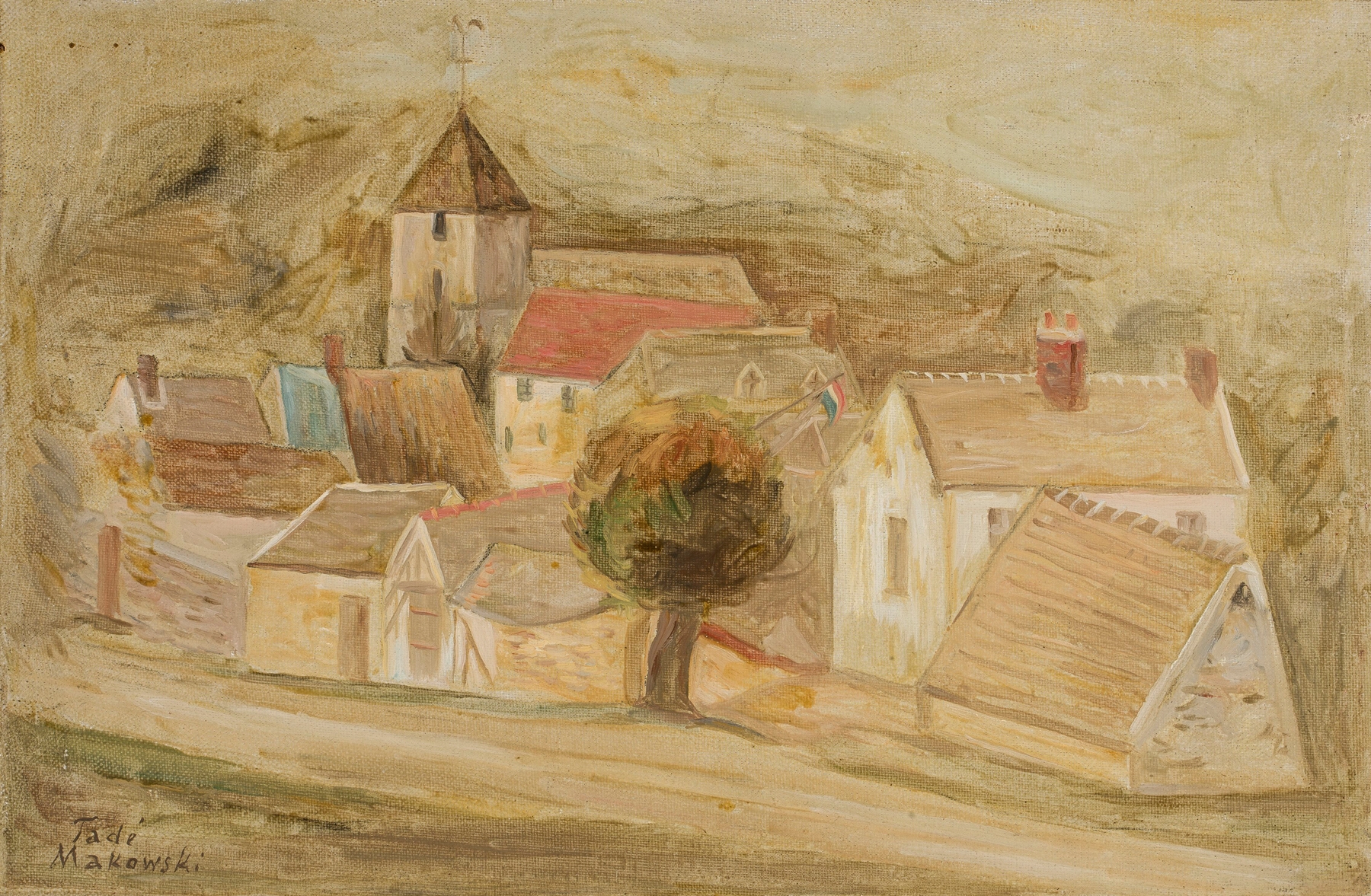
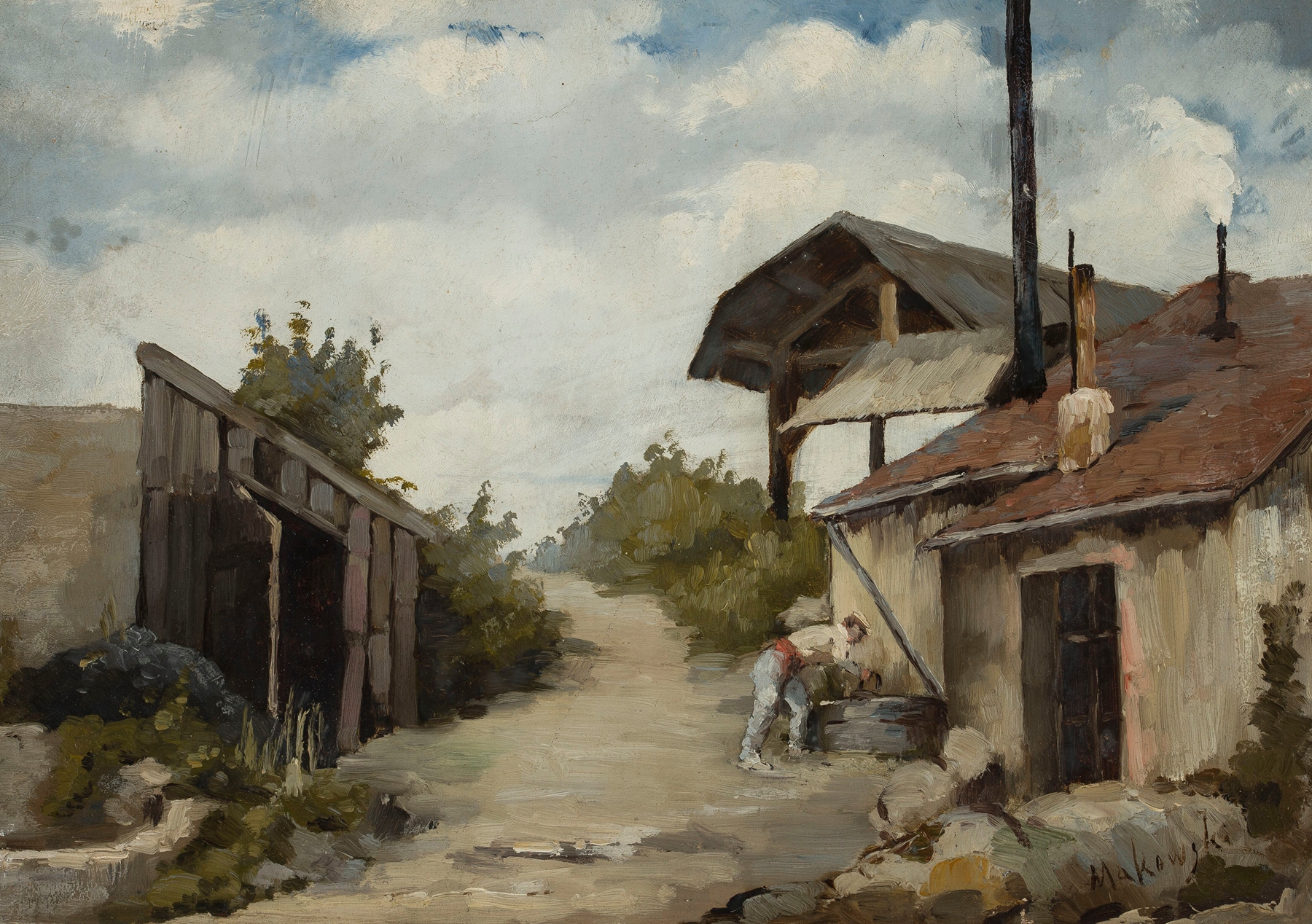
“To paint is to remember what time wants us to forget.” This profound reflection encapsulates the essence of decay captured on canvas, where beauty and transience intertwine. Look to the center of the composition, where the small village church stands stoically against the ravages of time. Observe the muted hues of ochre and gray that envelop the structure; they suggest a deep sense of nostalgia. The artist’s deft brushwork creates texture, emphasizing the crumbling walls and fading roof, while dappled light filters through thick foliage, delineating the church's silhouette.
This interplay of light and shadow evokes both warmth and melancholy, inviting the viewer to linger in the bittersweet presence of forgotten memories. Delve deeper into the painting, and you’ll uncover contrasts that stir the soul. The crumbling facade of the church mirrors the fragility of faith and community, highlighting a once-thriving place now surrendered to quiet desolation. Yet, amidst this decay, vibrant bursts of wildflowers at the church’s base symbolize resilience and hope, signifying that life persists even in the face of abandonment.
This duality evokes a profound sense of longing for what has been lost, while also acknowledging the beauty that endures. In 1926, Tadeusz Makowski painted this scene during a time of great change in Europe, a period marked by both upheaval and a quest for identity in the aftermath of World War I. Living in Paris yet influenced by his Polish roots, he sought to intertwine elements of folk culture with modernist techniques. This work reflects his engagement with the passage of time and art's role in preserving memory, embodying the transitional spirit of an era filled with uncertainty and reflection.