Snow — History & Analysis
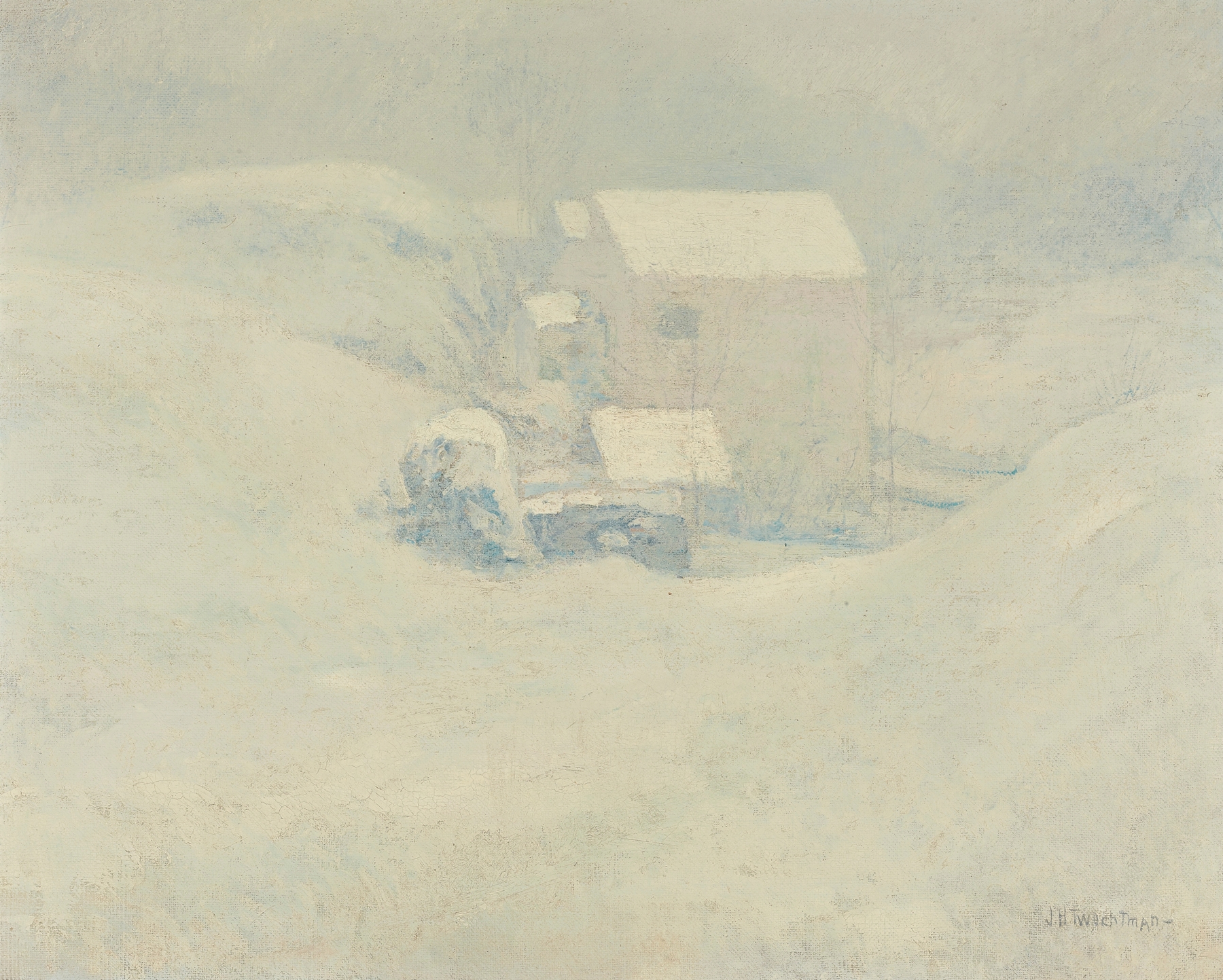
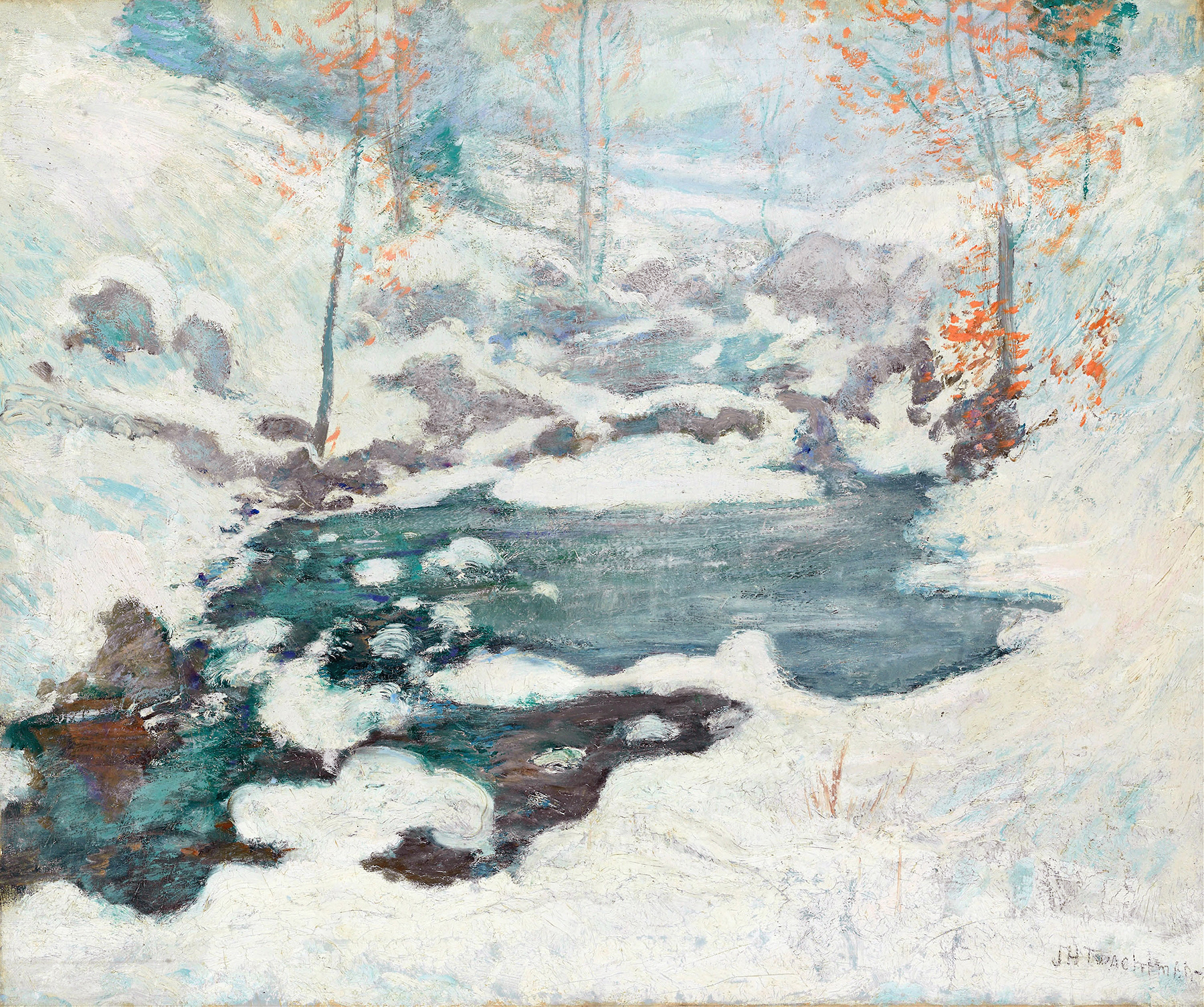
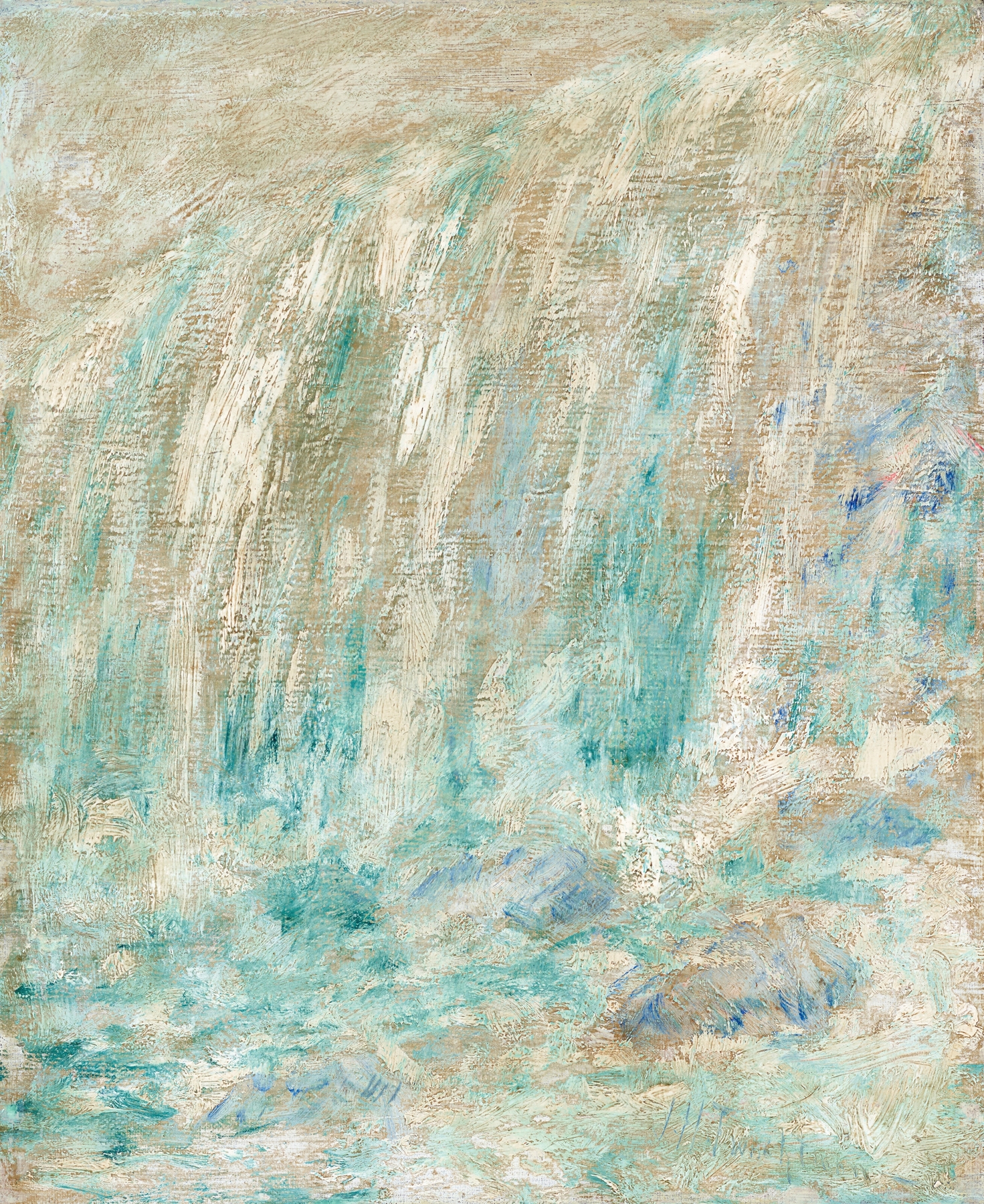
Is this a mirror — or a memory? The stillness of the landscape seems to whisper secrets of transformation, where the simple purity of snow encapsulates profound change. Focus on the swirling white expanse that dominates the canvas, drawing your gaze to the delicate interplay of light and shadow. The soft hues of gray and blue blend seamlessly, creating a tranquil yet dynamic atmosphere.
Notice how the brushwork evokes a gentle movement, suggesting the silent fall of snowflakes, while the muted palette invites contemplation, urging the viewer to lose themselves in the scene. Within this serene facade lies a tension between permanence and ephemerality. The untouched snow symbolizes both the beauty of nature and the inevitable changes it undergoes, reflecting the artist's contemplation of life's fleeting moments. The subtle variations in texture weave a narrative of stillness and chaos, where every stroke encapsulates the quiet revolution of the seasons, hinting at cycles of renewal amidst the starkness of winter.
John Henry Twachtman painted Snow during a period of personal and artistic evolution, between 1889 and 1902, while living in the United States. This was a time when Impressionism was gaining ground, allowing him to explore new techniques and expressions of light. As he grappled with his own artistic voice, the natural world became a canvas for introspection, mirroring the transformations happening both in his life and the broader art landscape.