St. Goarhausen on the Rhine between Koblenz and Mainz — History & Analysis
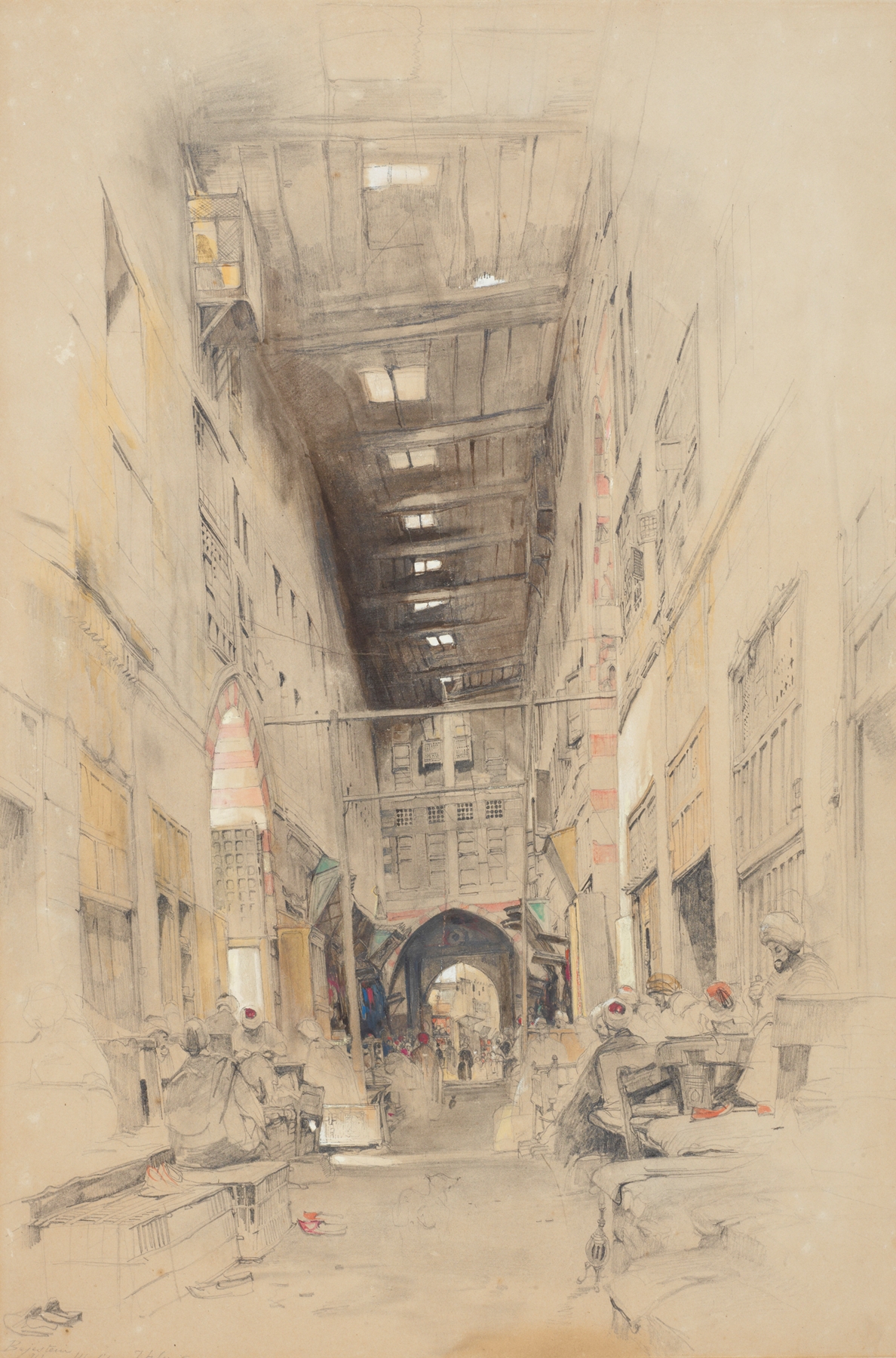
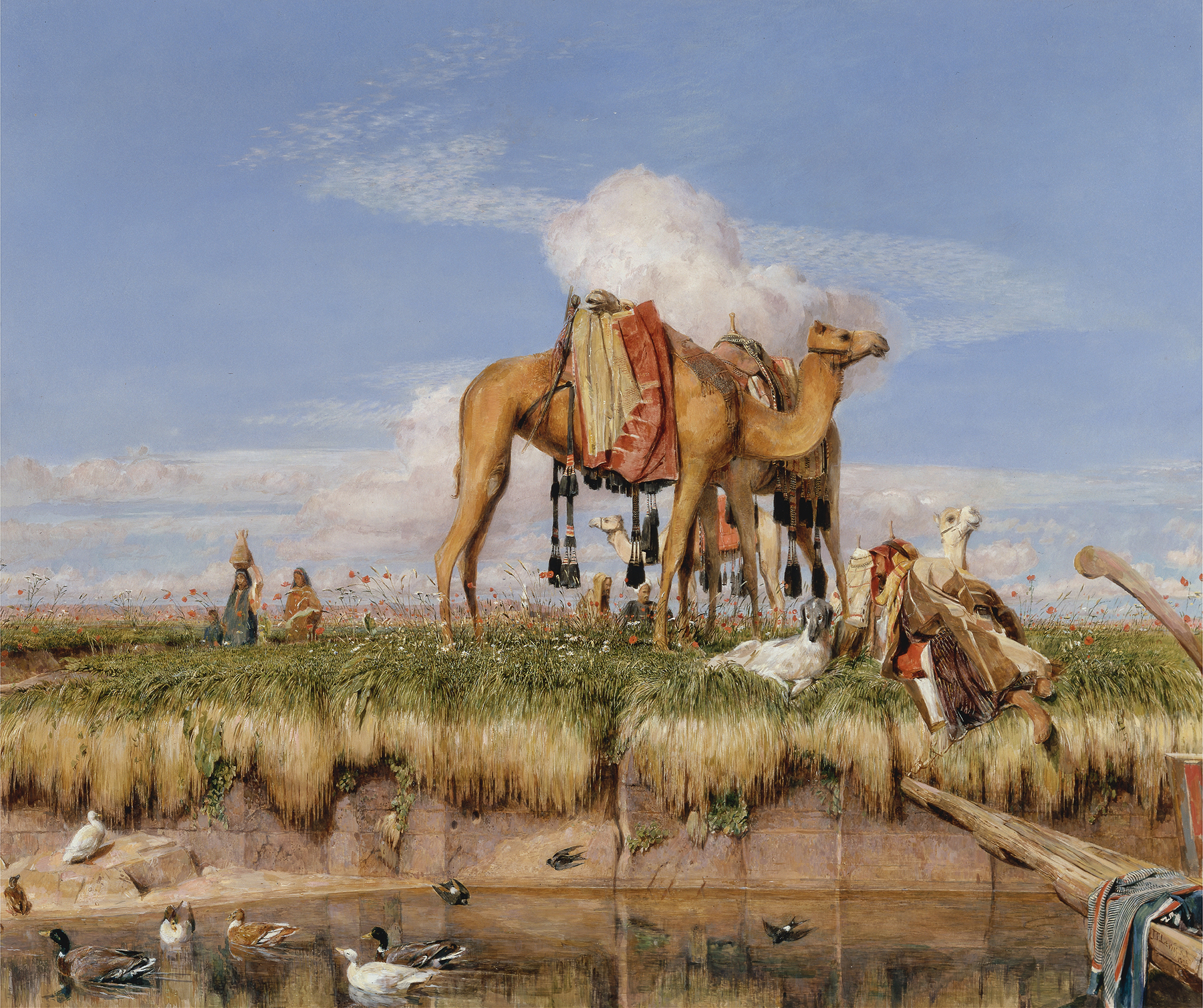
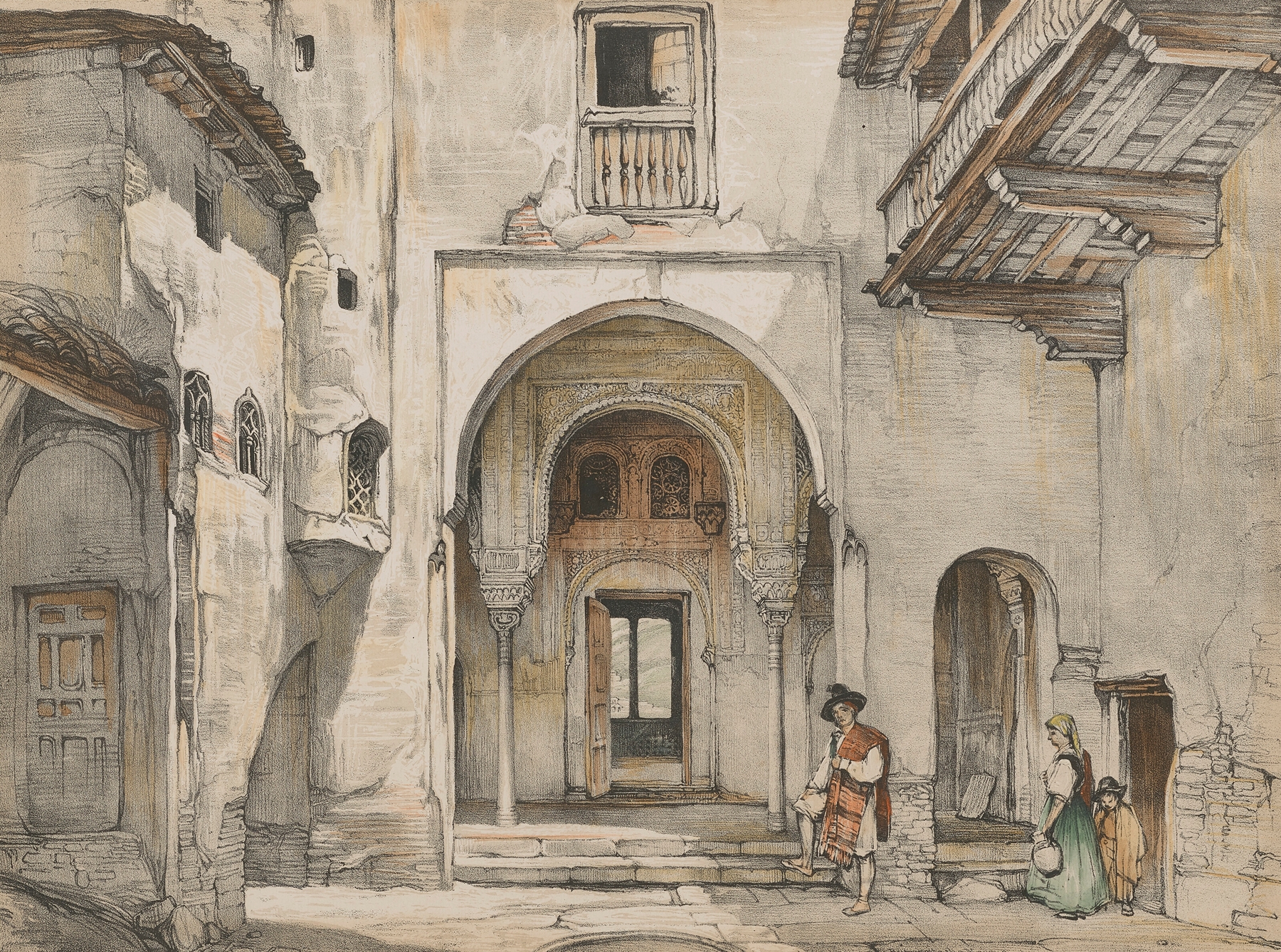
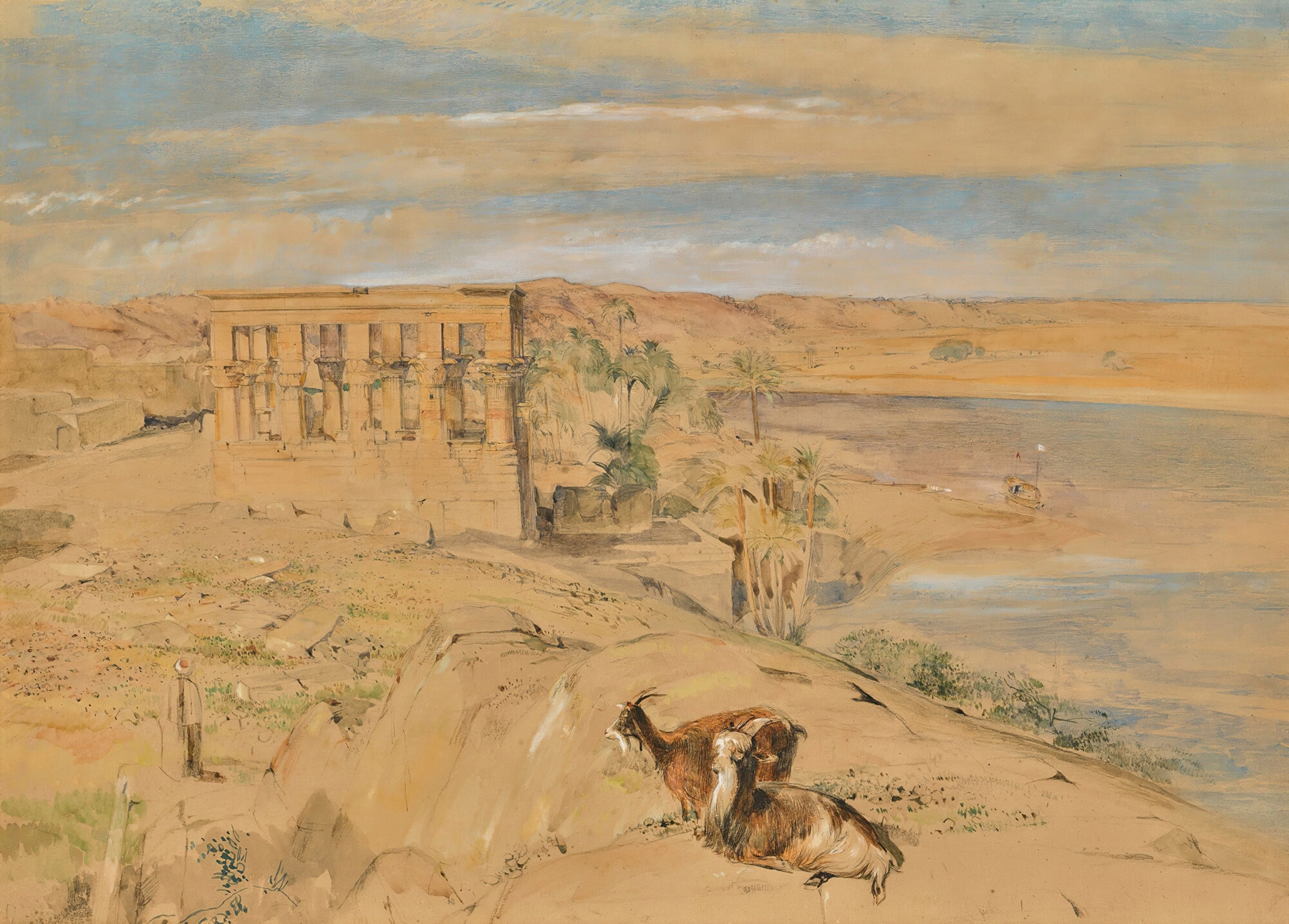
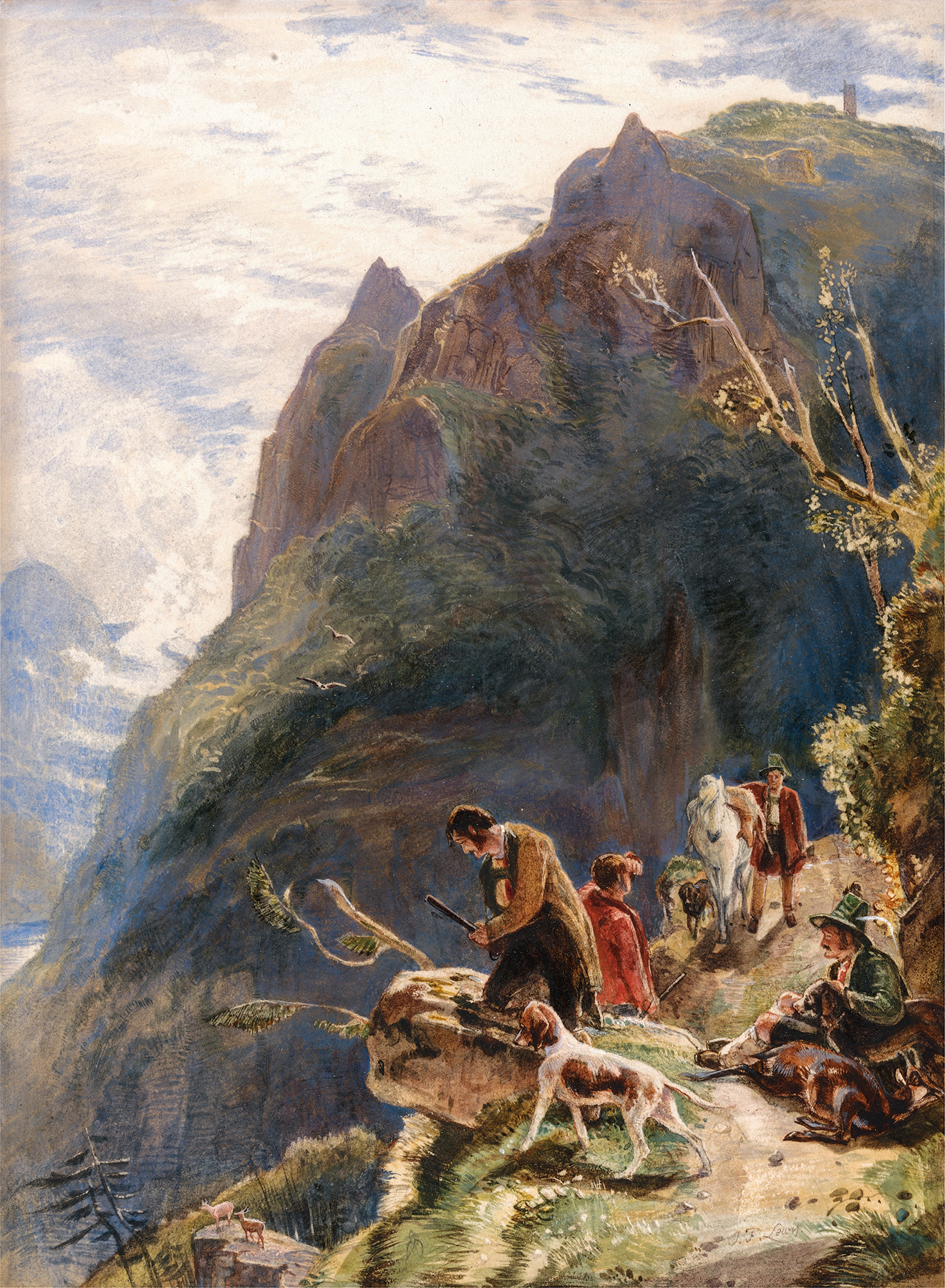
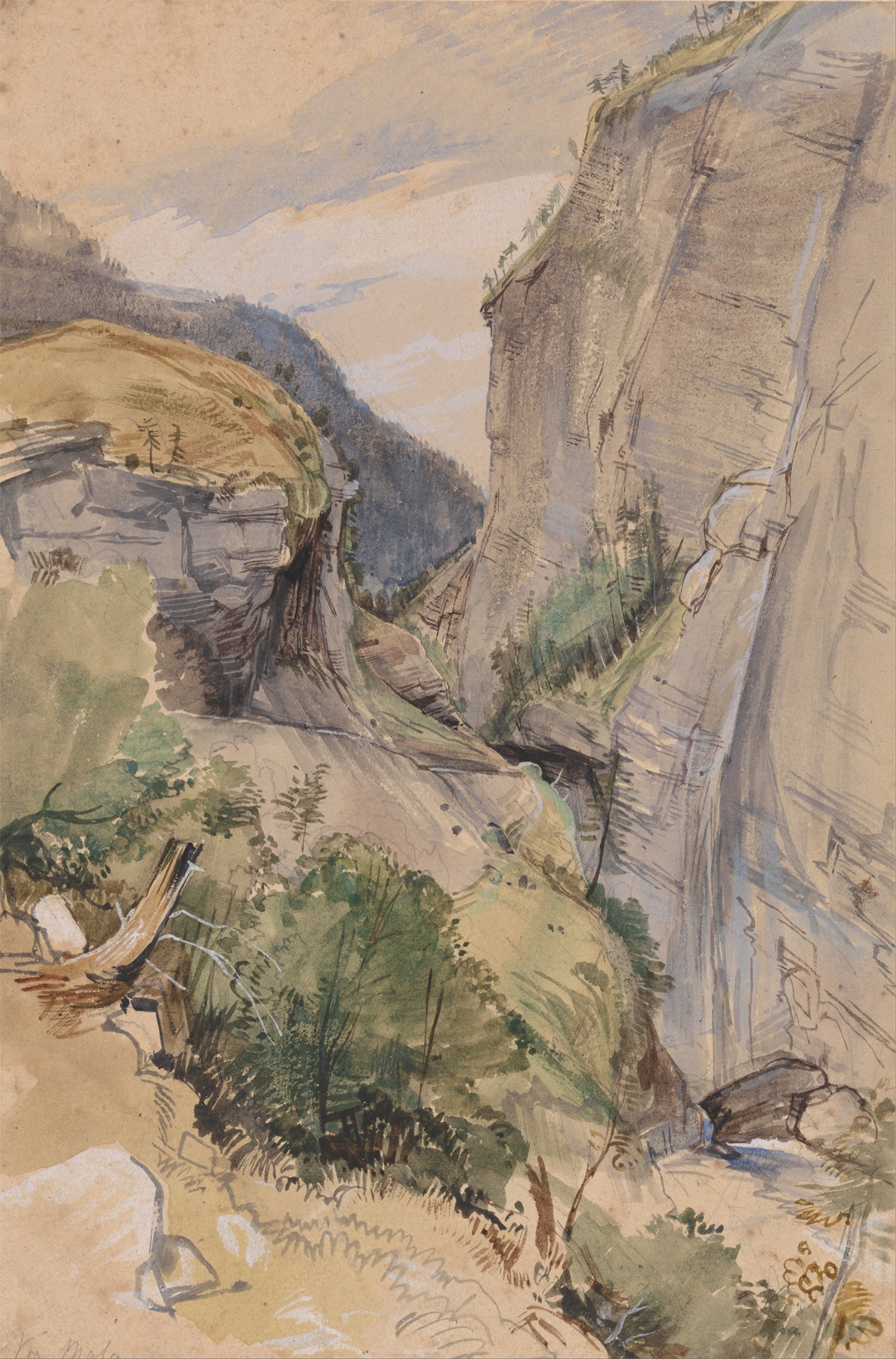
“Every brushstroke is a heartbeat remembered.” In the delicate interplay of color and light, hidden revelations emerge from the canvas, whispering the truths of a world both familiar and distant. Look to the left, where the sturdy outlines of the village stretch against the flowing river, their warm hues of ochre and sienna contrasting with the cool blues of the Rhine. The meticulous detail of the quaint architecture stands as a testament to human craftsmanship amidst nature's grandeur, drawing the eye deeper into the scene. Notice how the gentle ripples of the water catch the sunlight, creating a dance of glimmers that lead us through time and space, evoking a sense of peace and nostalgia.
Yet, within this serene landscape lies an undercurrent of tension; the distant mountains loom, both inviting and foreboding, symbolizing the challenges faced by those dwelling in their shadows. The tranquility belies the bustling life that once thrived here and the stories contained within those walls. Each figure, whether in silhouette or in motion, carries the weight of history, their presence a reminder of fleeting moments and timeless struggles amid the idyllic setting.
In 1827, John Frederick Lewis painted this work during a period of personal exploration and artistic development. Living in London after returning from years in the Middle East, he was influenced by Romanticism's embrace of nature and emotion, while also navigating the burgeoning interest in realism. The canvas reflects his desire to capture the heart of human experience, bridging the past and present as he sought to document the world through his revitalized lens.