Stairway at Auvers — History & Analysis
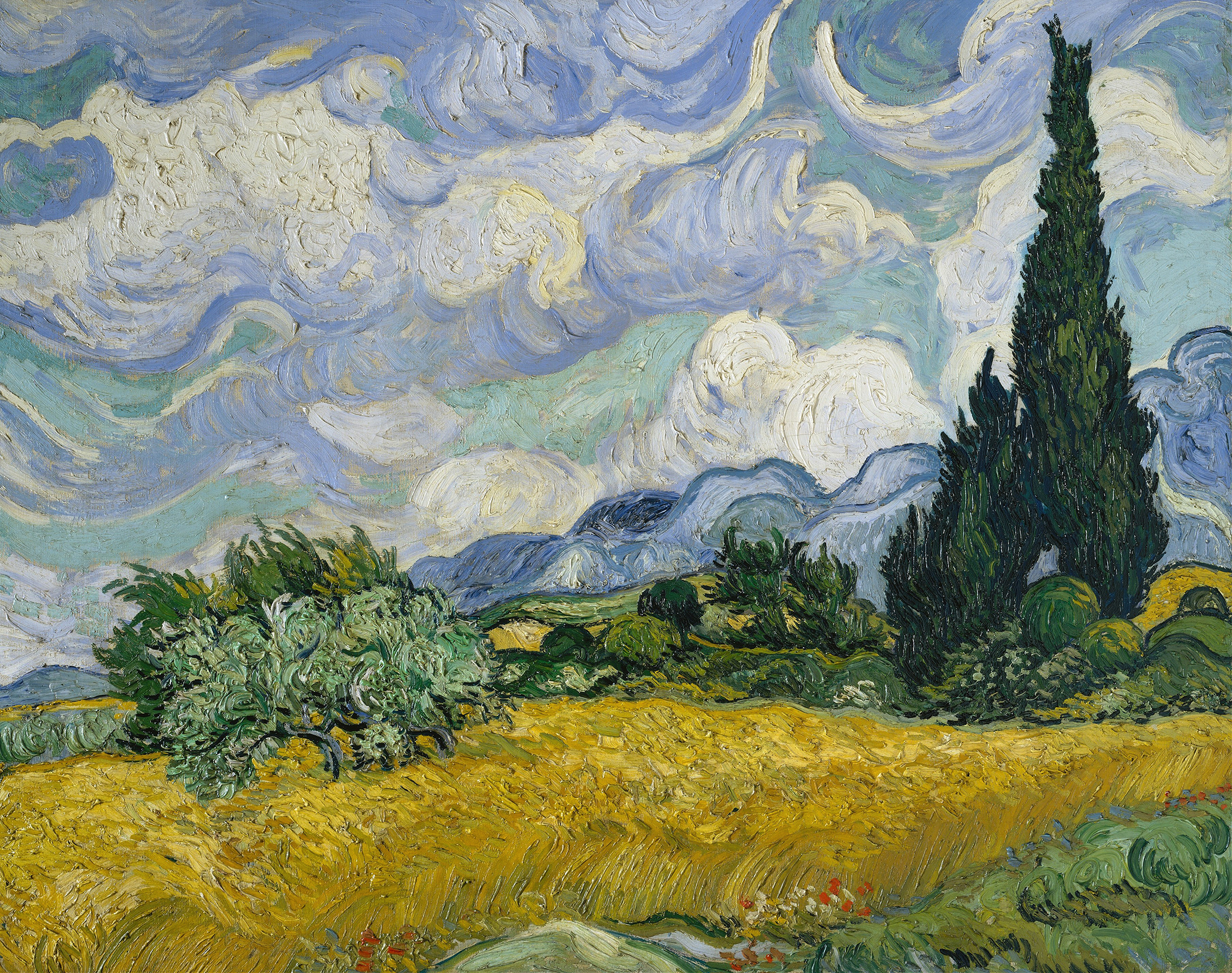
“To paint is to remember what time wants us to forget.” In Stairway at Auvers, the delicate balance of movement and stillness speaks to our fleeting existence. Van Gogh captures the rhythmic ascent of the steps, inviting viewers to reflect on the duality of journey and destination. Look to the left, where the lush greens of the foliage cradle the stairway, drawing your eye towards the warm, inviting yellows of the path. Notice how the textured brushstrokes create a pulsating interplay between the vibrant colors, imbuing the scene with life and motion.
The winding stairs command attention, leading the viewer’s gaze through the composition, while hints of shadow play beneath the steps suggest an unseen depth, as if the path holds secrets waiting to be uncovered. The contrast between light and shadow not only highlights the physical aspect of the stairs but also symbolizes the struggle between joy and melancholy. Each step appears to carry the weight of history, reflecting Van Gogh’s own turbulent emotions during his final days. The lush greenery represents hope and vitality, while the shadowy areas evoke the inevitable descent into darkness, presenting a poignant dialogue between the two.
In June 1890, while staying in Auvers-sur-Oise, the artist created this work during a period marked by both an intense creative surge and profound personal despair. Van Gogh, grappling with his mental health, painted amidst a shifting art world that was increasingly embracing new perspectives. Stairway at Auvers stands as a testament to his enduring quest for balance and meaning in a world fraught with uncertainty.