Study for "Monmouth Before James II" — History & Analysis
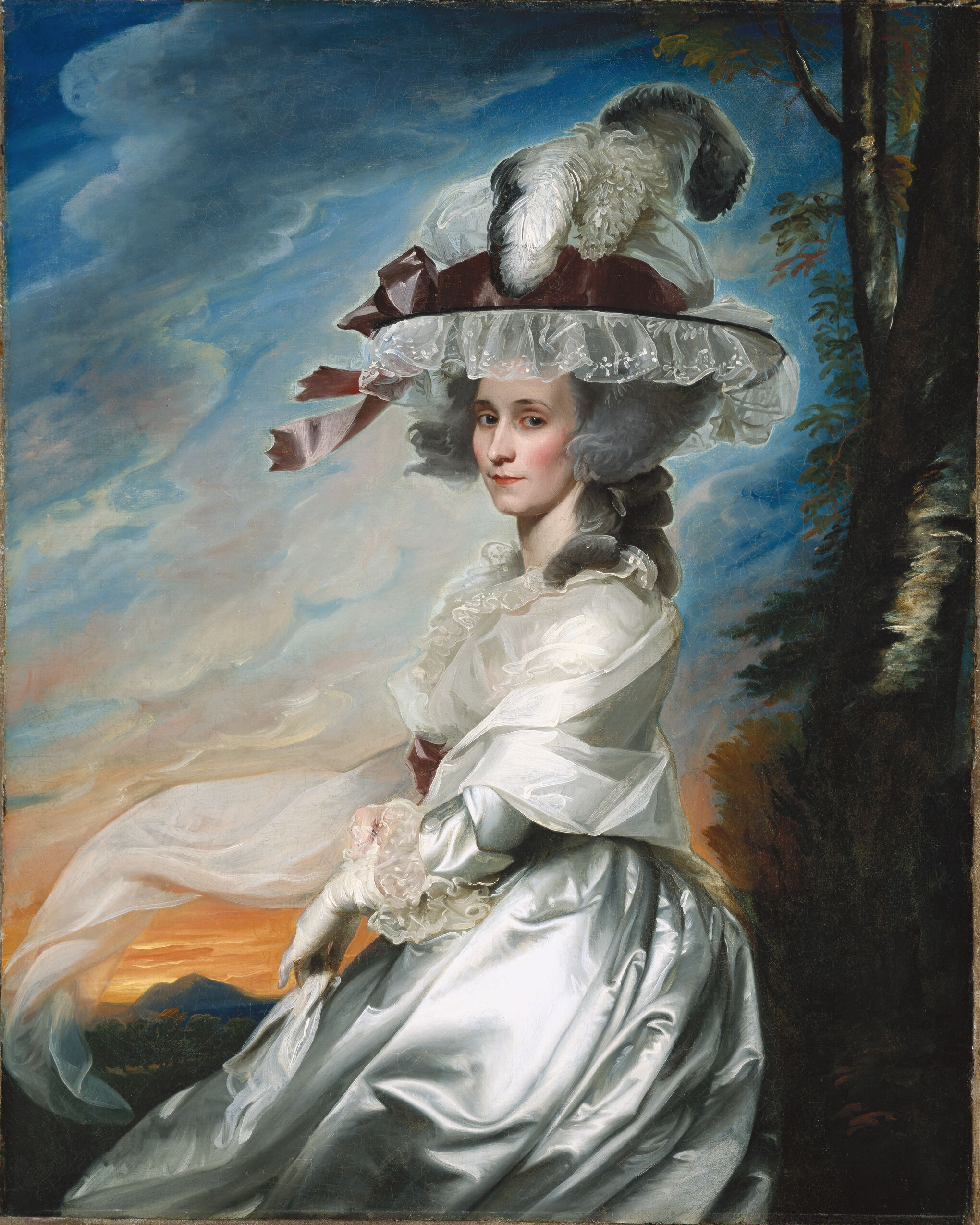
“To paint is to remember what time wants us to forget.” This poignant reflection resonates profoundly within the brushstrokes of an artist who sought to immortalize moments lost to history, capturing the essence of transcendence. In the interplay of memory and art, a narrative unfolds that invites us to explore themes of valor and sacrifice. Look closely at the central figures; they command attention, exuding a mixture of defiance and determination. Their expressions speak volumes, rendered in rich, warm tones that contrast against a cool, muted background. Notice how the light plays delicately upon their faces, highlighting the tension of the moment, while the motion of their bodies suggests an impending clash.
The composition carefully directs the viewer’s gaze, allowing us to follow the narrative thread woven through the intricate details of clothing and weaponry. Delve deeper, and you’ll unearth layers of meaning. The juxtaposition of light and shadow symbolizes the struggle between hope and despair, while the vibrant colors evoke the fervor of revolution. Each figure tells a story, embodying ideals of bravery and sacrifice, yet each glance reveals a flicker of vulnerability, making them relatable.
This connection to the human experience deepens the emotional resonance, inviting introspection about the price of freedom and the tumult of history. Created between 1782 and 1794, this study reflects Copley’s engagement with the political climate of colonial America, as tensions were rising and the revolutionary spirit was igniting. During this period, the artist was navigating his identity as an American expatriate in England. He was keenly aware of the unfolding narratives that shaped his homeland, and through this work, he sought to contribute to the discourse surrounding liberty and the complexities of history.