Summer — History & Analysis
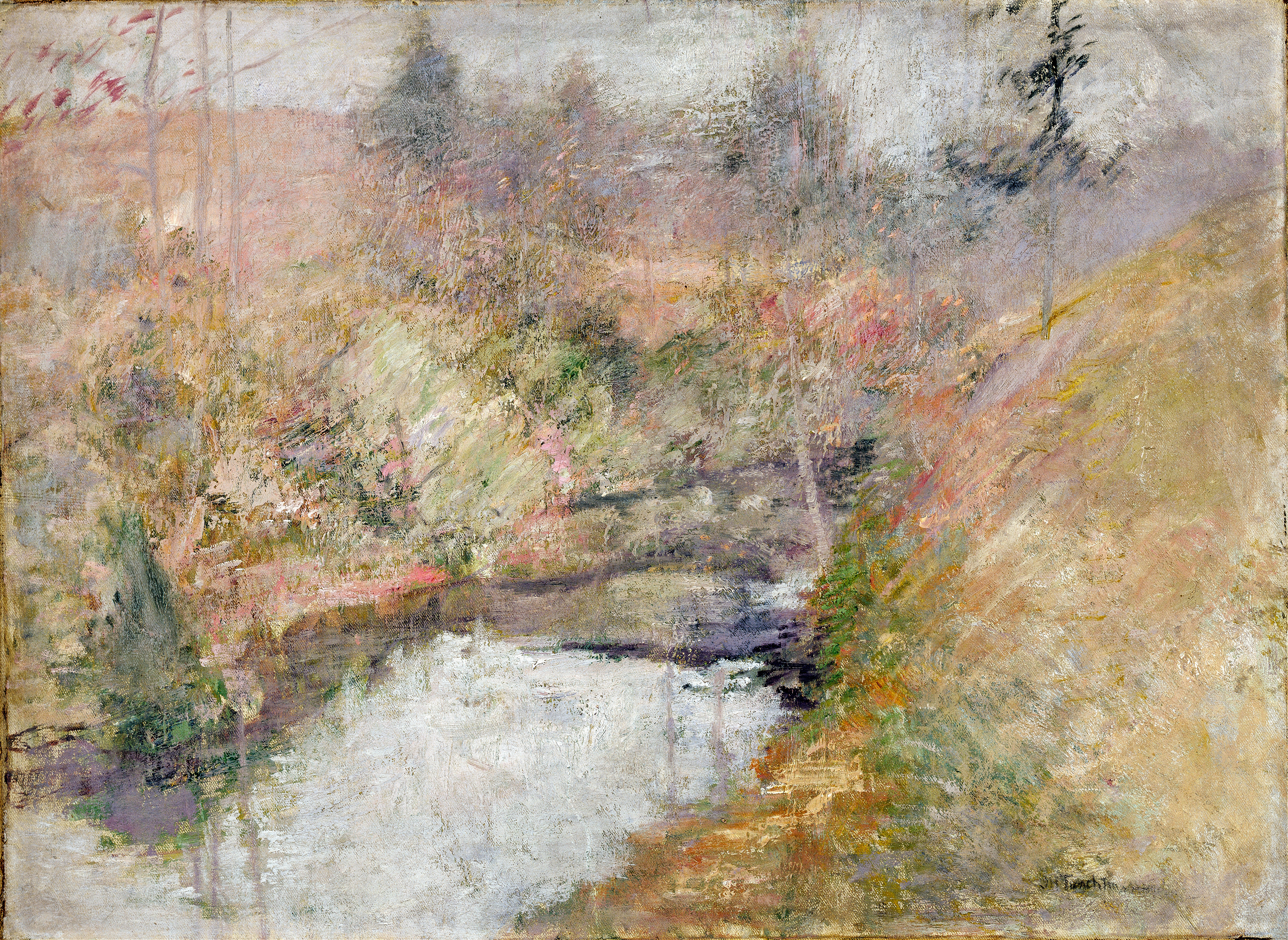
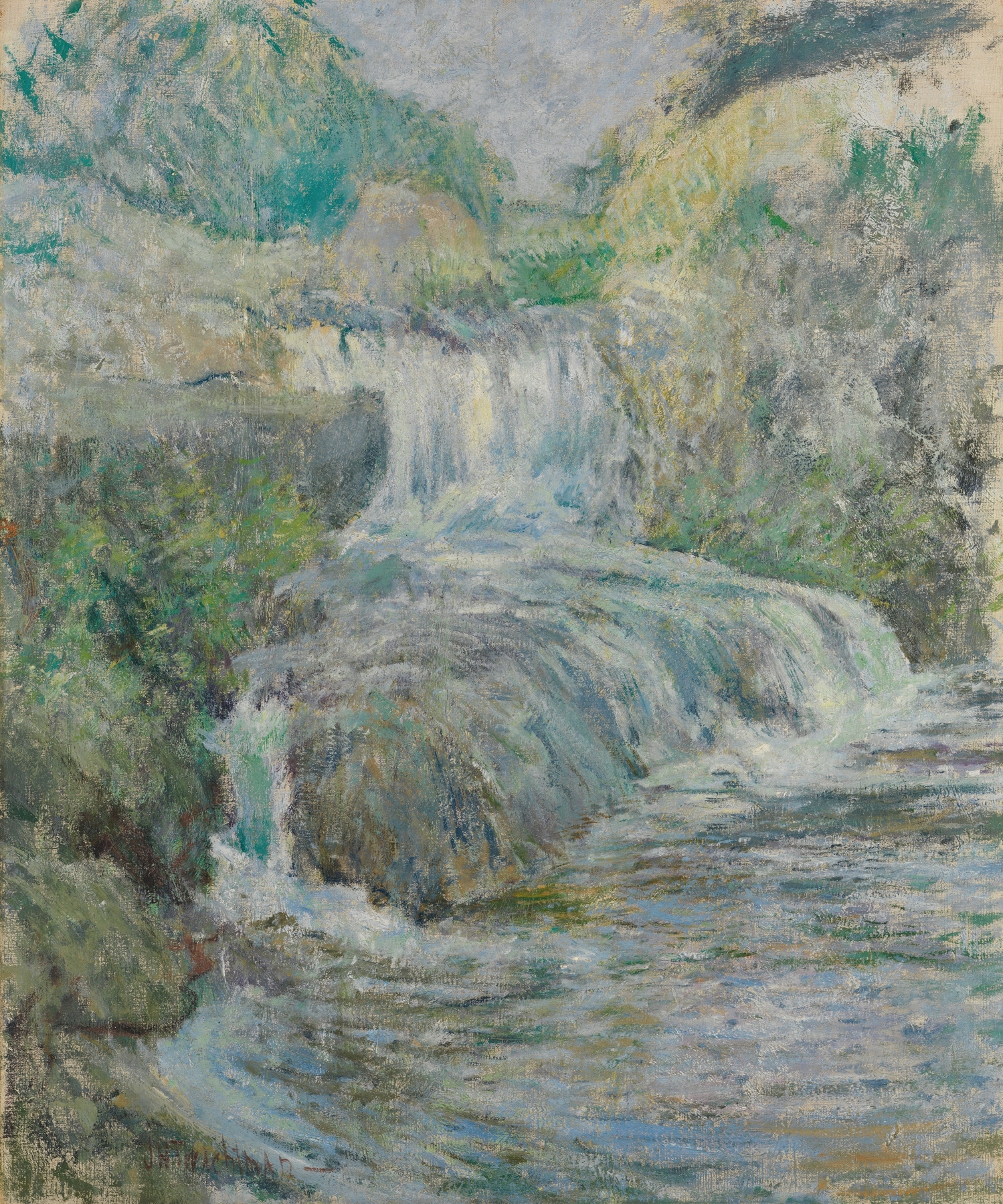
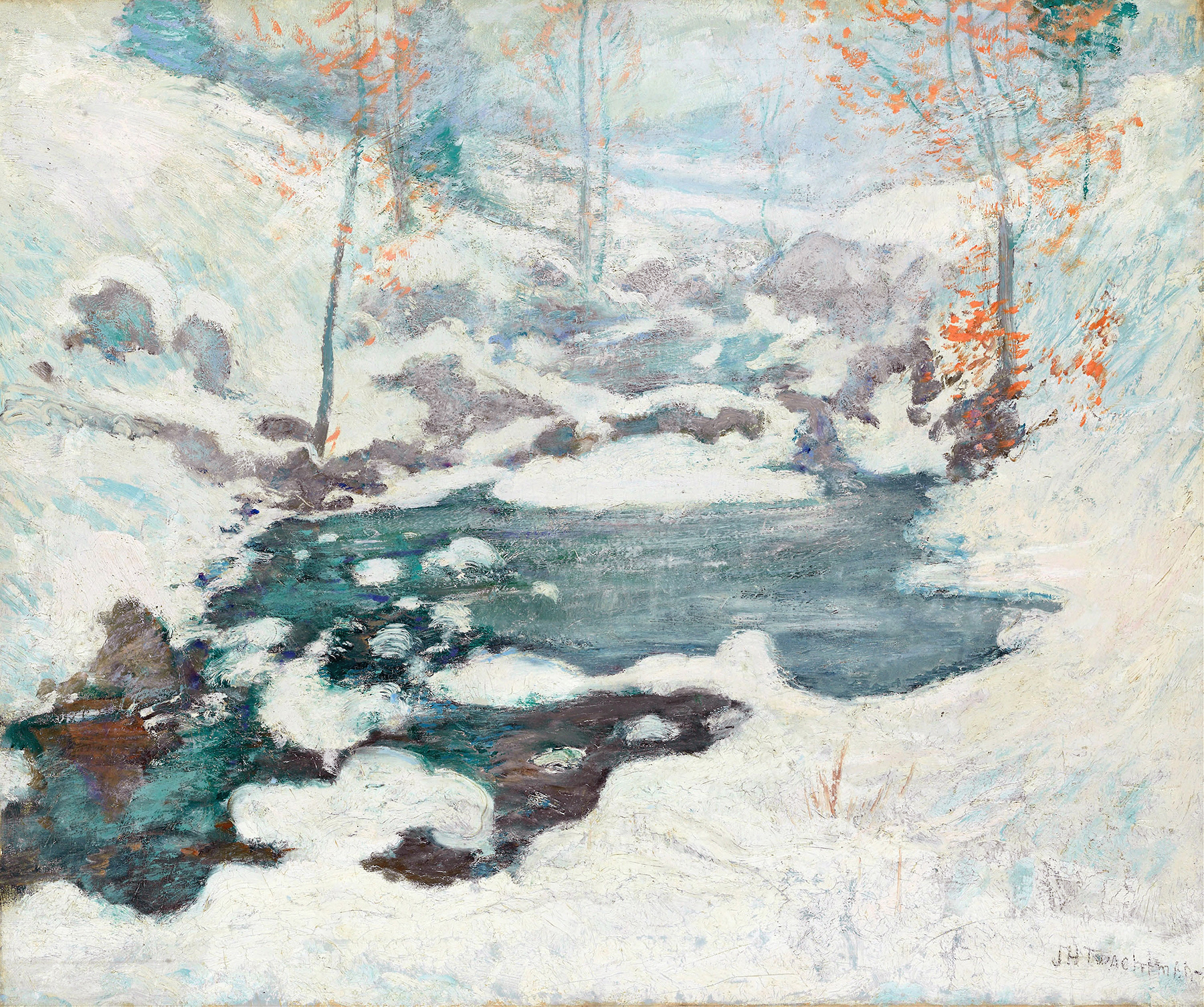
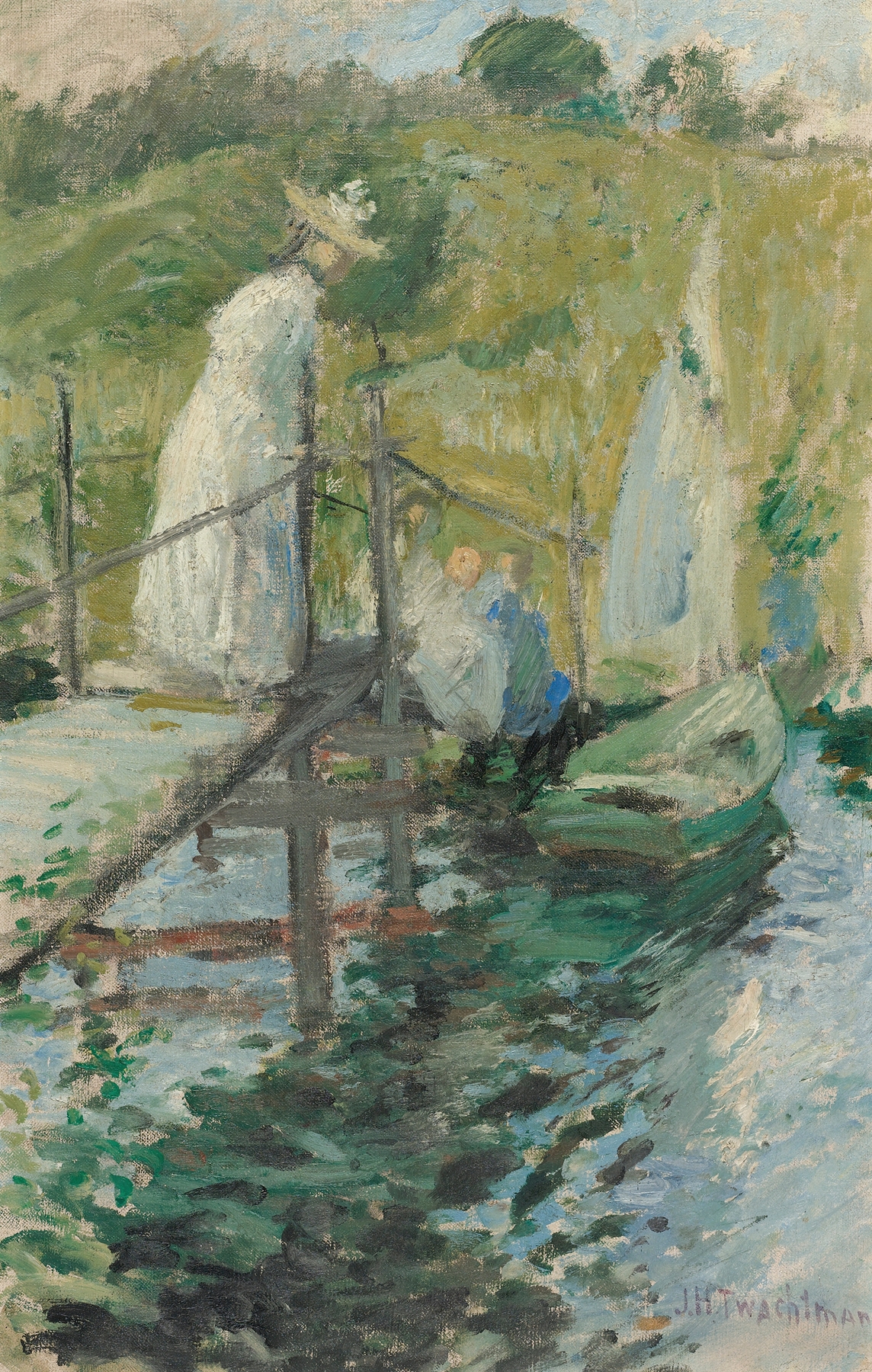
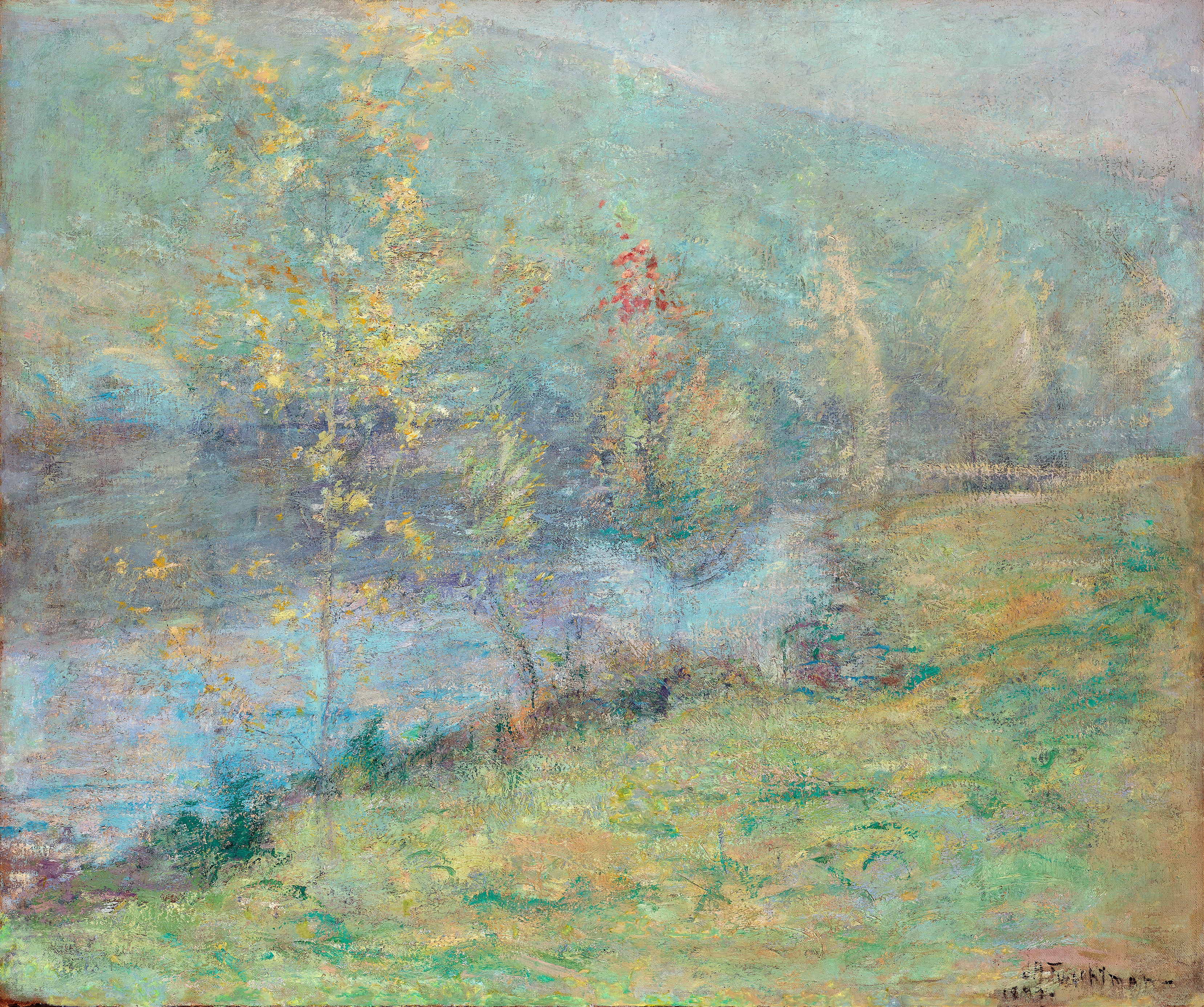
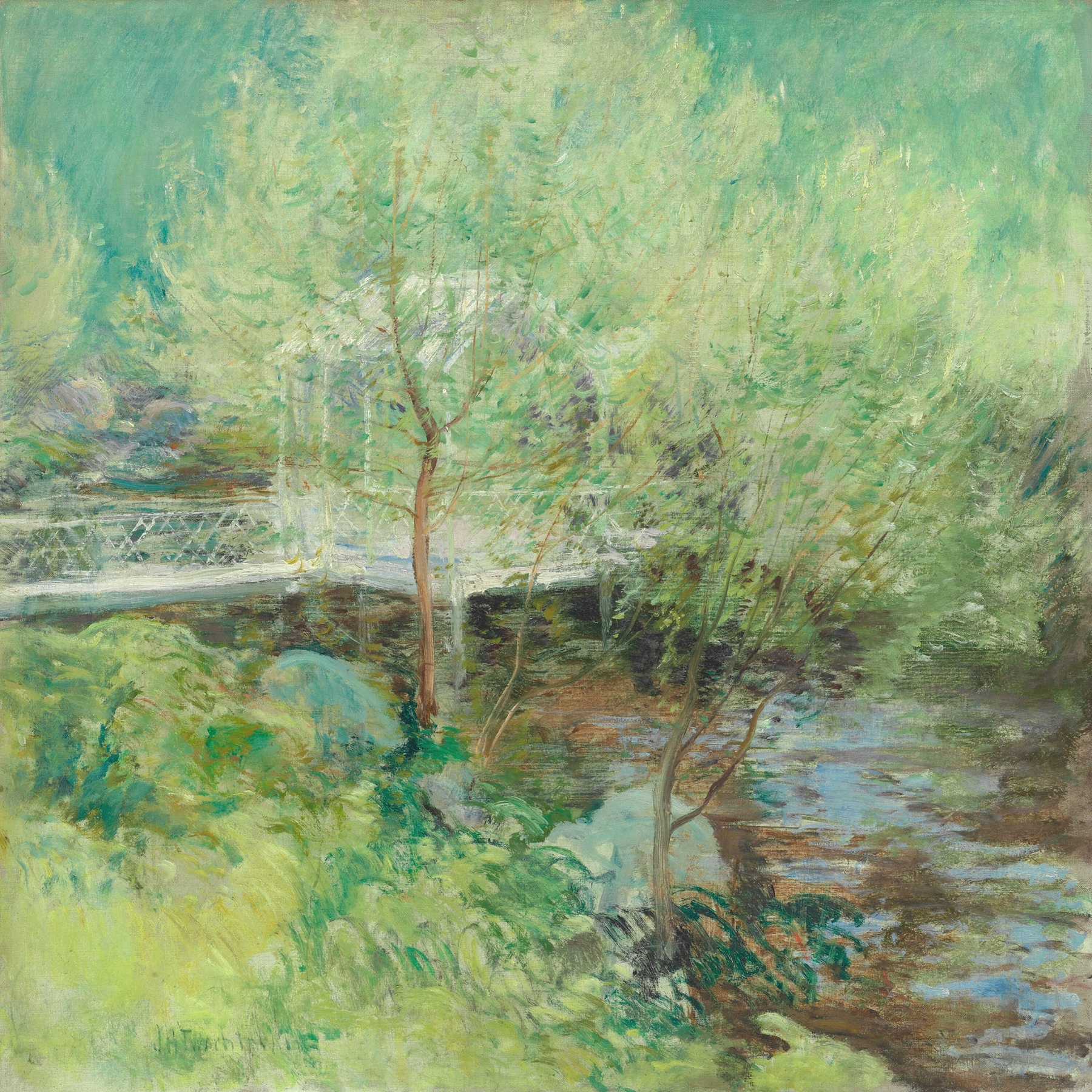
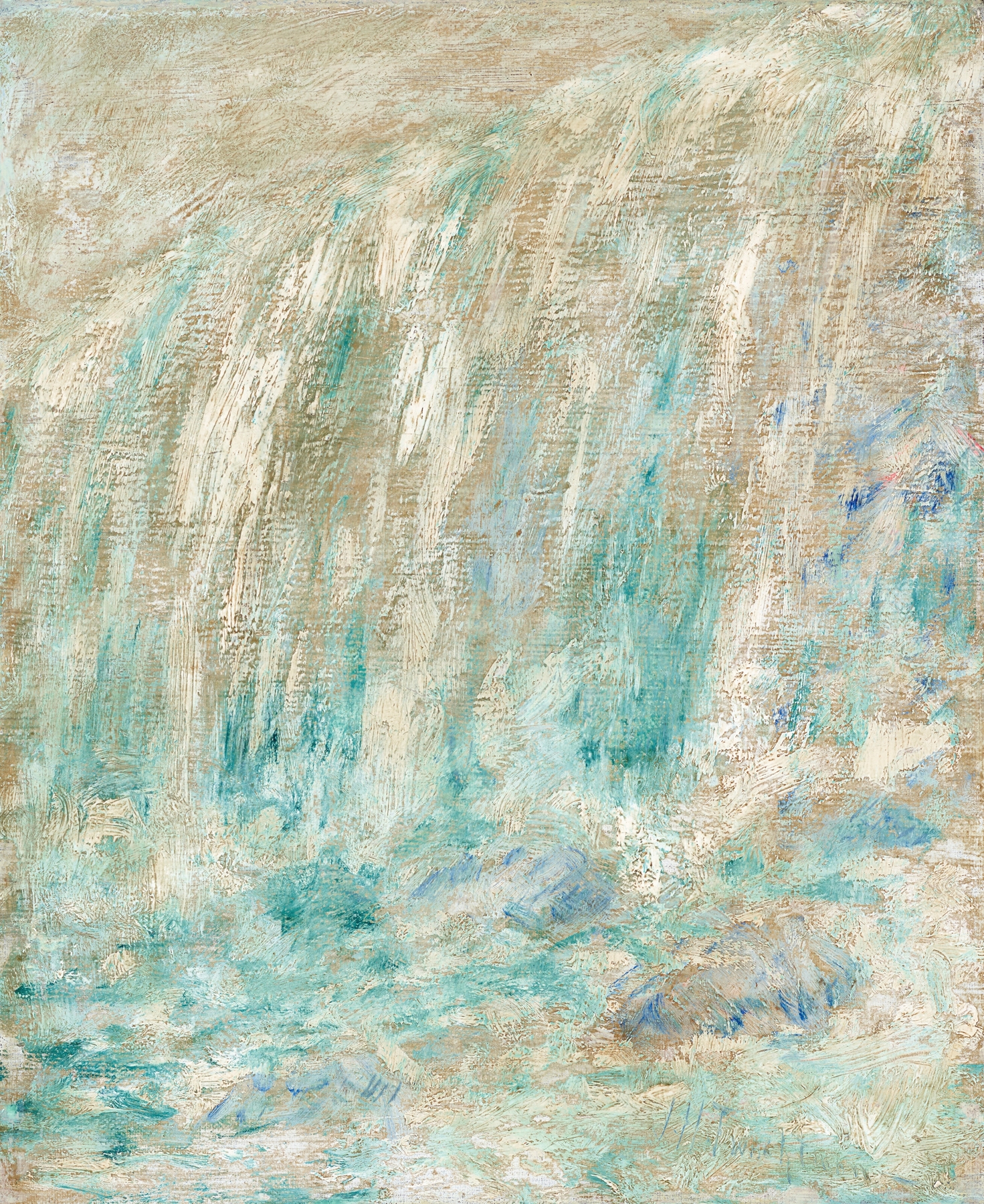
Can paint confess what words never could? The essence of mortality lingers in the brushstrokes and colors of life, echoing the silent truths we often leave unspoken. Look closely at the interplay of light and shadow, particularly in the soft greens and vibrant yellows. The gentle undulation of the landscape draws the eye towards a sun-drenched horizon, where nature’s lushness teeters on the edge of transience. Notice how the impressionistic technique evokes movement, with each stroke suggesting the whispers of the breeze that cradles the leaves.
The textured surface invites the viewer to touch, to feel the freshness of summer, while the subtle blending of hues hints at the ephemeral nature of the season. Yet, beneath this idyllic scene lies a tension between beauty and impermanence. The vibrancy of the flora, while enchanting, reminds us of the fleeting moments we so often take for granted. The warm palette juxtaposes the inevitable decay that follows the bloom; it speaks to the cycle of life and death, a reminder that even the sunniest days must yield to darkness.
Each blossom is a poignant reminder of what once was and what is destined to fade, encapsulating the bittersweet relationship we share with the passage of time. John Henry Twachtman painted this piece during the late 19th century, a time when America was undergoing significant artistic transformation. Influenced by Impressionism, he sought to capture the essence of fleeting moments in nature. During this period, Twachtman faced personal challenges, including the loss of loved ones, which deepened his reflections on life and mortality, infusing his work with a profound emotional resonance that continues to speak to audiences today.