Sunlight on the Harlem River — History & Analysis
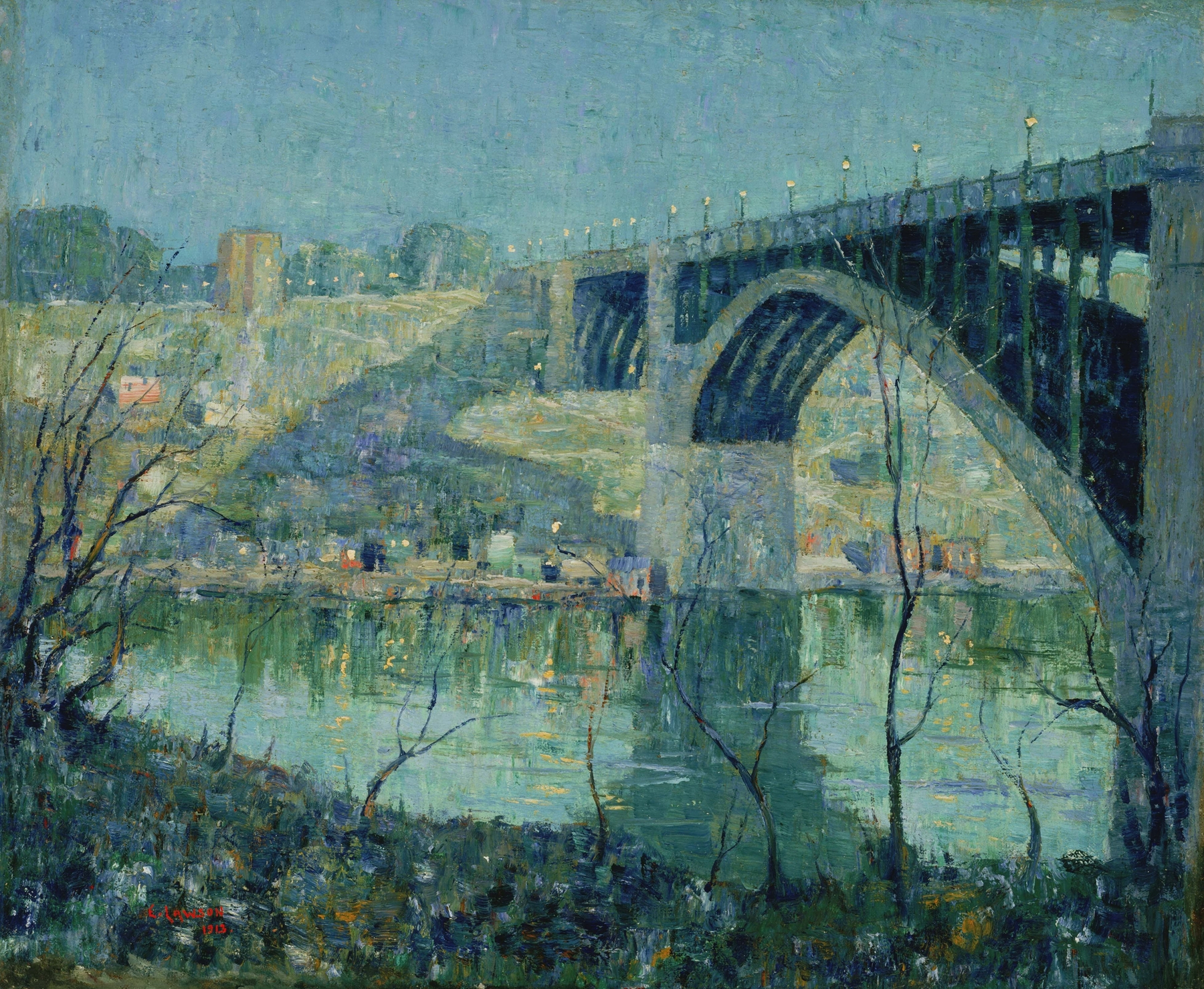
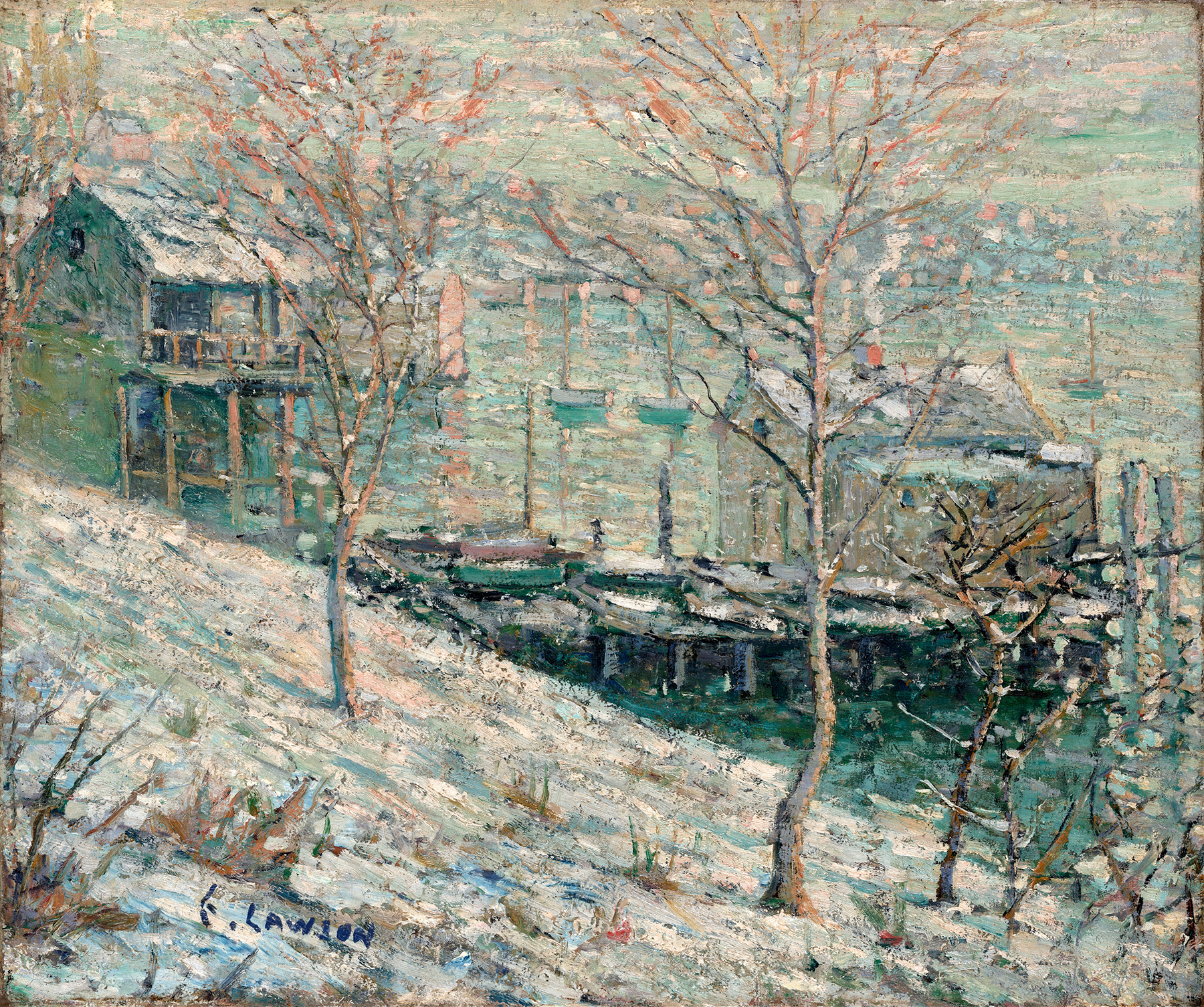
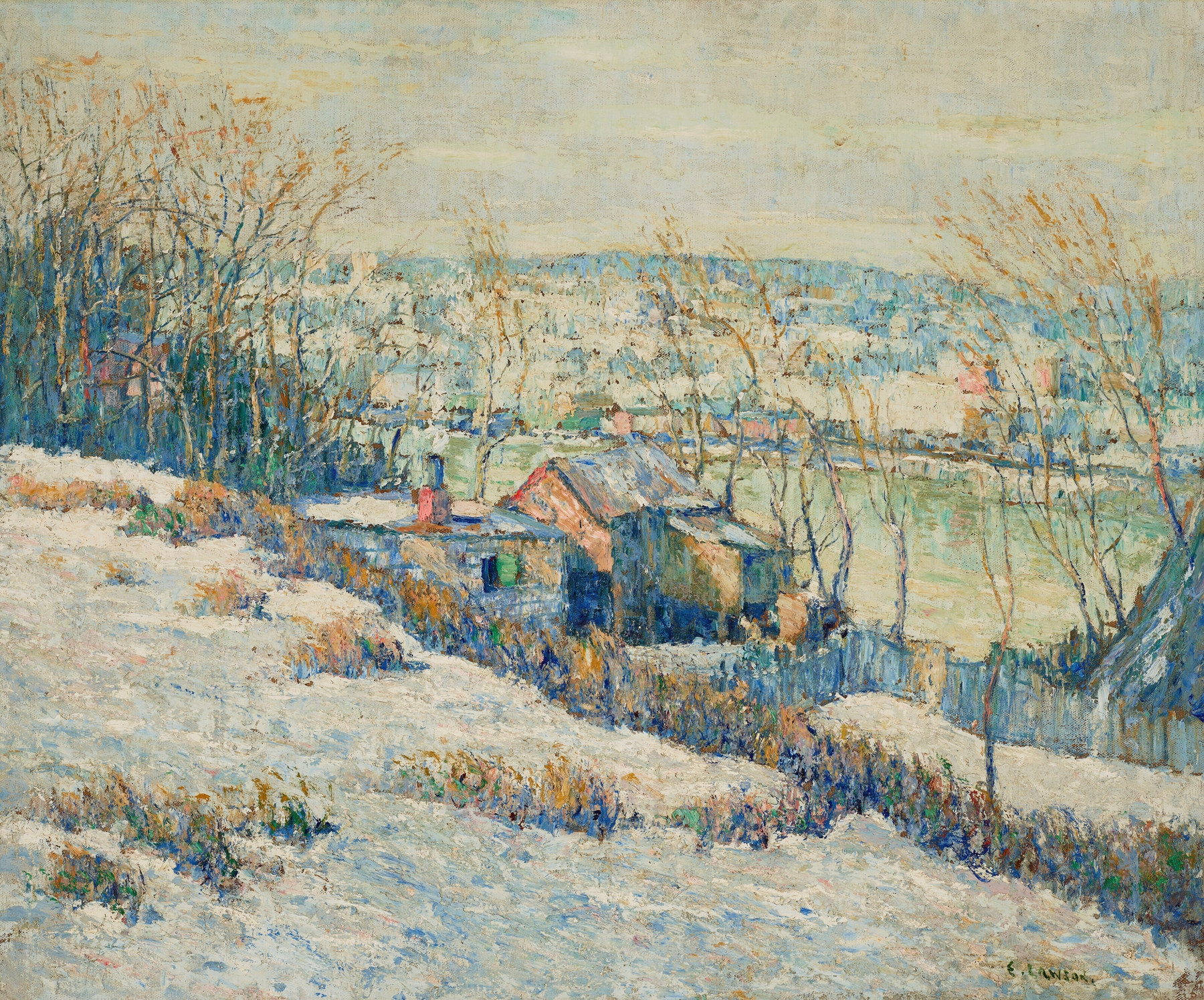
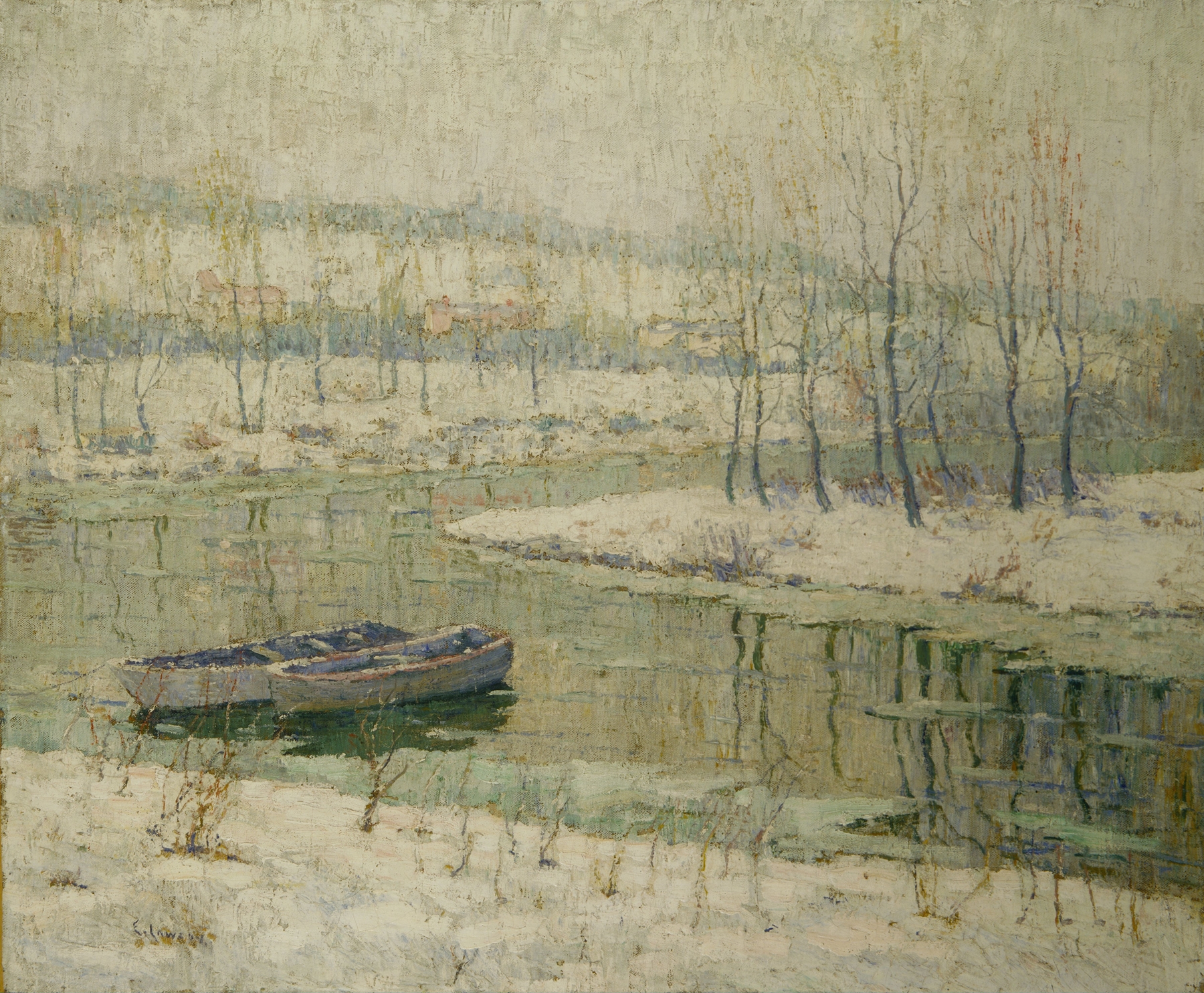
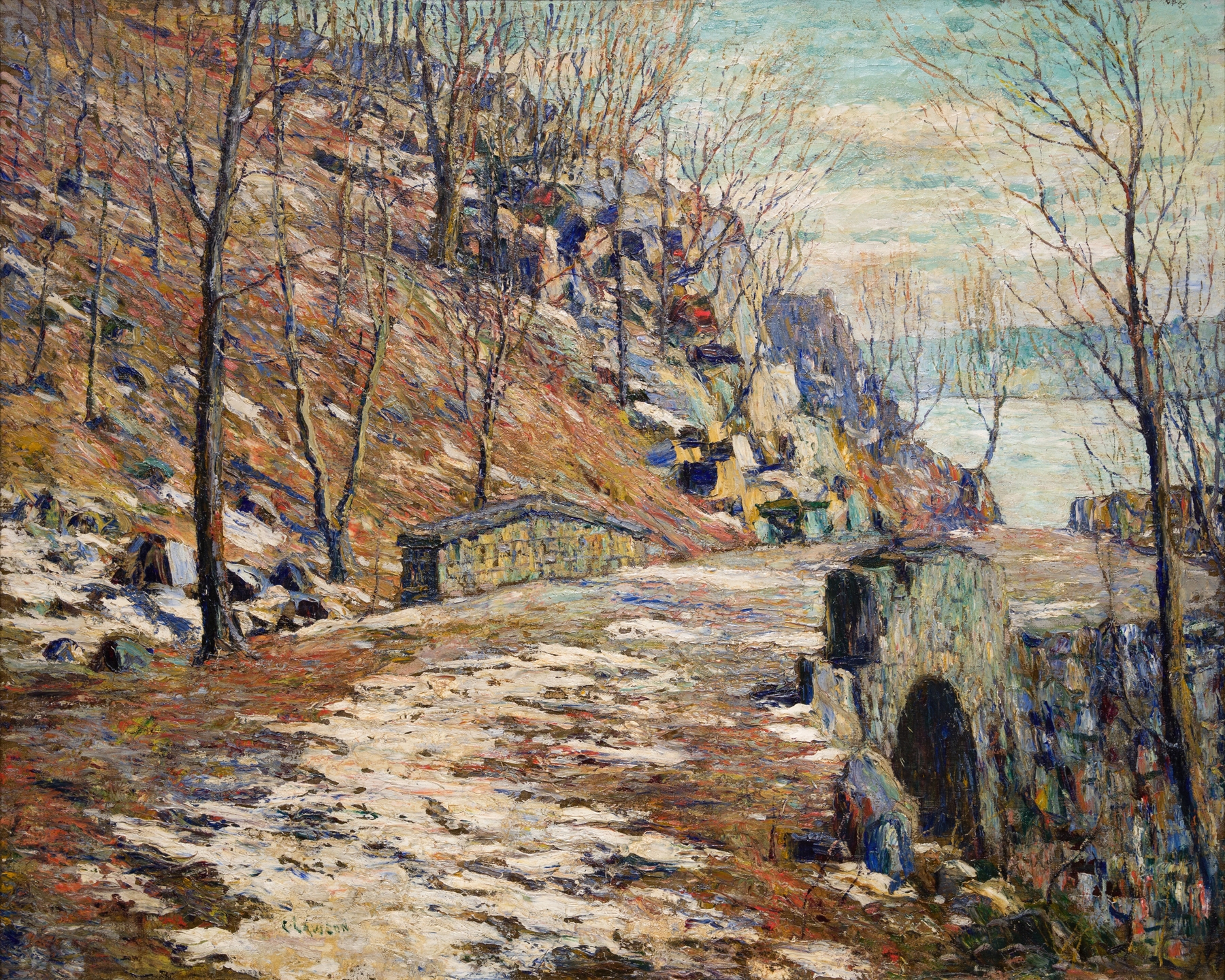
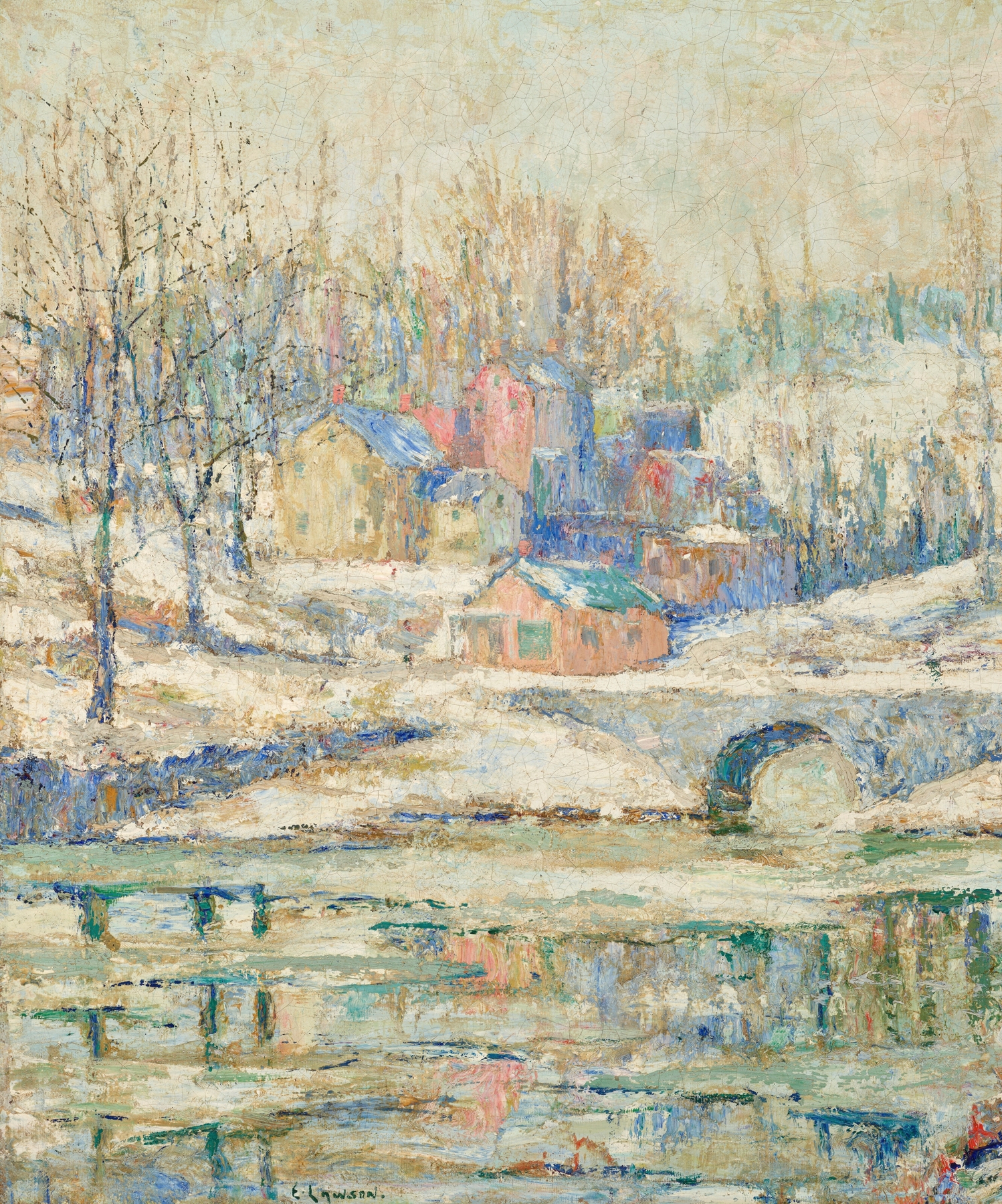
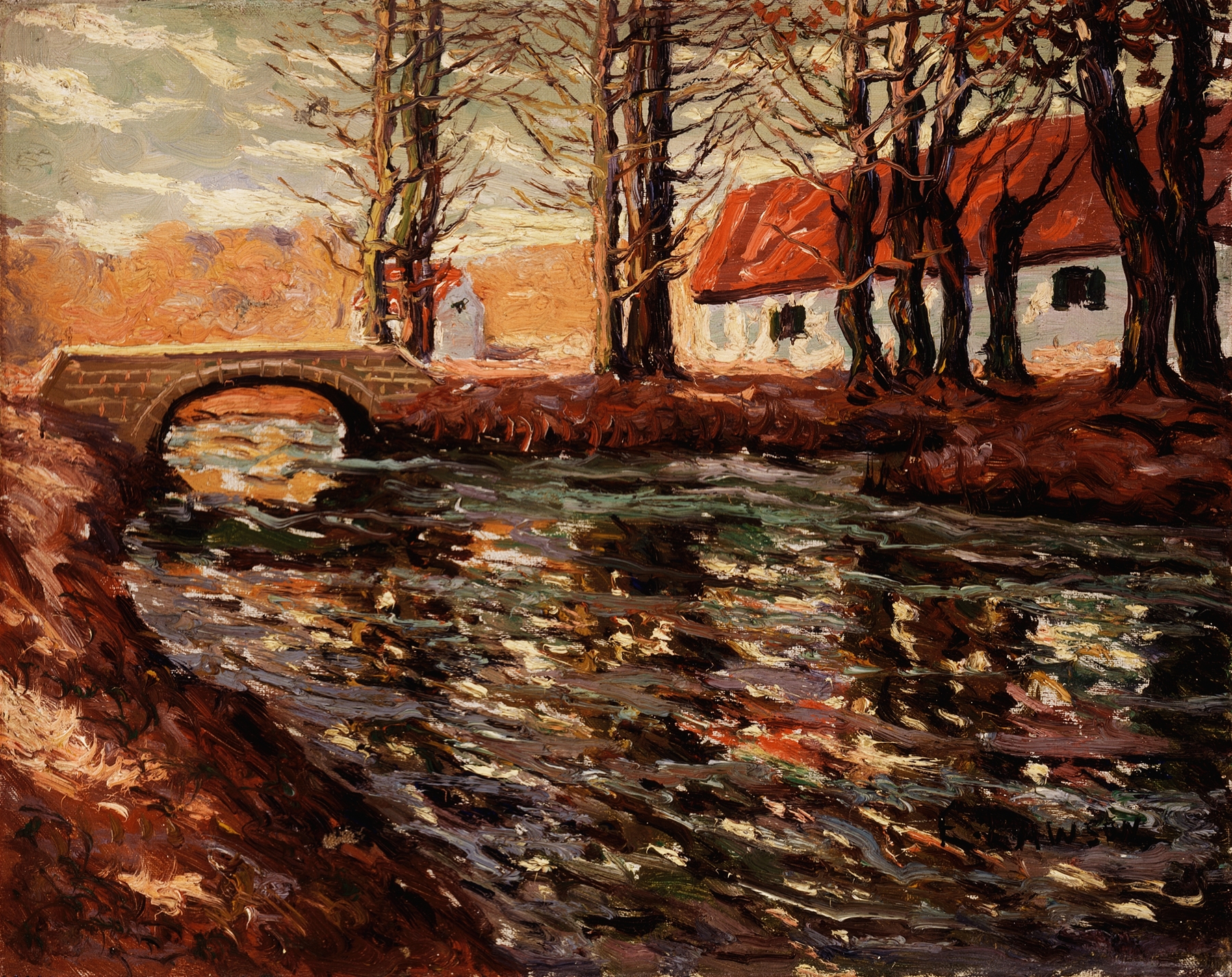
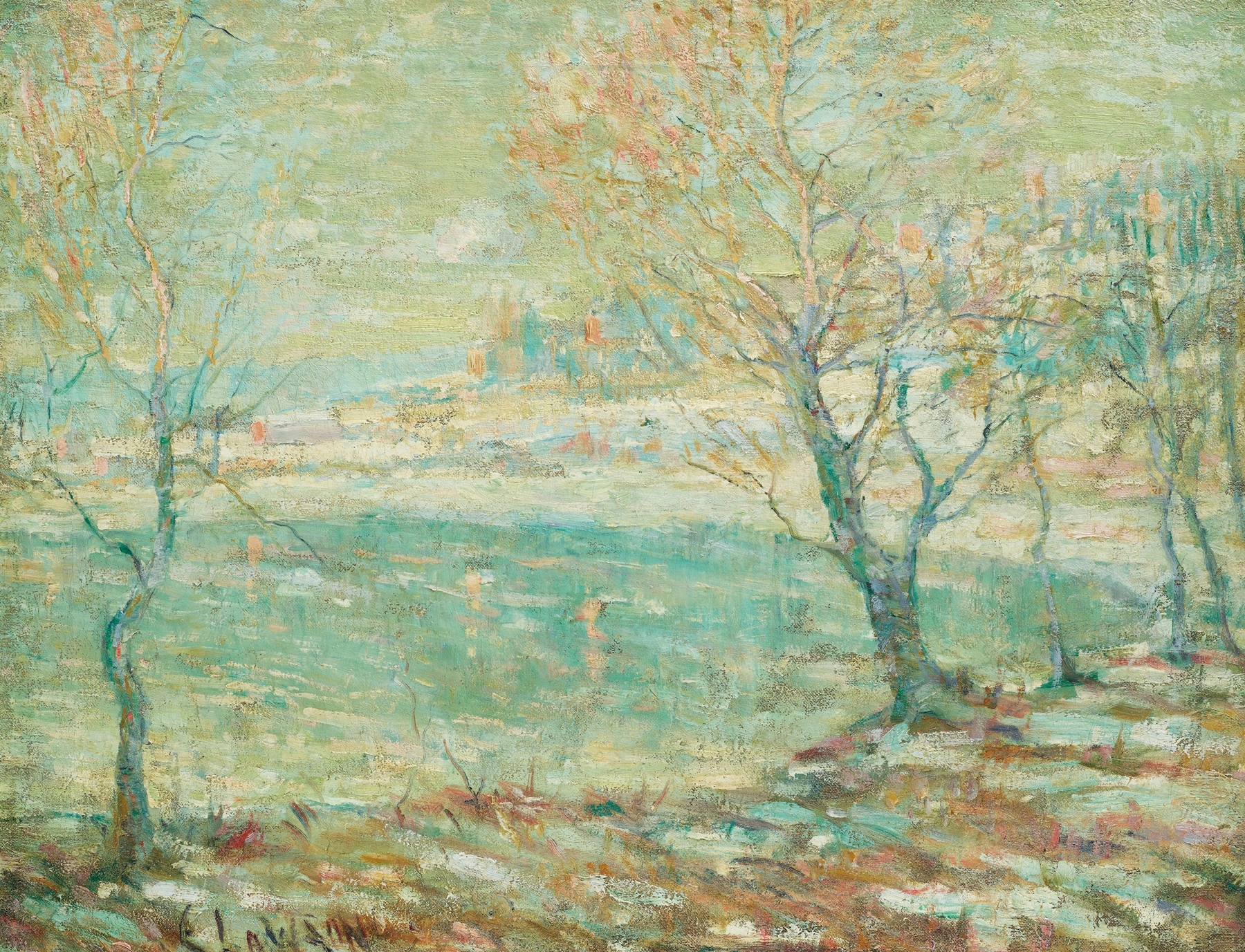
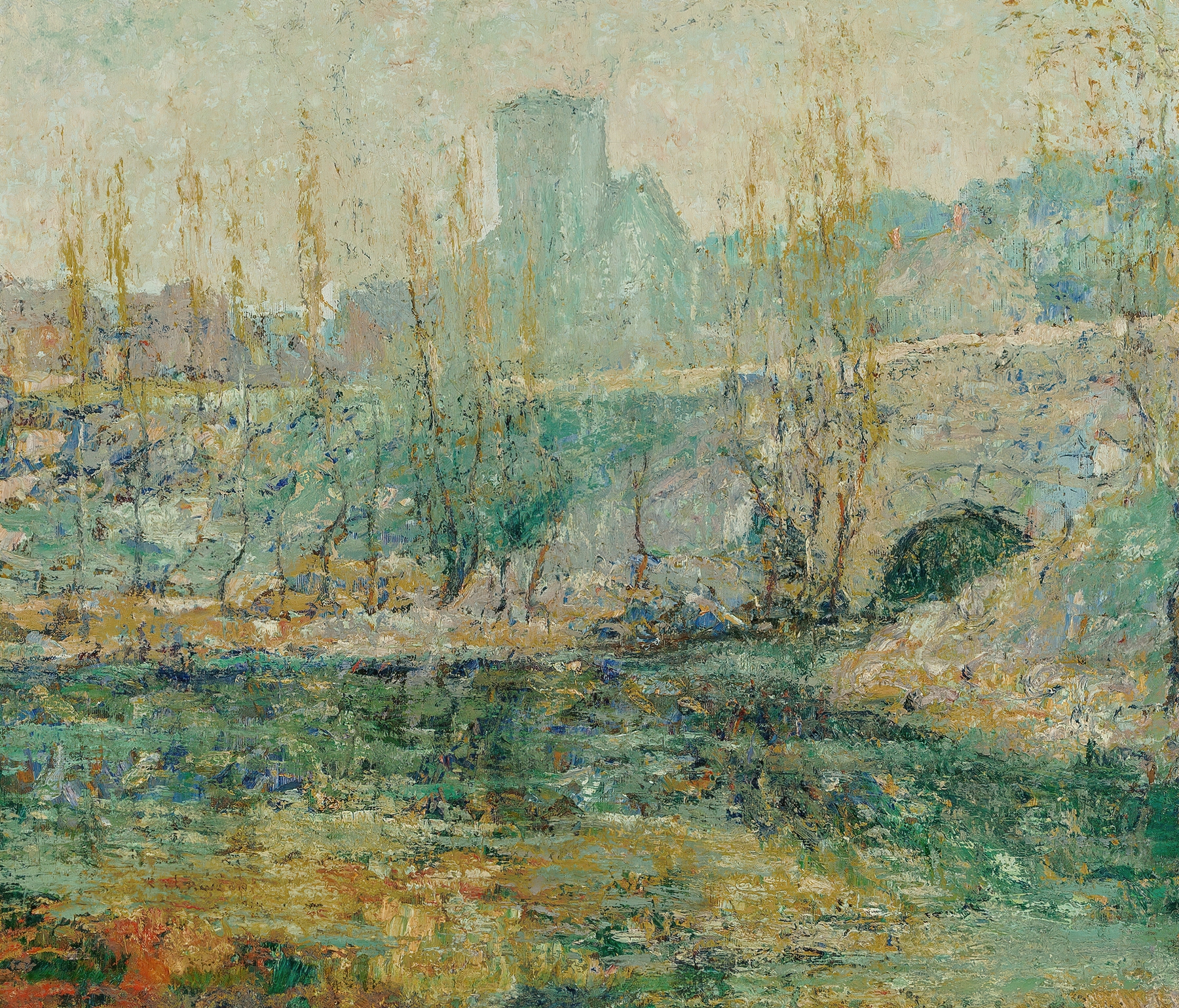
“Between color and silence, truth hides.” In the interplay of light and shadow, fear lurks, shaping our perception of reality and the world around us. Focus your gaze on the shimmering expanse of the Harlem River, where streaks of sunlight dance across the water's surface, creating a tapestry of fleeting reflections. Notice how the warm hues of the sun contrast with the cooler tones of the landscape, drawing the viewer's eye toward the horizon. The brushwork is loose yet deliberate, suggesting movement and life just below the calm exterior while the buildings in the background stand stoically, casting elongated shadows that add depth and tension to the scene.
As you explore the details, consider the juxtaposition of the vibrant sunlight with the stillness of the river. This contrast speaks to the duality of life—how moments of beauty often coexist with underlying fears of change or uncertainty. The interplay of colors evokes an emotional resonance, suggesting that even in serene moments, there is an awareness of what lies beneath the surface, hinting at the fragility of peace.
Painted in 1919, Sunlight on the Harlem River reflects Ernest Lawson’s focus on urban landscapes during a period of significant transition in American art. Coming out of the tumult of World War I, Lawson sought to capture the essence of modern life while embracing the Impressionist techniques that had influenced his early work. This painting exemplifies his belief in the beauty of everyday scenes and the emotional truths they can convey.