Thatched Cottages at Cordeville — History & Analysis
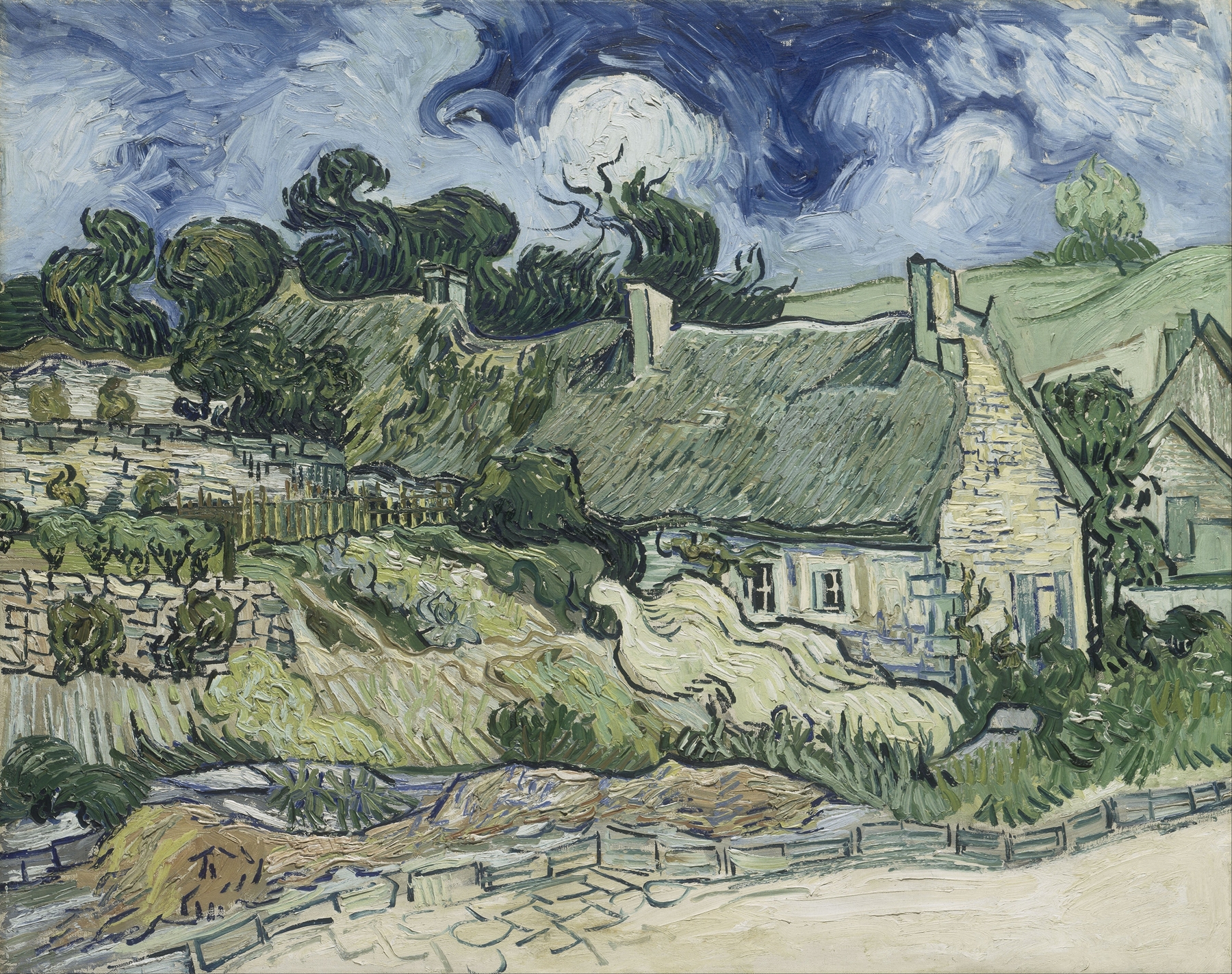
What secret hides in the quiet of the canvas? Within the gentle embrace of nature, serenity intertwines with an undercurrent of obsession. Look to the left at the thatched roofs, their textured strokes drawing the eye into a rhythm of labor and love. The earthy hues of ochre and muted greens dominate, illuminating the cottages that stand resilient against the backdrop of an expansive sky.
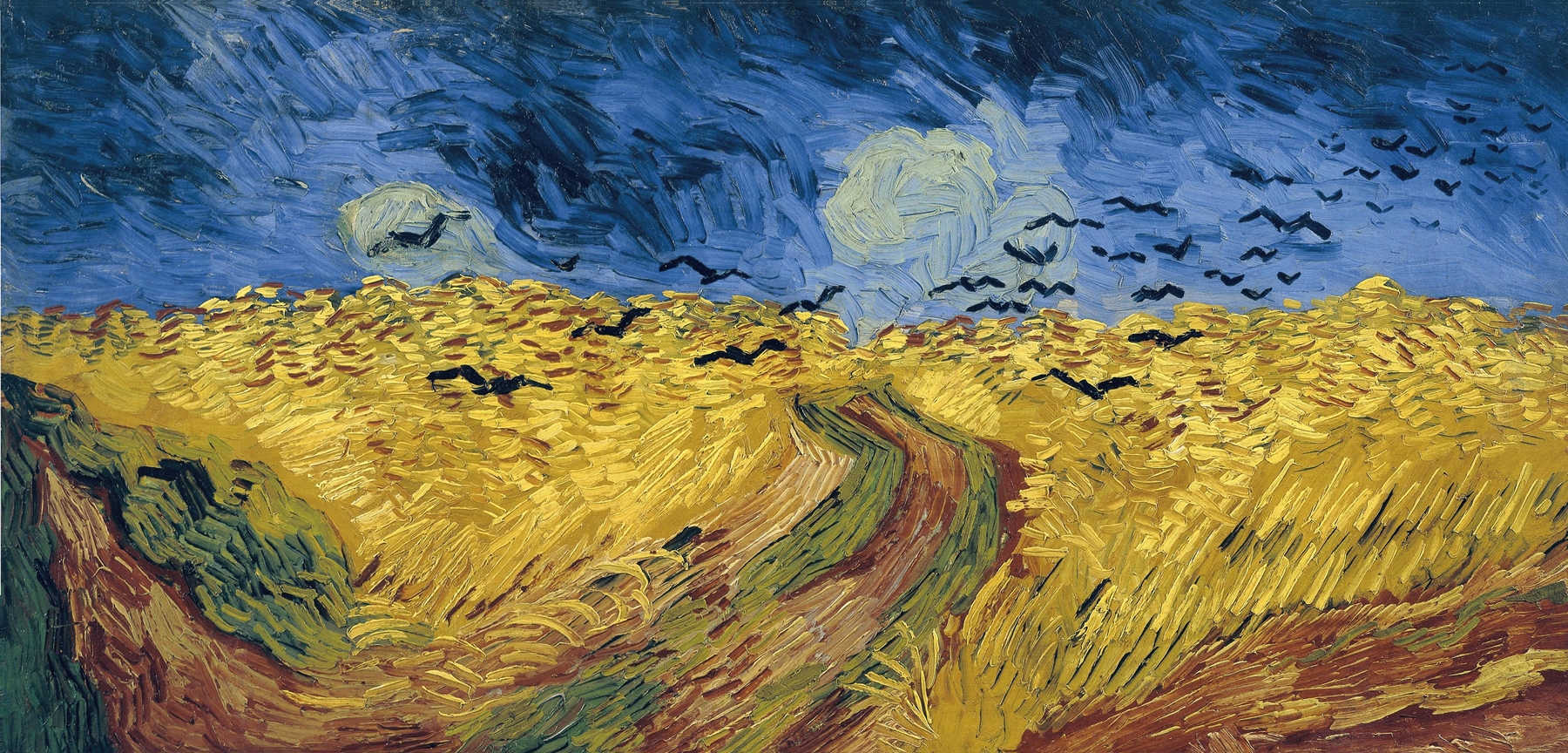
Notice how the brushwork pulses with energy, each line a testament to the artist's fervent connection to his surroundings, inviting you to wander through the landscape. Beneath the tranquil surface lies a tension between the idyllic and the haunting. The cottages symbolize a longing for stability amidst the chaos of Van Gogh's own life, his tumultuous journey reflected in the very strokes that outline their forms. Observe the interplay of light and shadow, which underscores the fragility of this scene—an obsession with capturing an essence that constantly eludes him, a fleeting moment caught in the middle of time.
In June 1890, while living in Auvers-sur-Oise, Van Gogh painted this work, reflecting a period marked by both creativity and despair. He was grappling with mental health challenges, and this phase of his life was anchored in his desire to depict the beauty of rural existence. At the same time, the art world was evolving, with Impressionism paving the way for expressive styles that allowed artists to explore their inner worlds.