The Abbey Farm (La Ferme de l’abbaye) — History & Analysis
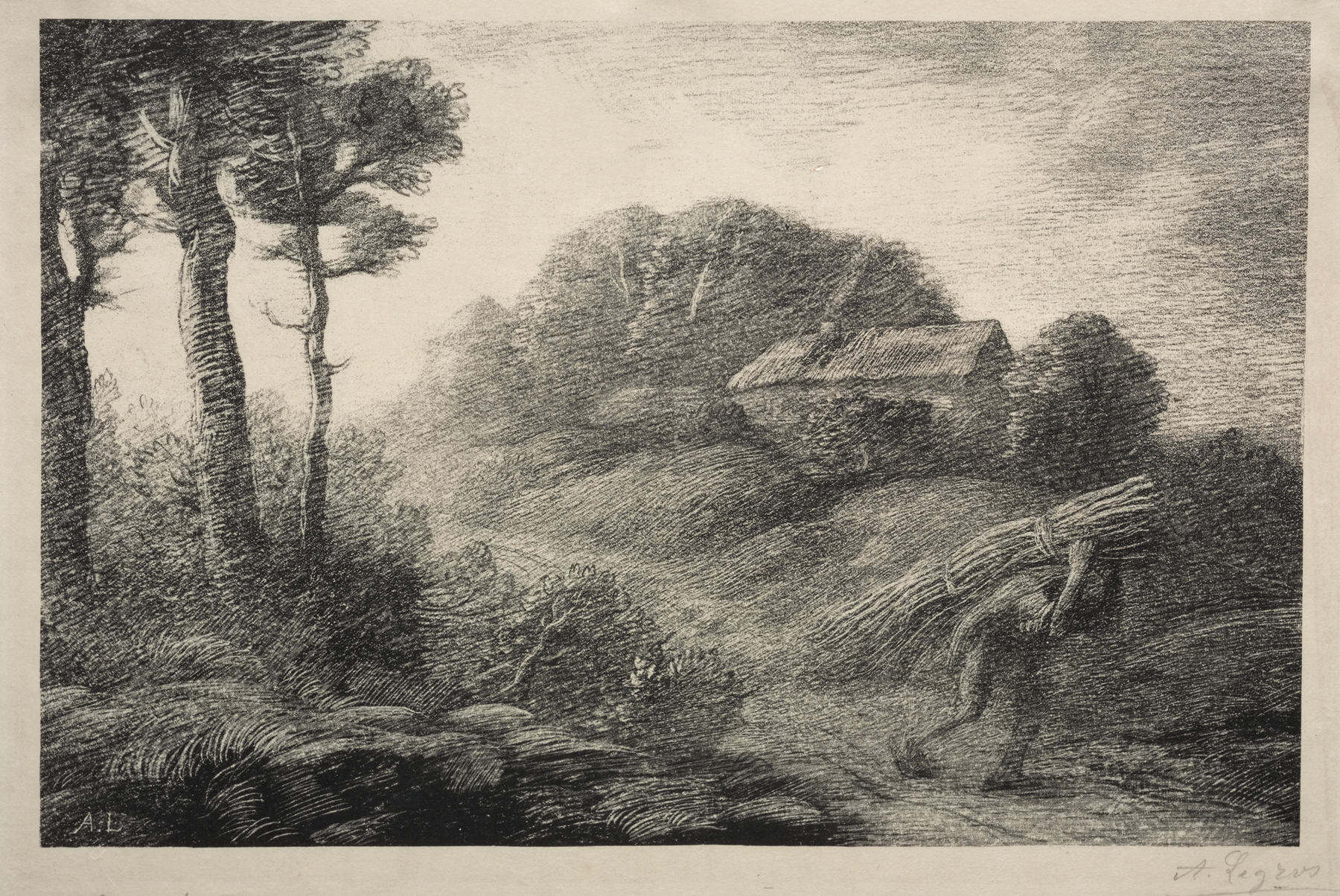
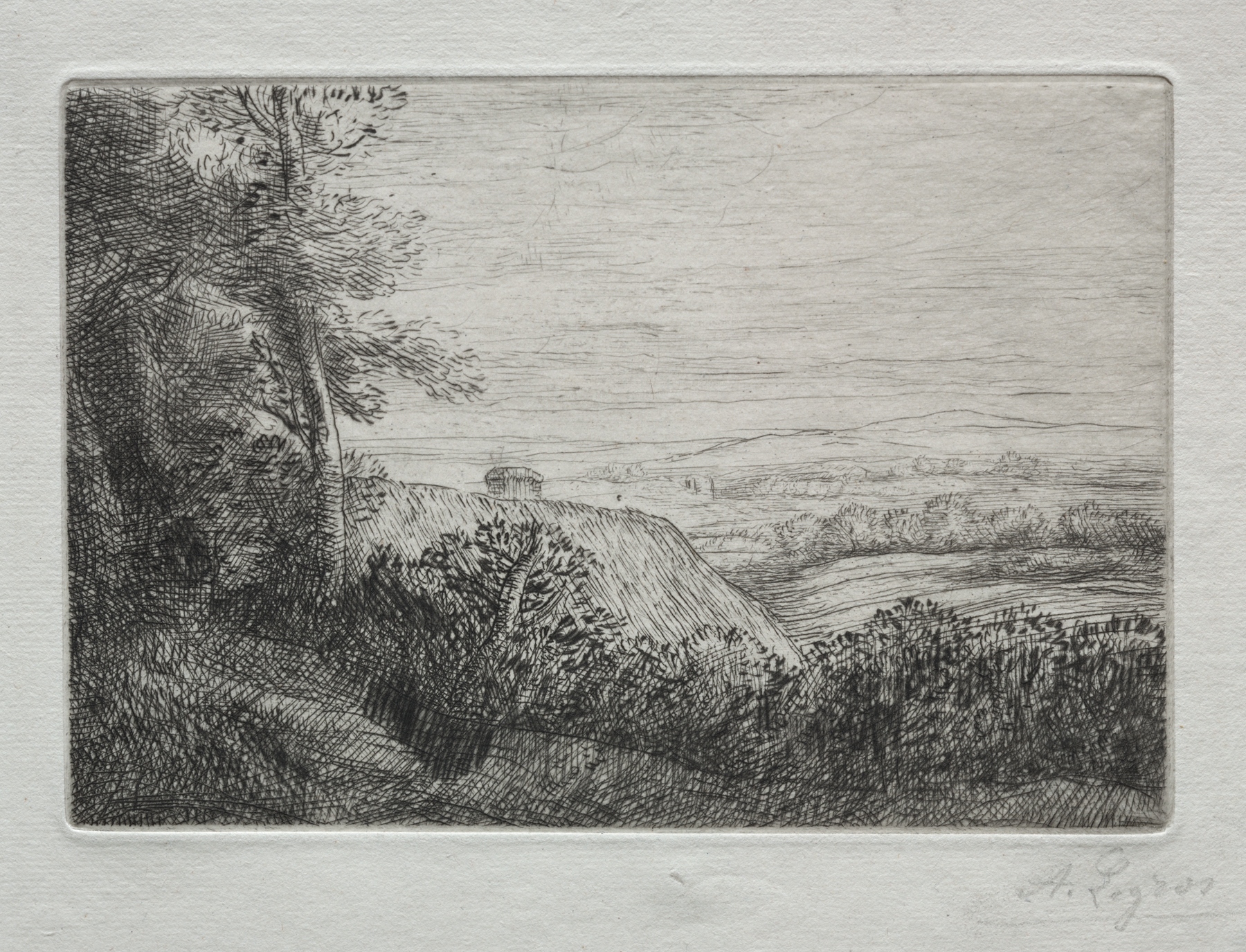
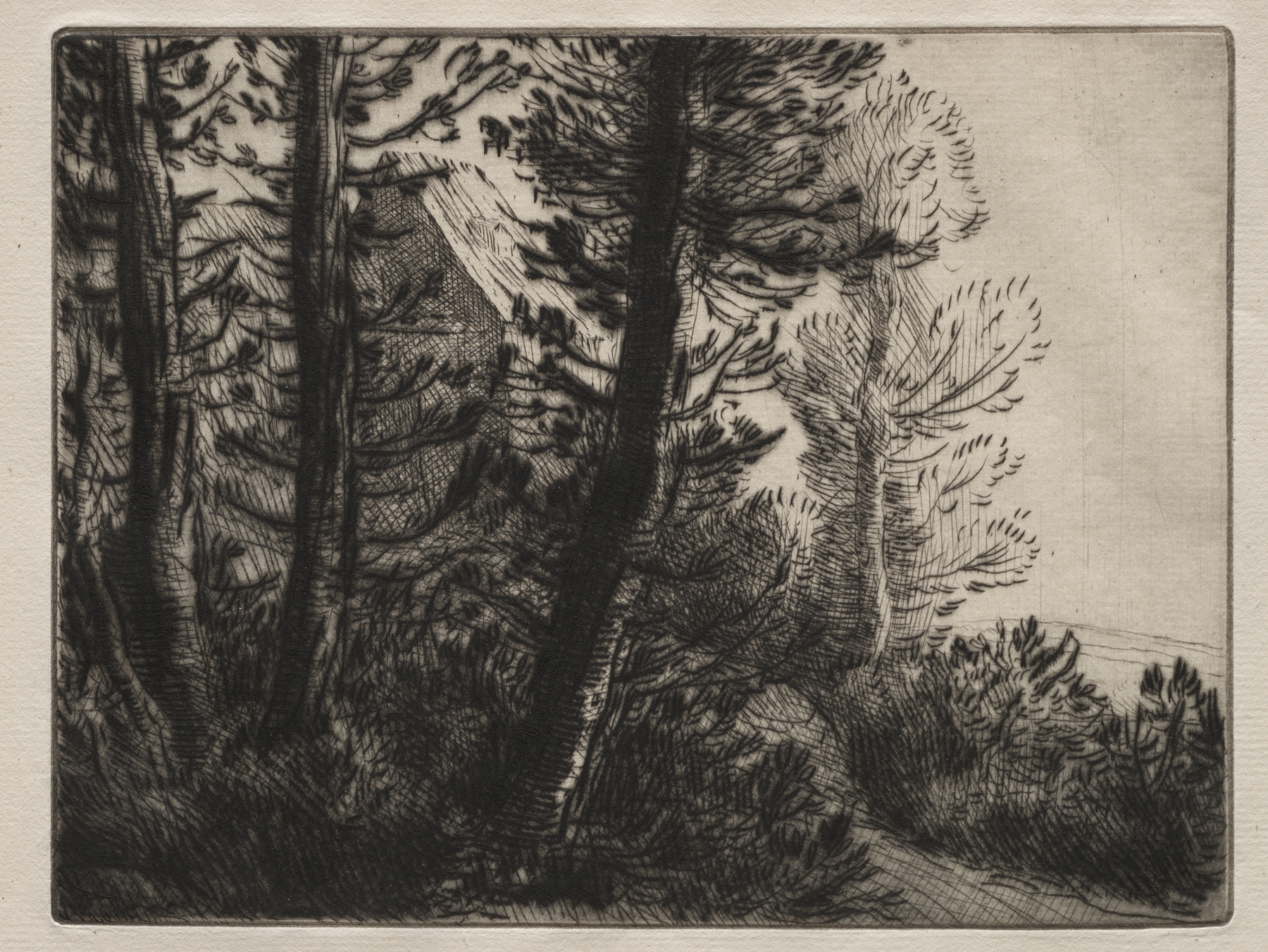
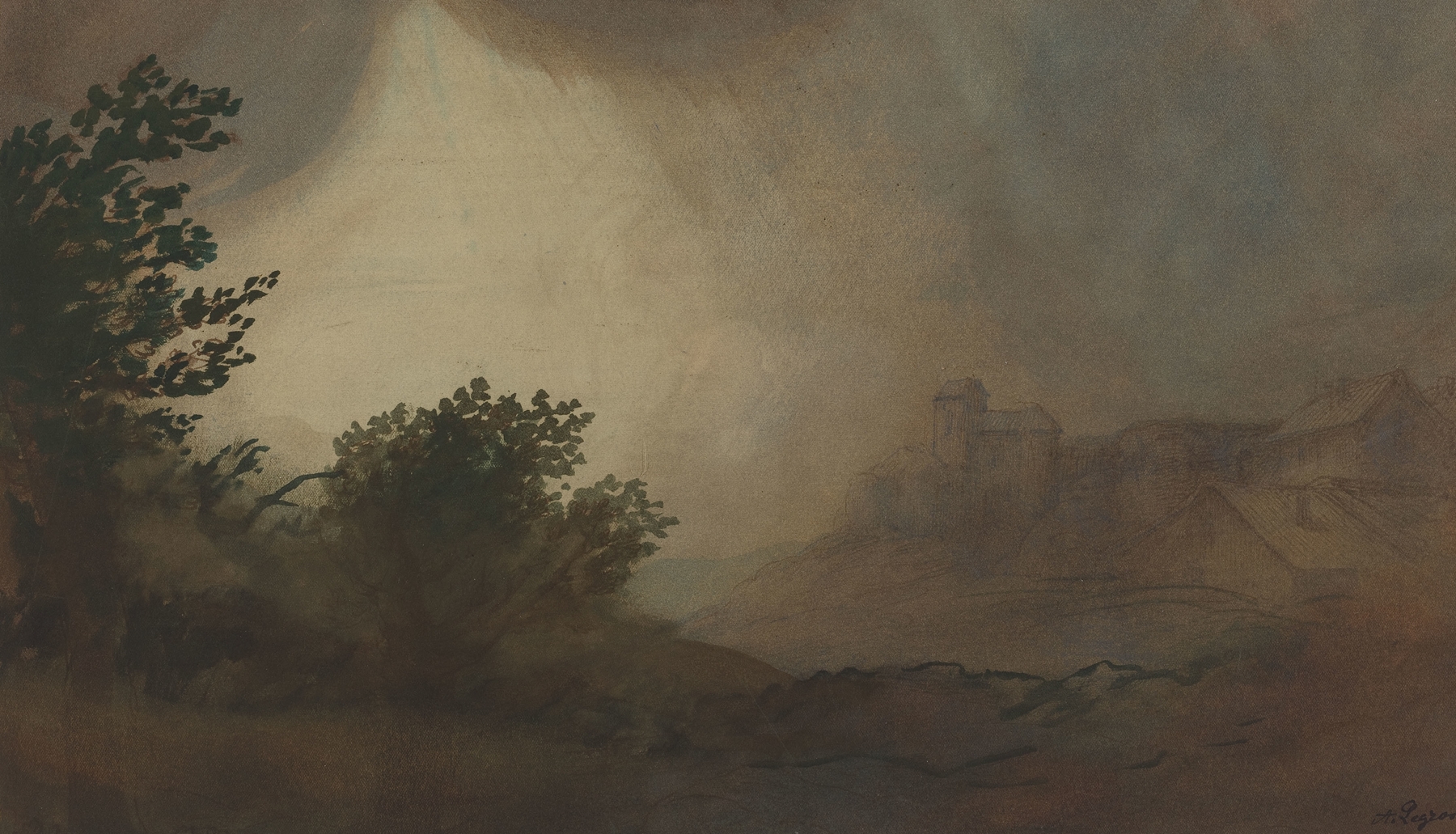
“Sometimes beauty is just pain, disguised in gold.” The quietude of The Abbey Farm encapsulates this sentiment, revealing layers of emotion beneath its pastoral veneer. Here, amid the gentle curves of the landscape, a deeper narrative unfolds—a tale of loss entwined with the serenity of nature. Look to the center where the farmhouse stands strong, its warm hues contrasting against the muted greens of the fields. Notice how soft light filters through the trees, casting a delicate glow that highlights the textured brushstrokes of Legros’ palette.
The composition is anchored by a winding path that draws the eye, leading the viewer through this pastoral scene, seamlessly blending human presence with the surrounding tranquillity. Beneath the surface, however, lies a poignant exploration of grief and nostalgia. The farm seems alive yet abandoned, a symbol of what once thrived. The looming sky, heavy with clouds, mirrors an internal turmoil, suggesting the fleeting nature of happiness.
This contrast between the idyllic landscape and the undercurrent of sorrow evokes a profound sense of longing, making us question the true cost of peace. In the early 1890s, Legros found himself in a personal and artistic transformation, having moved to England amid a community of expatriate artists. The Abbey Farm emerged during this period of reflection, as he sought to express the complexities of existence through his work. It reflects not only his mastery of technique but also a deeper commentary on life’s transience, resonating with a collective experience of grief and resilience in the face of change.