The Banks of the Thames, Opposite Pope’s Villa — History & Analysis
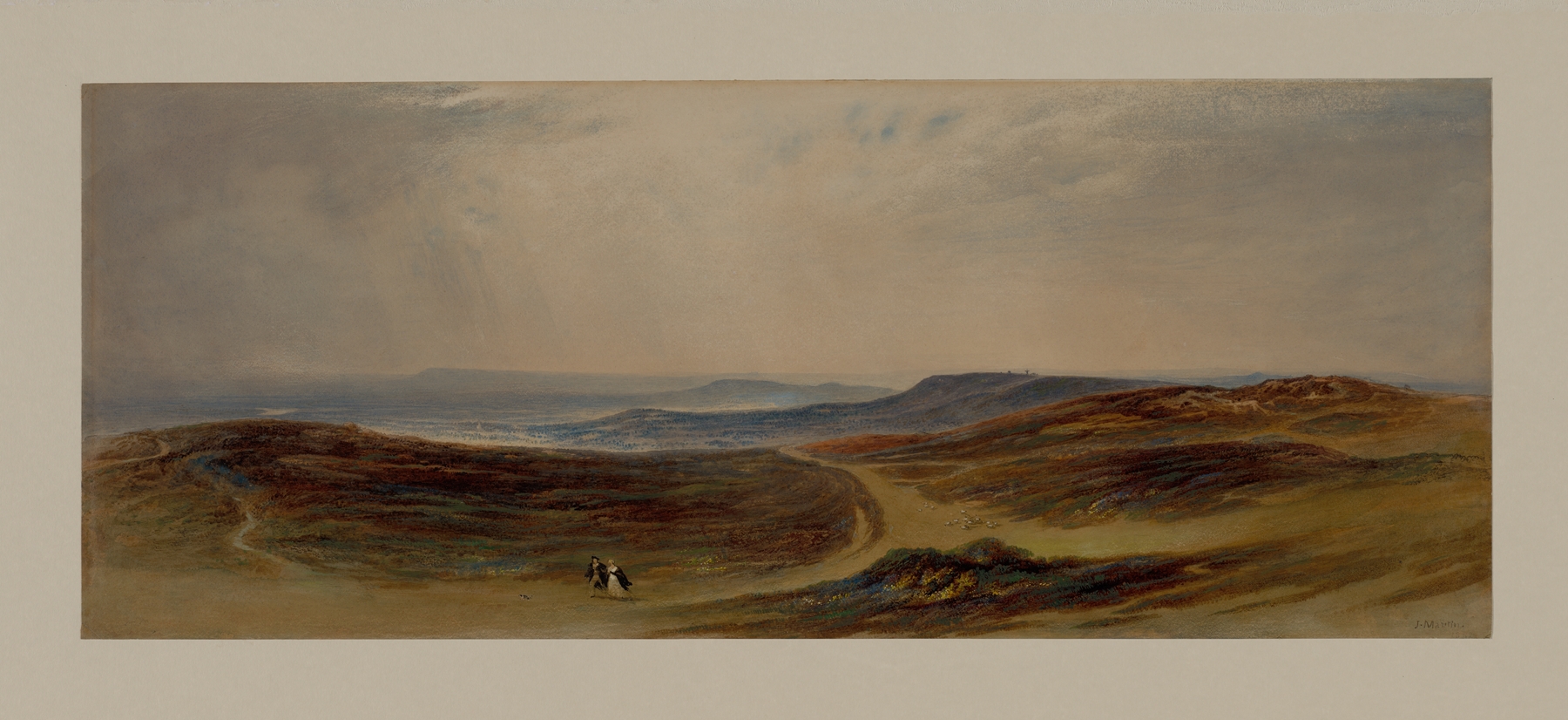
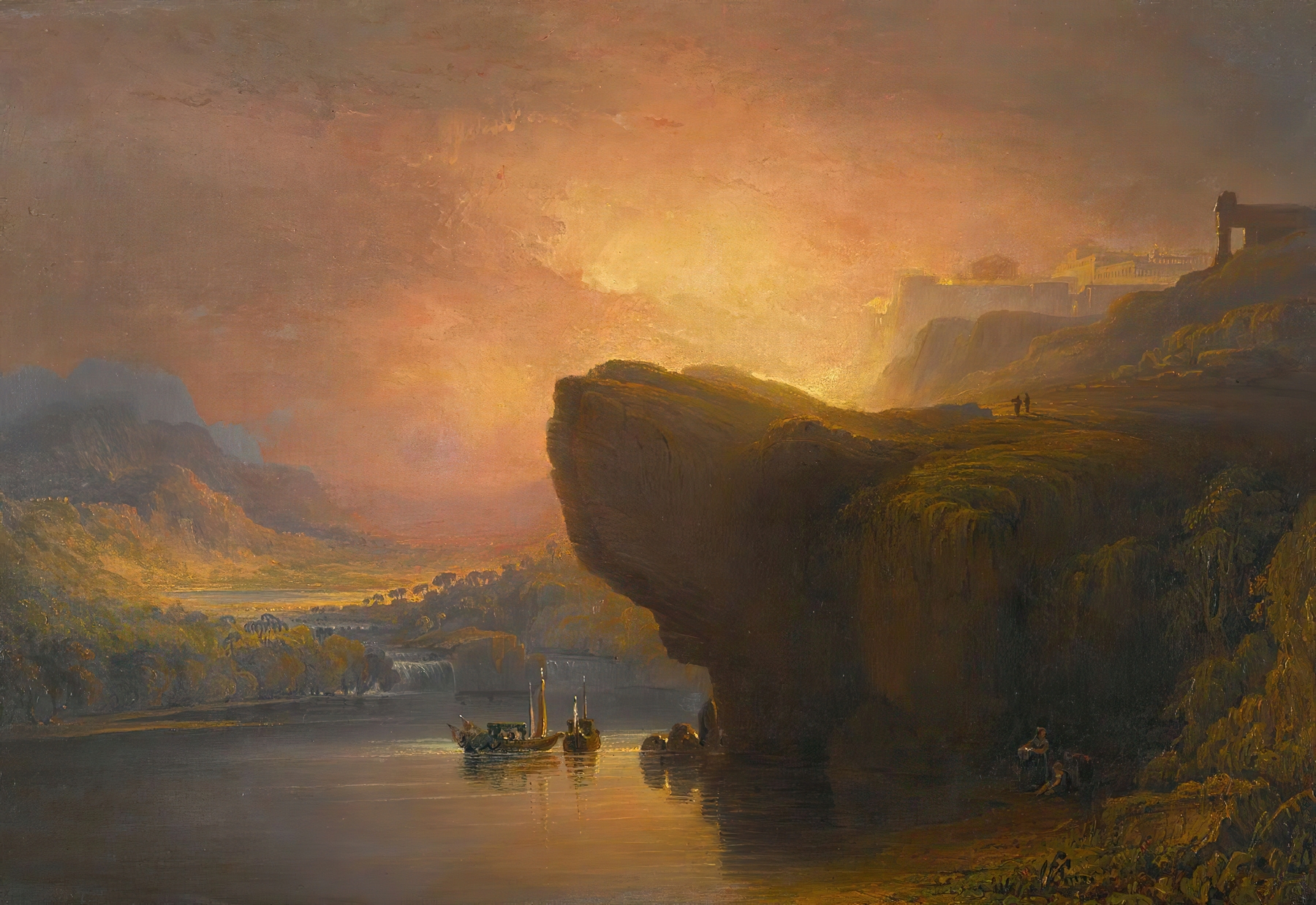
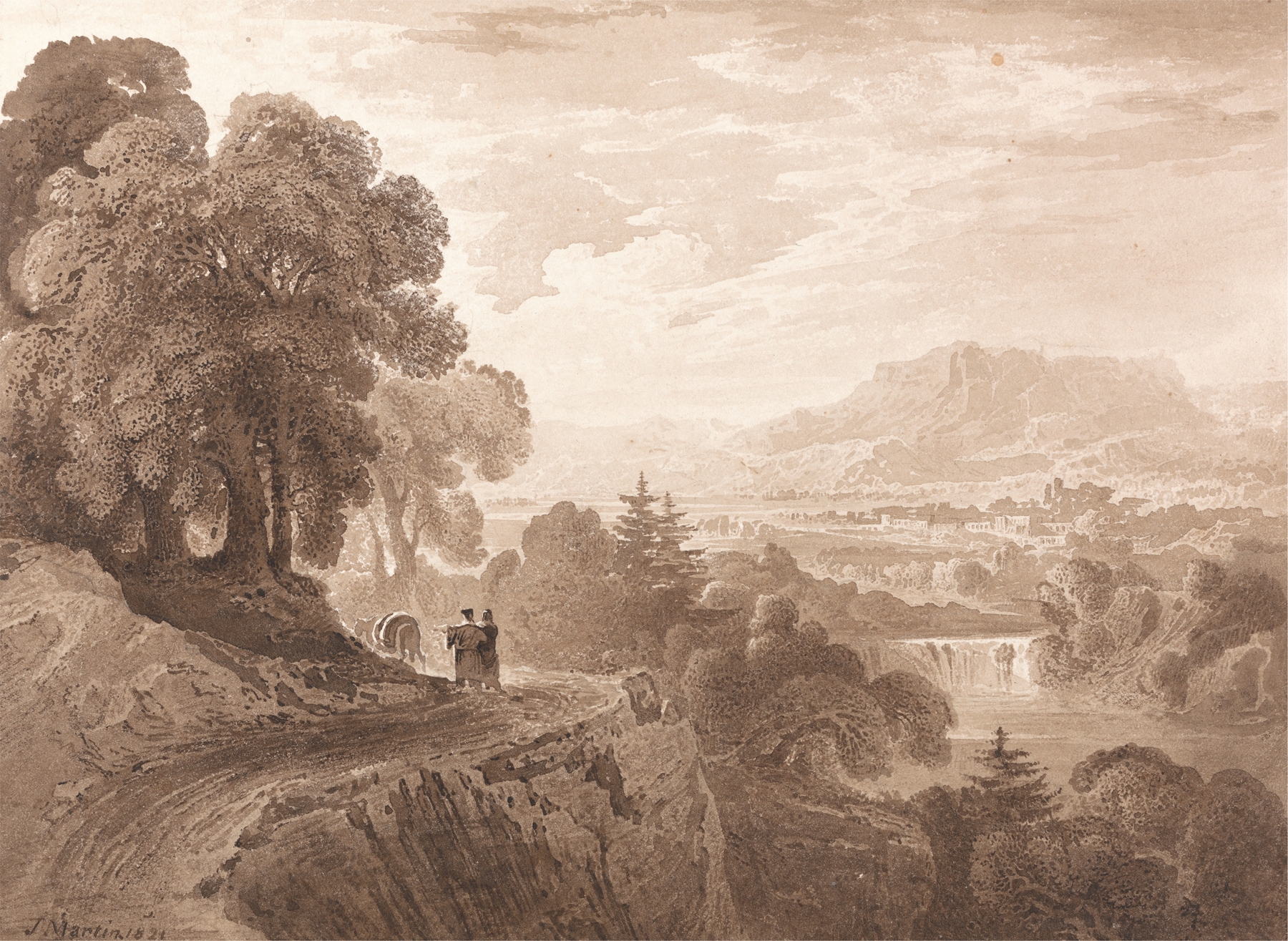
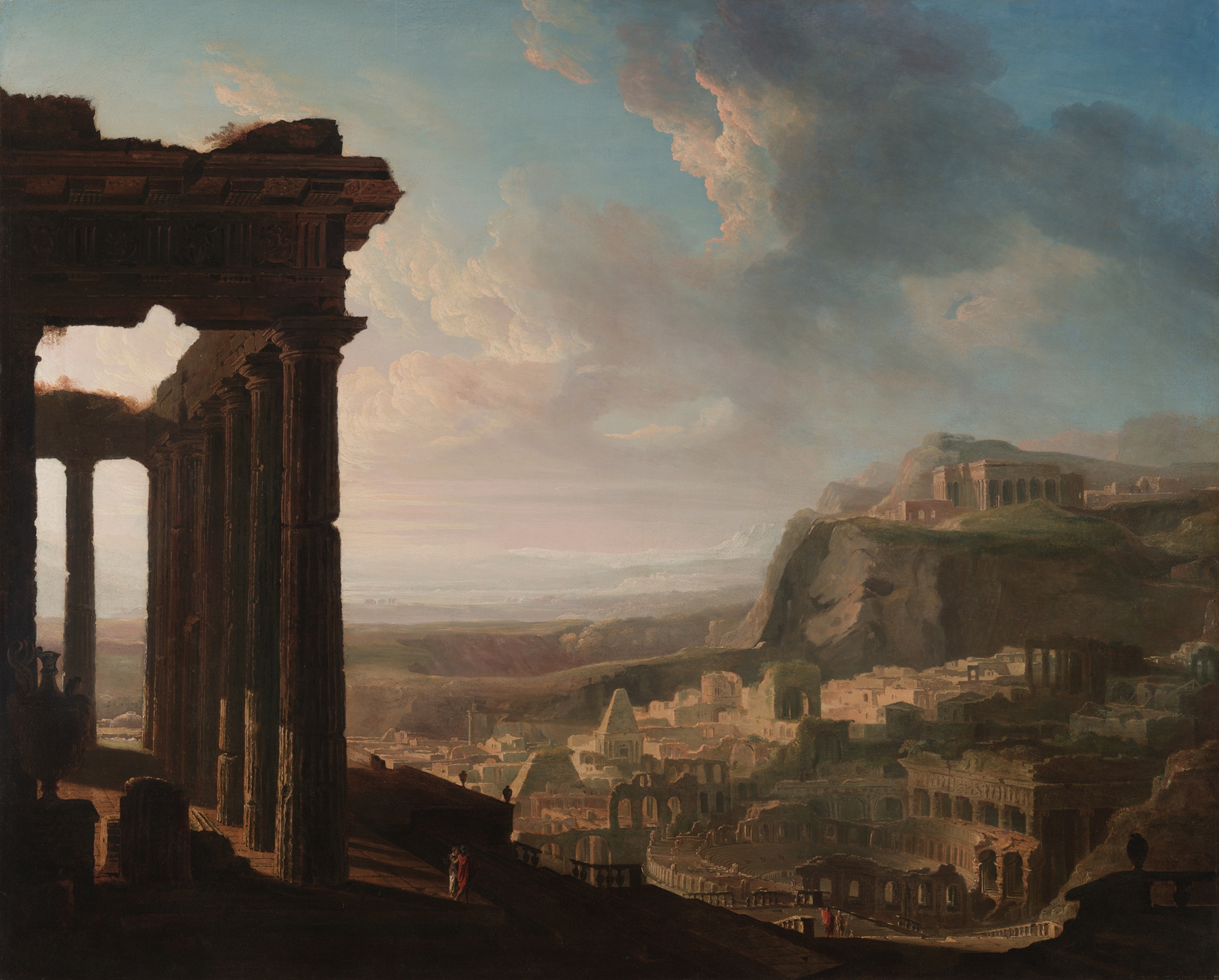
“Art reveals the soul when the world turns away.” In the gaze of John Martin’s The Banks of the Thames, Opposite Pope’s Villa, we confront the quiet obsession of nature and civilization, intertwining in a delicate dance of light and shadow. Look to the left where the gentle flow of the river curves, winding its way through the verdant landscape. The muted greens of the foliage contrast beautifully with the vibrant blues of the sky, while the soft, golden light bathes the scene in an ethereal glow. Your eyes are drawn to the delicate brushstrokes that create a sense of movement in the water, hinting at life just beneath the surface—a subtle reminder of unseen currents that echo the heartbeat of the world.
Yet, within this serene tableau lies an undercurrent of tension. The juxtaposition of the tranquil river and the looming structure of Pope's Villa speaks to the conflict between nature’s beauty and humanity’s encroachment. The lush greenery, vibrant with life, stands in contrast to the rigid, geometric lines of architecture, suggesting an obsession with mastery over the natural world—a theme that resonates deeply in Martin’s oeuvre and invites contemplation on our relationship with the environment.
In 1850, during a period of significant social and industrial upheaval in England, Martin painted this piece while grappling with his own artistic ambitions. Living in a rapidly changing world where nature was often overshadowed by industrial progress, he sought to capture the sublime within his landscapes. This work reflects not only his personal vision but also the broader artistic movement, as Romanticism embraced the parallels between human emotions and the power of nature.