The Brook, Greenwich, Connecticut — History & Analysis
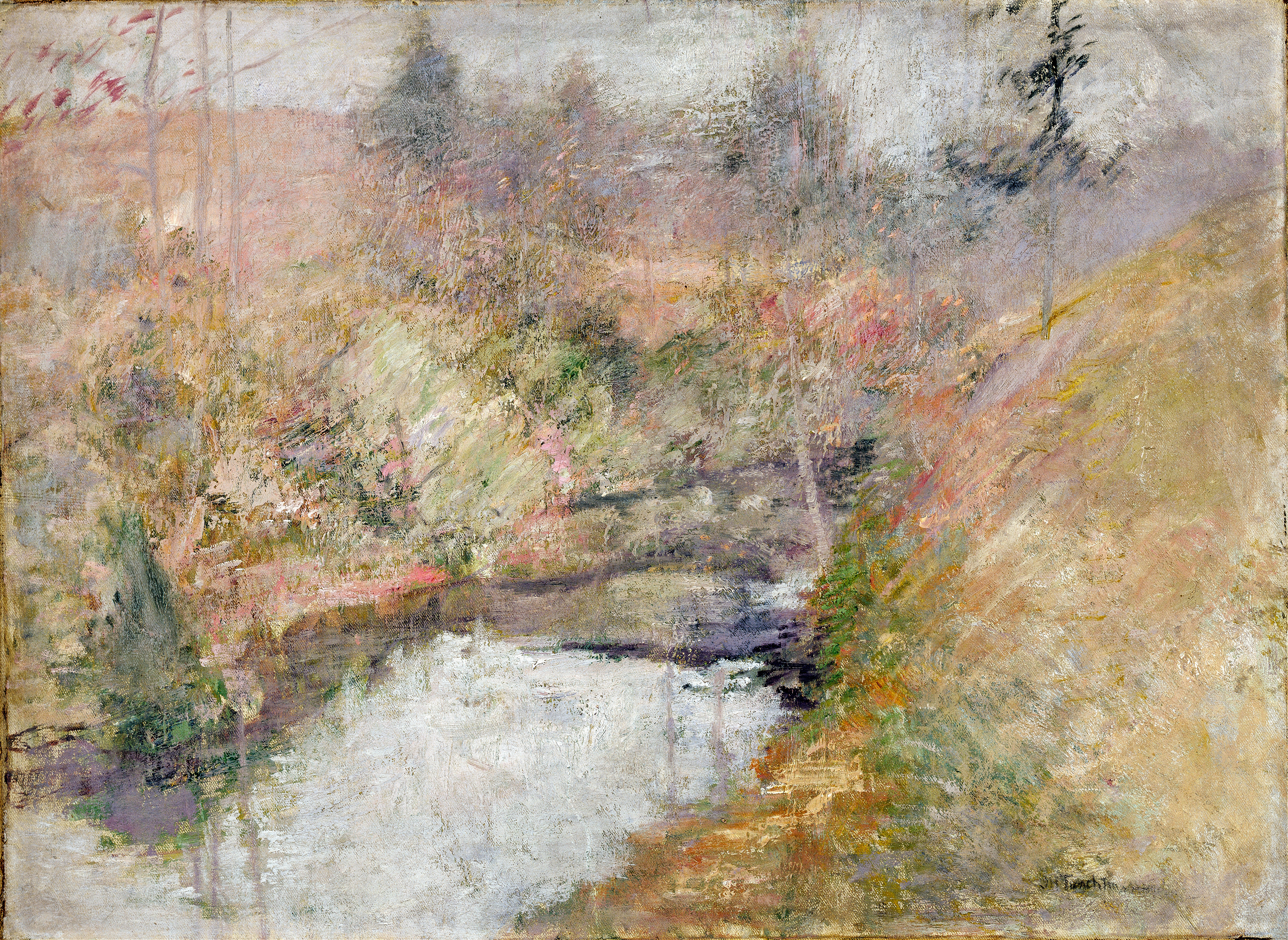
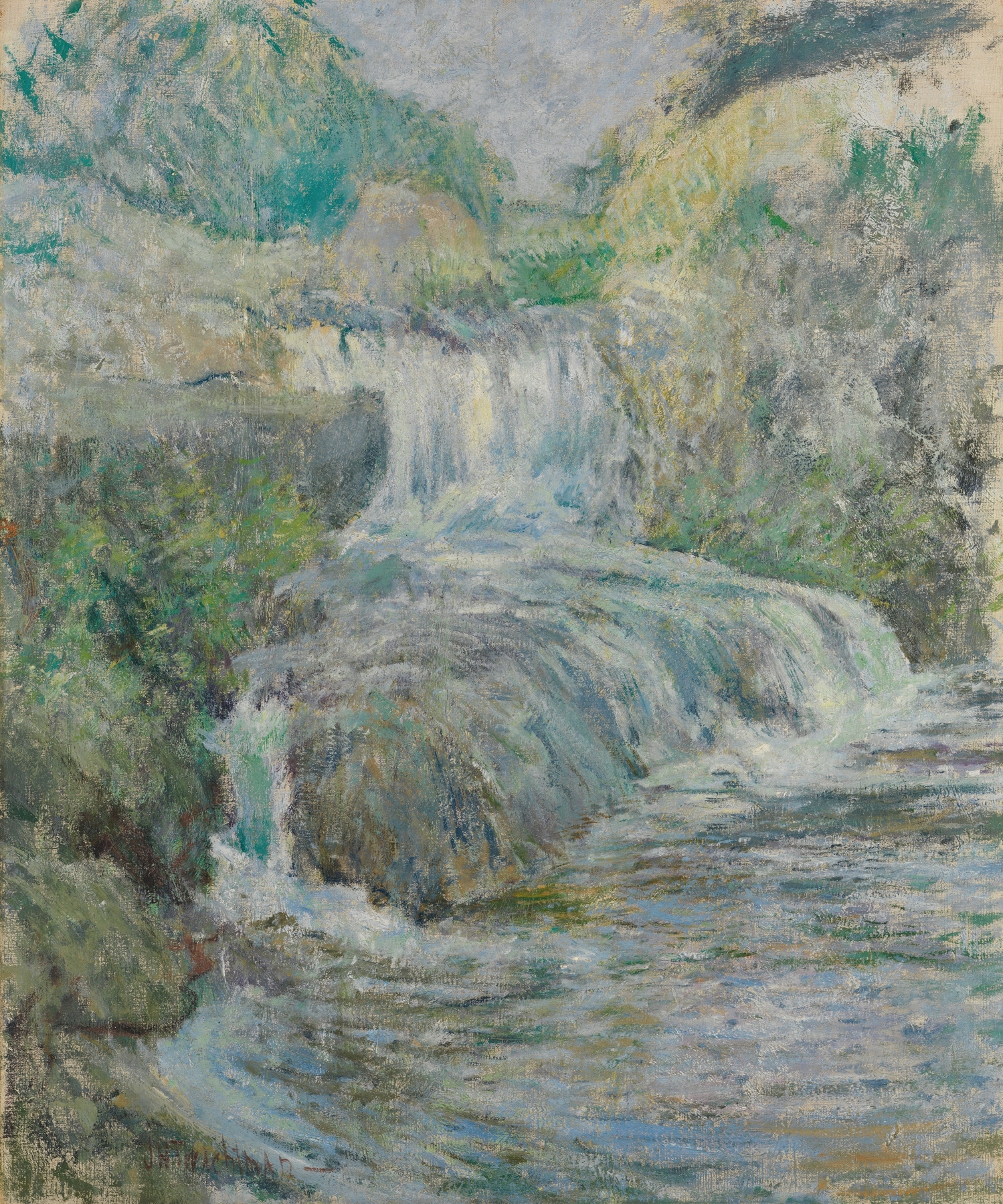
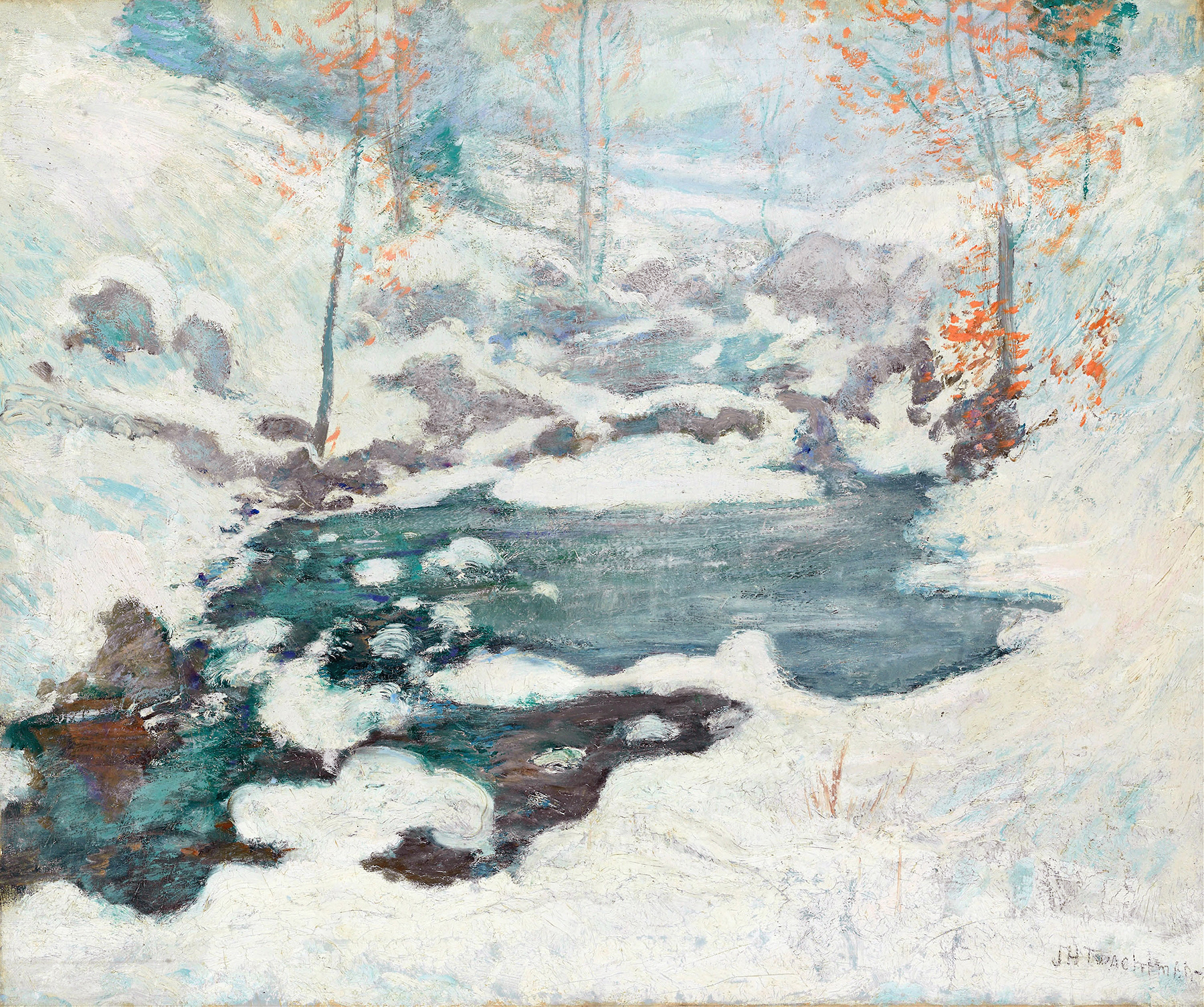
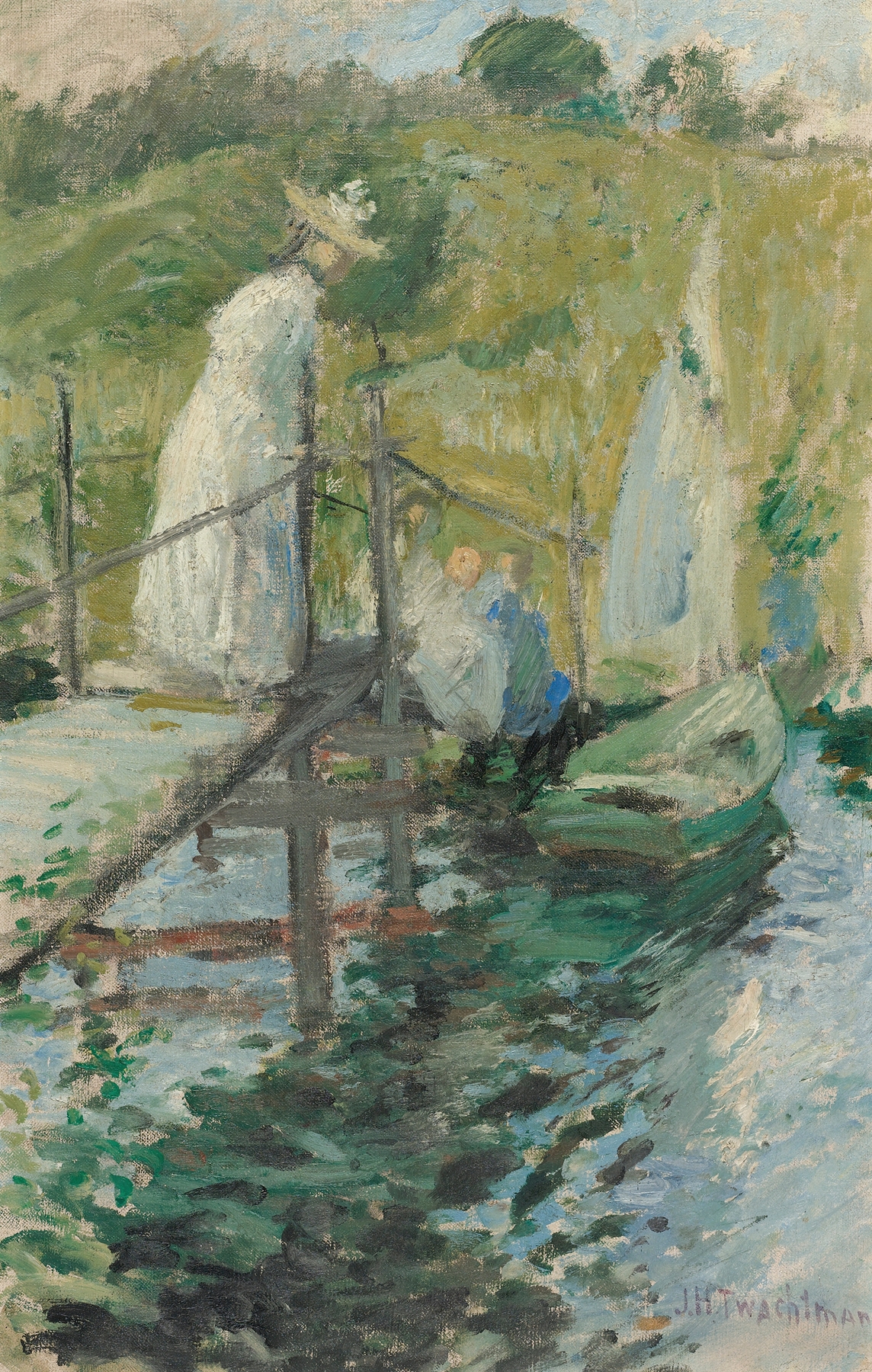
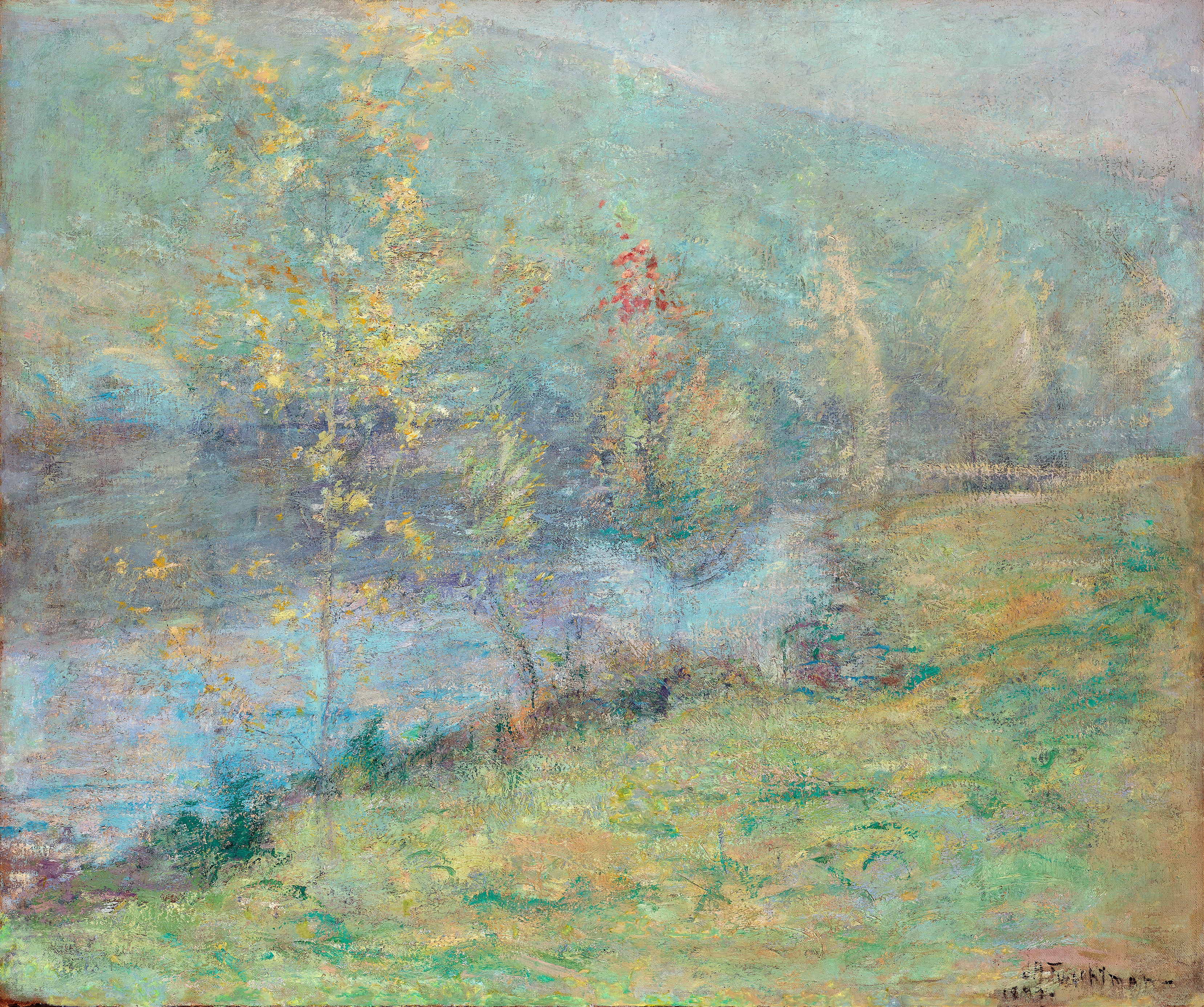
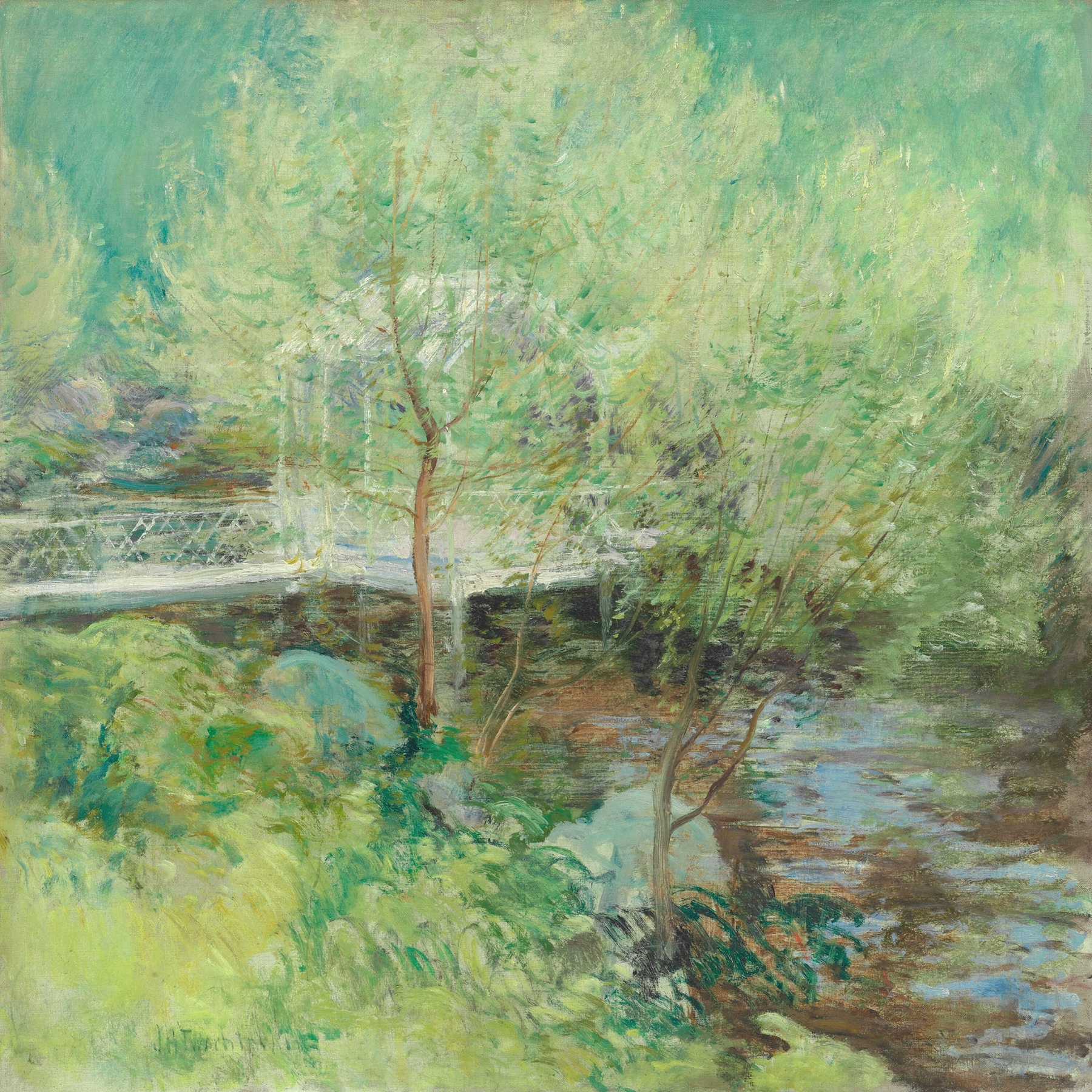
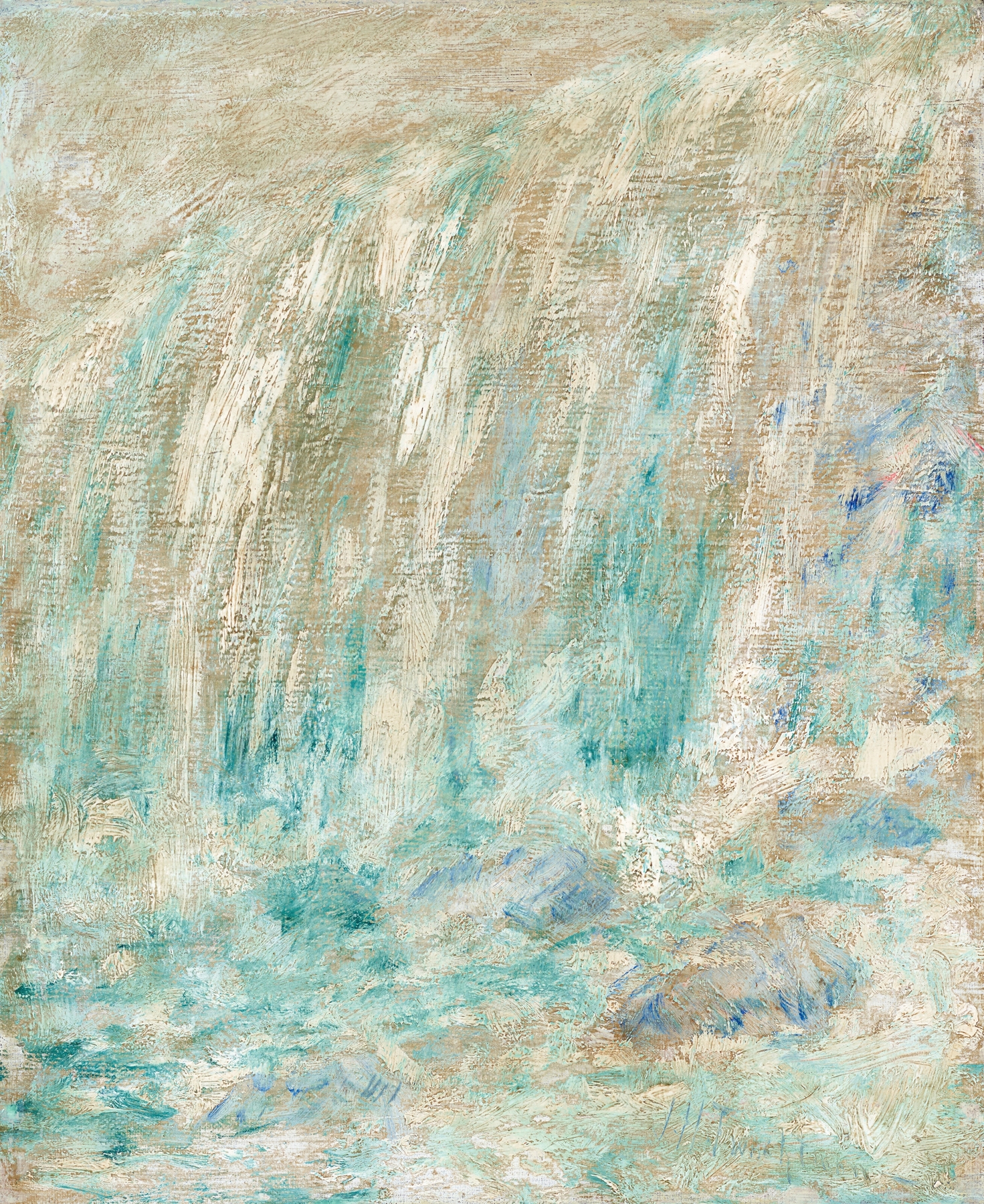
“The canvas doesn’t lie — it simply waits.” In the stillness of nature, the brushstrokes breathe life into a moment that captures both peace and longing, a whisper of hope in every hue. Focus first on the gentle curve of the brook that flows through the composition, its delicate blues and greens mirroring the surrounding foliage in a harmonious embrace. The dappled sunlight dances on the water's surface, a shimmering reflection that invites you deeper into the scene. Notice the subtle variations in the color palette, with soft whites and rich emeralds blending seamlessly, creating an atmosphere that feels both tranquil and alive.
Hidden within the intricate details lies a poignant tension — the interplay of light and shadow suggests the passage of time, while the lush vegetation hints at the resilience of nature. The viewer can sense a yearning for the serenity that the brook embodies, contrasting with the hustle of life beyond this serene moment. Each brushstroke is a testament to longing, as if the landscape itself holds its breath, waiting for a future filled with promise.
During the creation of The Brook, Greenwich, Connecticut, Twachtman was immersed in the American Impressionism movement, exploring the nuances of light and nature. Painted in the late 19th century, this work reflects his deep connection to the landscapes around him, especially during his years in Connecticut, where he sought to capture fleeting moments of beauty in a rapidly changing world. The painting stands as a reminder of hope amid the complexity of life.