The Curfew — History & Analysis
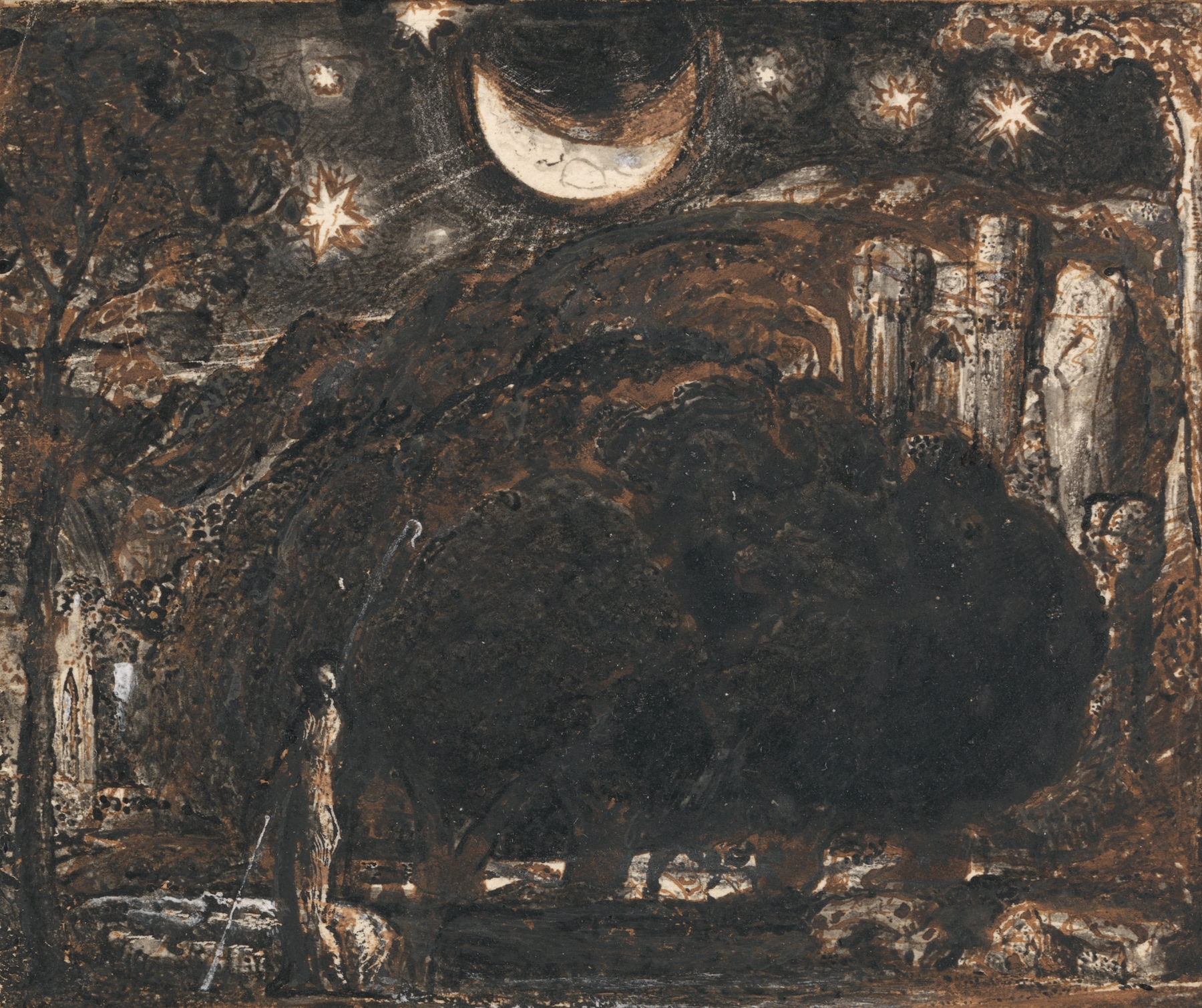
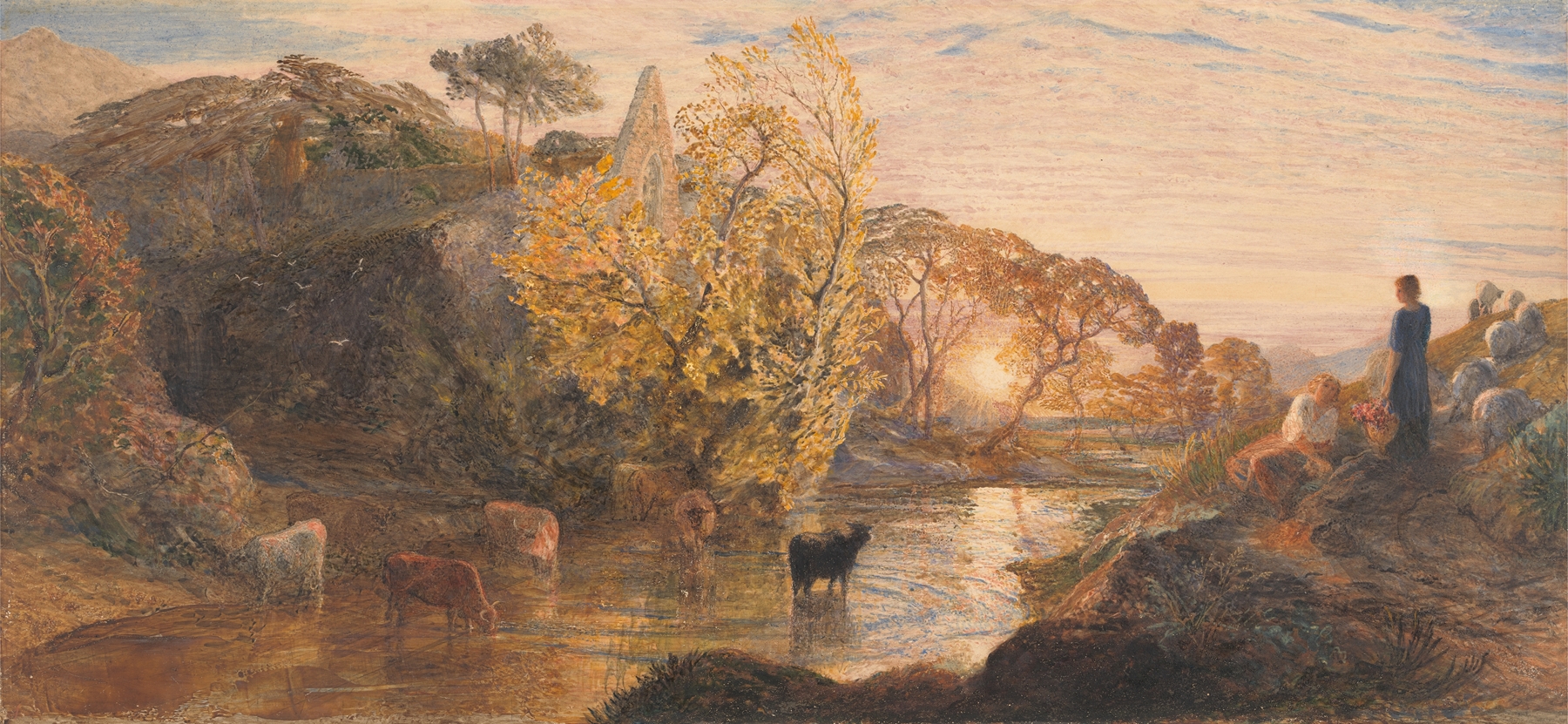
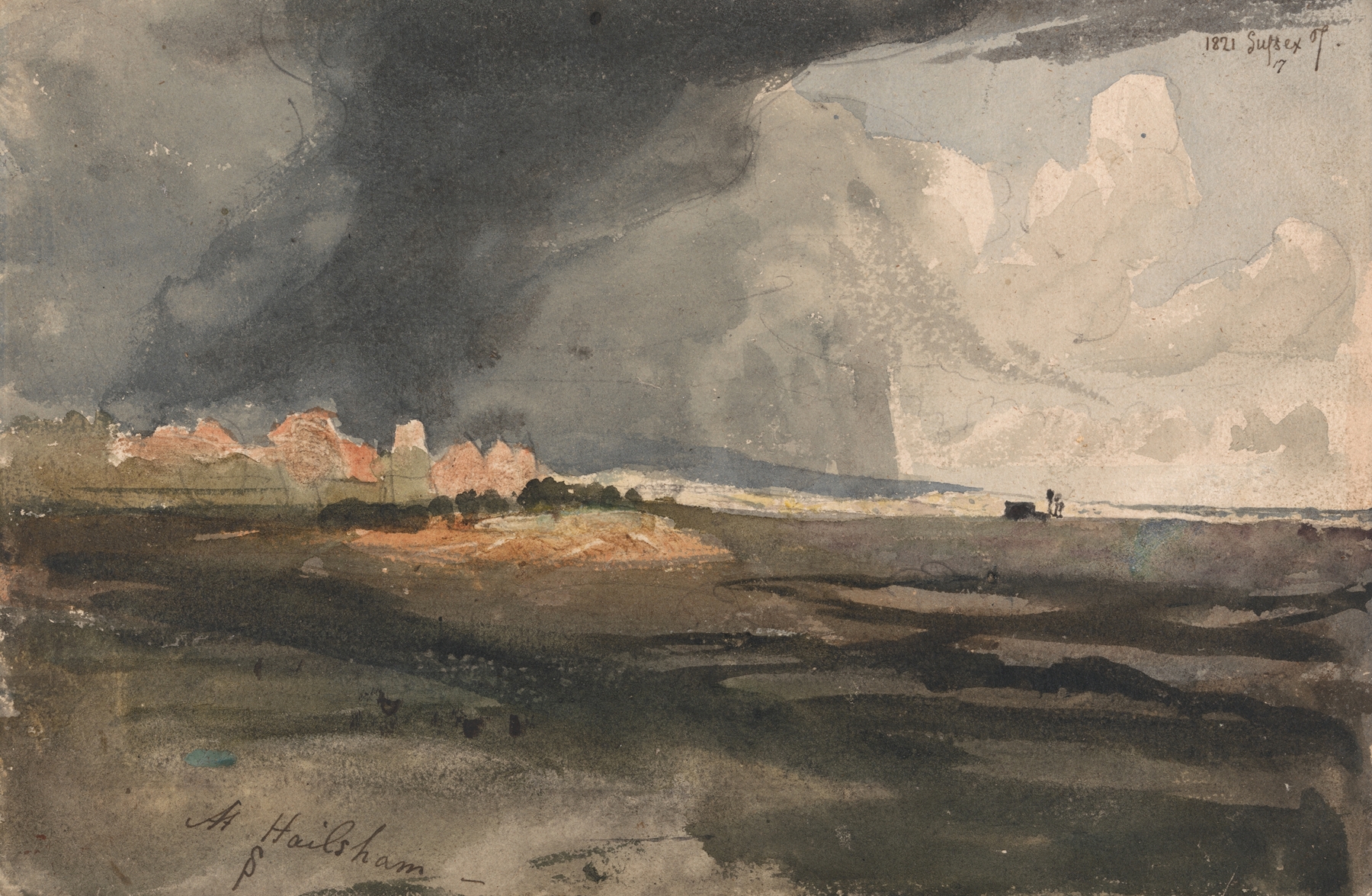
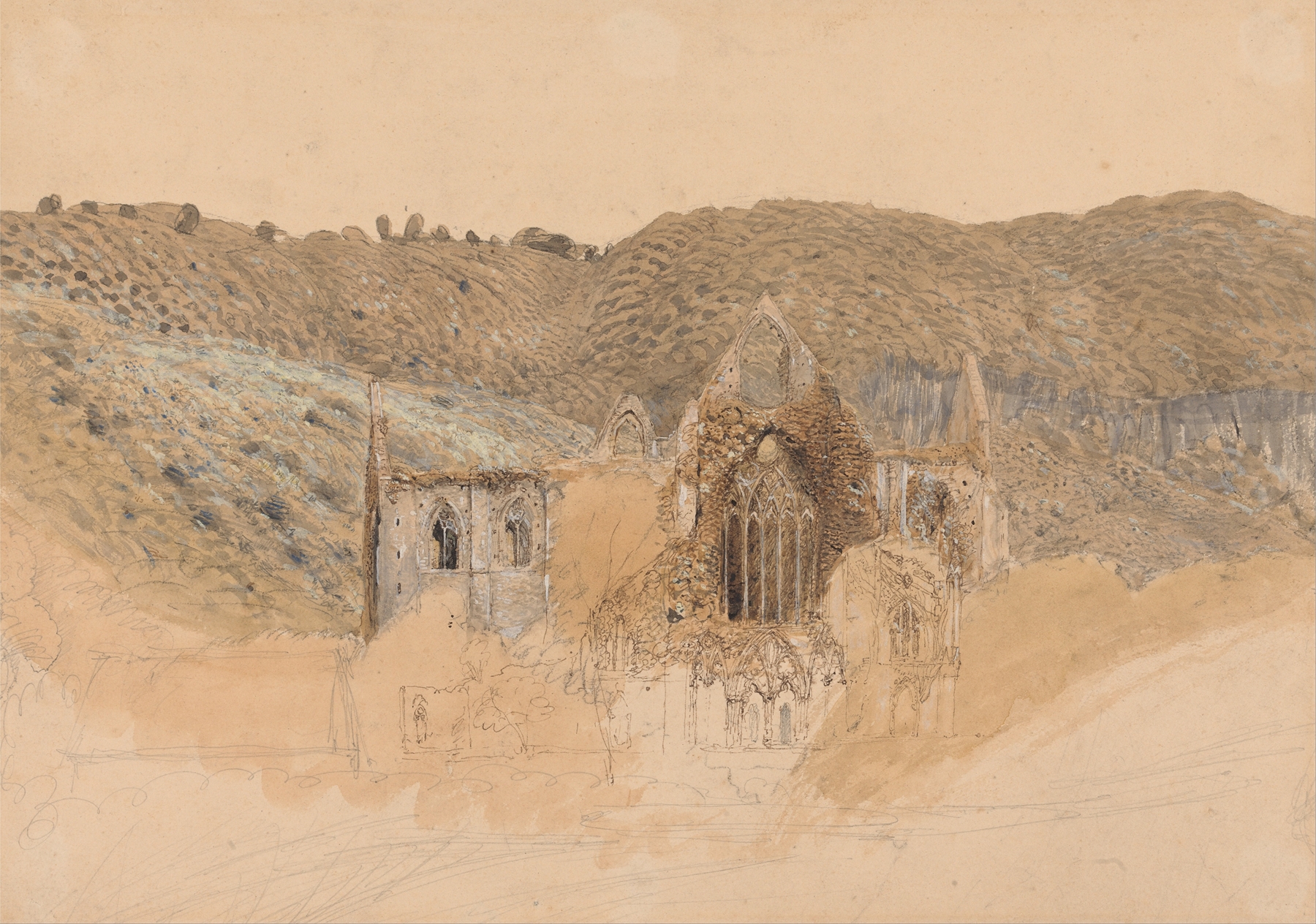
Can paint confess what words never could? In The Curfew, a haunting vision of twilight emerges, revealing whispers of decay and the passage of time. Focus first on the horizon, where the fading light clings to the remnants of a desolate landscape. The deep blues and ochres create a palpable tension, as shadows stretch and mingle with the last vestiges of day. Notice how the trees, skeletal and gnarled, stand guard over the scene like forgotten sentinels, their forms almost dissolving into the encroaching darkness.
This contrast between light and shadow conveys both a serene beauty and an underlying melancholy, inviting the viewer to linger in that liminal space. Look closely at the foreground, where the small, crumbling structure suggests human presence but speaks of abandonment. The delicate interplay of nature reclaiming man-made forms hints at the inevitability of decay. Each brushstroke carries weight, illustrating the fragility of existence while simultaneously evoking the quiet dignity of that inevitable decline.
The muted palette reflects a world caught between the vibrancy of life and the somber grasp of twilight, amplifying the emotional resonance of the painting. In 1870, the artist painted The Curfew during a period of personal introspection, marked by deep reflection on life and death. Palmer, influenced by the Romantic movement and his own experiences in rural England, sought to convey the spiritual essence of the landscape. This piece aligns with his exploration of nature's beauty and transience, bridging the gap between visual art and the emotional depth of human experience.