The Doge’s Palace, Venice — History & Analysis
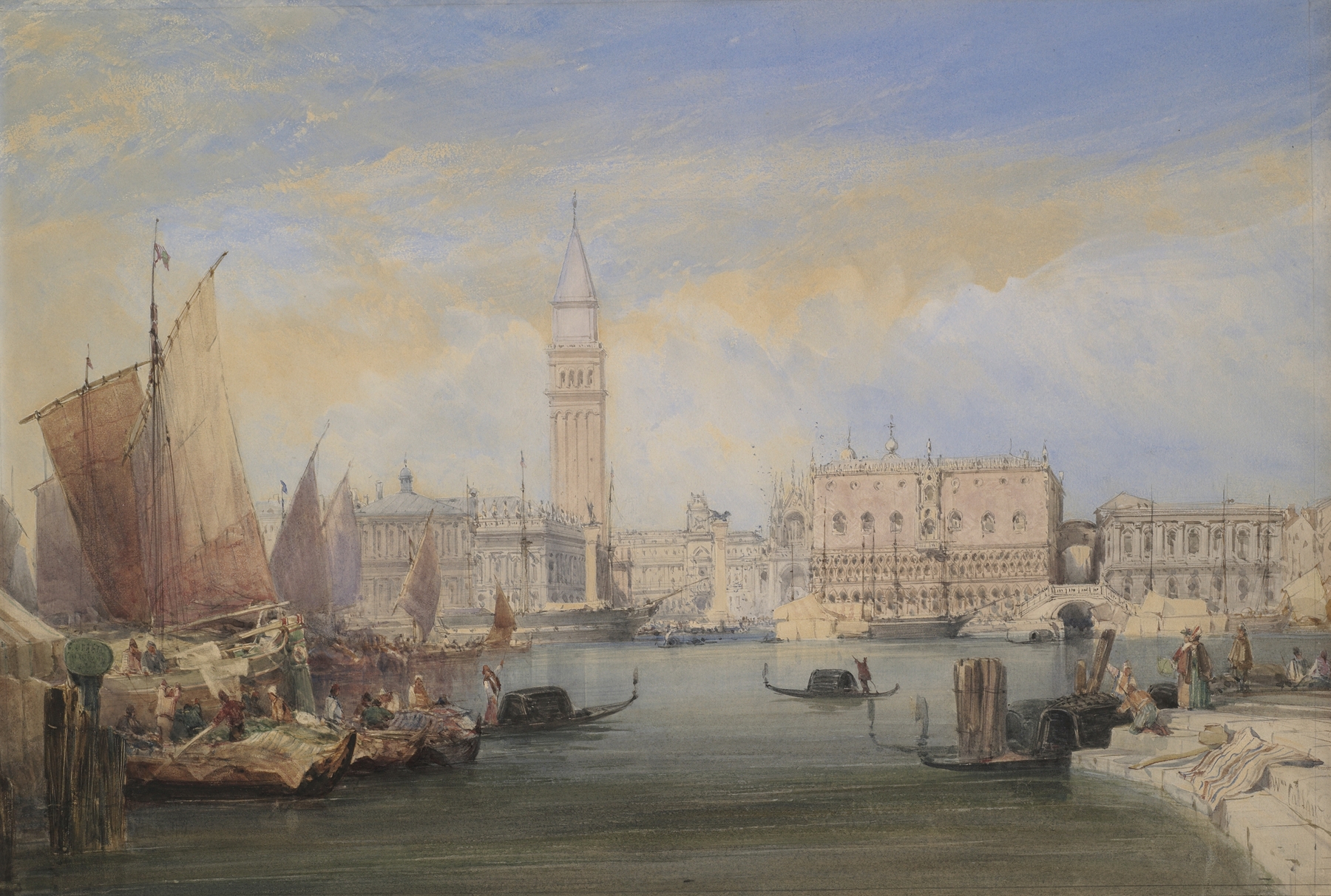
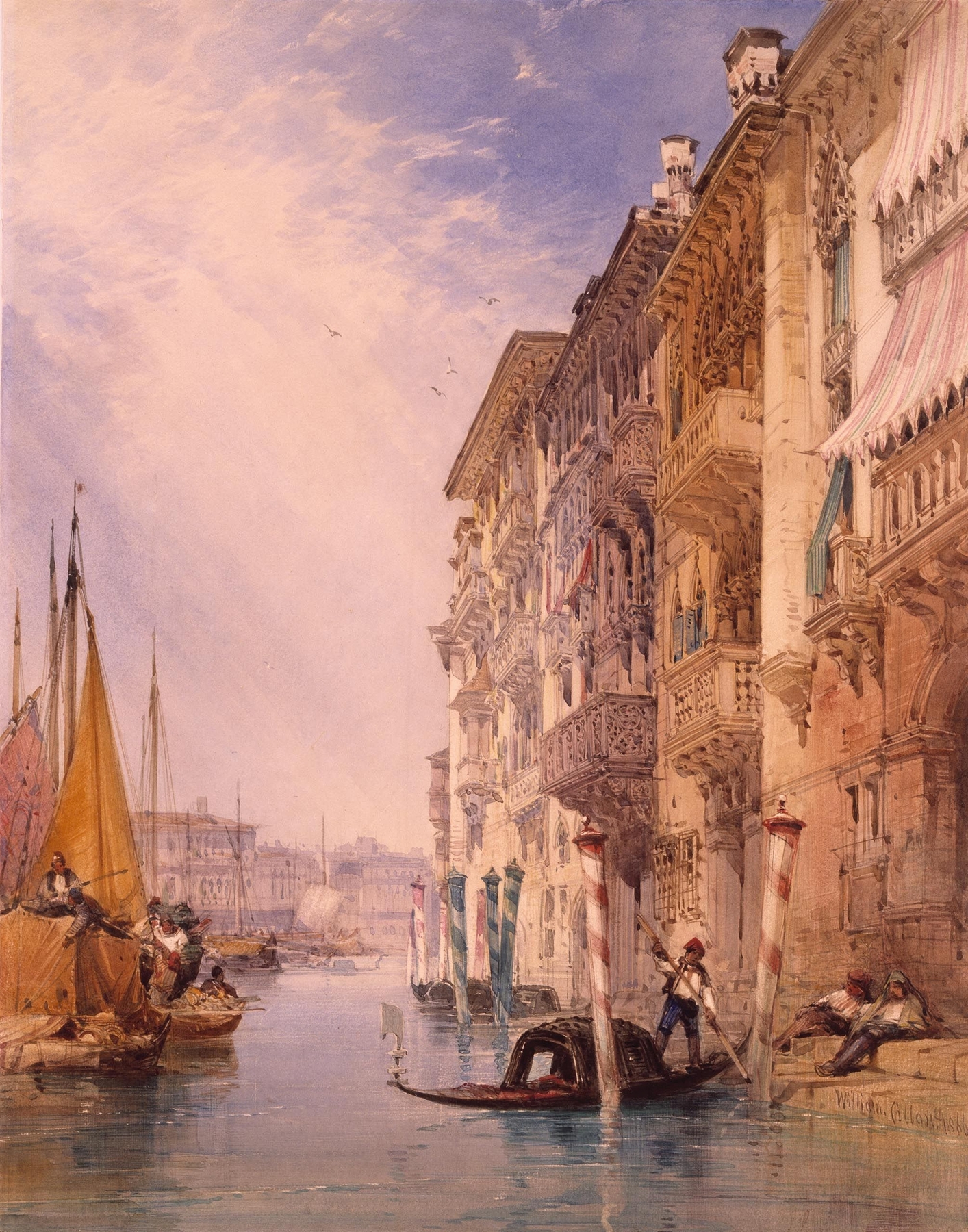
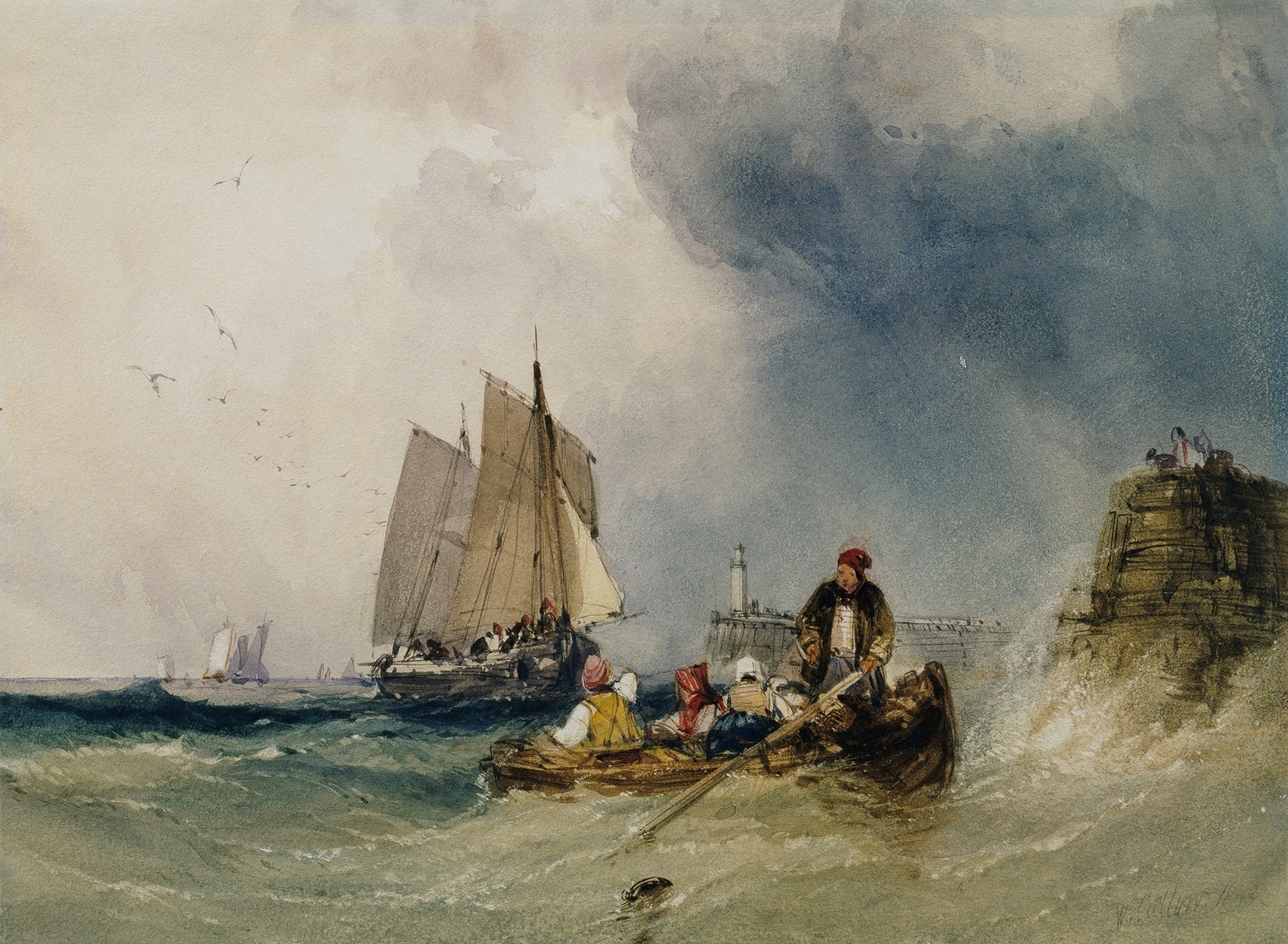
Can paint confess what words never could? In a world where dreams intertwine with reality, a fleeting glimpse into Venice’s heart emerges, inviting us to wander through its enchanting canals. Look to the left at the elegant façade of the Doge’s Palace, its intricate Gothic architecture bathed in a warm, golden light. The artist employs soft brushstrokes that blend seamlessly into one another, creating a dreamlike quality that envelops the viewer. Notice how the high arches and delicate carvings stand in stark contrast to the flowing waters below, capturing a moment where the immovable structure meets the fluidity of the lagoon.
The pastel colors evoke a sense of nostalgia, inviting you to lose yourself in the tranquility of this iconic scene. Beneath the surface, the painting resonates with the tension between permanence and transience. The palace, a symbol of power and wealth, stands proud yet is reflected in the rippling water, reminding us that even the grandest monuments are subject to change. The gentle waves whisper secrets of time, as the light dances upon the surface, suggesting a fleeting moment of beauty.
This duality echoes a deeper theme of Venice itself—a city that thrives as a dream yet is vulnerable to the passage of time. In 1874, the artist captured this scene while living in London, having already become enamored with the landscapes of Italy. The mid-19th century art world was marked by the rise of Impressionism, but Callow’s work reflects a dedication to classical techniques and romantic visions. The serene quality of this piece showcases his talent for evoking emotion and longing, offering a glimpse into a city that continues to inspire reverie.