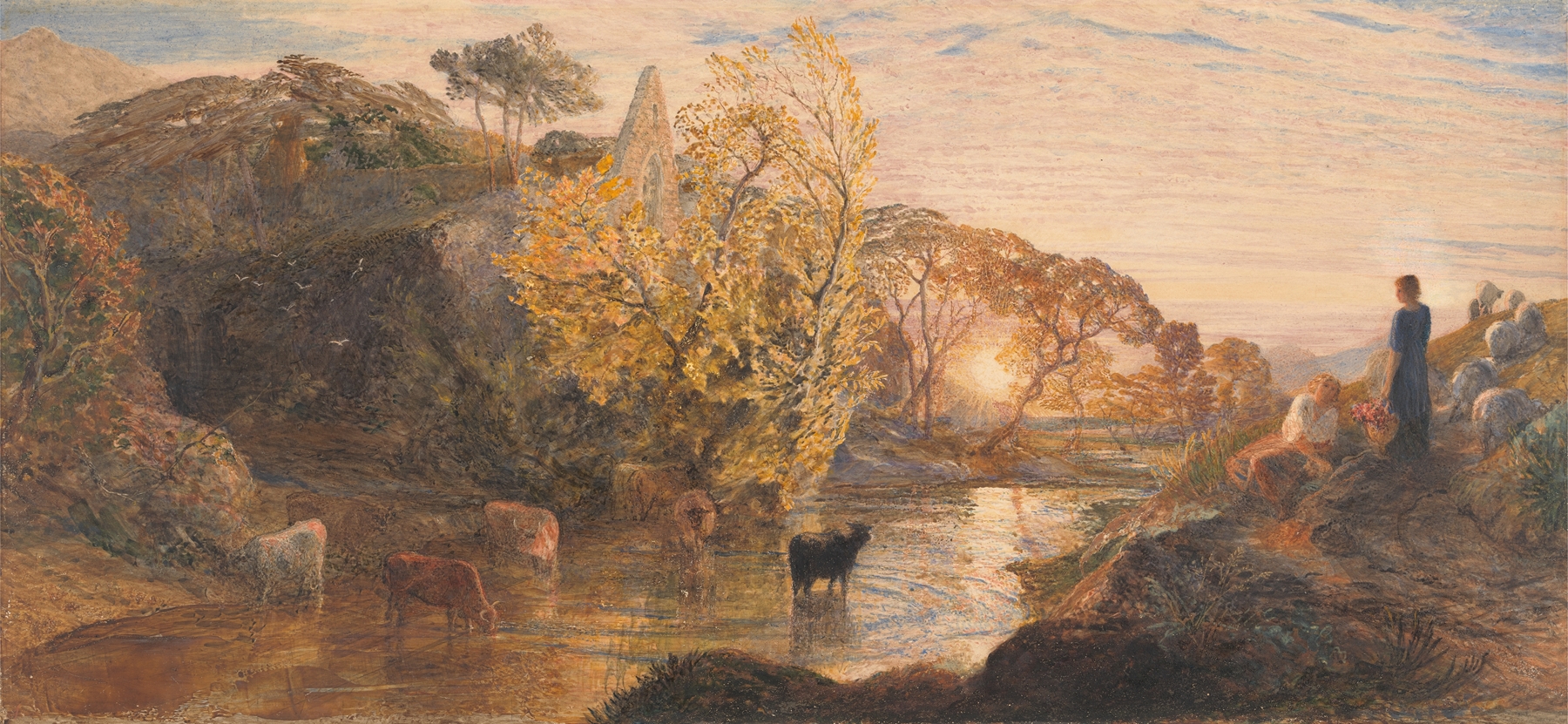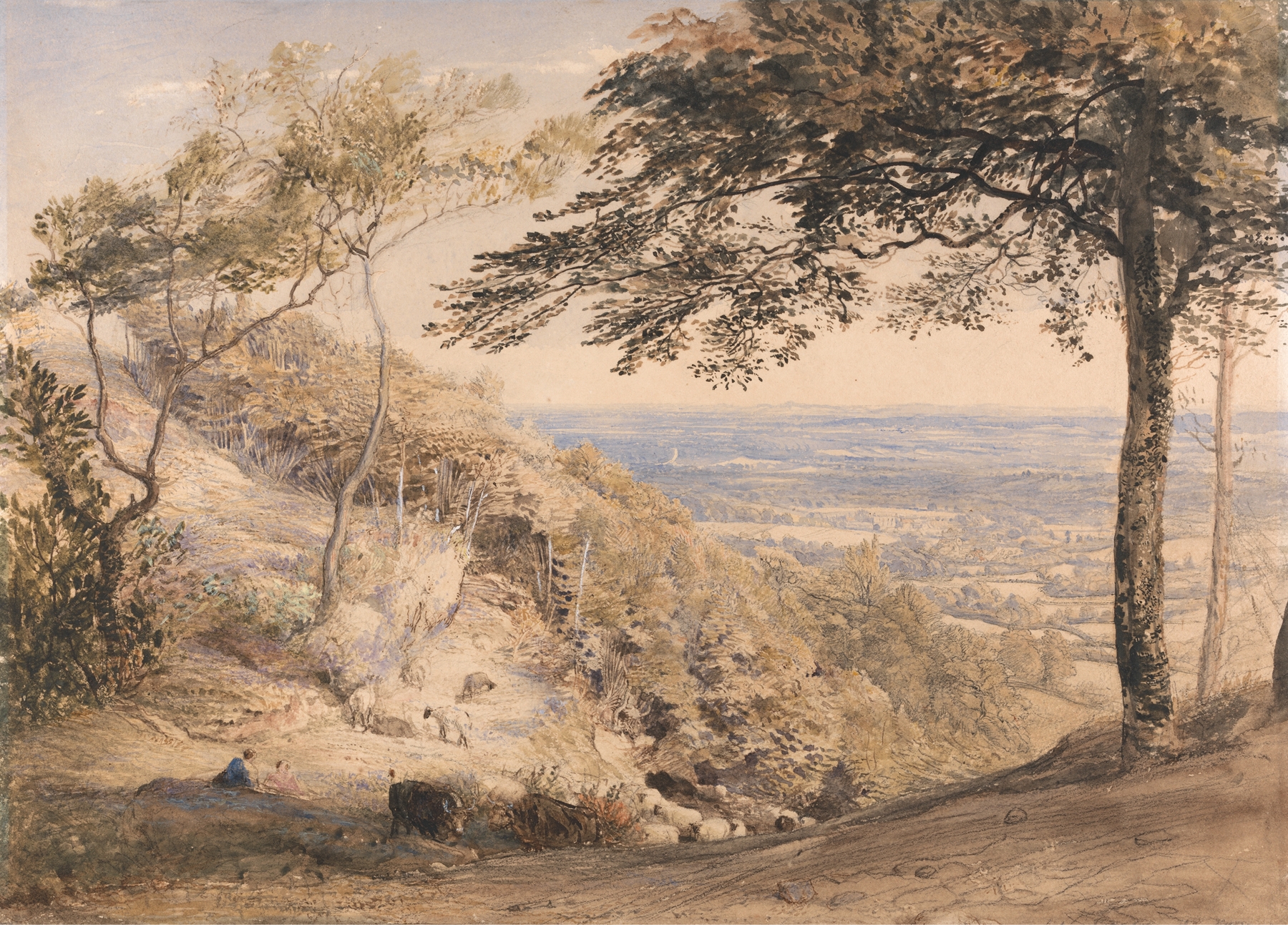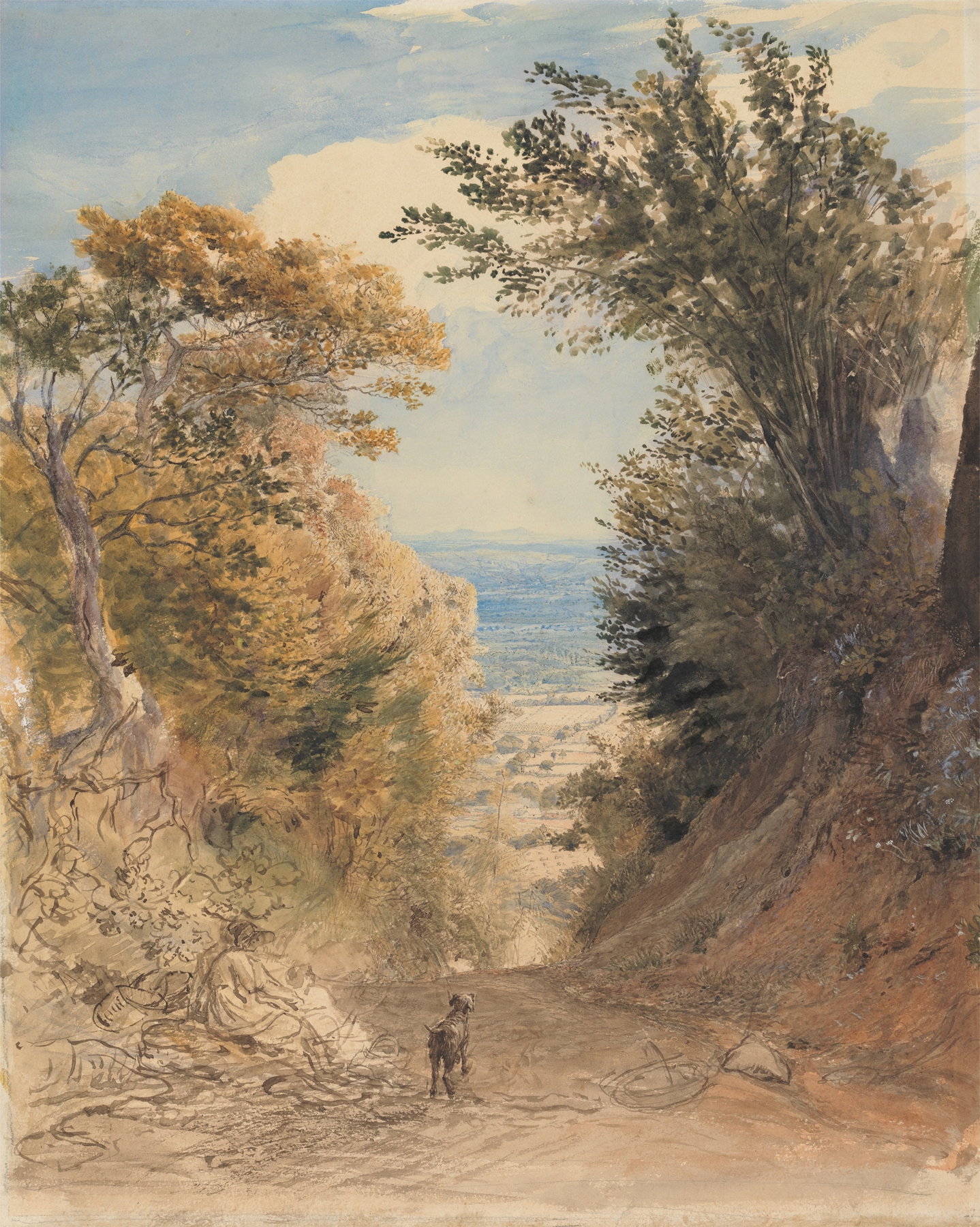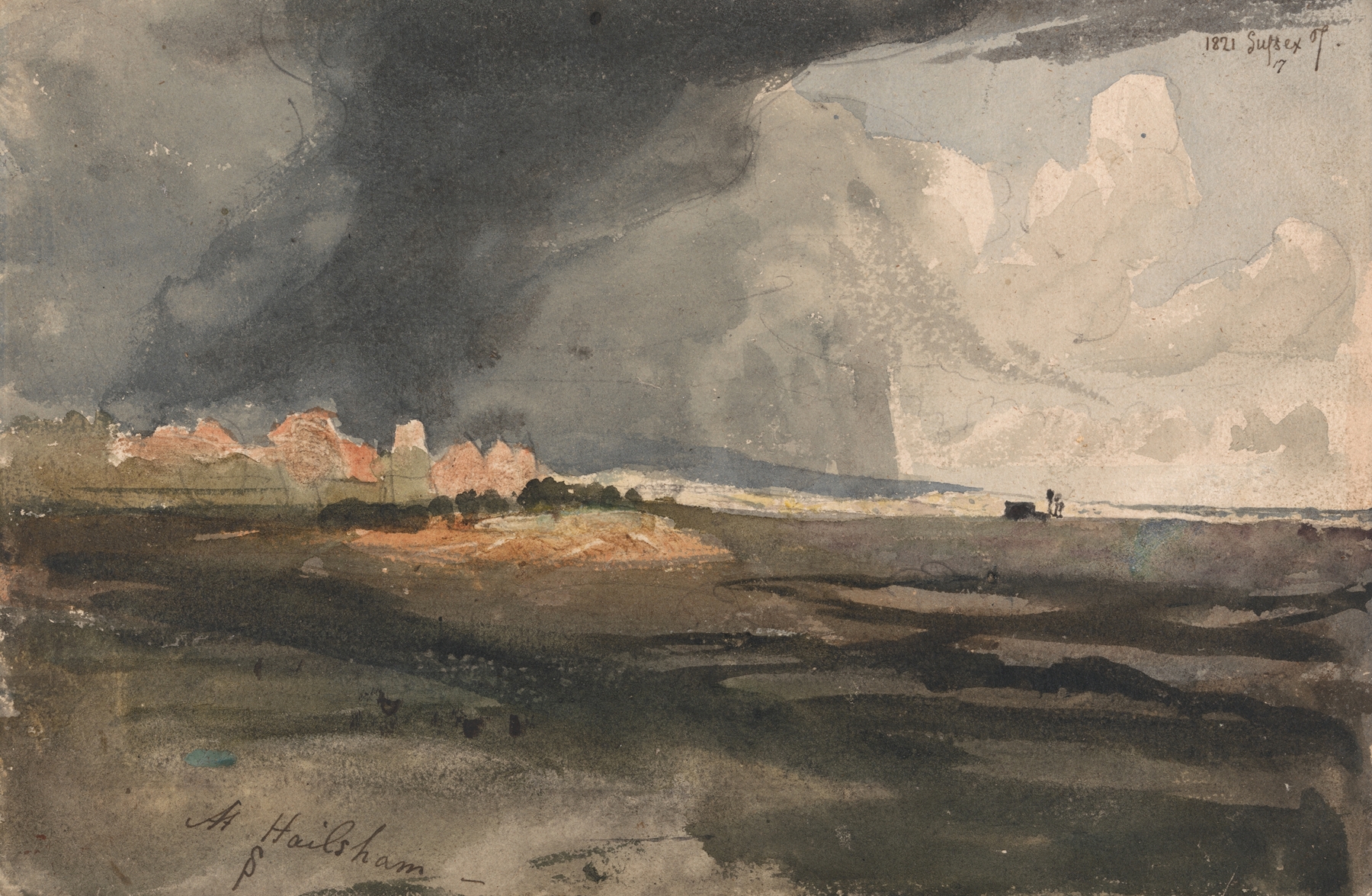
“The canvas doesn’t lie — it simply waits.” In the stillness of dawn, a solitary figure emerges from the mist, embodying both toil and tranquility. The earth, cloaked in dew, seems to anticipate the ploughman's gentle touch, a scene that whispers of transcendence beneath the weight of earthly labor. Look to the left where the soft hues of morning light illuminate the ploughman's weathered face, etched with years of devotion to the land. Notice how the strokes of vibrant greens in the fields contrast against the warm, golden sky, creating a harmonious balance that draws the viewer's eye across the canvas. The intricate details in the plough and the surrounding flora invite exploration, revealing the artist's masterful technique in the use of light and shadow, inviting us to witness a moment where labor and nature converge. Yet, beneath this pastoral serenity lies the tension of human existence—an intertwining of struggle and peace. The ploughman, while engaged in his daily toil, transcends the mundanity of labor, representing the eternal connection between man and nature. The juxtaposition of the hard, unyielding soil against the gentle glow of dawn evokes a sense of hope; it is a reminder that from hardship emerges beauty, and through labor, we find purpose. During the years 1858 to 1860, while at the height of his career, the artist was immersed in the Romantic movement of British art. Living in Shoreham, Sussex, he sought inspiration from the rural landscape, reflecting his deep appreciation for nature’s beauty. This period was marked by a growing emphasis on emotional depth and personal experience, which is vividly captured in the scene before us, portraying both the struggle and grace inherent in the human experience.