The Farmyard — History & Analysis
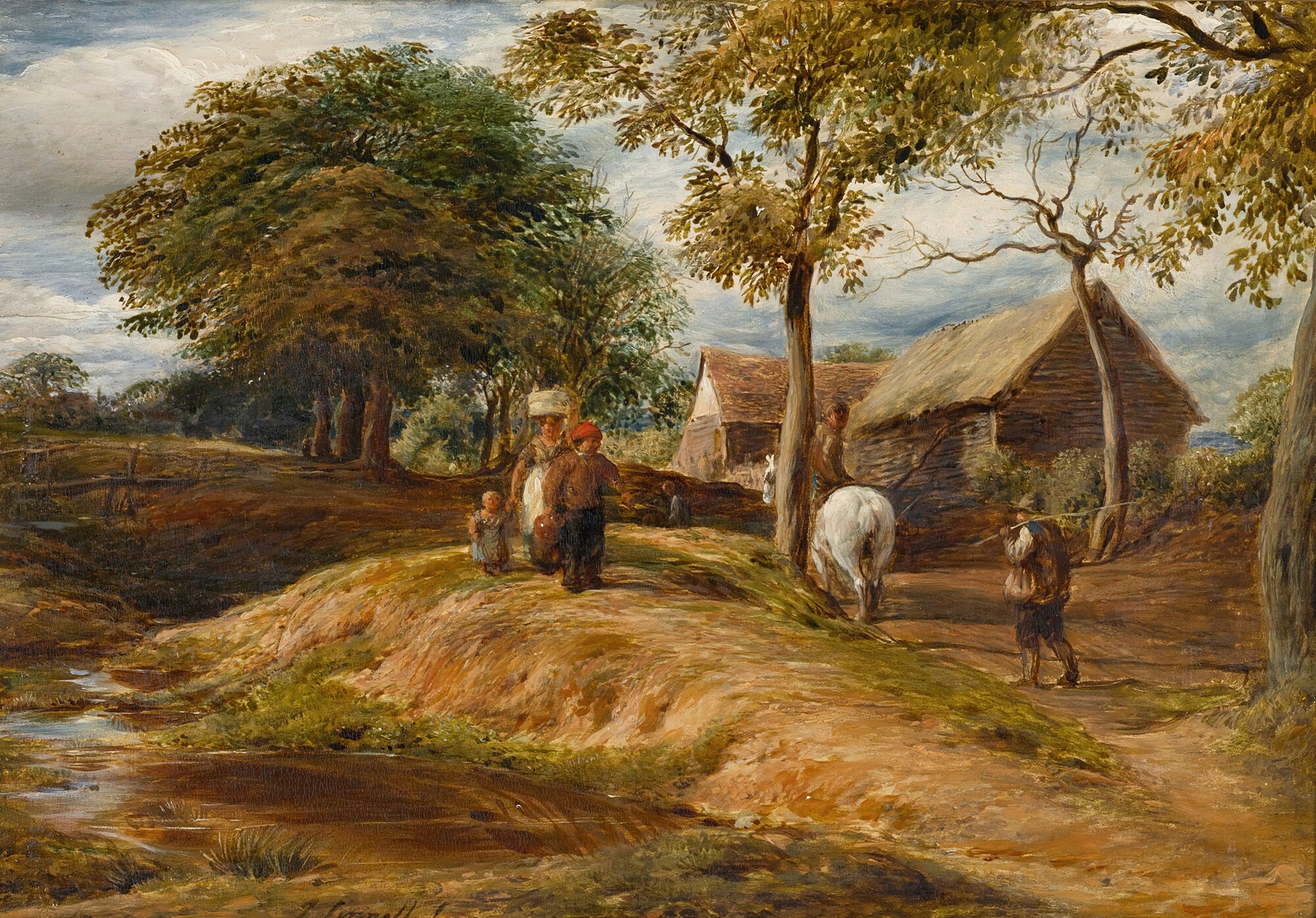
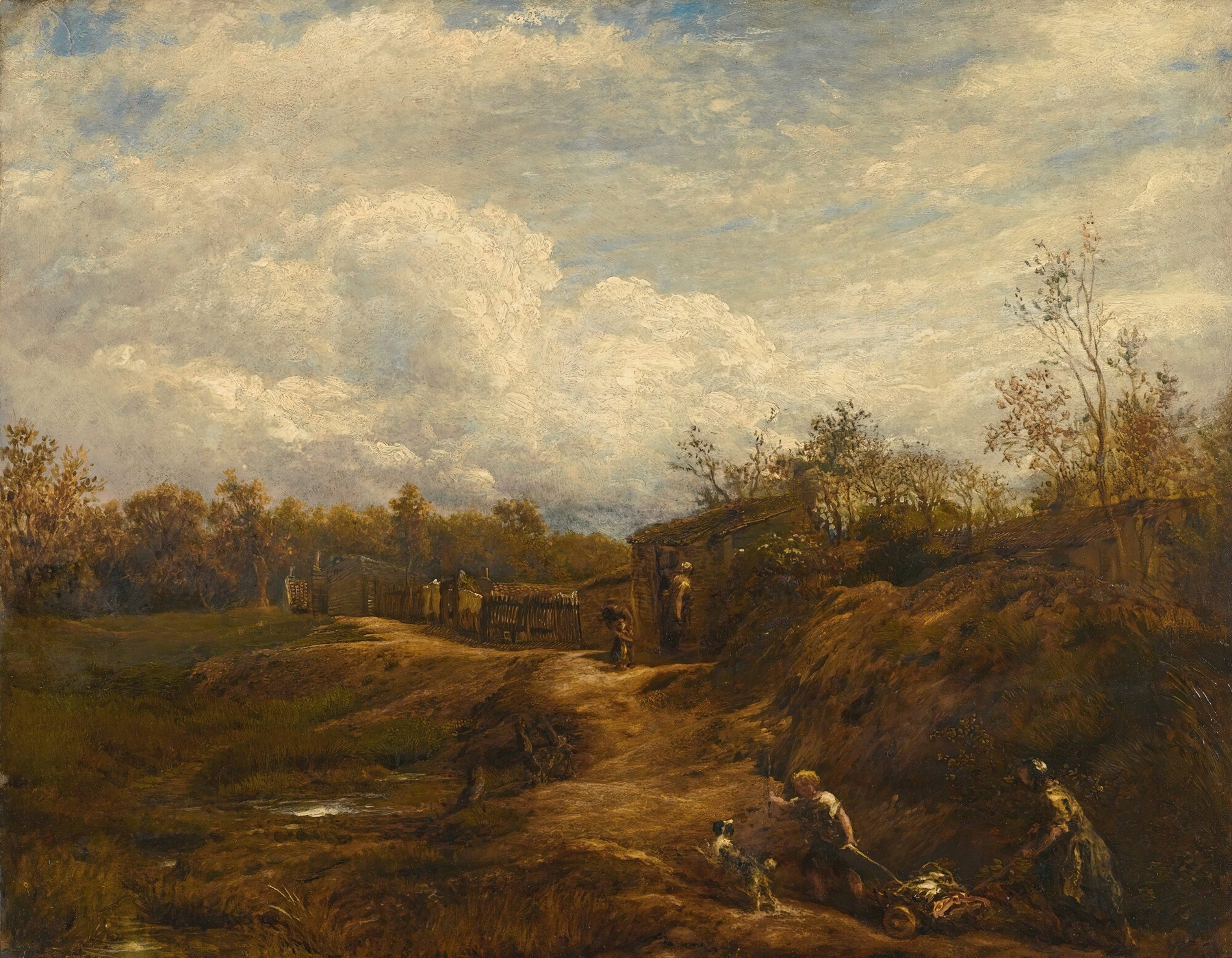
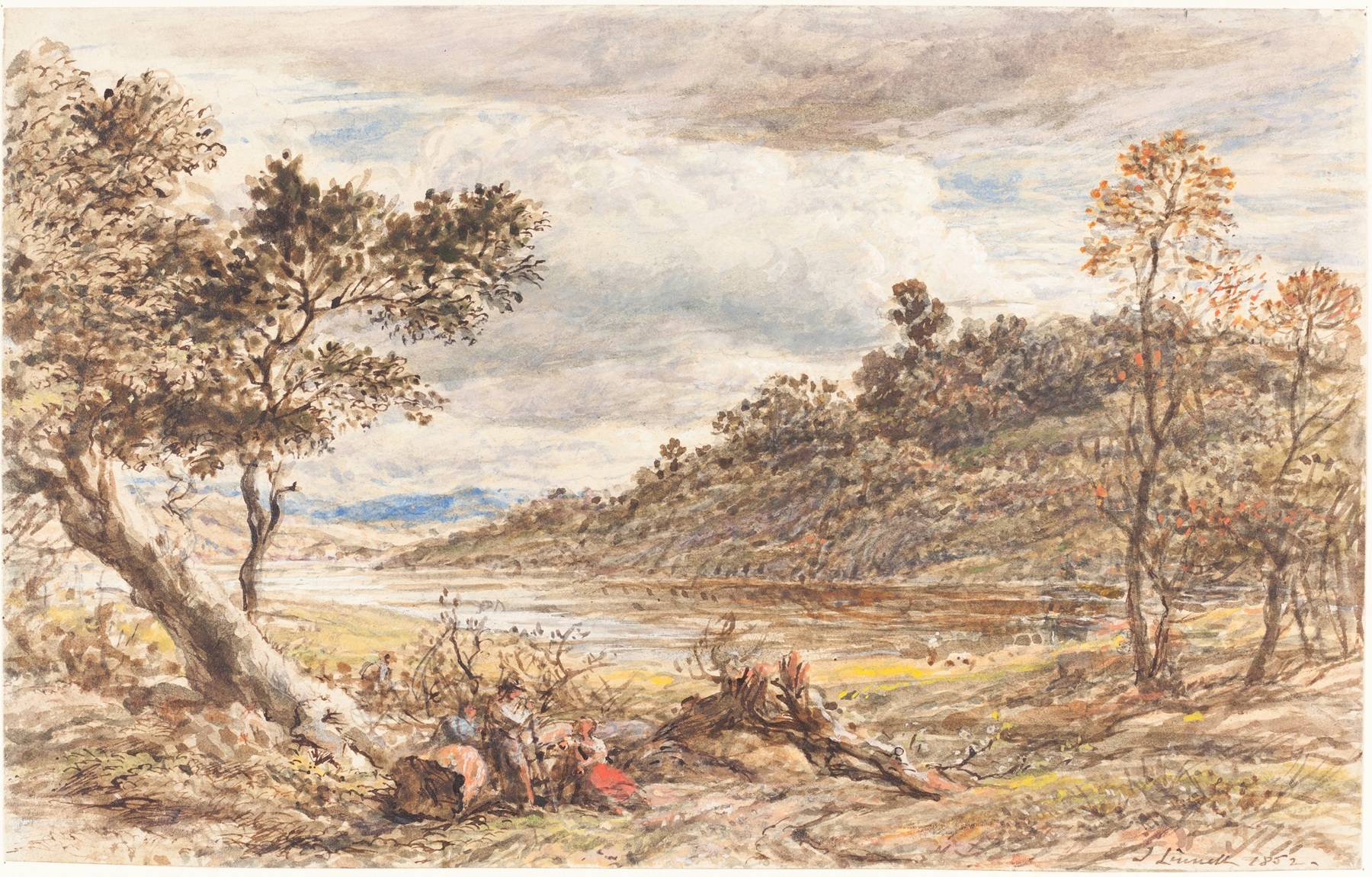
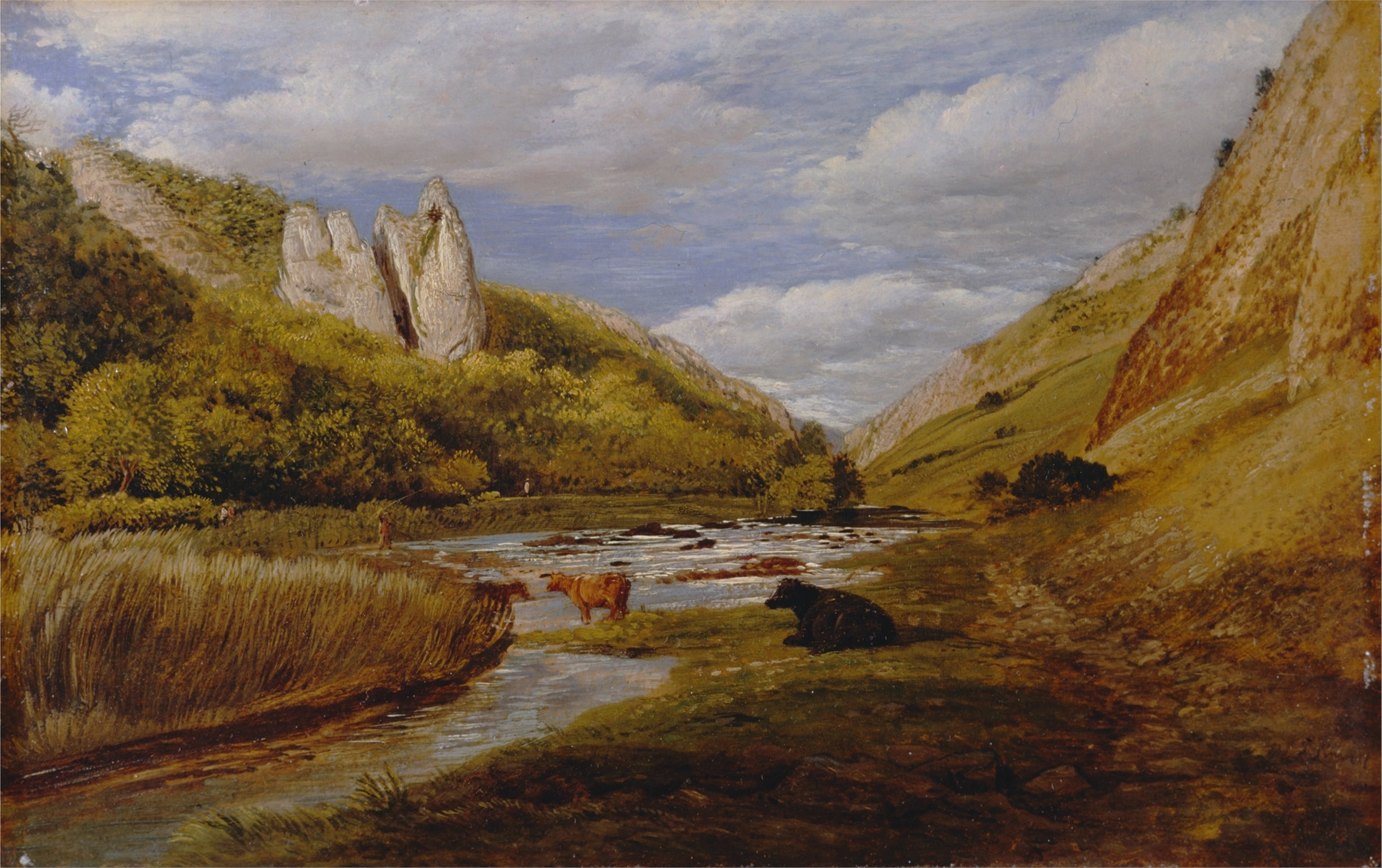
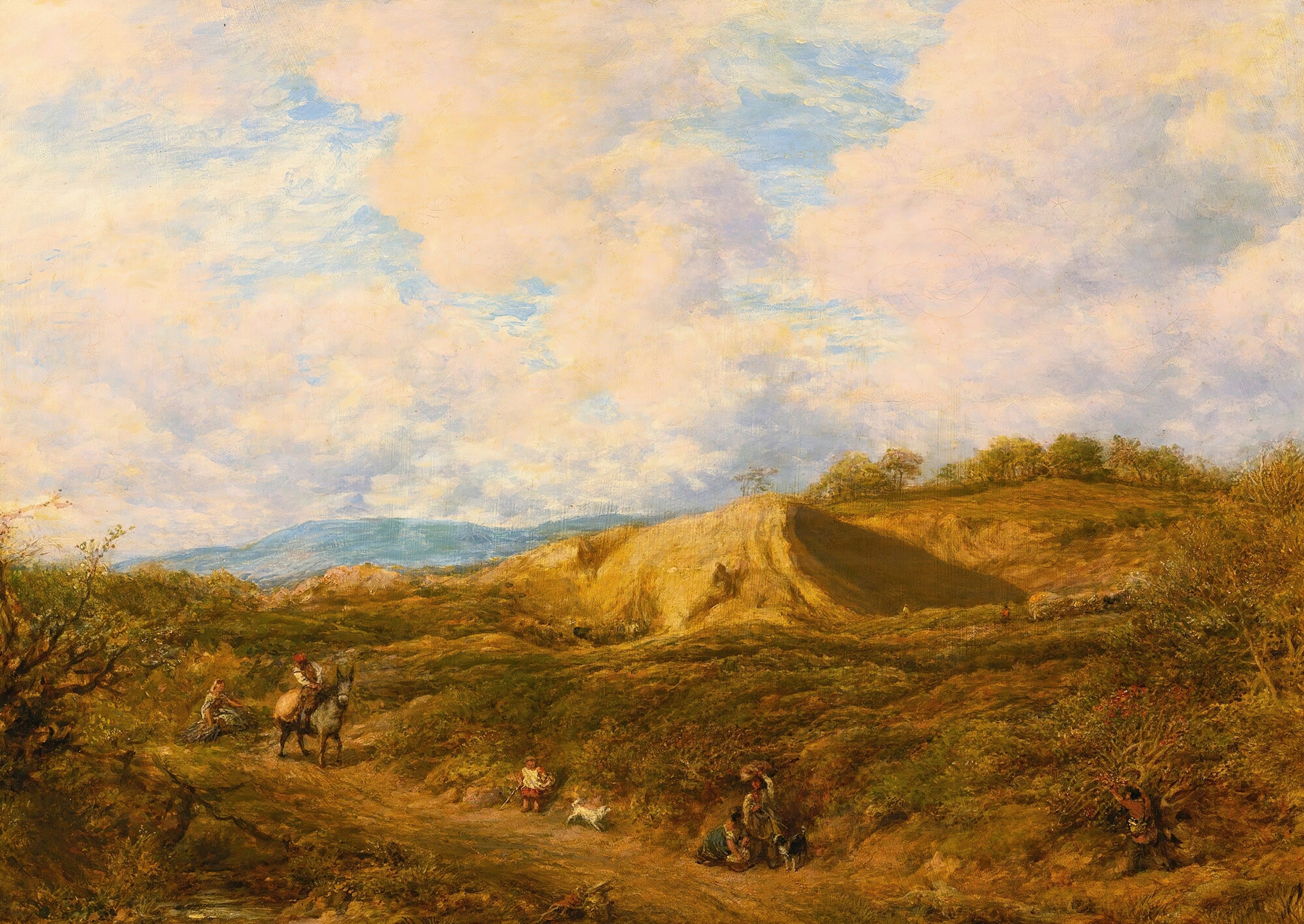
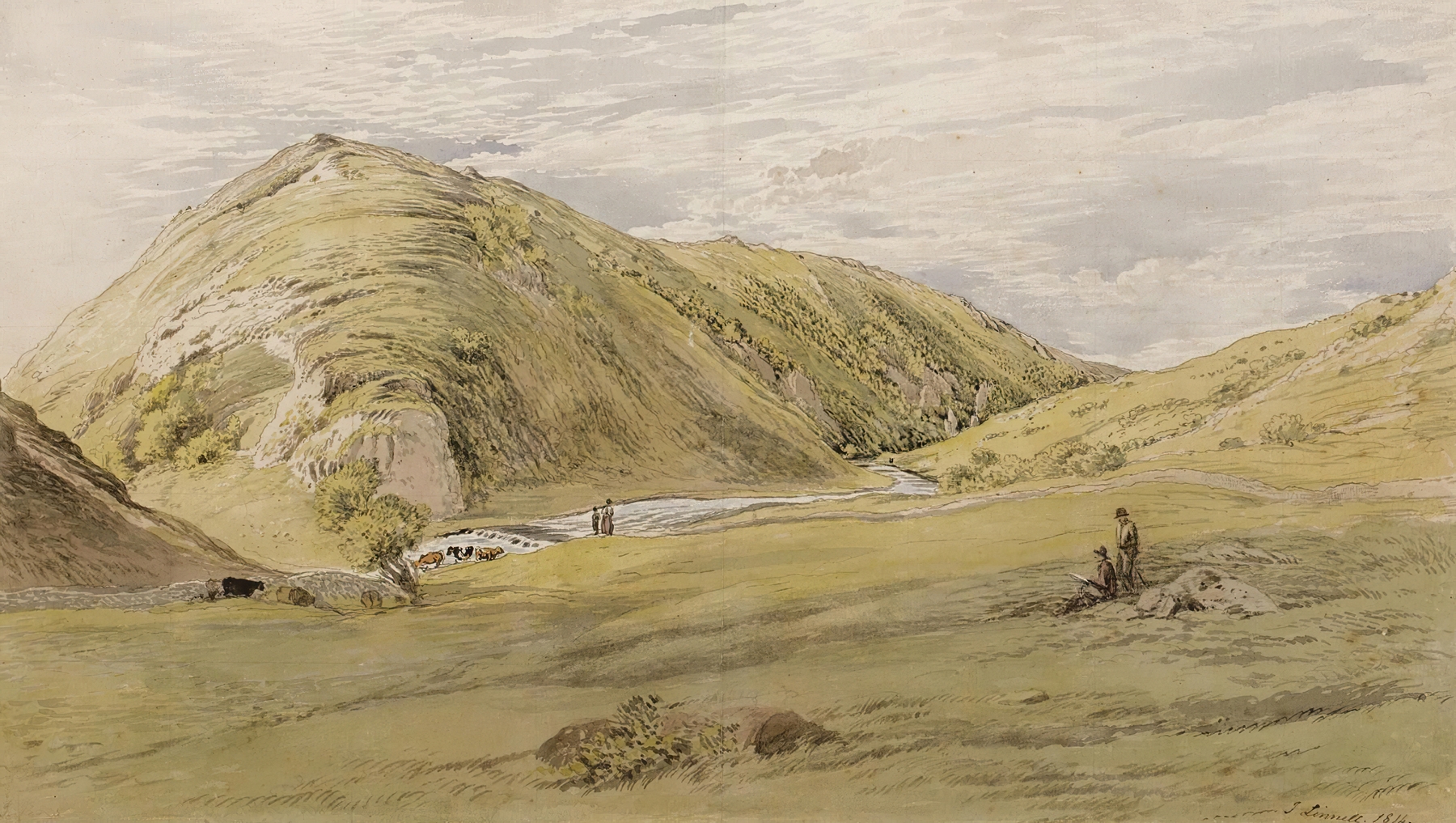
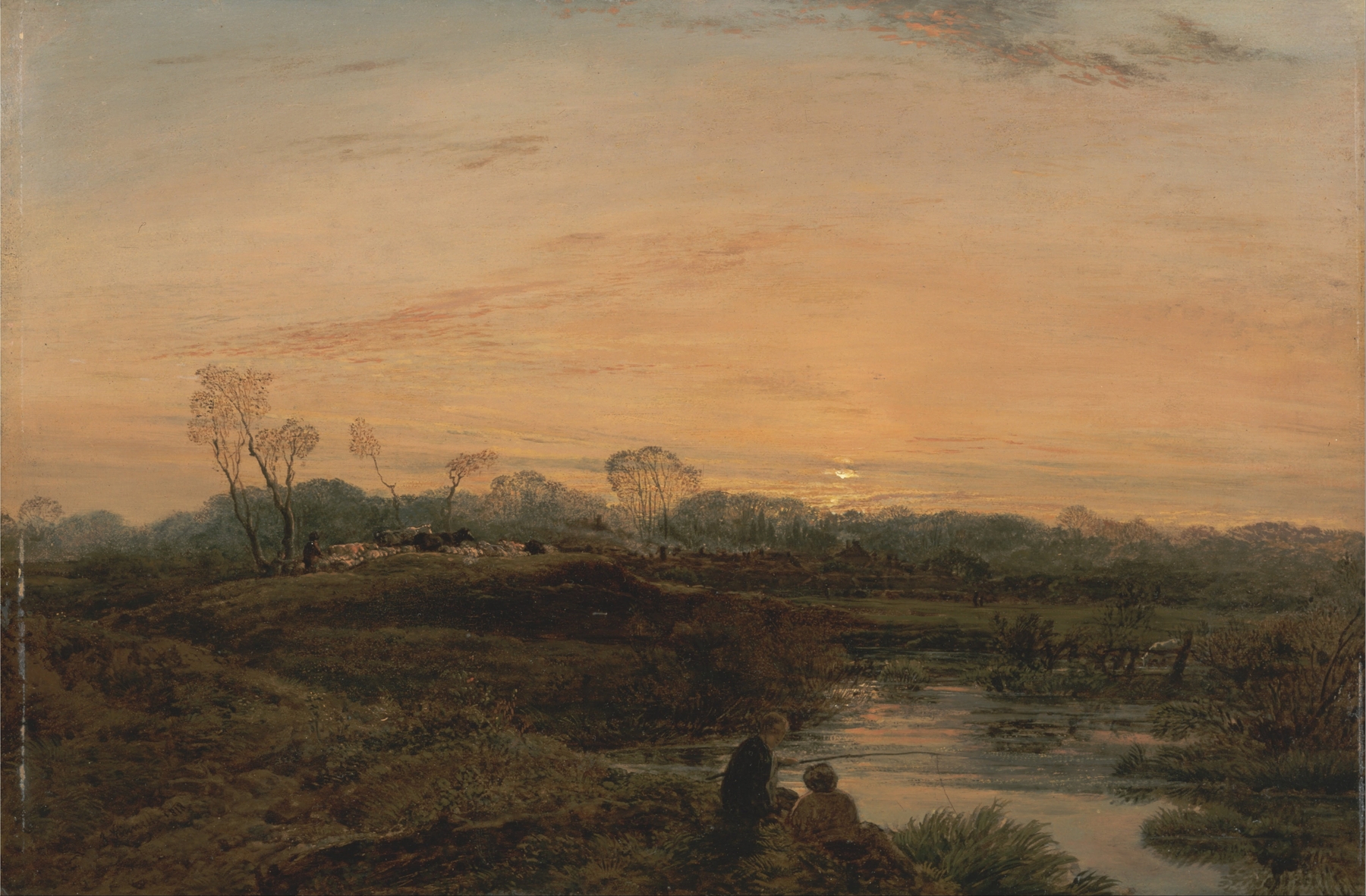
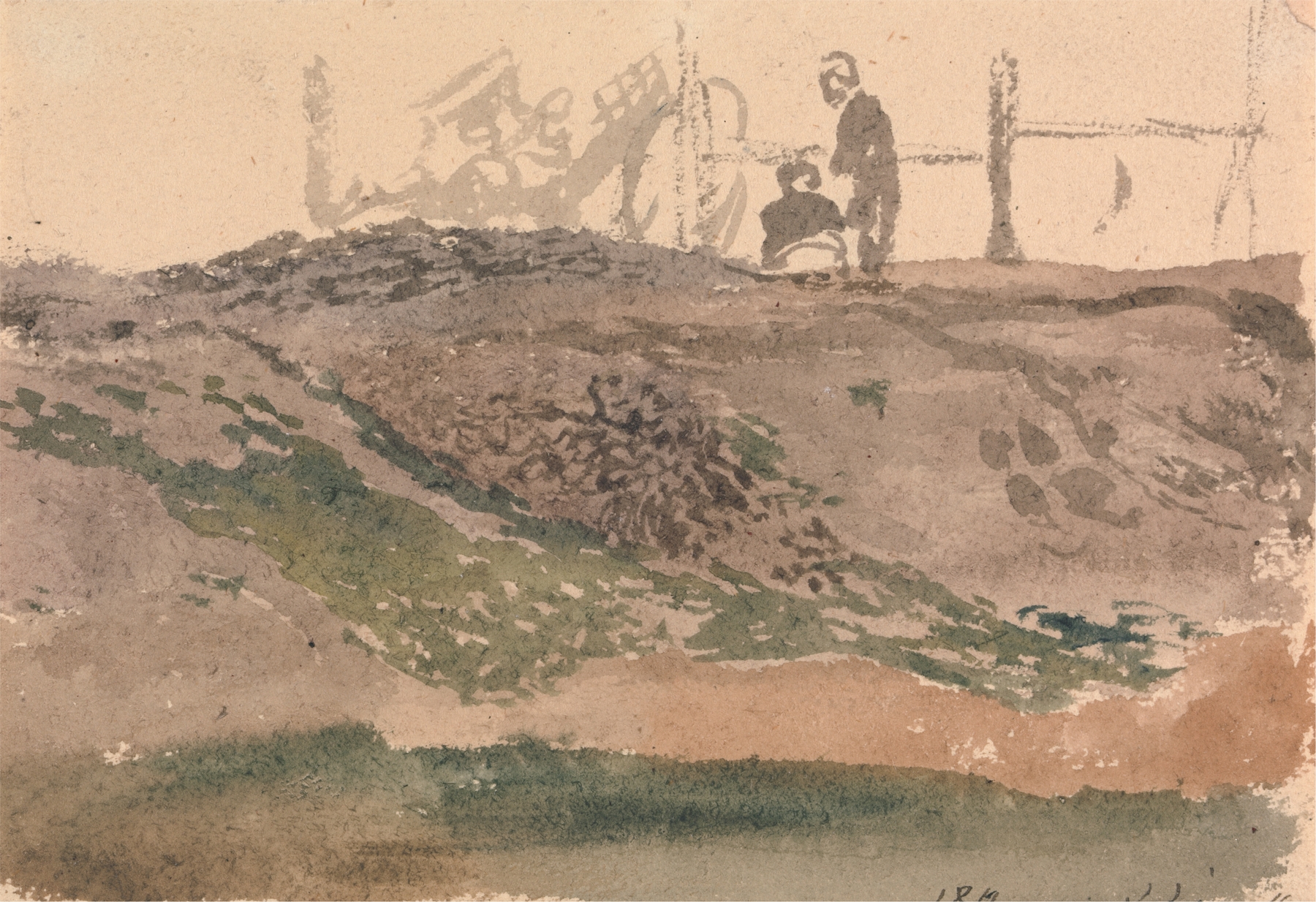
What if beauty was never meant to be finished? In The Farmyard, a serene, pastoral scene captures the delicate balance between nature and daily life, inviting viewers into a world where each moment is a brushstroke of ecstasy. Look to the left at the gentle curve of the path leading through the lush greenery, inviting the eye to wander further. The rich earth tones of the soil contrast beautifully with the vibrant greens and the deep blues of the sky, creating a harmonious color palette that evokes tranquility.
Notice how the soft light bathes the animals and foliage, casting gentle shadows that play across the scene, revealing subtle textures and depth. This carefully constructed composition draws us into a tableau where the simplicity of rural life becomes a celebration of nature’s abundance. Yet, beneath this idyllic surface lies a tension between wildness and domestication. The animals graze peacefully, embodying a sense of contentment, while the distant farmhouse stands sturdy yet humble, symbolizing human presence and effort against nature's untamed beauty.
The juxtaposition of lively animals against a tranquil landscape hints at the fleeting nature of these simple joys, encapsulating a world that feels both timeless and transient. Created in 1812, this work emerged during a period of significant transformation in Britain, as the Industrial Revolution began to reshape landscapes and lives. John Linnell, influenced by his contemporaries and the Romantic movement, sought to highlight the beauty of the English countryside and the importance of nature in an increasingly mechanized world. In The Farmyard, he invites us to pause and reflect on the beauty embedded in simplicity, a reminder of a world that may soon be lost.