The Garden of Saint-Paul Hospital — History & Analysis

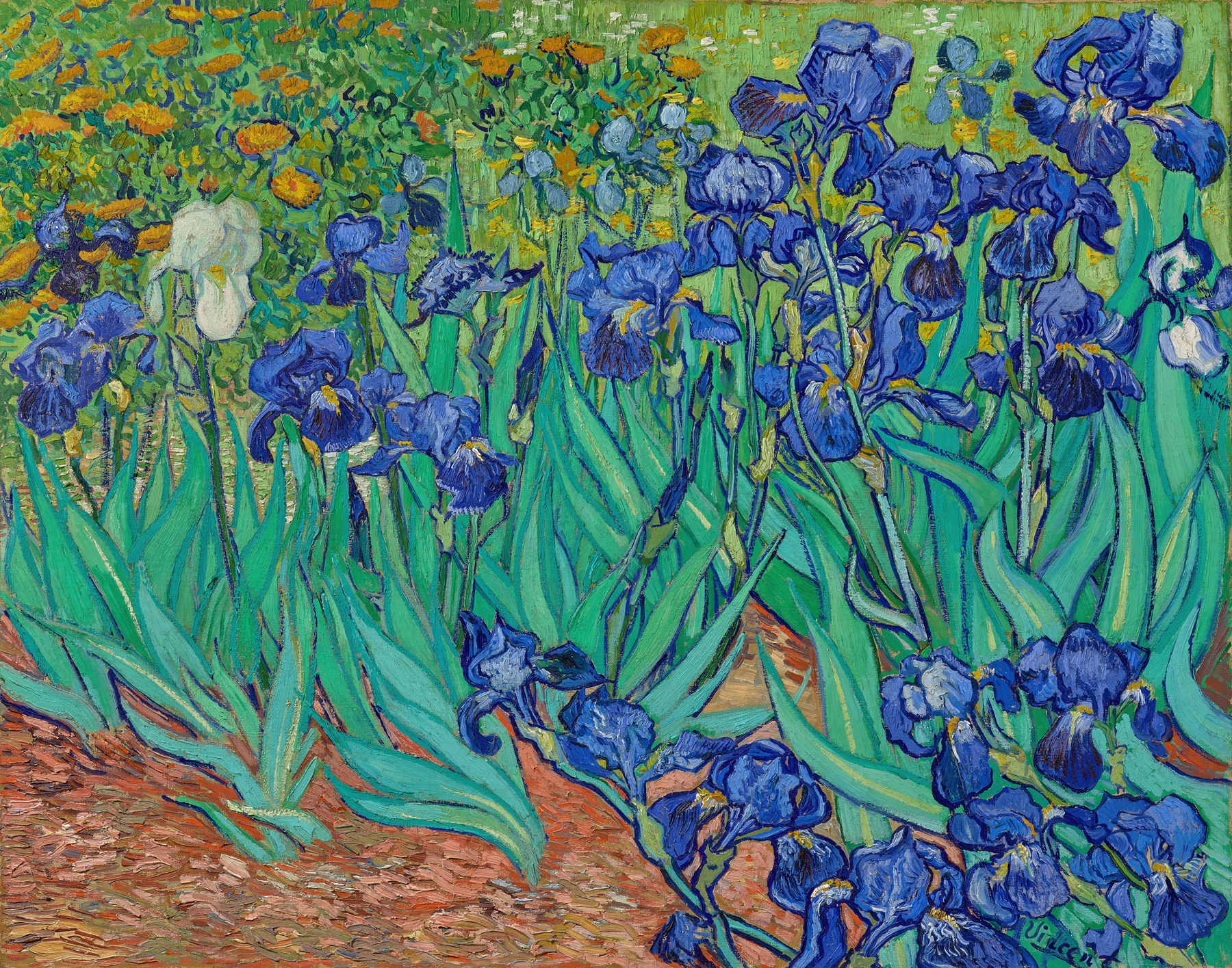
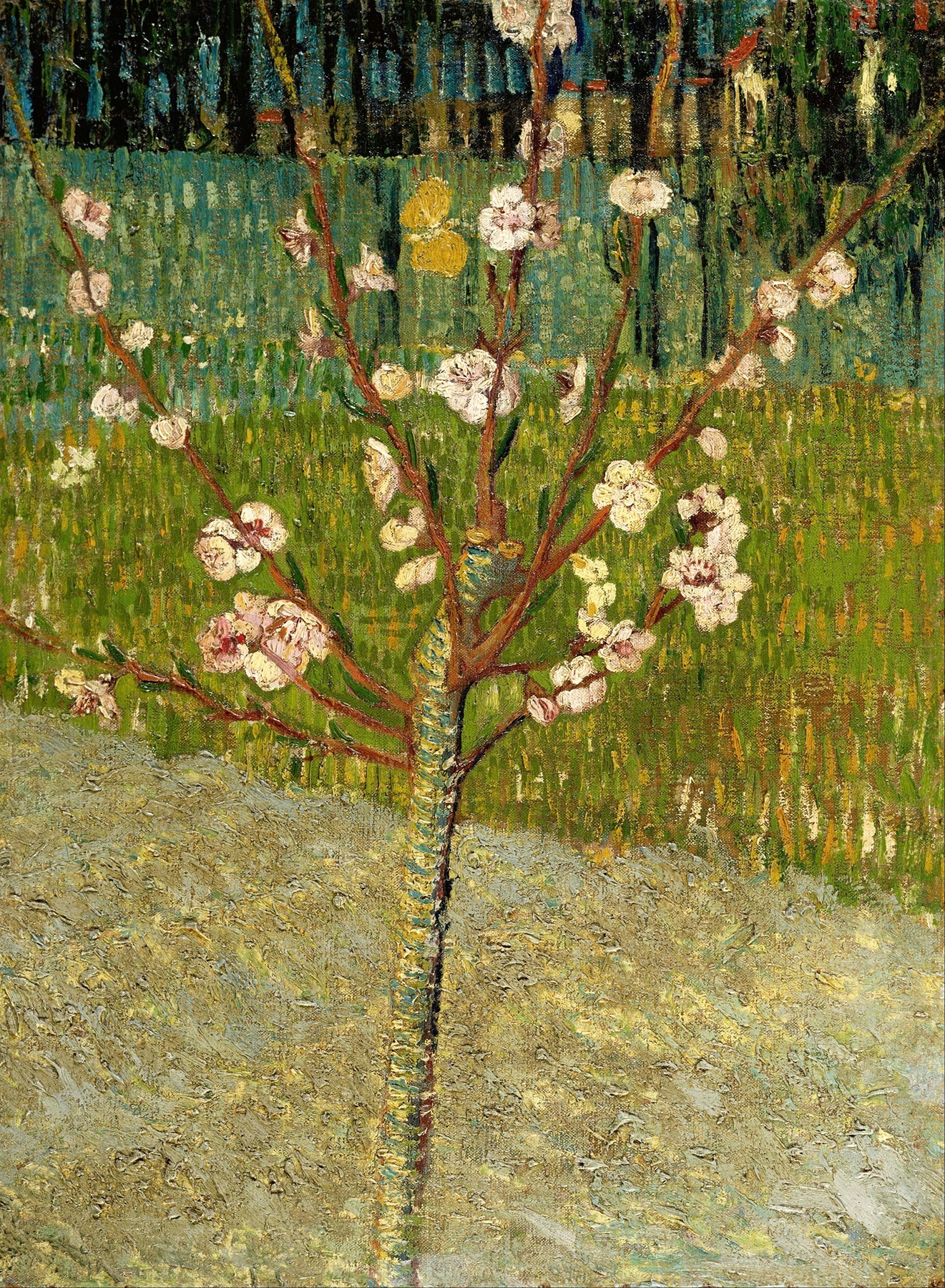
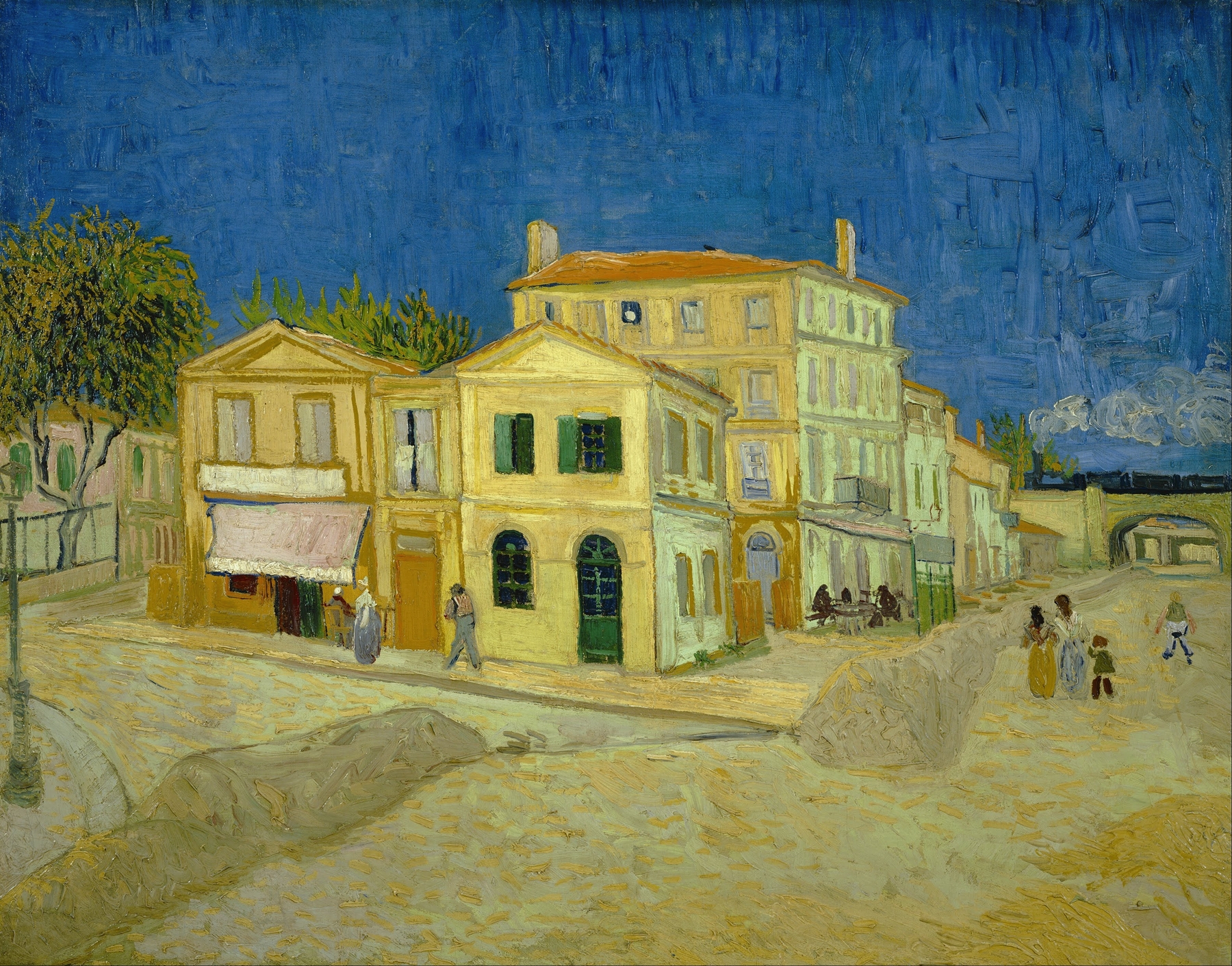
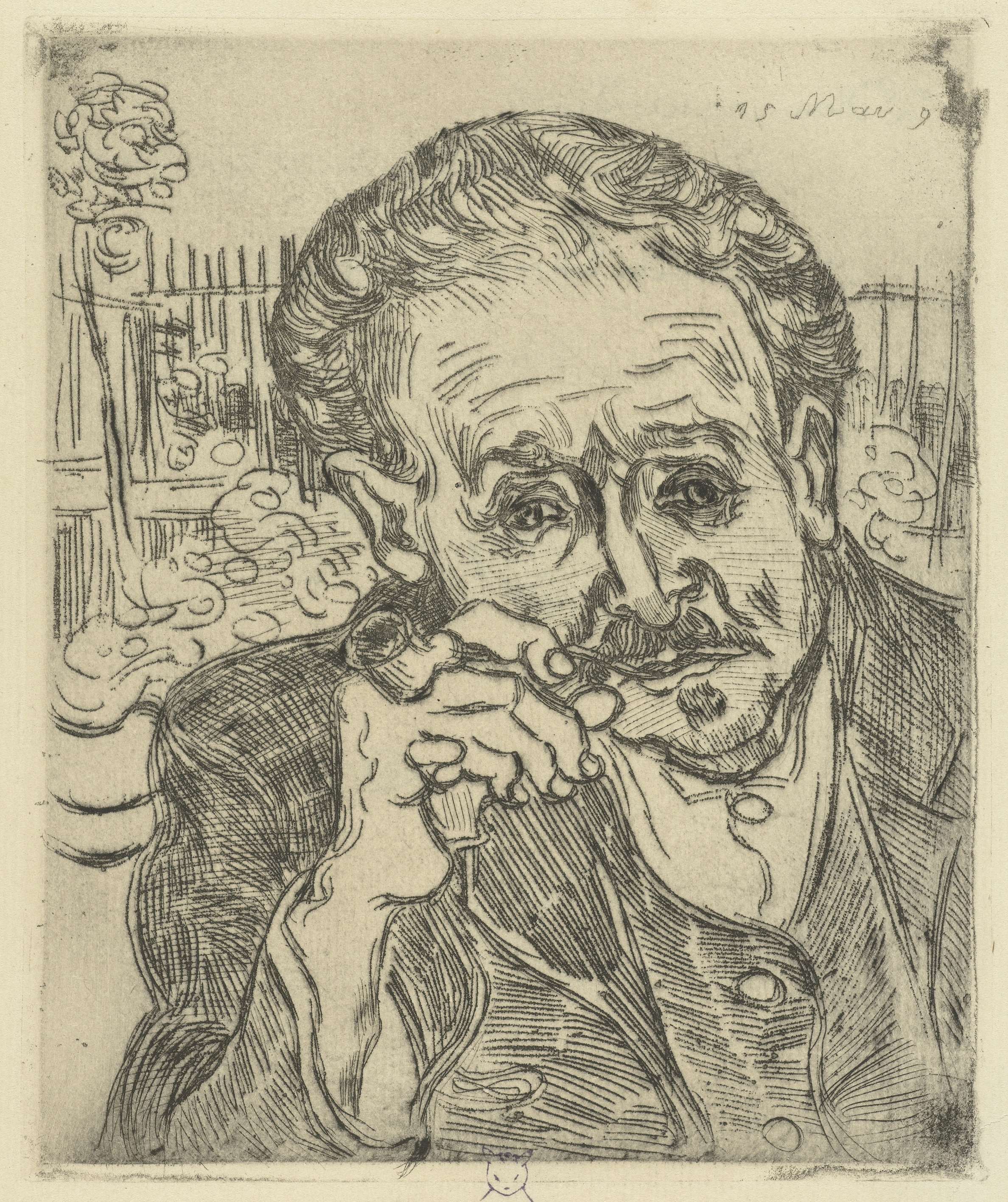
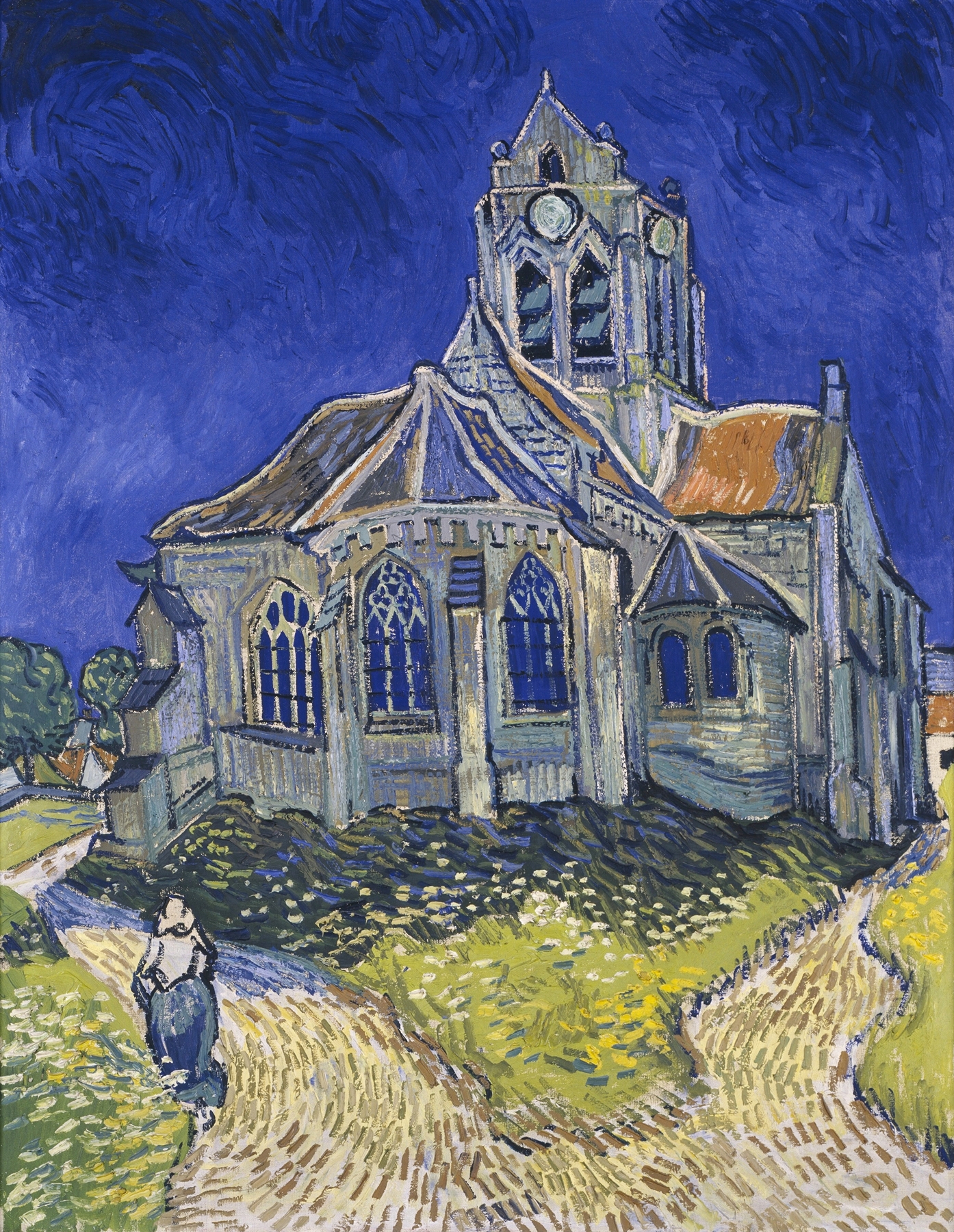
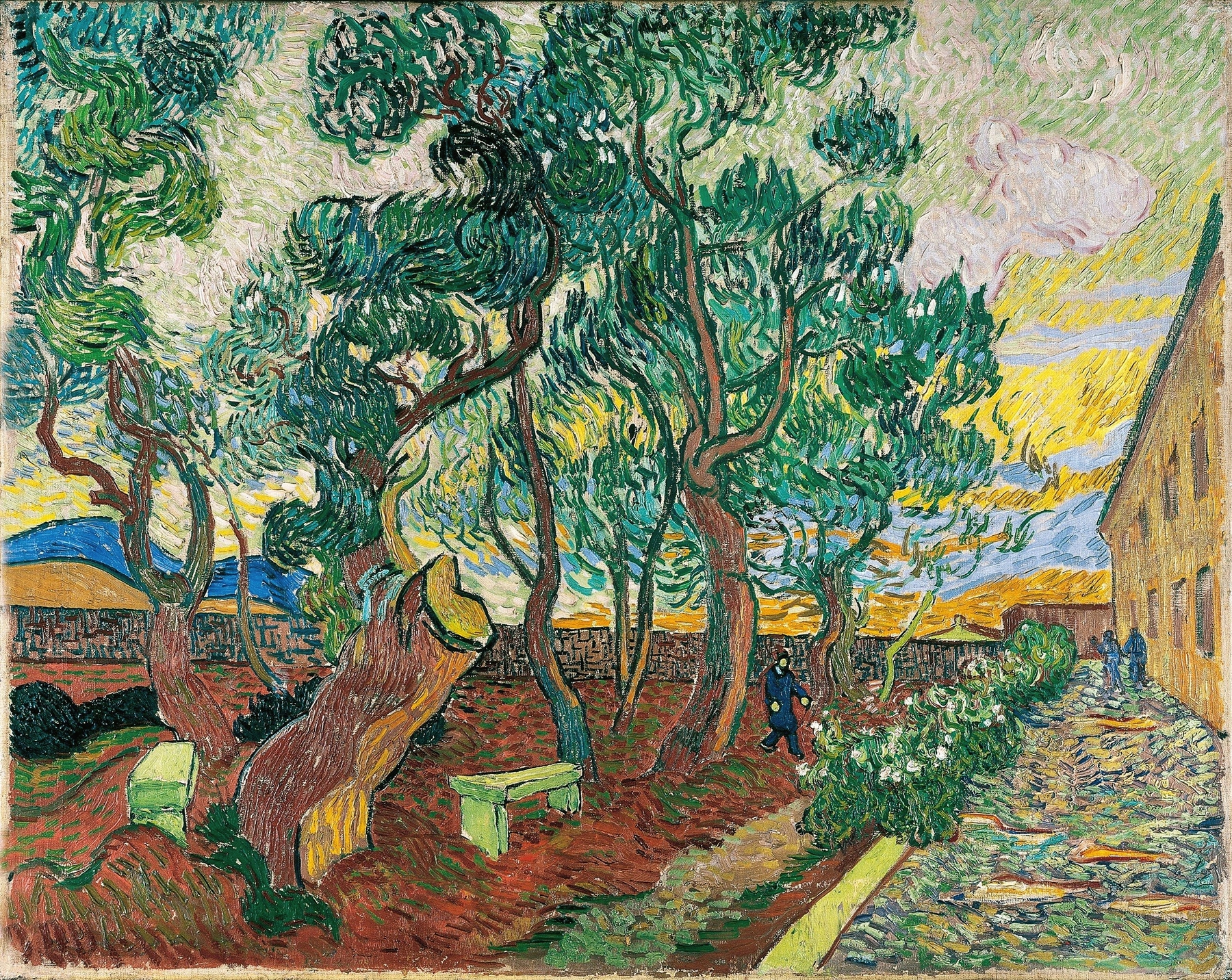
A gentle breeze stirs the air, carrying with it the whispers of blooming flowers. In a sun-soaked garden, vibrant petals dance under the gaze of a solitary figure, lost in thought. The scene feels both alive and fragile, as if time itself hesitates to intrude upon this moment of tranquility. Look to the left at the white and yellow blooms, each petal meticulously rendered in thick strokes that pulse with color. Notice how the sunlight dapples the ground, its warm hues contrasting with the cool greens of the grass and the shadows of the trees. The composition invites your eye to wander, revealing a tapestry of life that surrounds the figure, who sits amidst the floral embrace, embodying both isolation and peace. Yet beneath the surface of this idyllic scene lies a tension between freedom and confinement. The vibrant garden mirrors the artist’s inner turmoil, a celebration of nature’s beauty contrasting with the mental anguish he faced. The lush colors evoke innocence, yet they also hint at the artist’s struggles with loneliness and despair, creating a poignant dialogue within the canvas. In 1889, while residing at the asylum of Saint-Paul-de-Mausole in France, the artist sought solace and clarity through his art. Surrounded by the beauty of nature, he painted this piece as a reflection of his longing for peace and understanding amidst a turbulent existence. This work encapsulates a period of profound creativity, demonstrating his ability to translate personal pain into transcendent beauty.