The Lackawanna Valley — History & Analysis
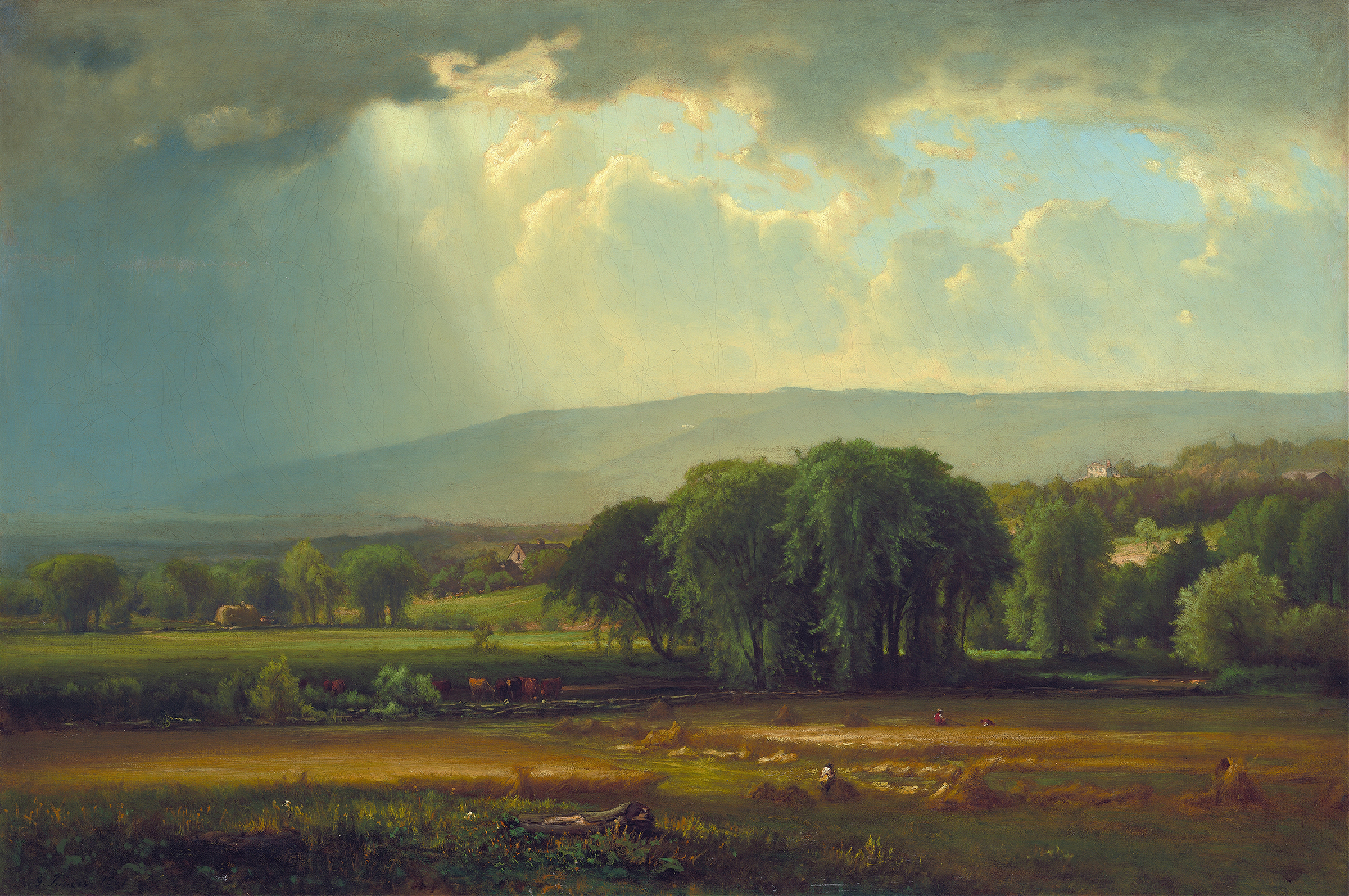
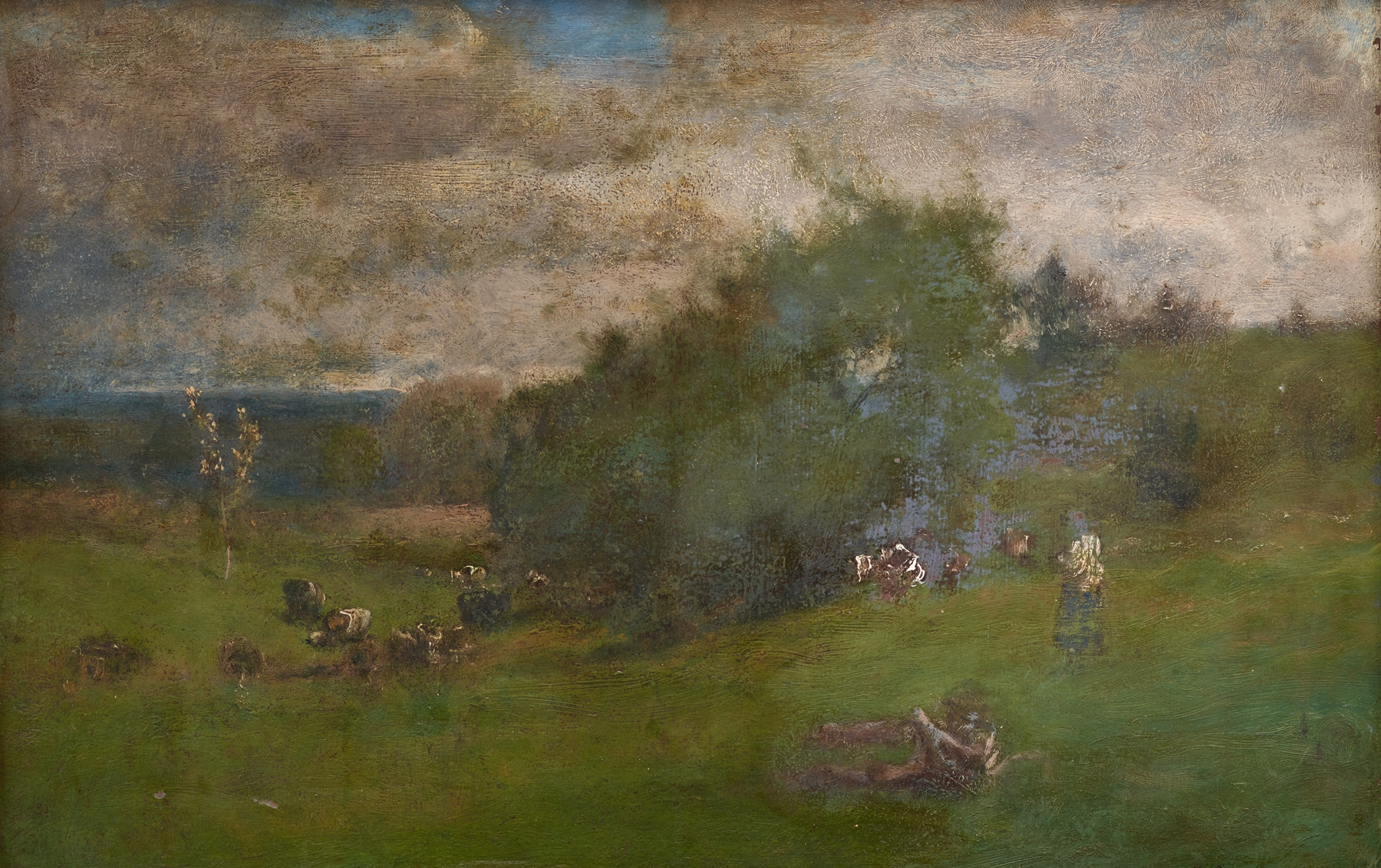
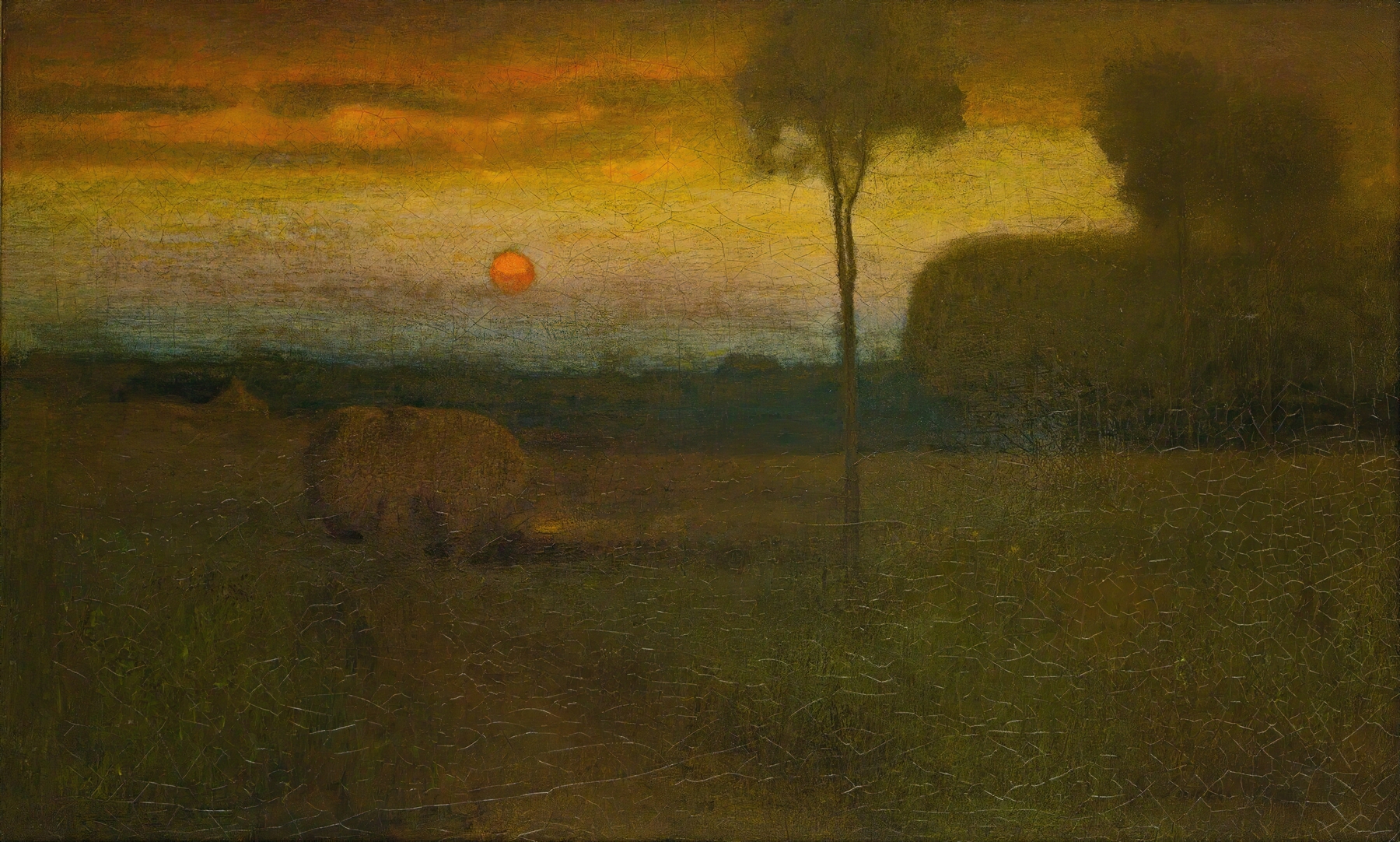
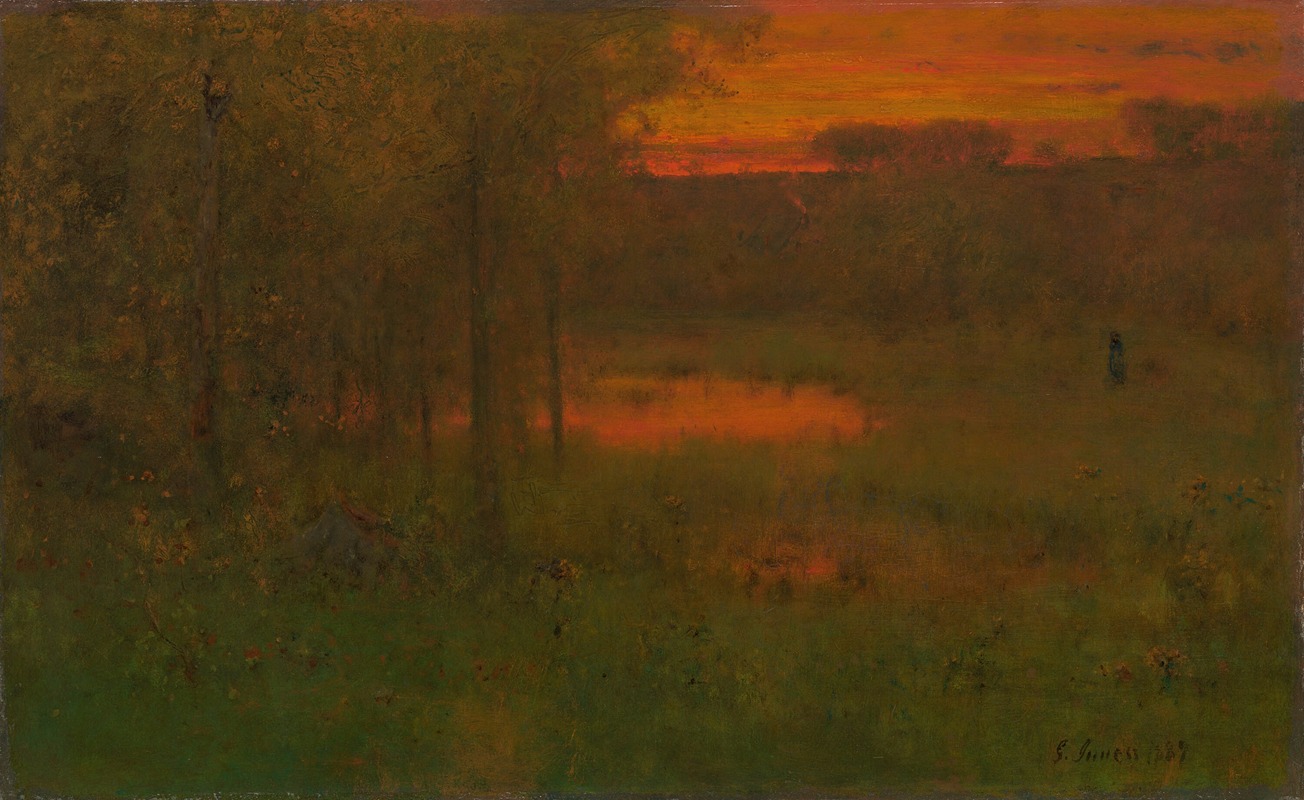
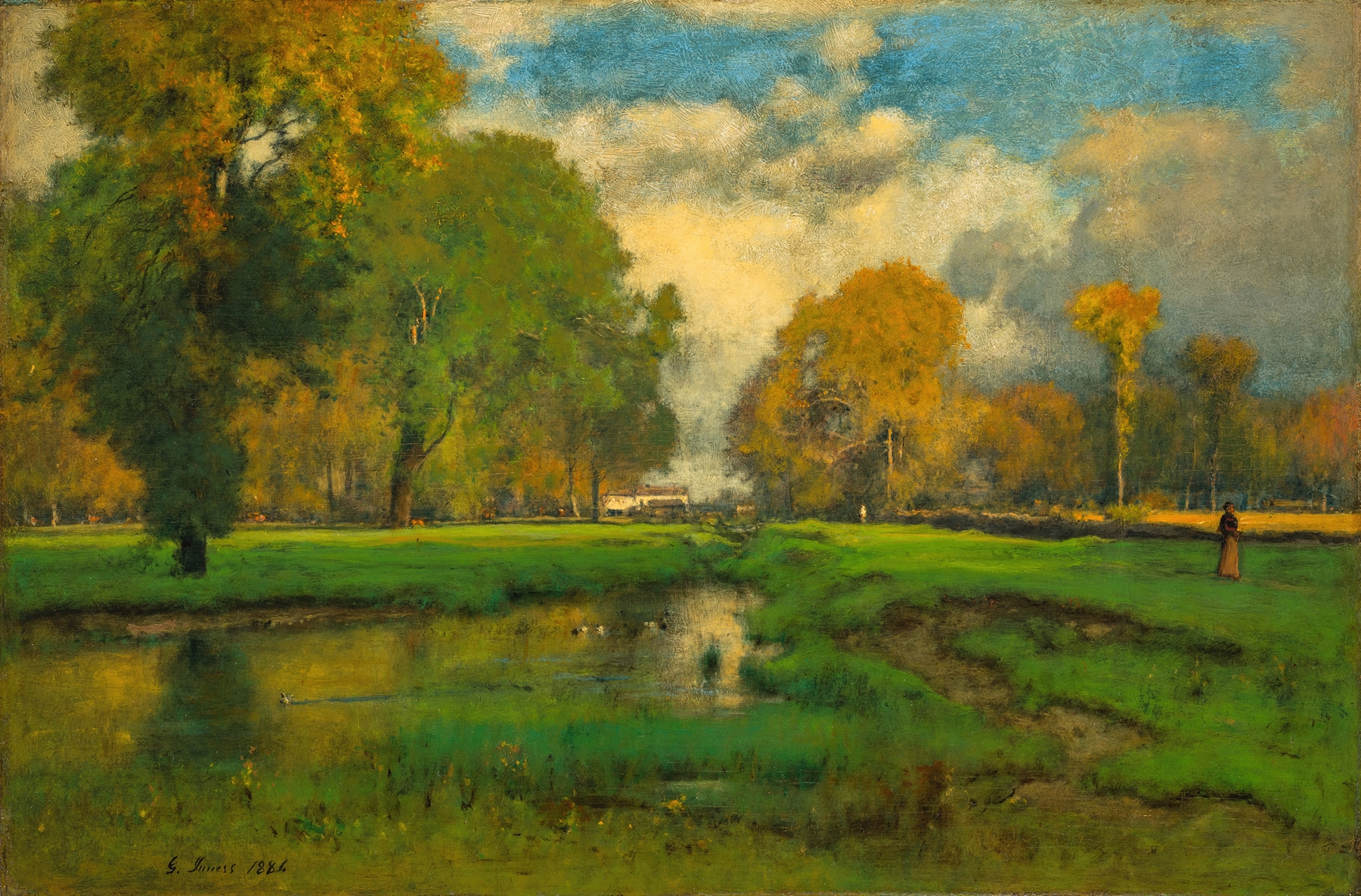
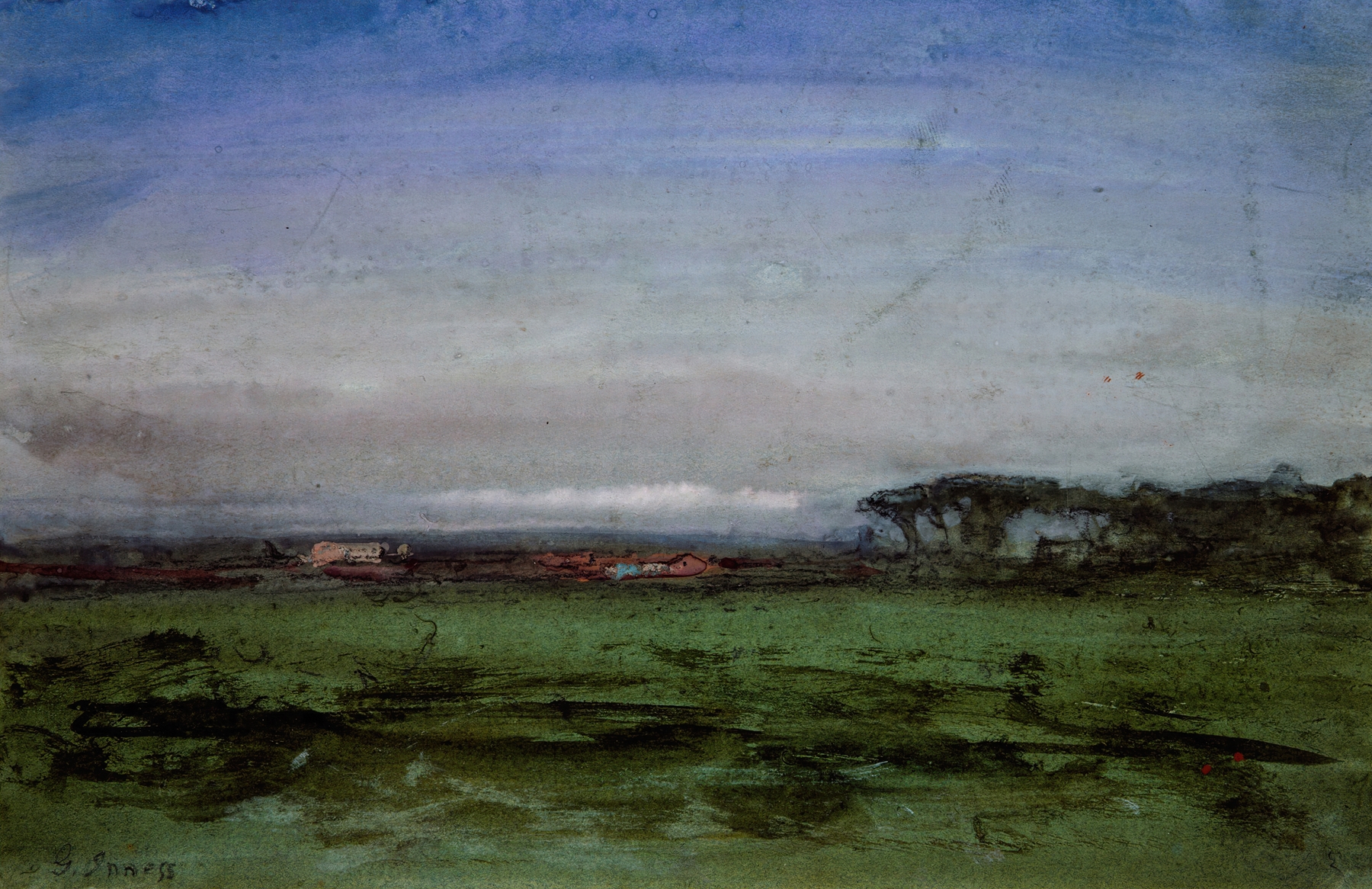
“Between color and silence, truth hides.” In the gentle embrace of a valley, a hidden beauty beckons—where the lush greens whisper secrets and the sky glows with the promise of a new dawn. Look to the middle of the canvas, where a serene river snakes through the landscape, reflecting the soft hues of the sky. The artist employs a delicate palette of greens, ochres, and blues, creating an inviting sense of tranquility. Notice how the light filters through the trees, casting dappled shadows that dance upon the earth, inviting the viewer into this idyllic scene.
Each brushstroke seems to breathe life into the foliage, urging one to linger and absorb the beauty of the moment captured. In the hidden corners of the artwork lie deeper emotions—a sense of harmony between humanity and nature, the fleeting quality of peace, and the quiet strength of the landscape. The subtle presence of figures in the distance hints at life and labor, yet they remain dwarfed by the grandeur of the setting. This contrast speaks to the insignificance of human endeavor against the vastness of the natural world, while simultaneously celebrating the connection between them.
Created around 1856, this work reflects George Inness's evolving style, influenced by the Hudson River School and his interest in spiritualism. During this period, he was exploring the interplay of light and atmosphere, seeking to evoke emotional responses from his audience. The American landscape was flourishing in the mid-19th century, and Inness was at the forefront, capturing not merely the physical beauty of the land but its deeper resonances.