The Lair of the Lynx — History & Analysis
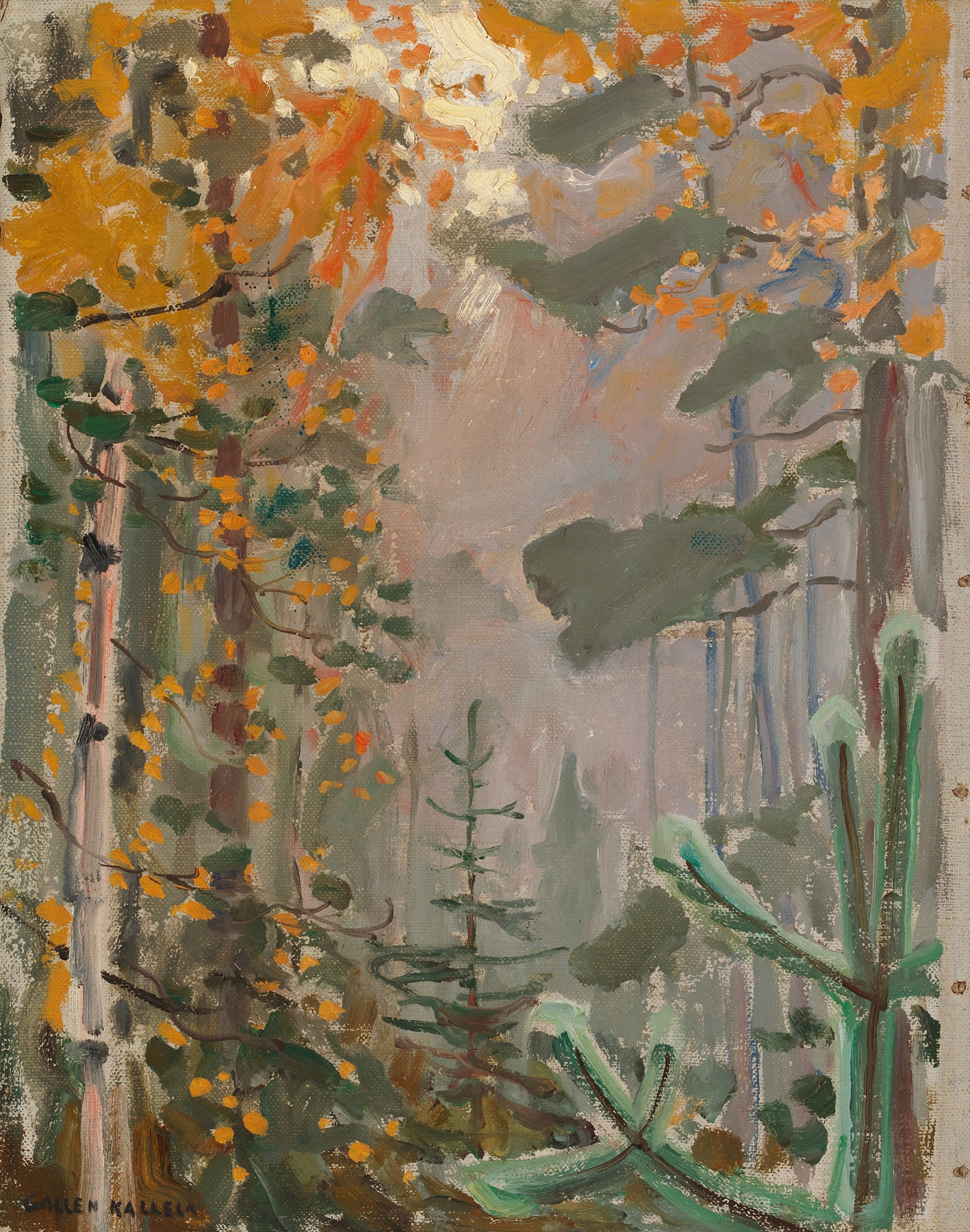
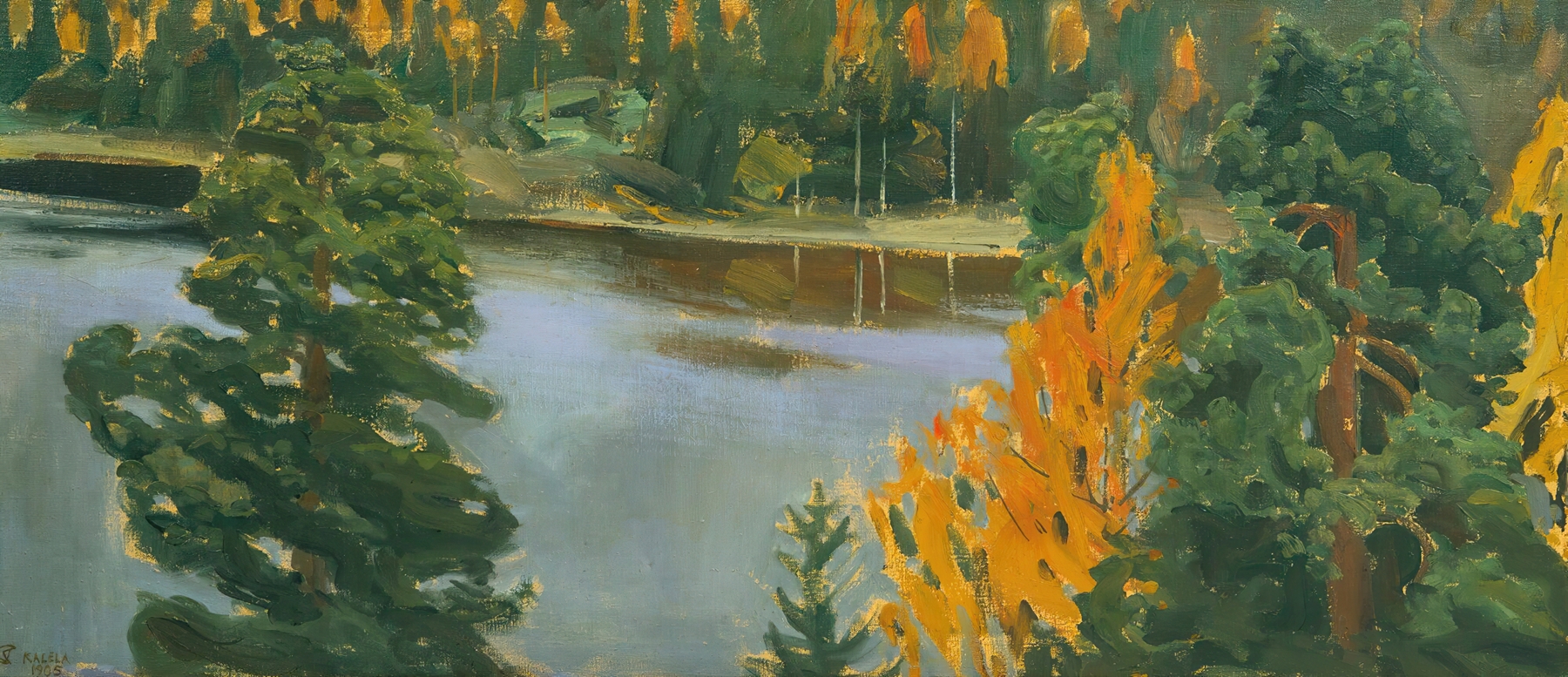
“Sometimes beauty is just pain, disguised in gold.” Memory whispers through the layers of experience, a haunting echo of what once was. It lingers in the beauty of a moment, where light dances and shadows conceal deeper truths. Look to the center, where an enigmatic lynx prowls through the golden foliage, its piercing eyes capturing your gaze. The deliberate brushstrokes create a texture that vibrates with life, while the rich, warm palette envelops the scene in an almost otherworldly glow.
Notice the way shadows play across the fur, revealing the artist's mastery of light and depth, inviting you to explore the tension between beauty and the lurking unknown. In this portrayal, the lynx embodies both grace and danger, a reflection of hidden desires and fears. The intricate details of the surrounding environment echo the complexities of memory, suggesting that beneath the surface lies a narrative of survival and instinct. Each stroke seems to encapsulate a fleeting moment, evoking the bittersweet nature of reminiscence—both alluring and fraught with unease.
Akseli Gallen-Kallela created this piece in 1906, amidst a burgeoning interest in Finnish national identity and folklore. Living in Paris at the time, he was influenced by Symbolism and the Art Nouveau movement, which permeated European art and culture. This painting represents a fusion of his surroundings and heritage, as he sought to capture the essence of Finland through mythological themes and nature, bridging the gap between personal memory and collective experience.