The Mill Pond — History & Analysis
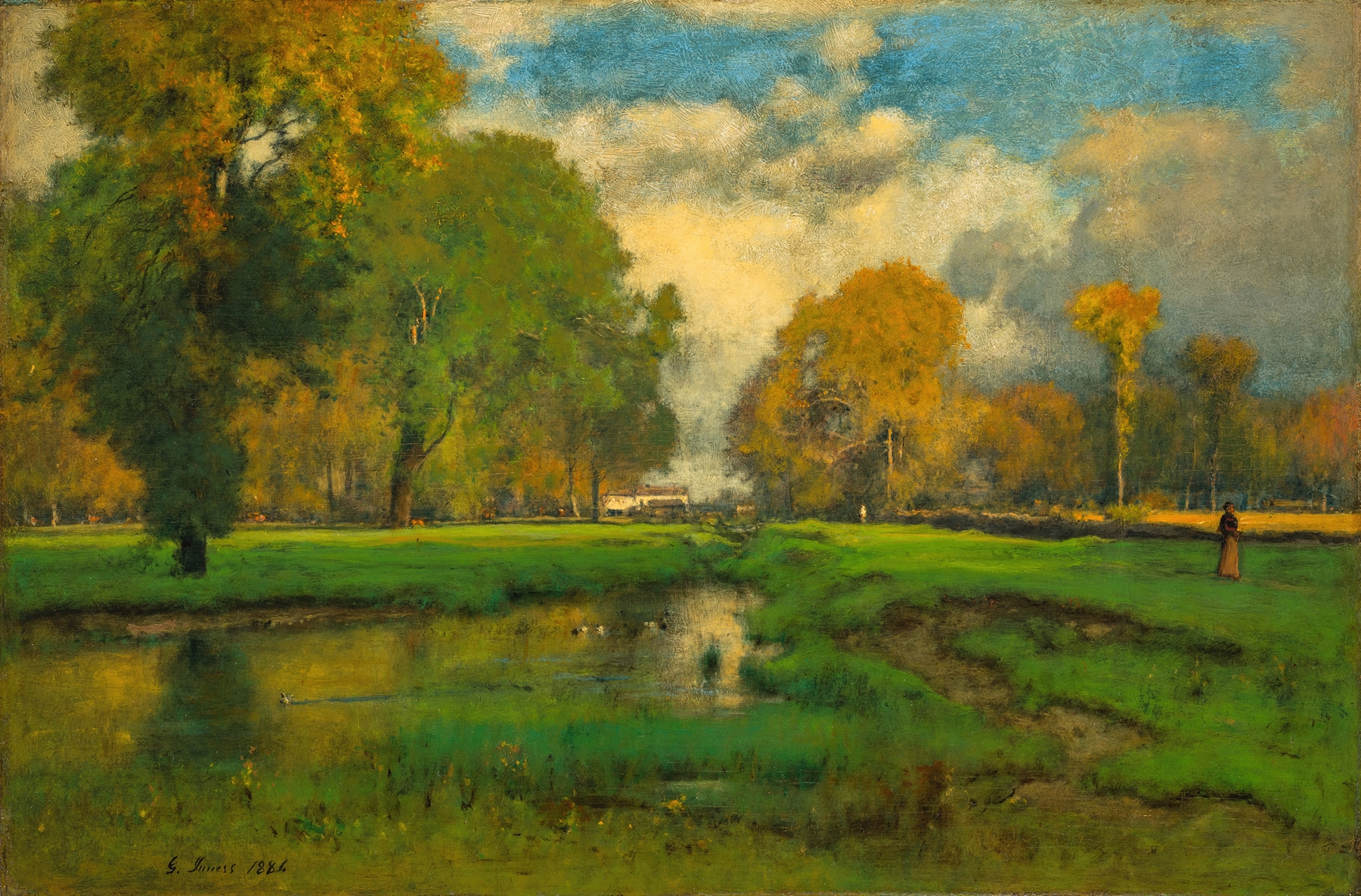
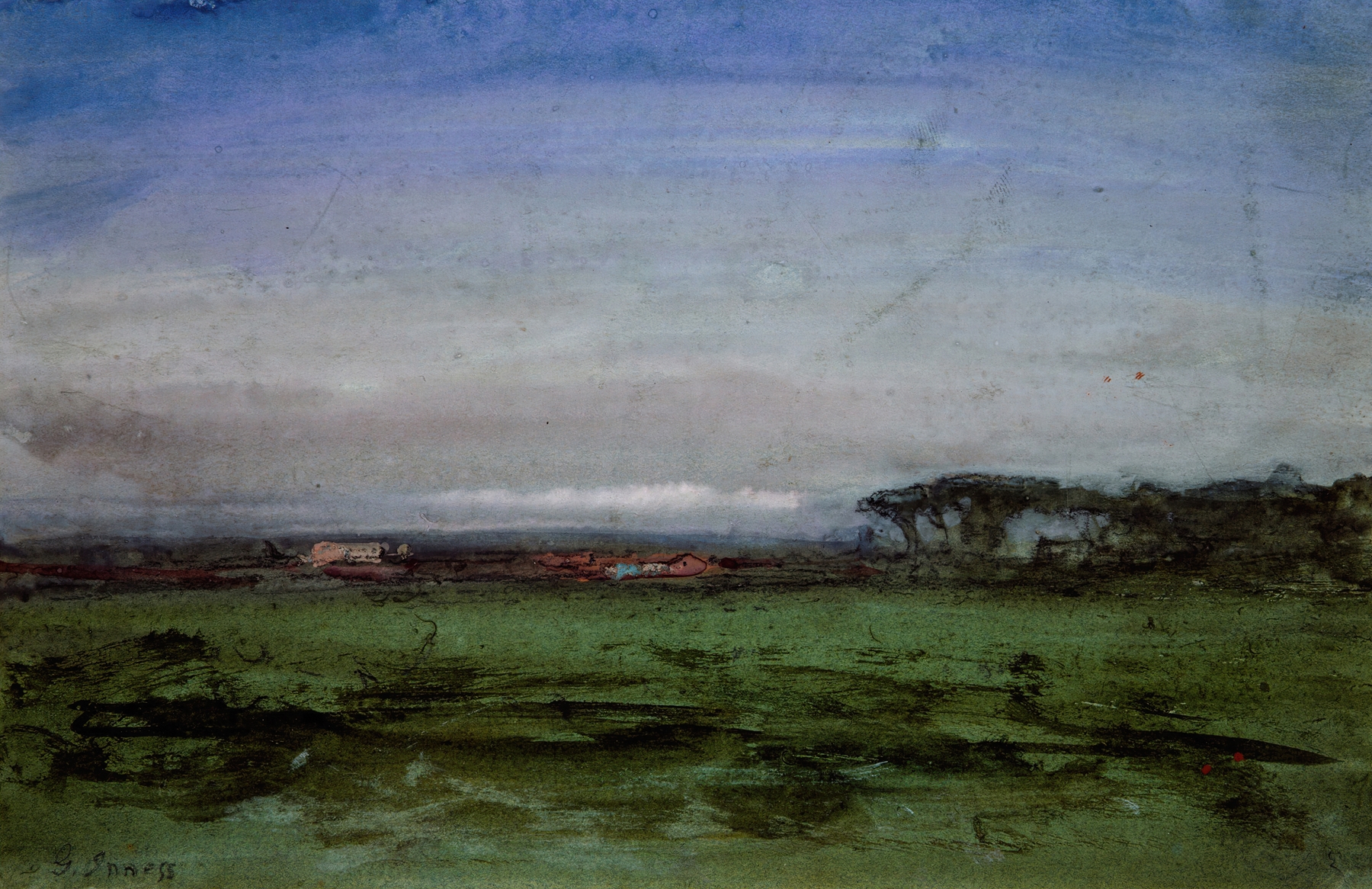
What if silence could speak through light? In The Mill Pond, tranquility drapes the landscape like a soft whisper, inviting contemplation in its serene embrace. Look to the left at the gentle curve of the water, where a silvery reflection captures the dappled sunlight filtering through the trees. The artist employs a palette rich in greens and browns, harmonizing with soft blues to evoke a calming atmosphere.
The brushwork is loose yet deliberate, creating a sense of movement in the leaves while maintaining the stillness of the pond—a deliberate contrast that guides your eye across the canvas. Notice how the foreground is adorned with lush grasses, subtly waving as if in conversation with the breeze, while the distant trees stand like silent sentinels. Each detail, from the serene ripples in the water to the delicate play of light upon the surface, carries a weight of meaning—contemplation, nature’s enduring beauty, and the passage of time. This juxtaposition of vivid life and still waters speaks to the emotions we often neglect in our fast-paced lives.
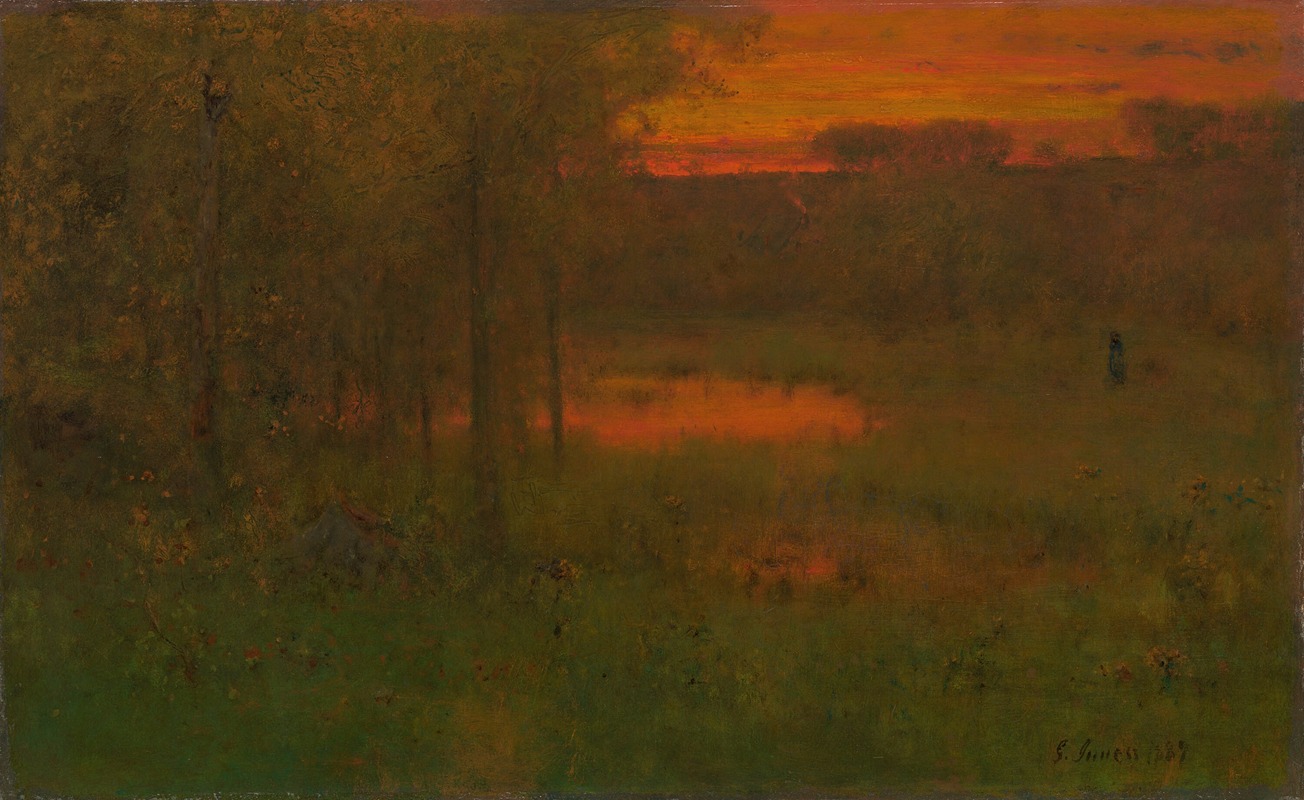
In 1889, George Inness painted this piece while residing in Montclair, New Jersey, immersed in a period of spiritual reflection and exploration of nature. During this time, he was deeply influenced by Transcendentalist ideals, seeking to capture the essence of the American landscape as a means of connecting with something greater than oneself. This artwork stands as a testament to that philosophy, inviting viewers to pause and find serenity within the scene.