The Pond at Les Luneaux, Allier — History & Analysis
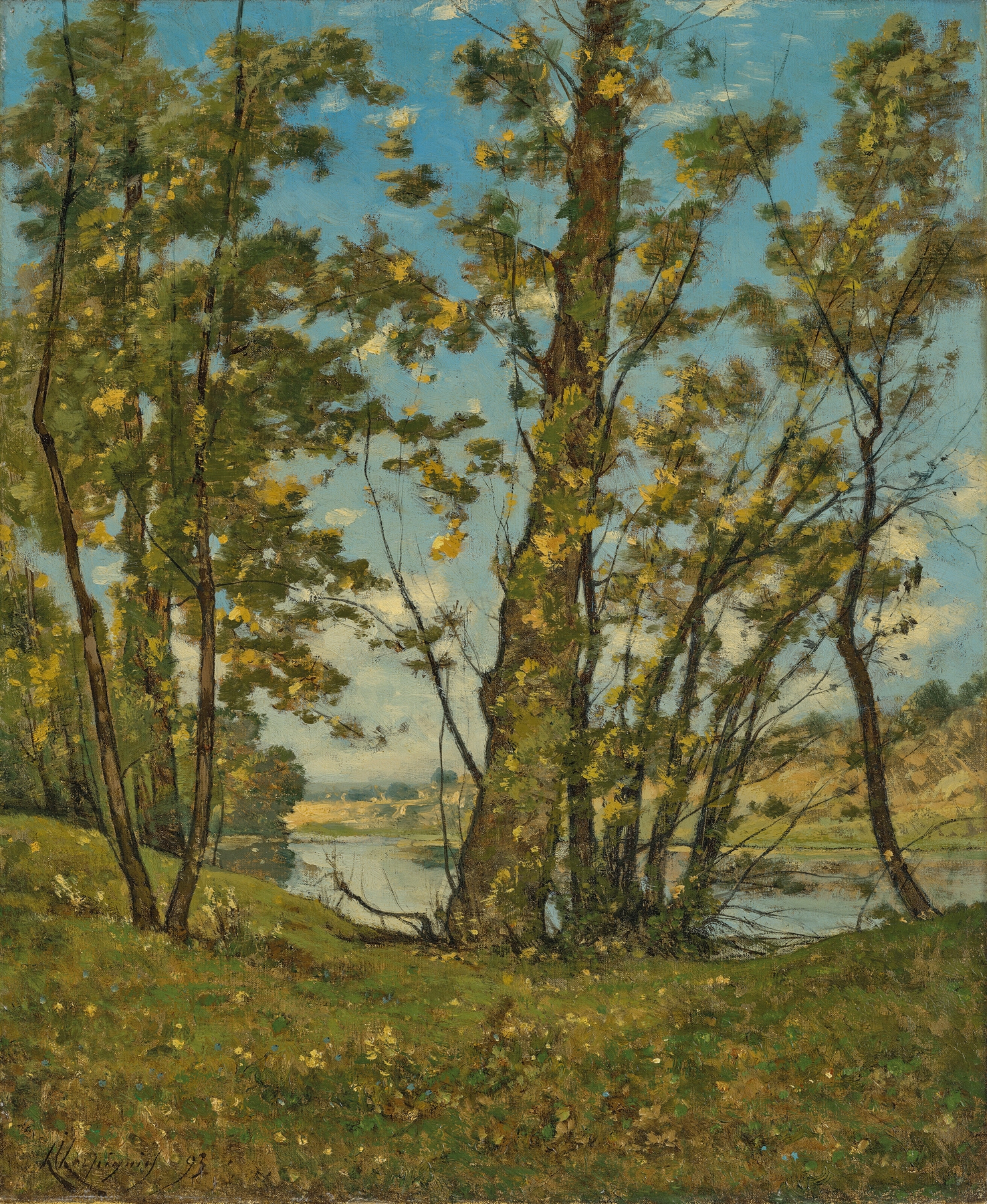
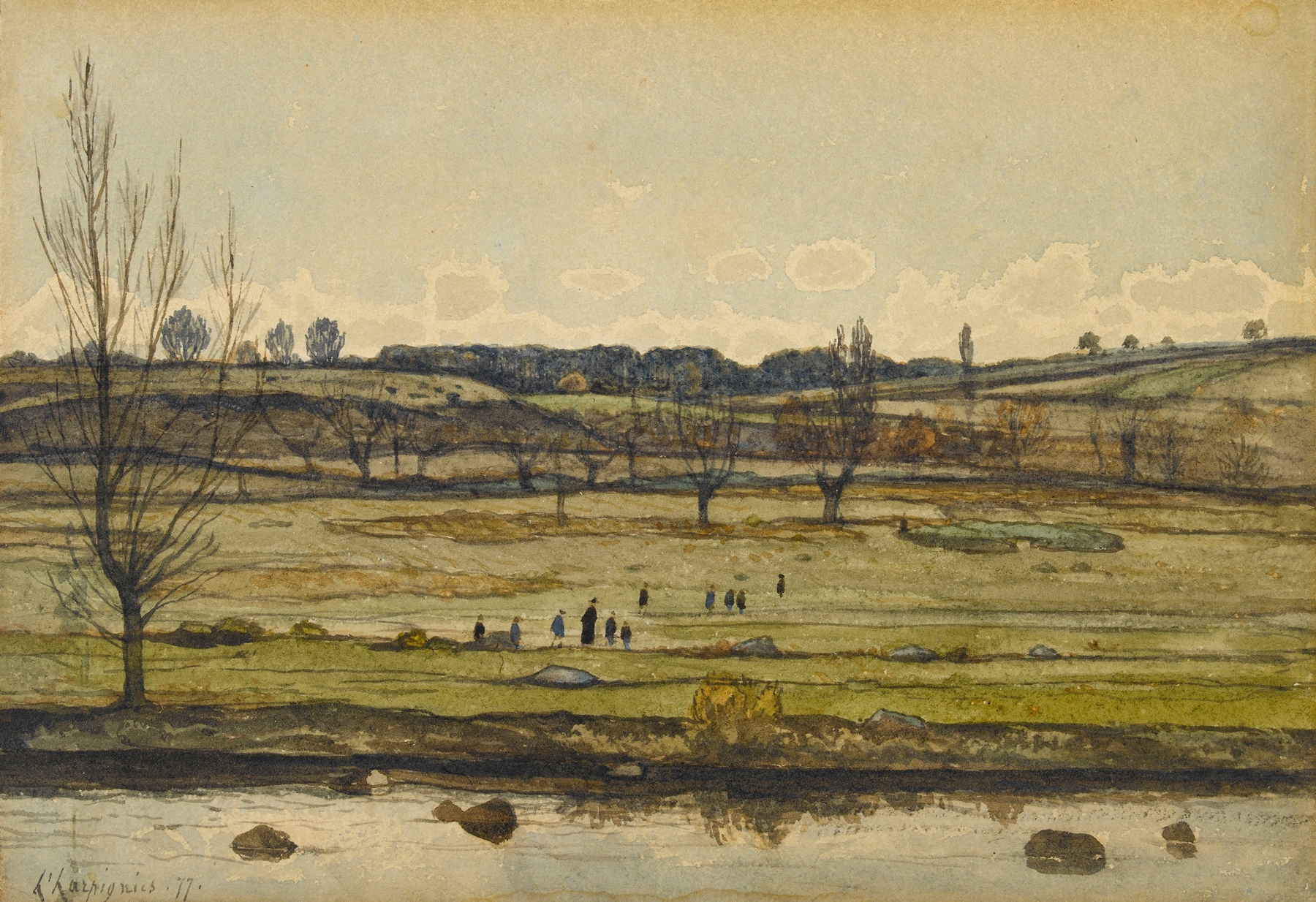
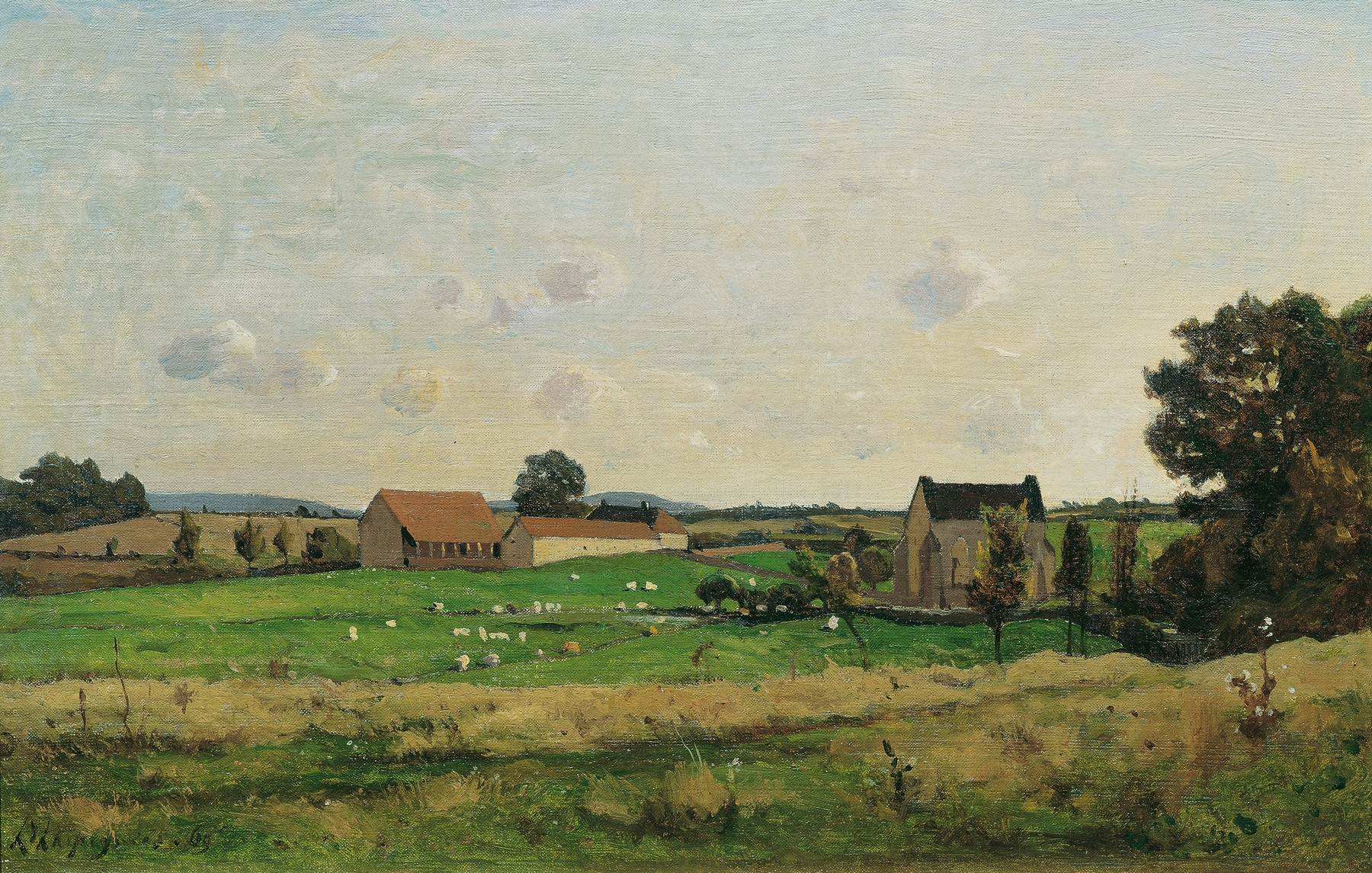
Did the painter know this moment would outlive them? In the serene embrace of nature, where light dances upon the water's surface, destiny unfolds quietly, waiting to be discovered by future eyes. Look to the left at the delicate interplay of greens and blues, where the trees arch gracefully over the pond. The artist’s brushstrokes evoke a soft, impressionistic blur, inviting you to immerse yourself in the tranquility.
Notice how the reflections ripple gently, blurring the line between reality and the dreamlike quality of the scene. The palette is a symphony of earthy tones, underscoring the peaceful coexistence of land and water, each stroke a testament to the artist's reverence for nature's beauty. Amidst this idyllic landscape lies a deeper tension — the contrast between stillness and the passage of time. The tranquil pond, a mirror of the observer's soul, holds secrets of existence, suggesting that even the simplest moments are imbued with profound significance.
The vibrant flora framing the scene hints at life’s cycles, the inevitable ebb and flow that shapes both nature and human experience, inviting contemplation on what remains after we are gone. In 1911, when this artwork came to life, Henri-Joseph Harpignies was deeply embedded in the French art scene. Known for his landscapes, he painted during a time of burgeoning modernism and shifting artistic conventions. Having established his reputation as a master of light and color, he continued to explore the poetic essence of the natural world, capturing fleeting moments that speak to the eternal, even as the world around him began to change dramatically.