The Rialto — History & Analysis
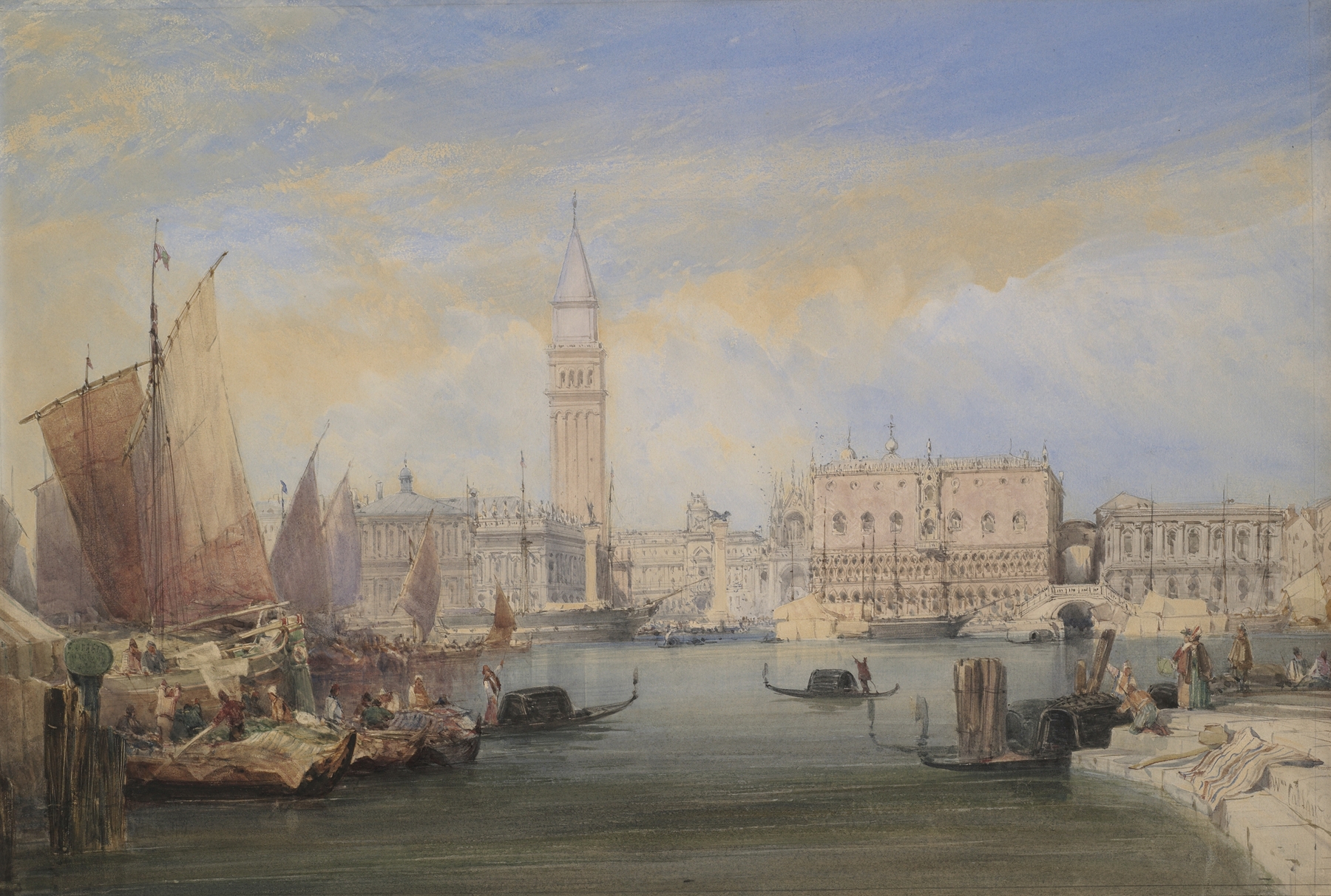
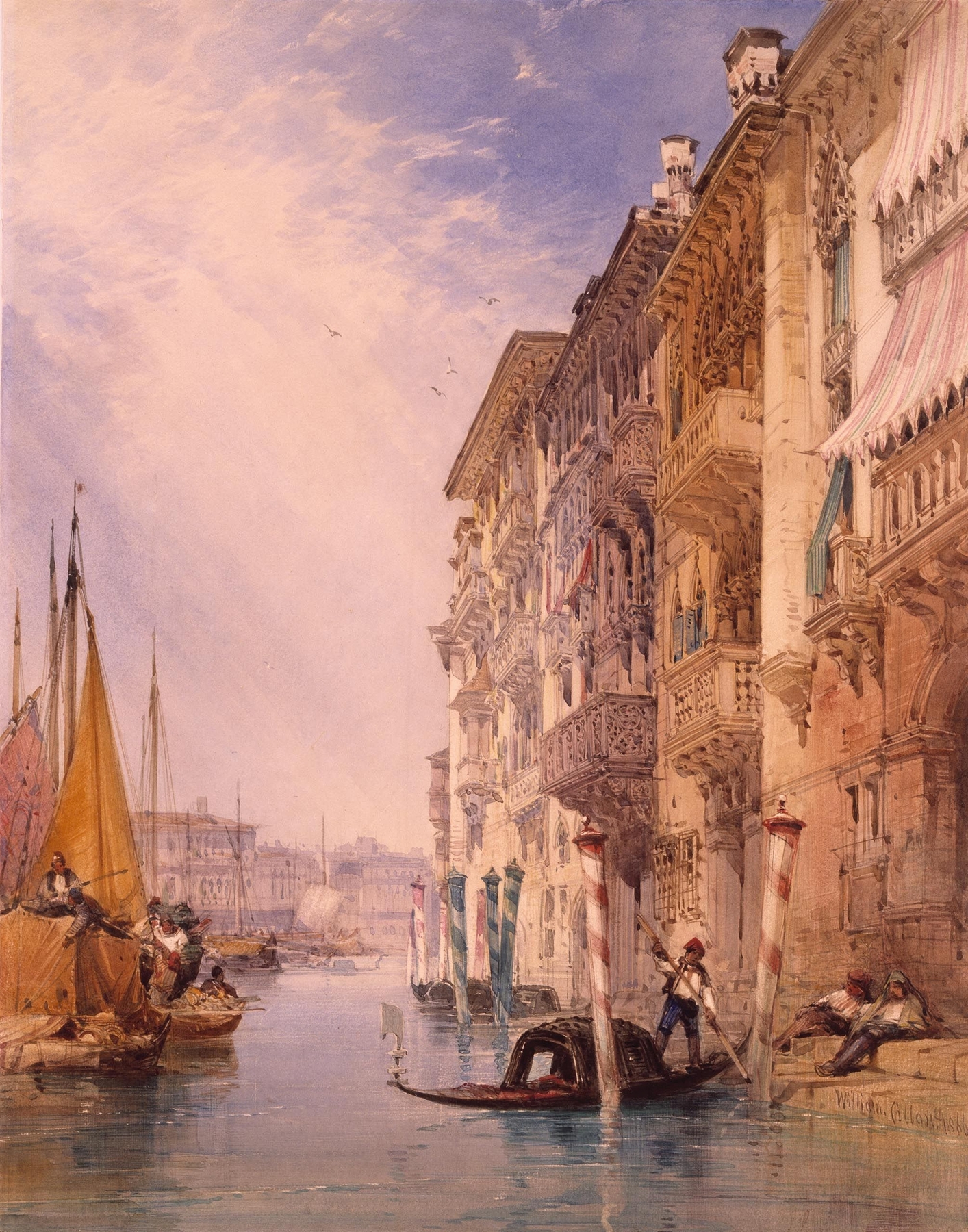
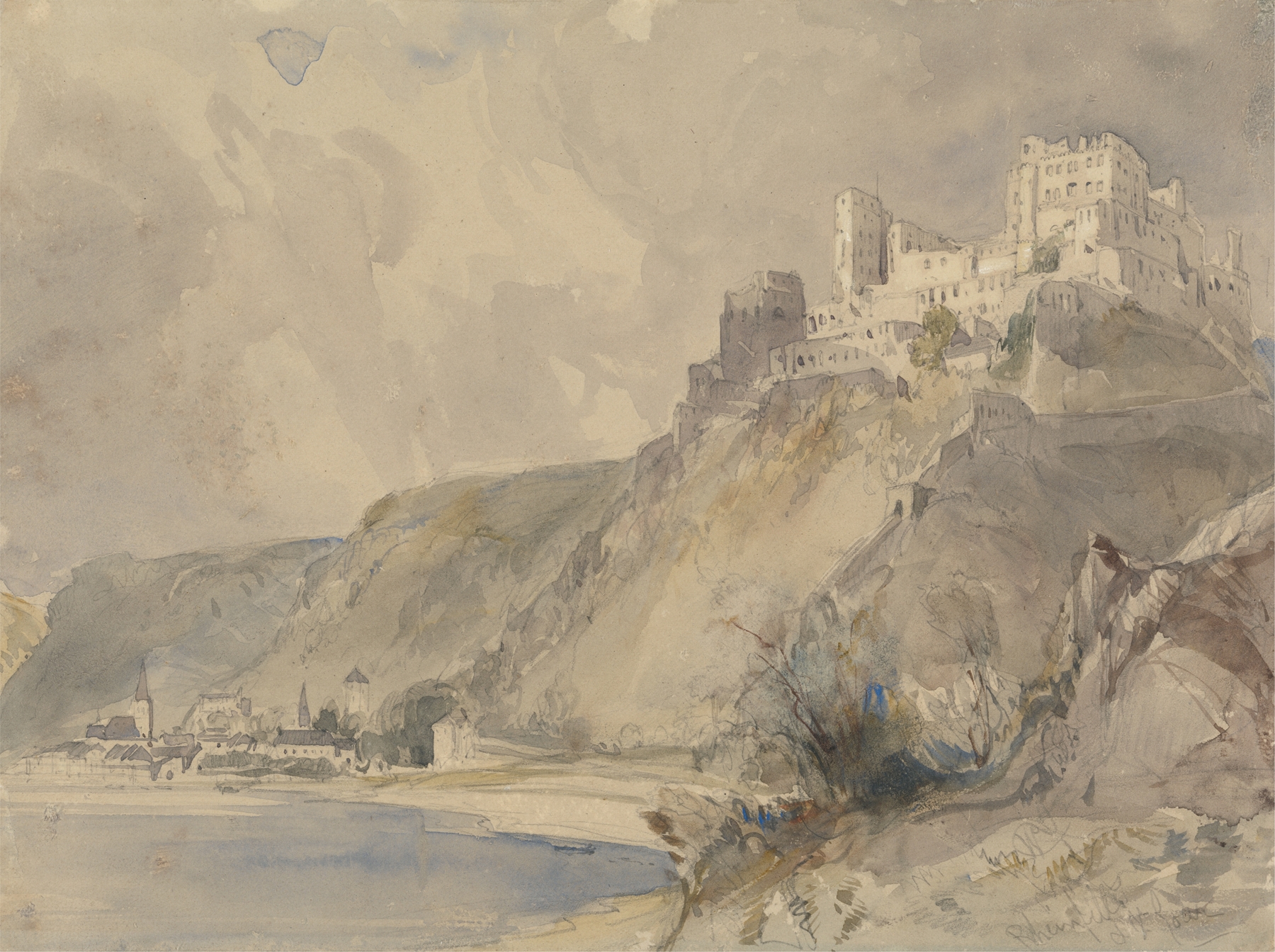
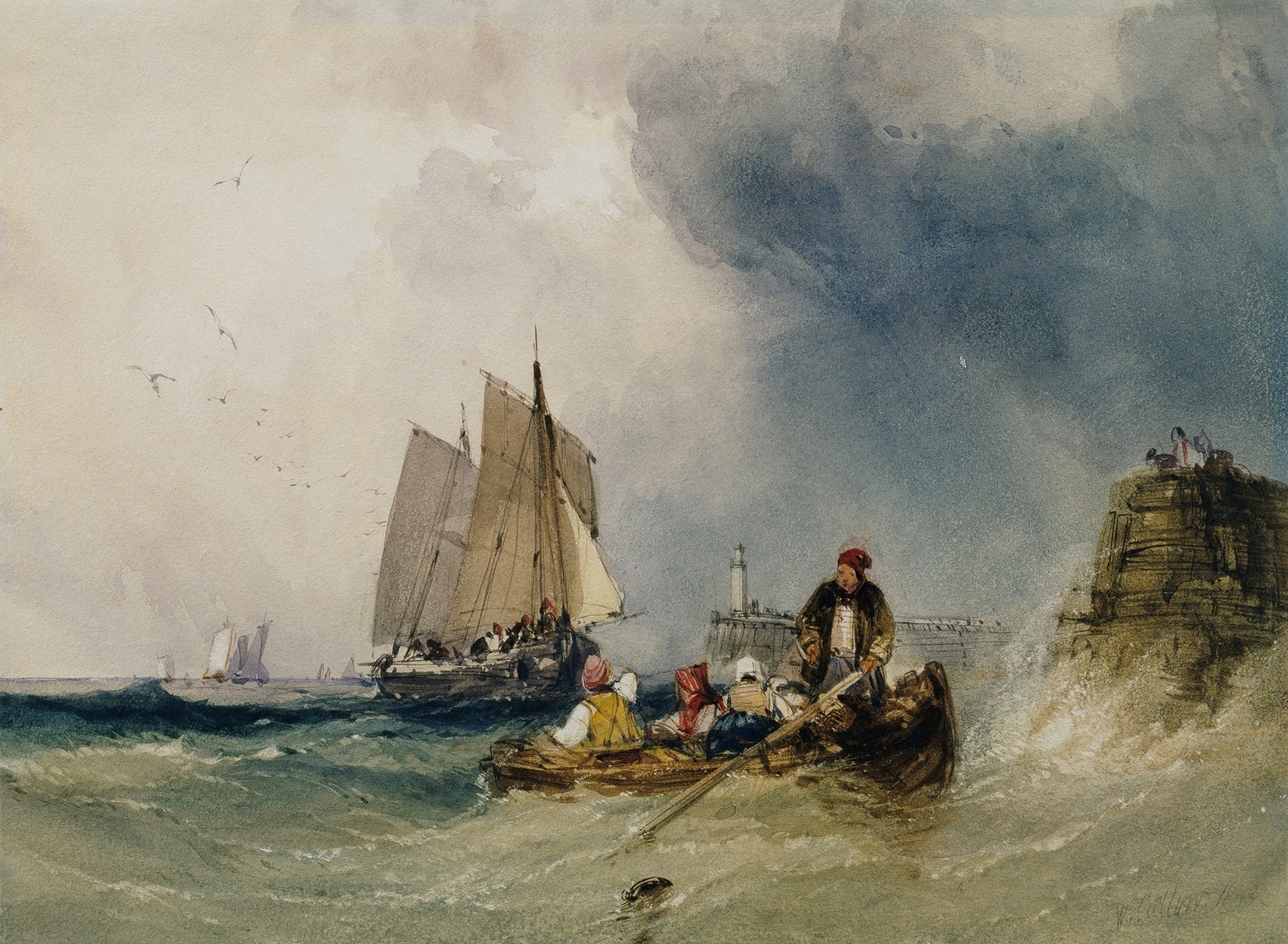
“Art reveals the soul when the world turns away.” In the stillness of a moment, the essence of time is suspended, beckoning us to pause and reflect. Focus on the serene expanse of water that dominates the foreground, its surface shimmering with the soft glow of twilight. Look closely at the boats gently bobbing, their sails catching the last whispers of daylight. Notice the delicate interplay of blues and golds, revealing a masterful technique that captures the subtle transition from day to night, hinting at the ephemeral nature of both light and life.
As you explore the scene further, consider the figures engaged in quiet conversation, their expressions hinting at deeper stories yet untold. The juxtaposition of the rustic architecture against the ethereal sky embodies a harmony between the past and the present, while the reflections in the water suggest a longing for moments gone by. Each detail weaves together a narrative of existence, framing the notion that time, like the water’s surface, is both constant and fleeting.
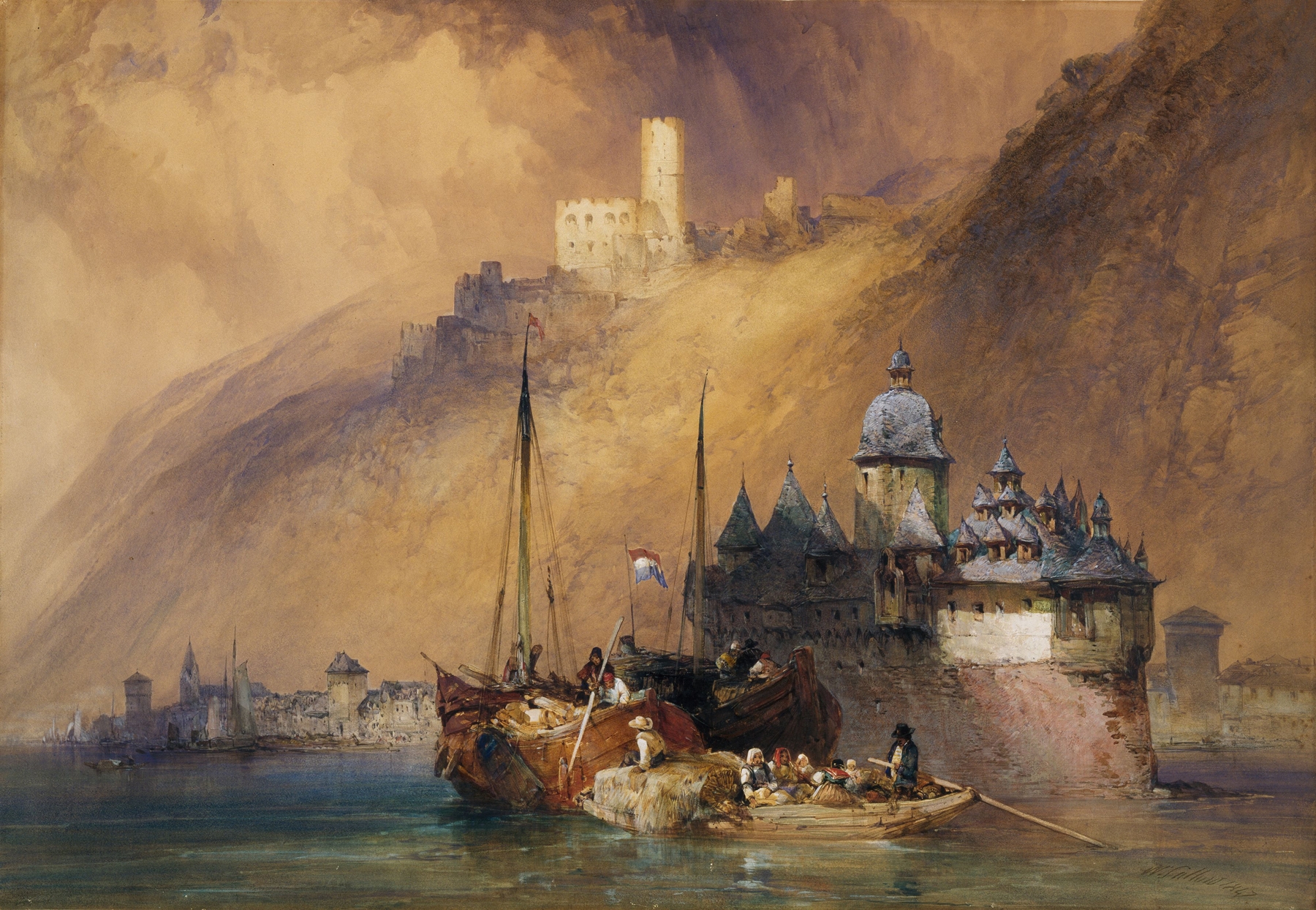
William Callow painted this piece in 1846 during a period of great change in Europe. Living in London, he was part of a burgeoning art scene that embraced new techniques and perspectives. This work reflects his fascination with light and atmosphere, as well as his deep appreciation for the places captured in his travels, such as the vibrant scenes of Venice that inspired works like The Rialto.