The Road to Gelmeroda — History & Analysis
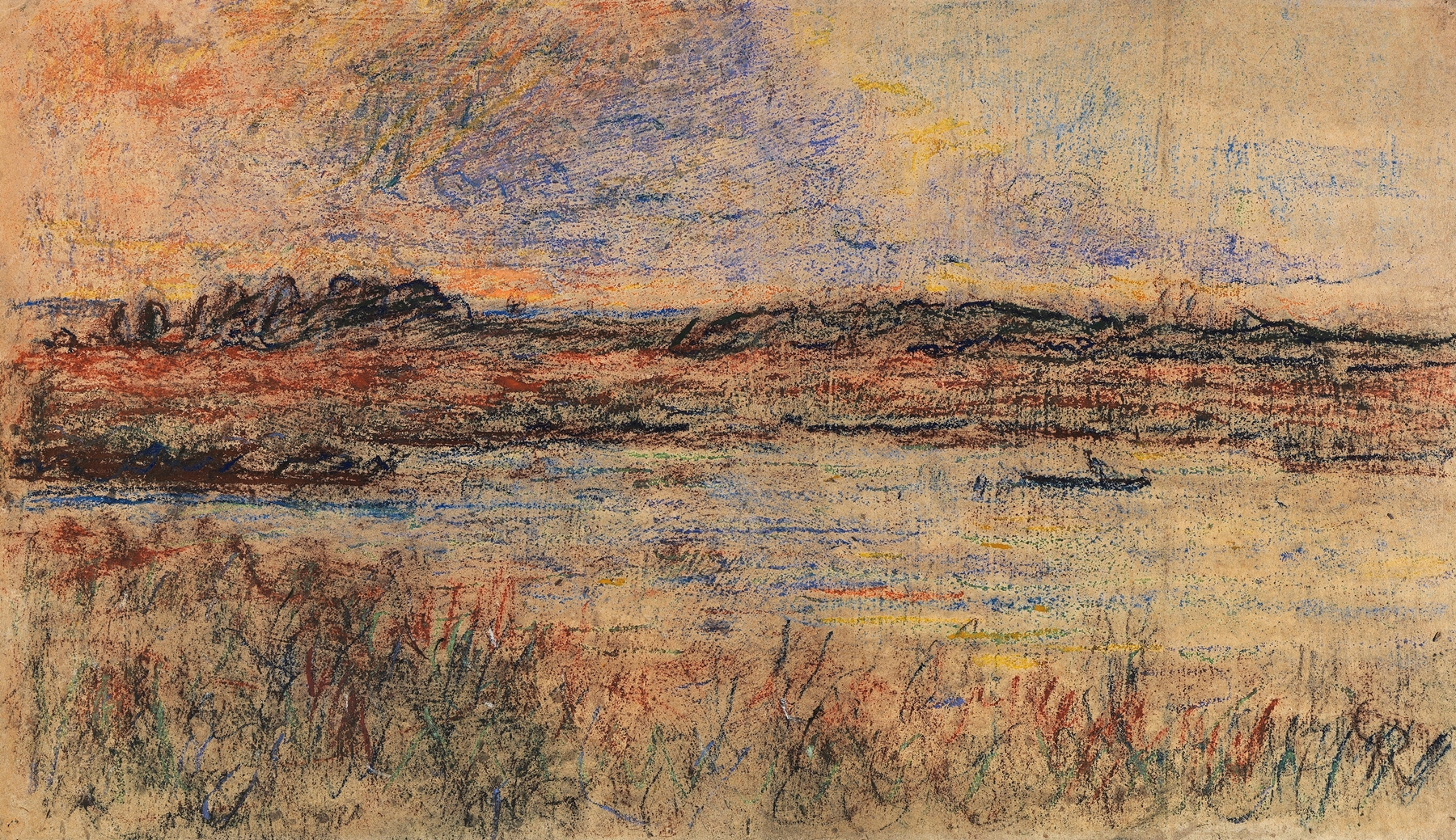
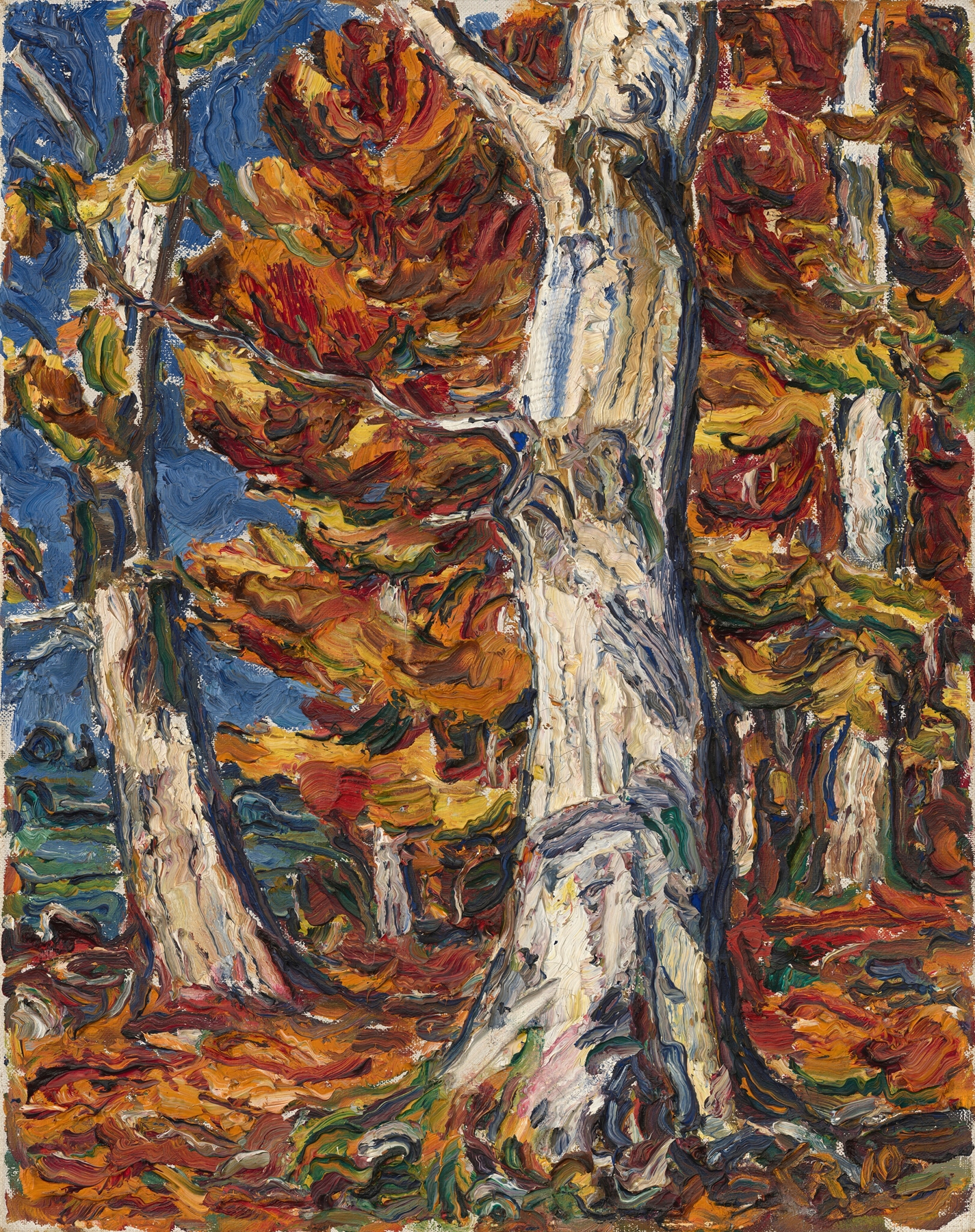
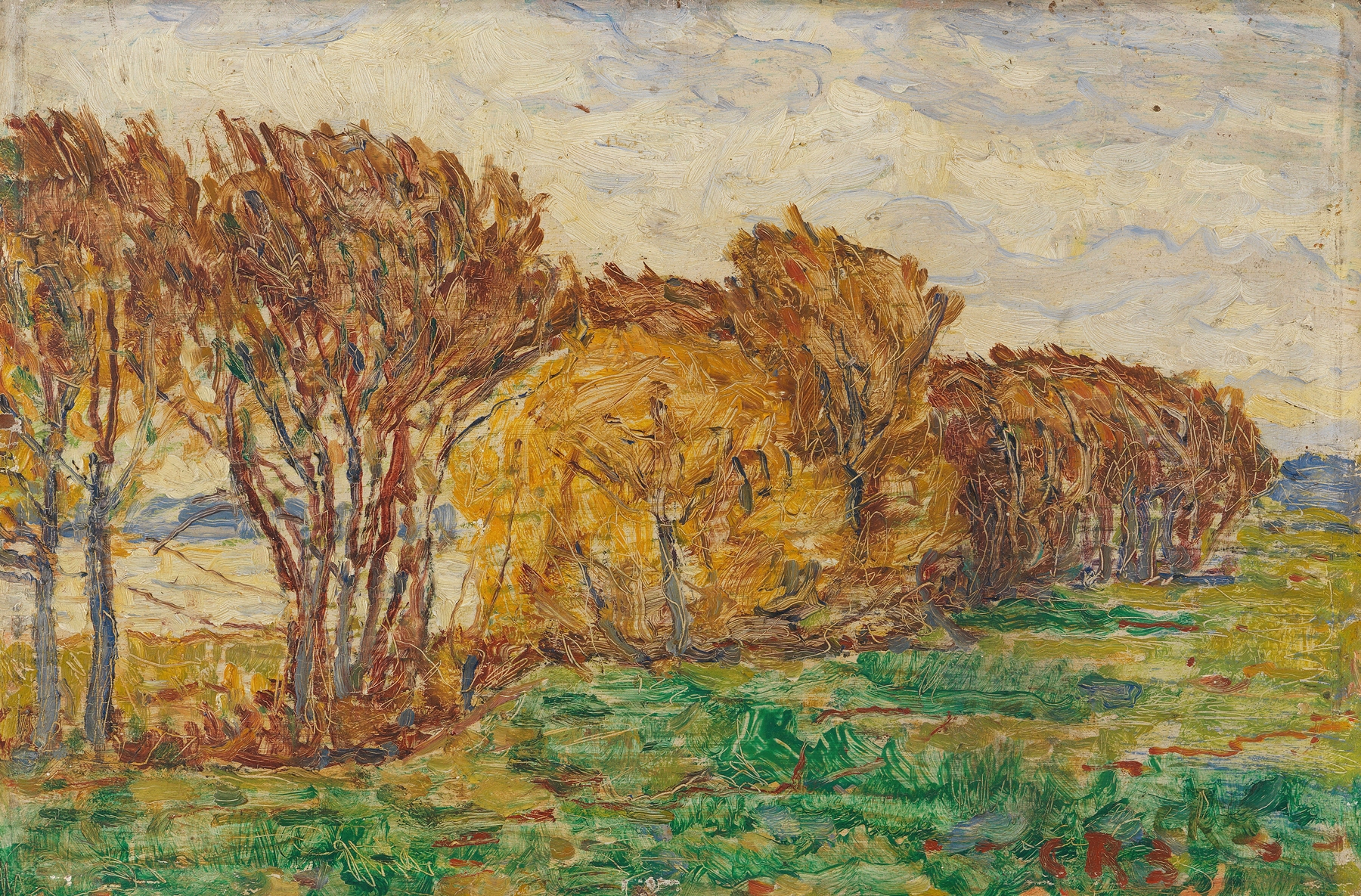
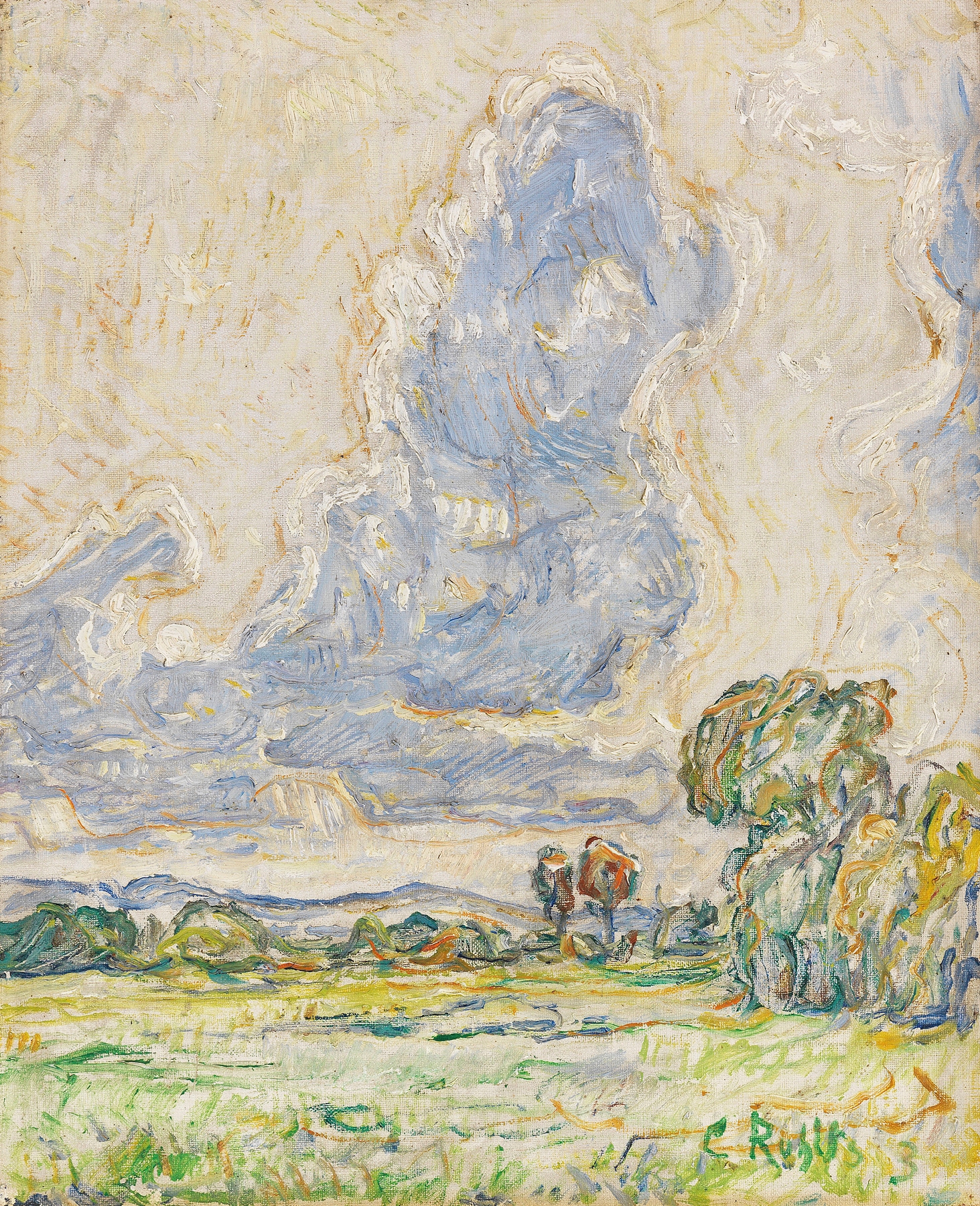
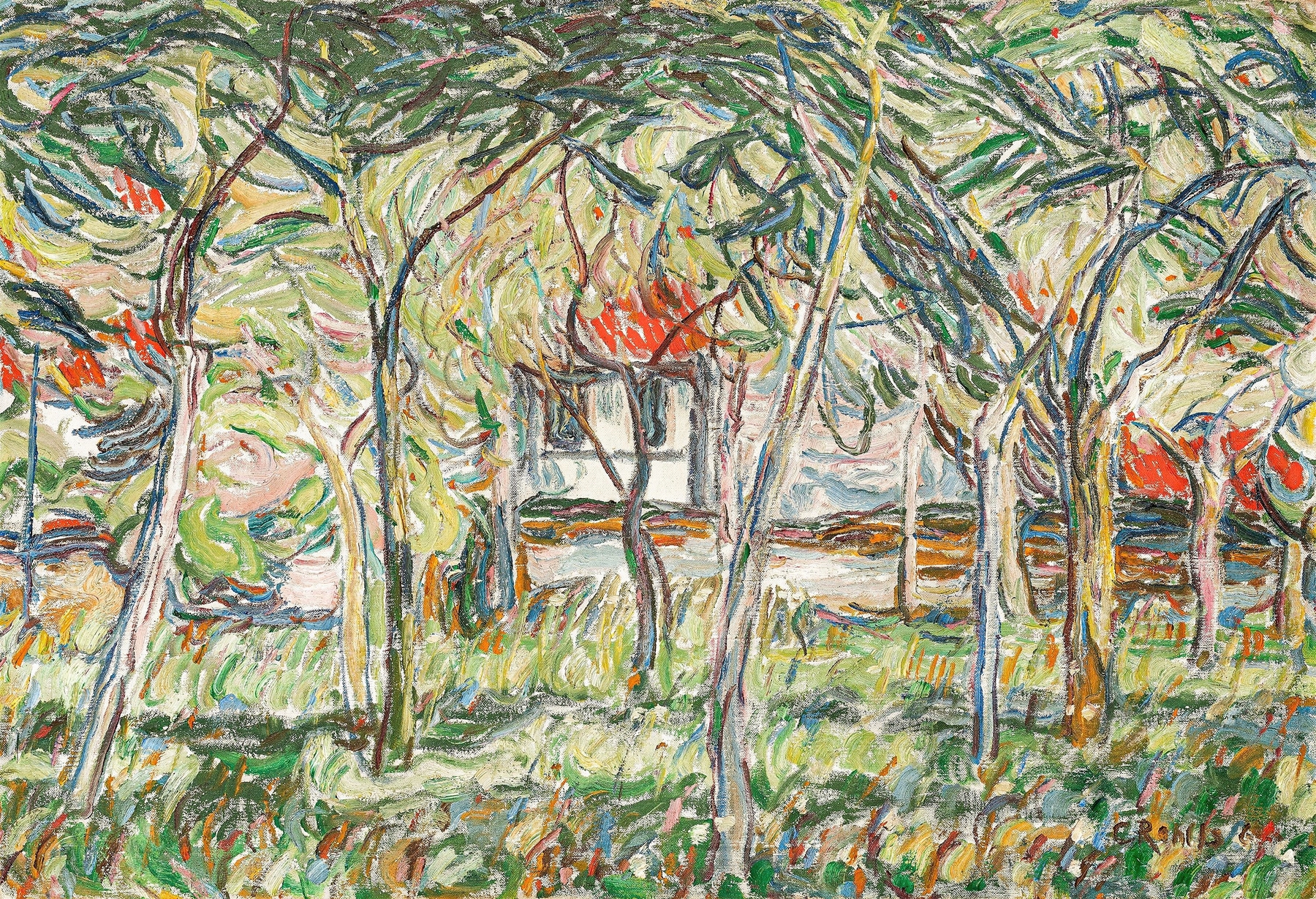
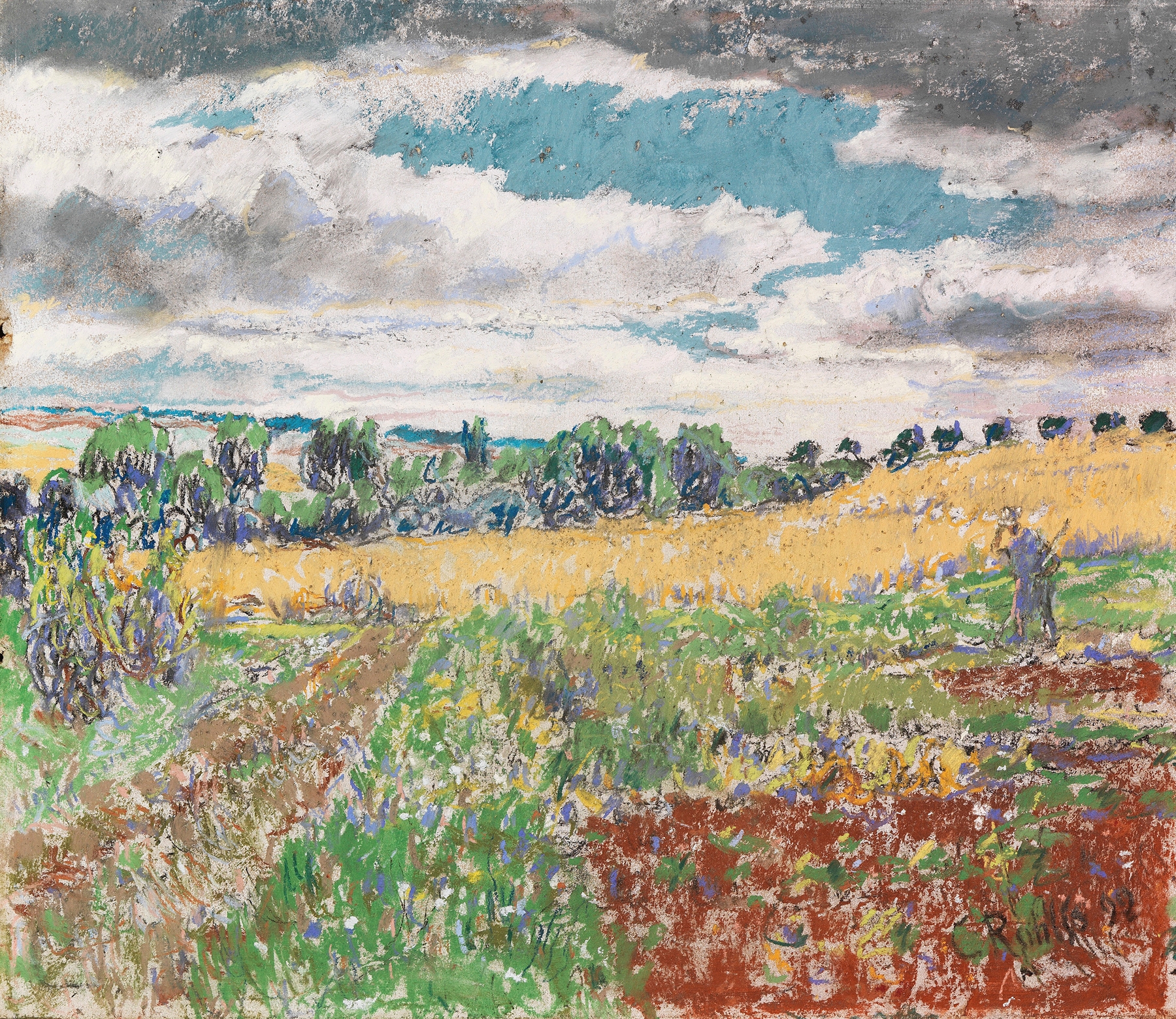
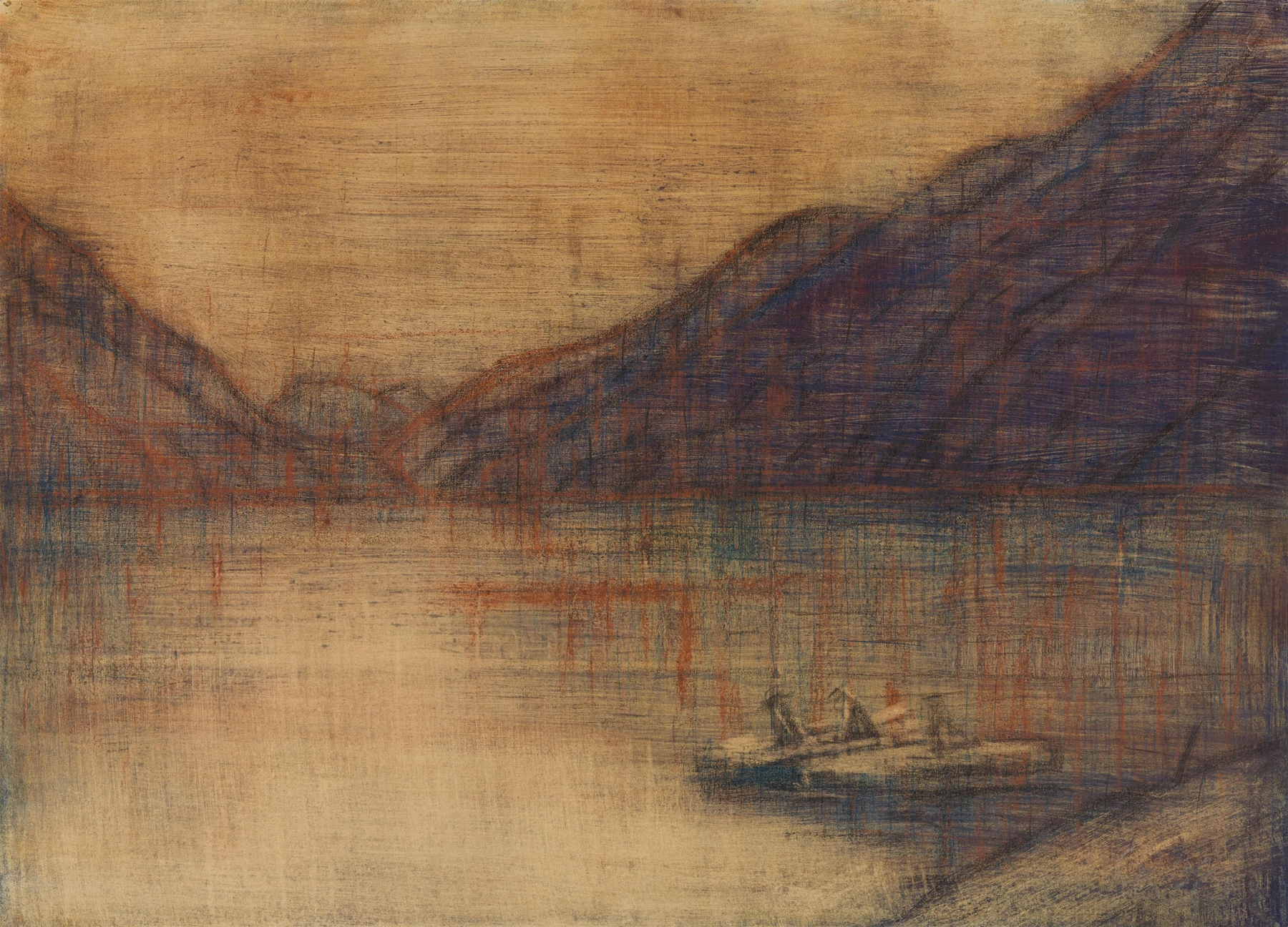
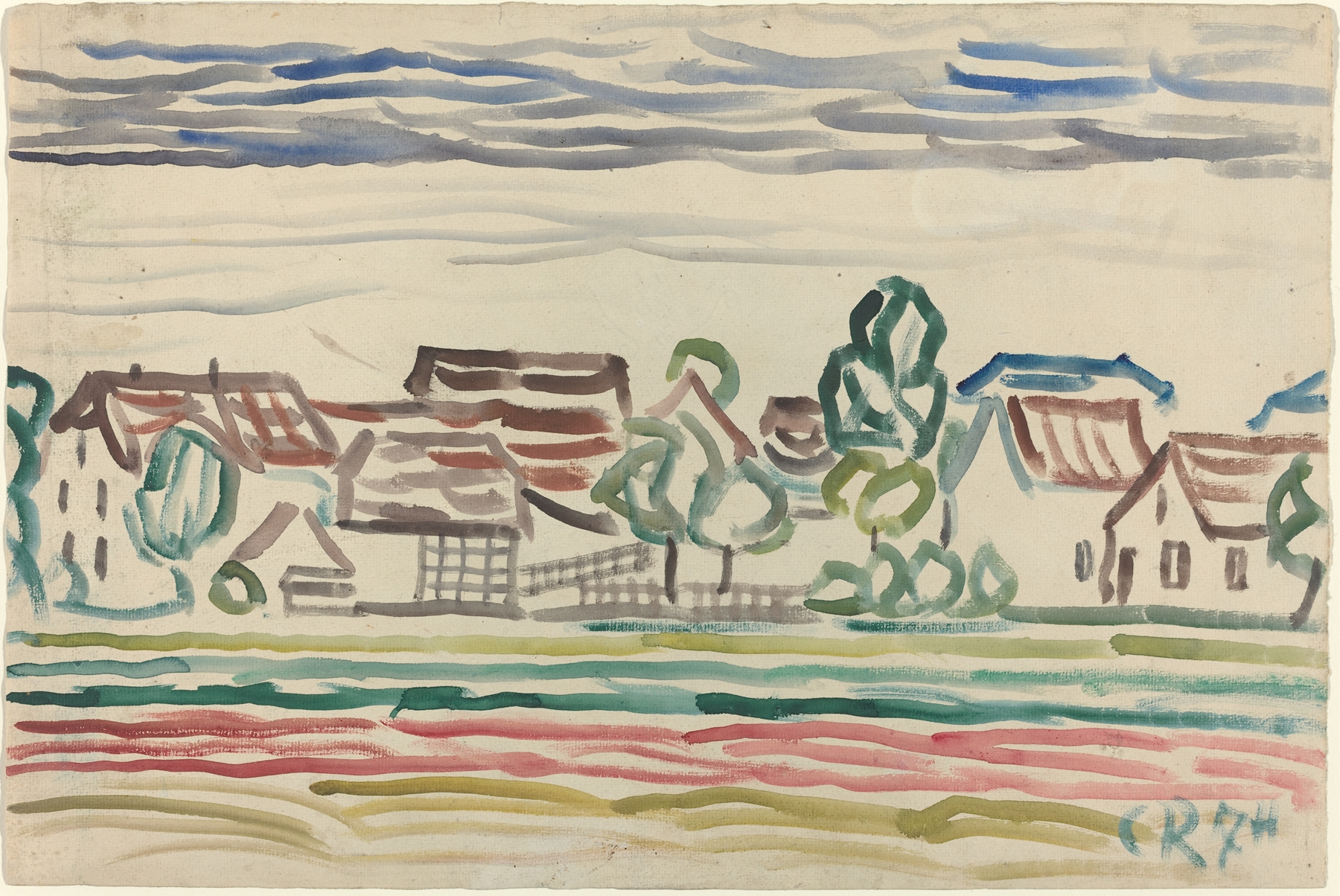
What secret hides in the quiet of the canvas? The fragility of existence often whispers more than it shouts, inviting us to linger in its delicate embrace. Look to the left at the winding road, its muted tones beckoning the viewer’s gaze. The earthy browns and soft greens bring a sense of harmony, contrasting with the stark, jagged lines of the trees that flank the path like solemn sentinels. Notice how the horizon melts into a gentle blue, blurring the boundaries between land and sky.
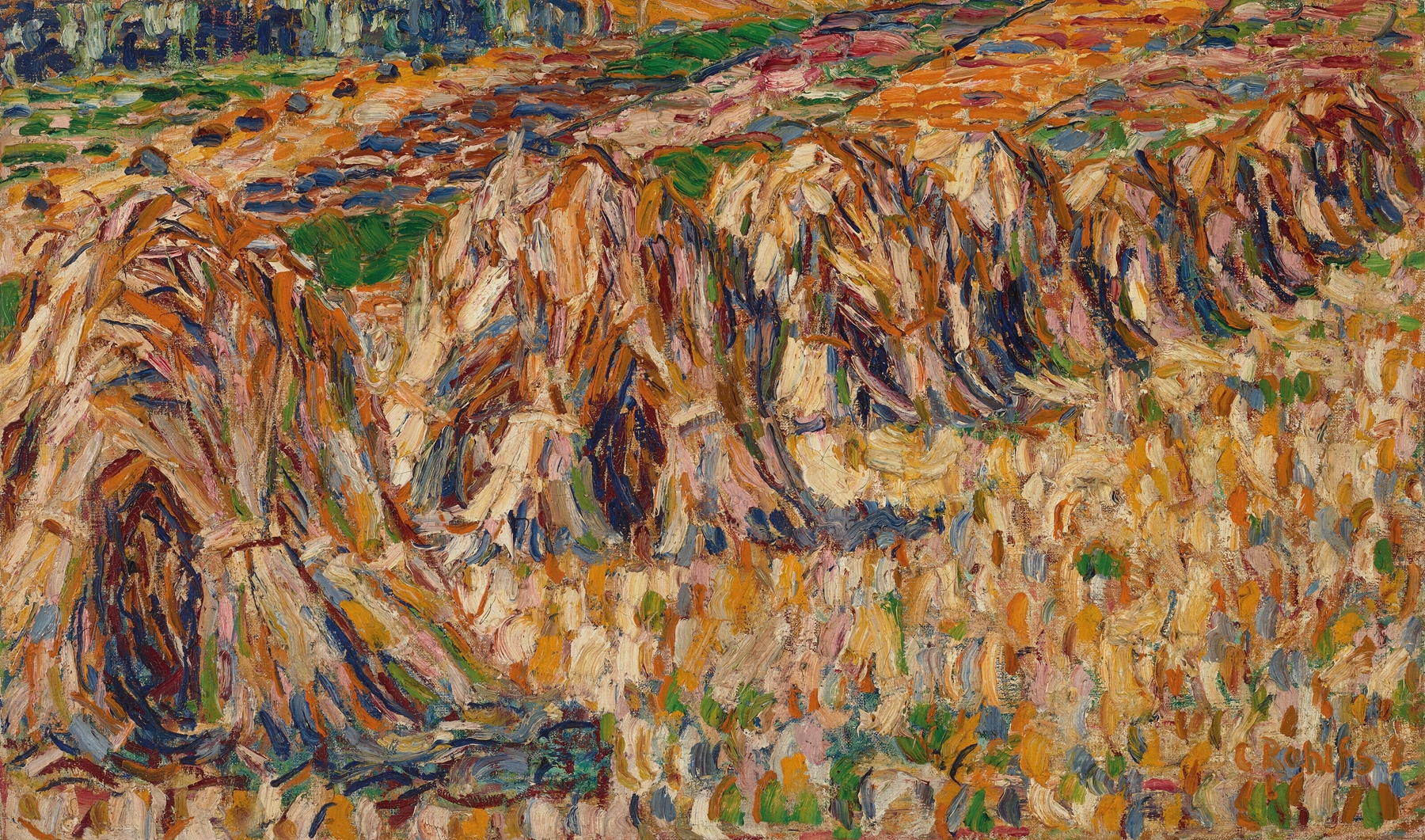
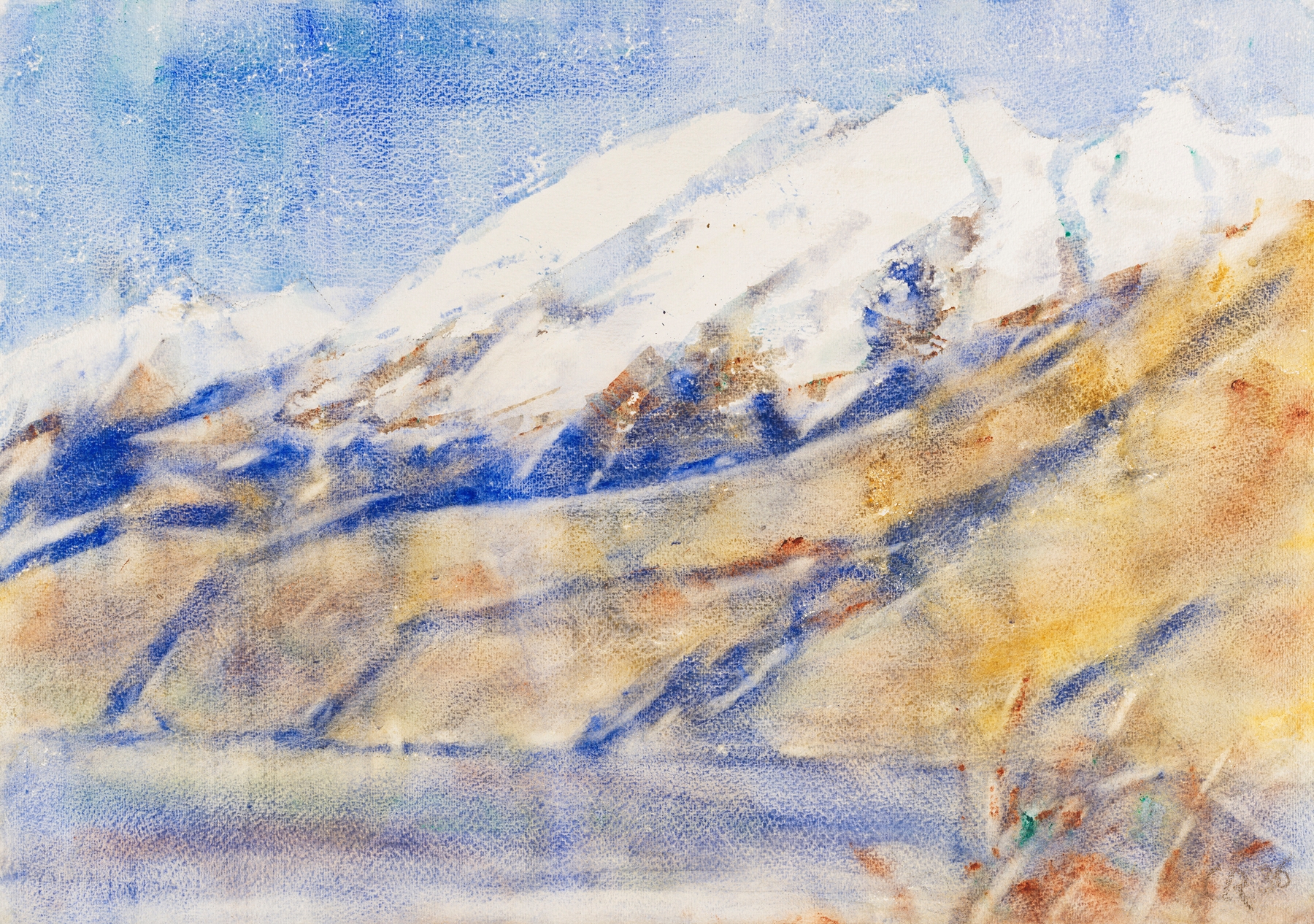
The brushwork feels both intentional and organic, each stroke revealing Rohlfs’ hand as he captures the transient moment where nature meets human endeavor. The painting evokes emotional tension through its stillness, presenting an almost melancholic atmosphere. The road, a symbol of life's journey, is rife with uncertainty, suggesting both the promise and perils that lie ahead. The delicate interplay between light and shadow amplifies this sense of fragility, highlighting the vulnerability inherent in stepping into the unknown.
Each element within the composition reflects a deeper exploration of how we navigate the complexities of life, caught between hope and hesitation. Created during a period of personal and artistic introspection, Rohlfs painted this piece in 1893 while living in Germany, a time marked by shifts in the artistic landscape. He was influenced by the burgeoning movement of Expressionism, seeking to transcend mere representation and delve into the emotional undercurrents of his subjects. The tensions of his era — industrialization and cultural transformation — permeate his work, inviting viewers to reflect on their own roads traveled.