The Side Streets — History & Analysis
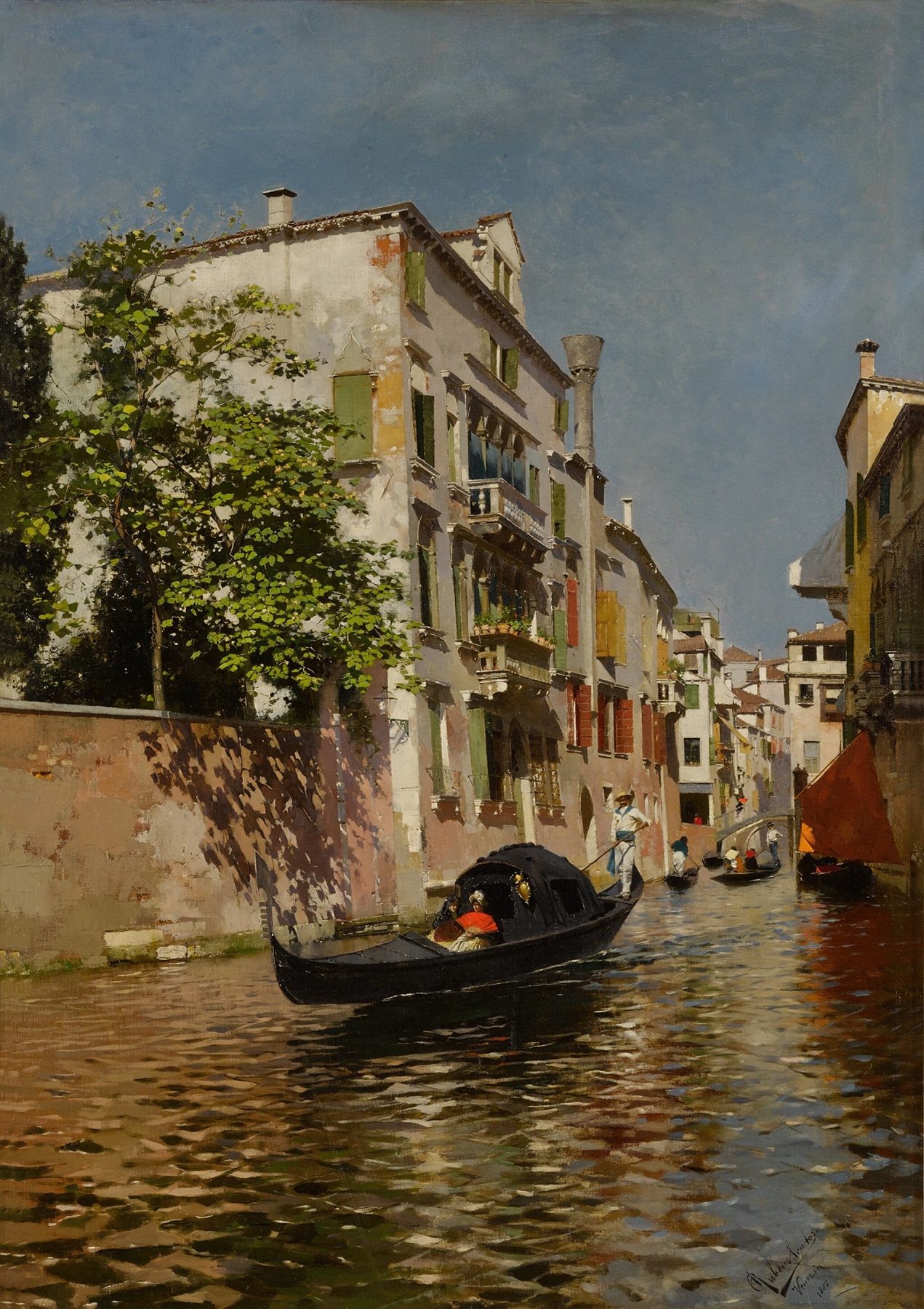
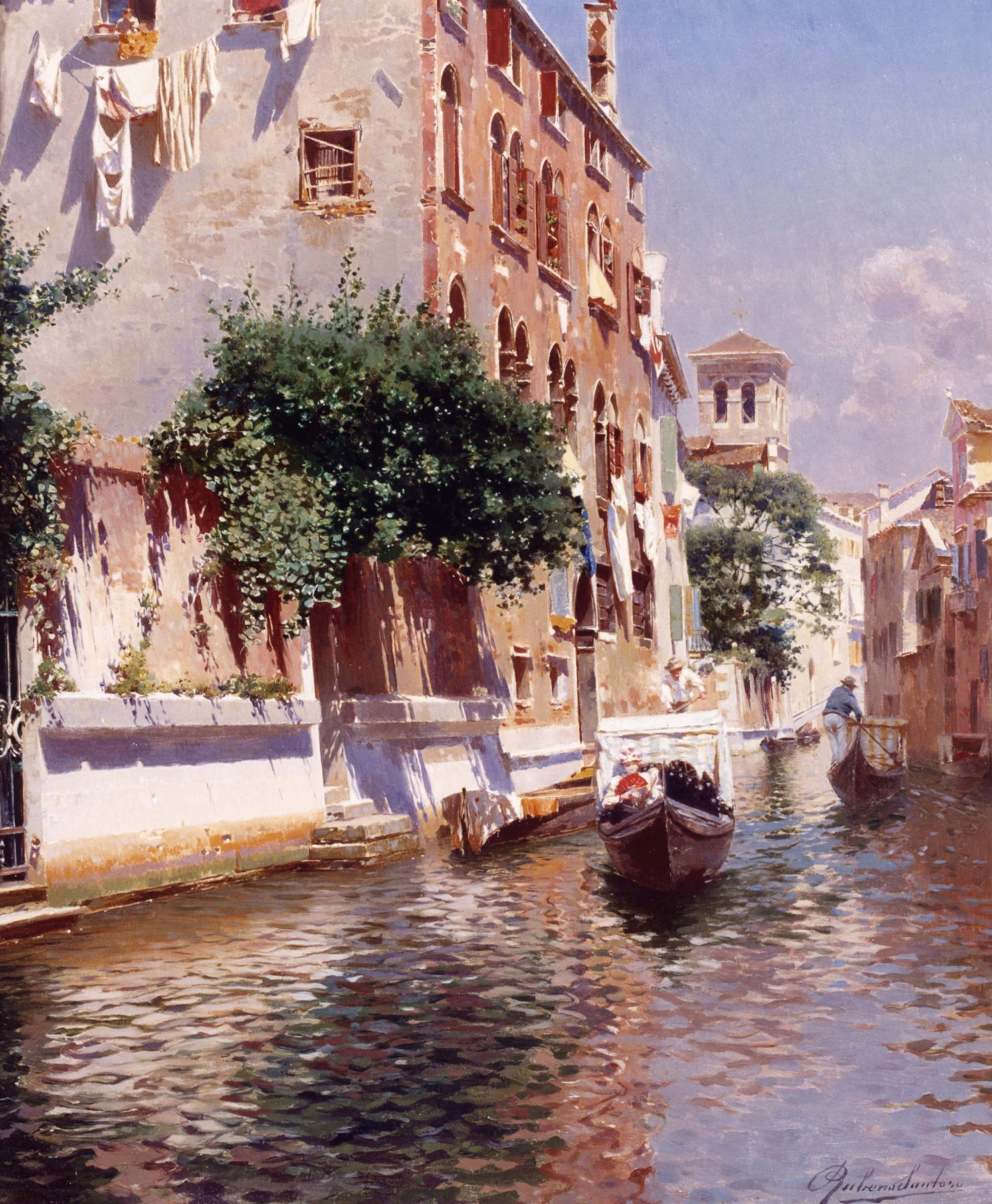
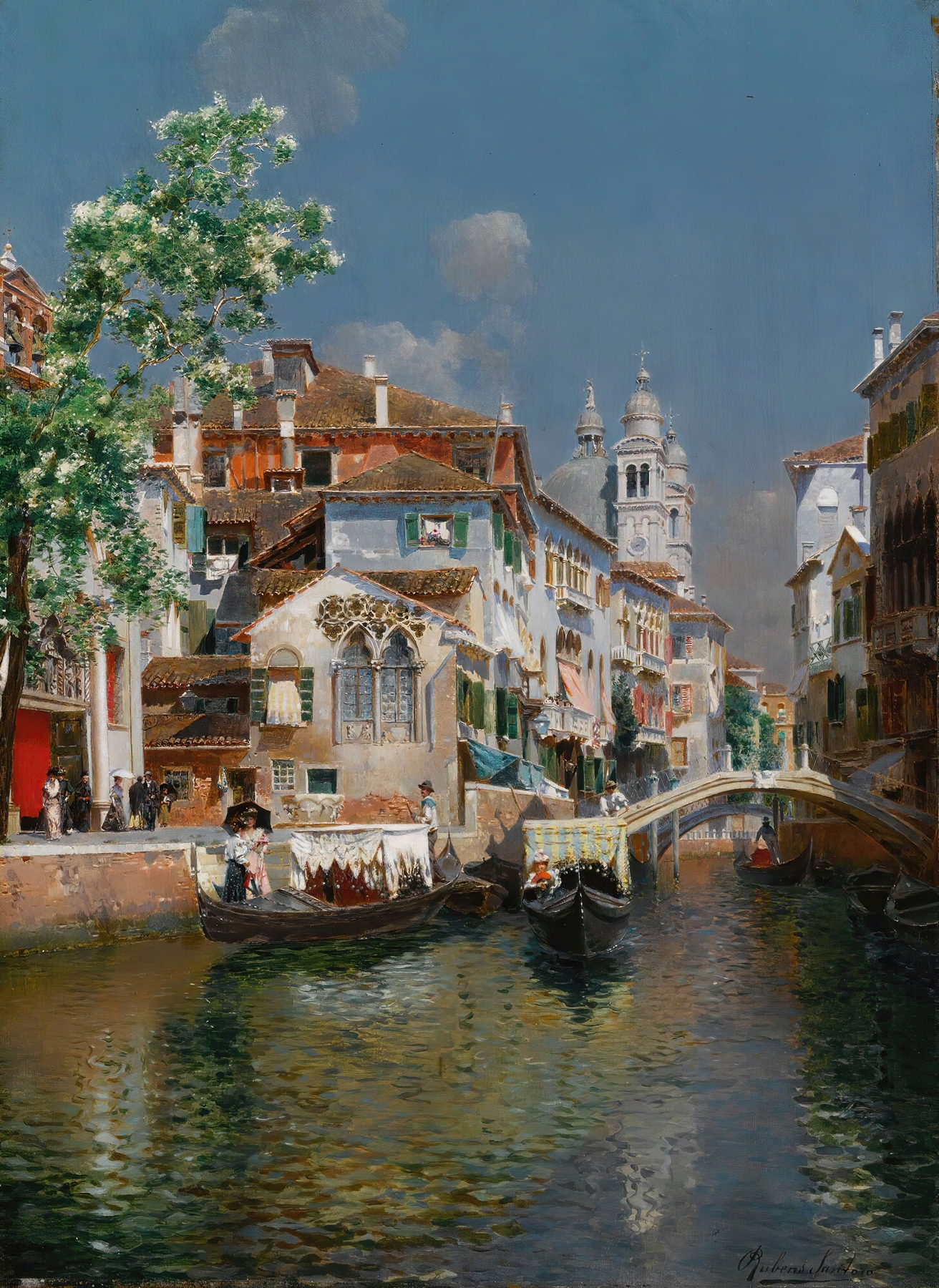
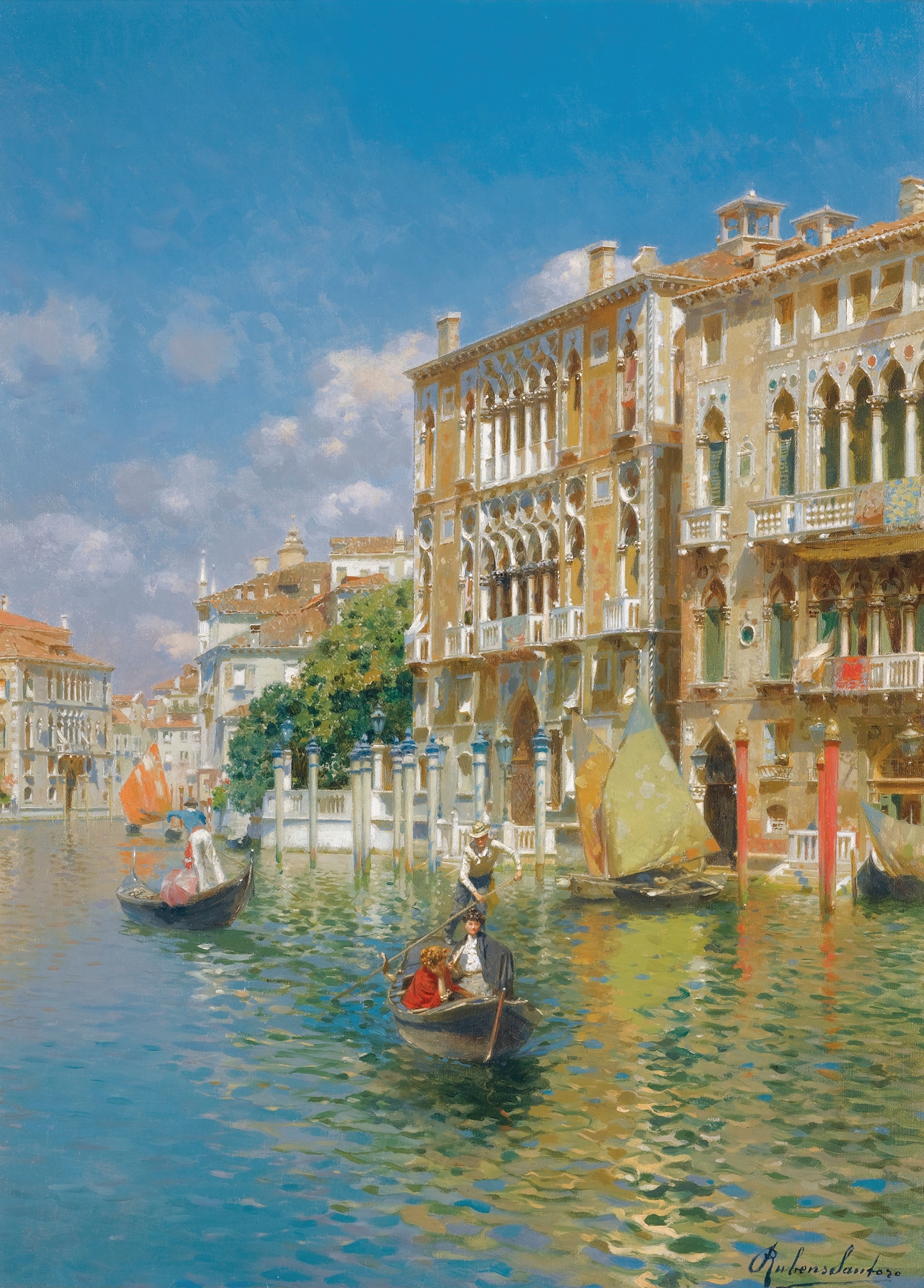
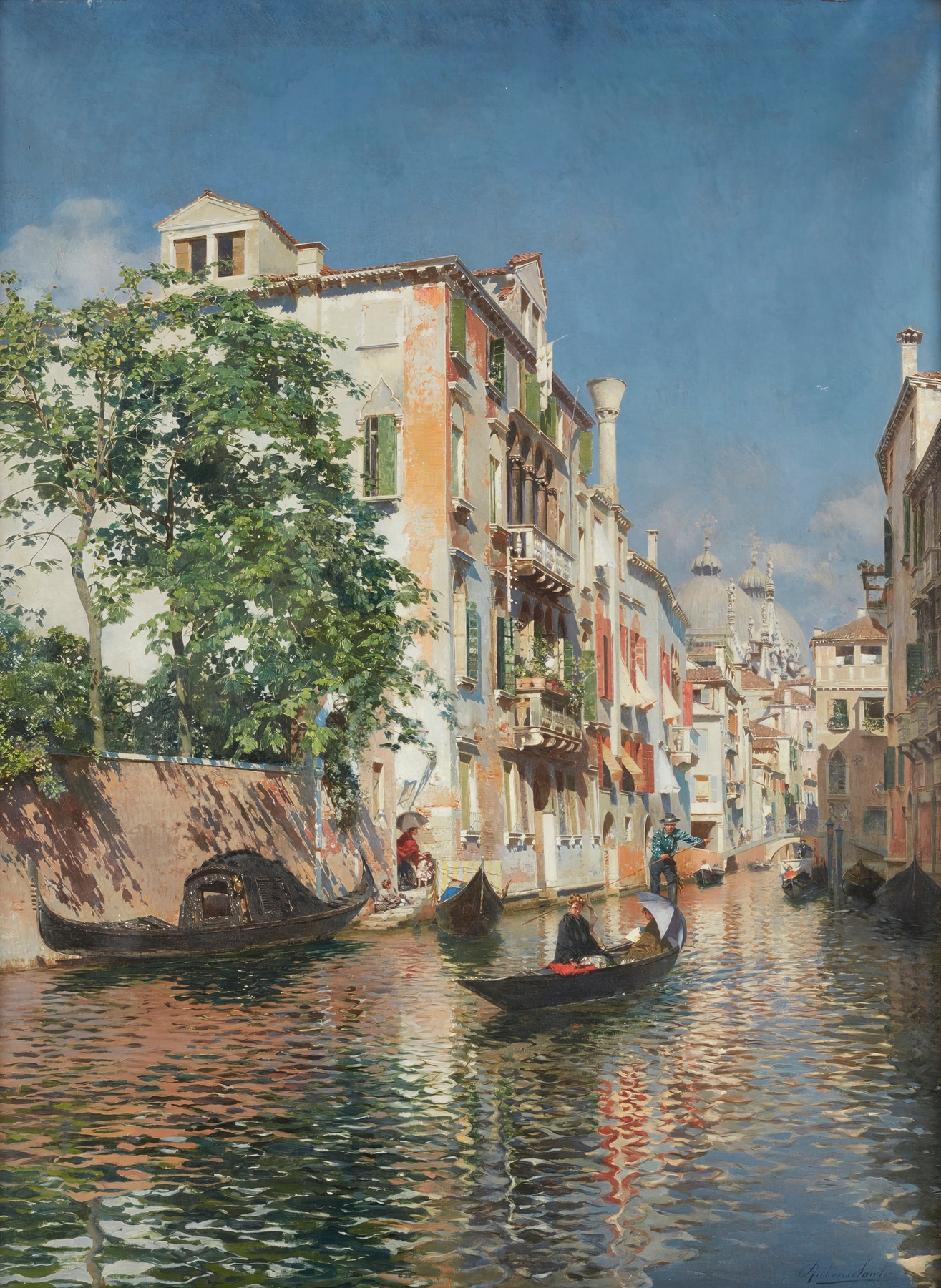
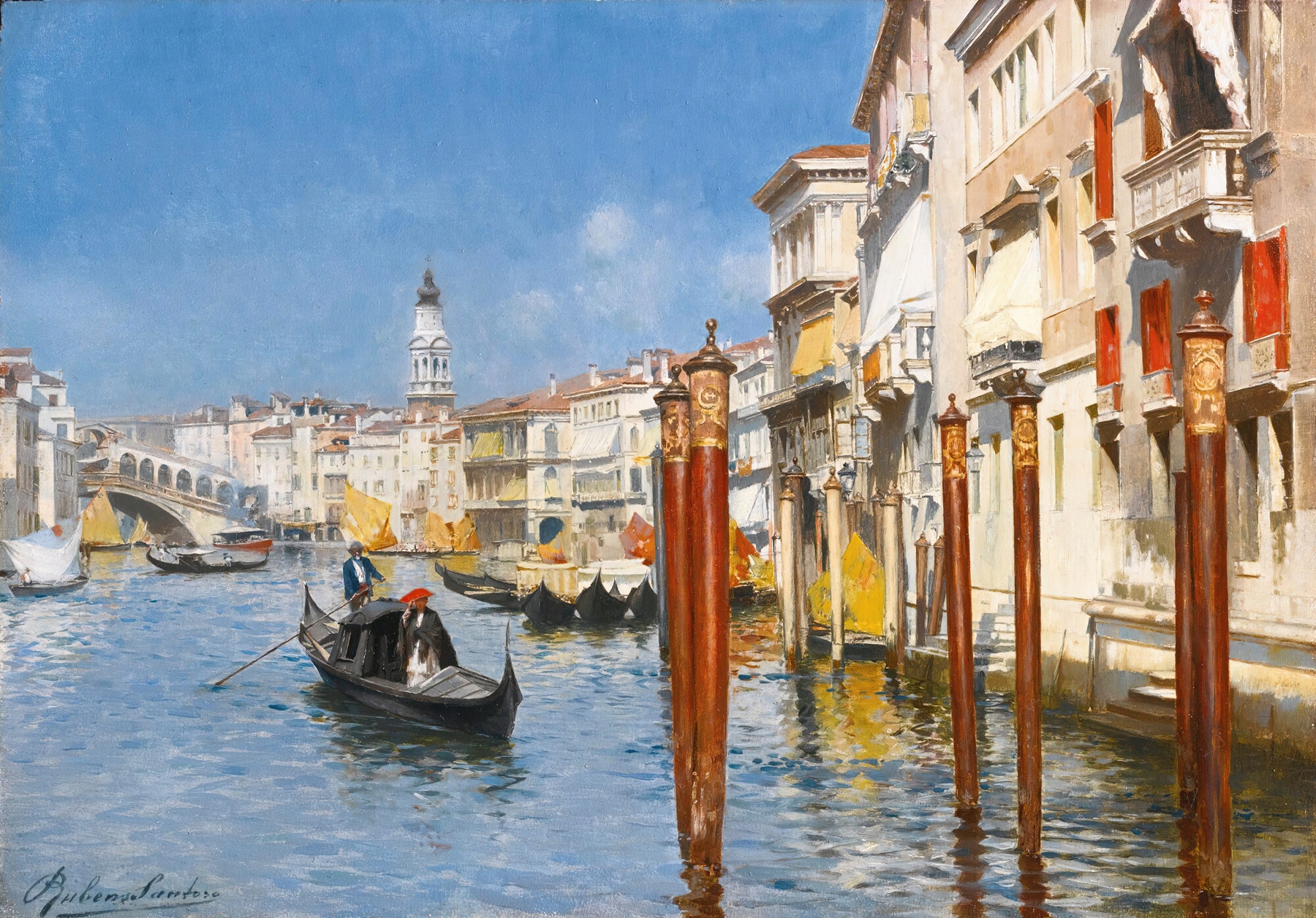
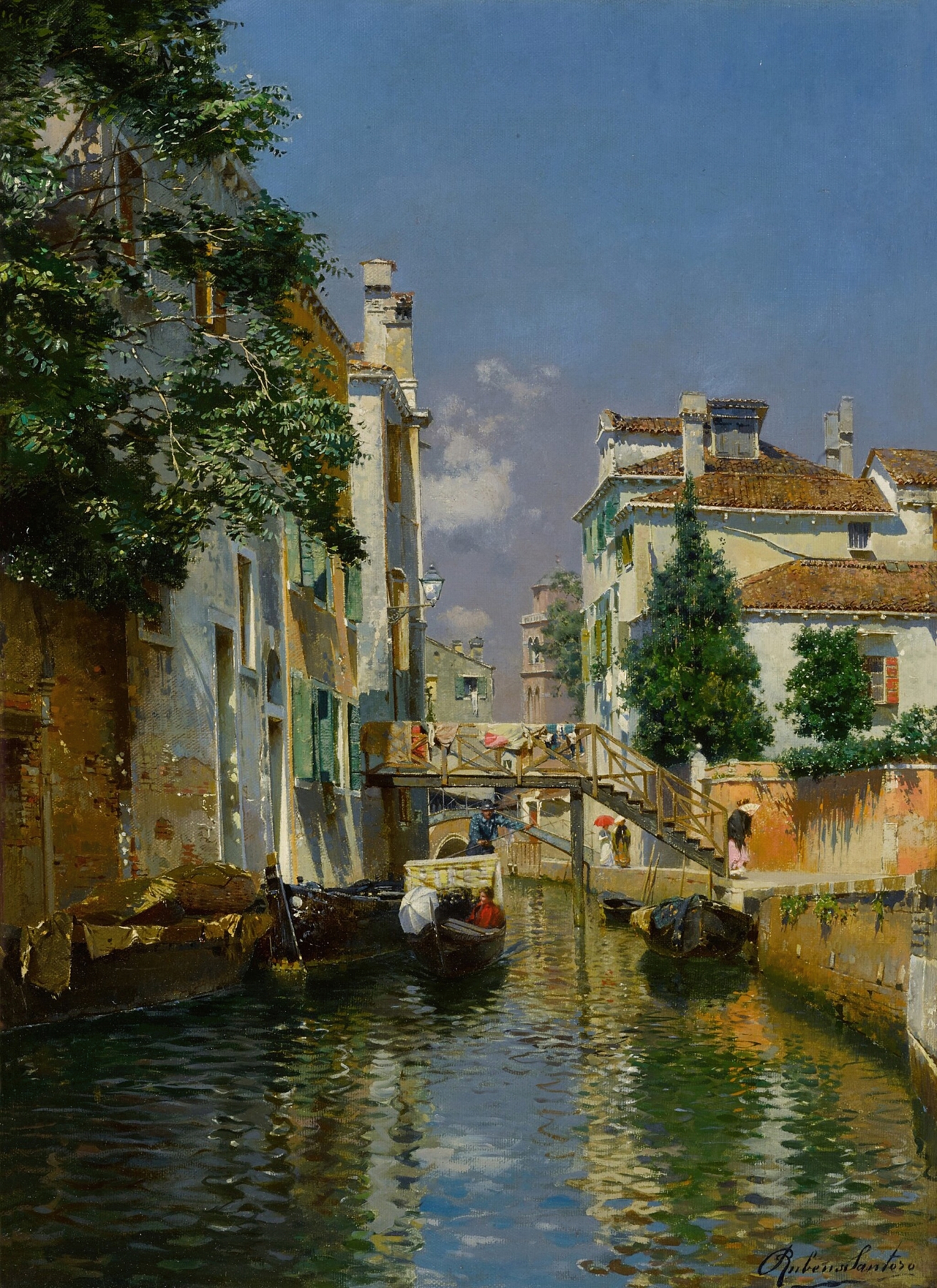
What if silence could speak through light? In the stillness of The Side Streets, the interplay of shadow and illumination invites us to ponder the unvoiced narratives hidden within everyday life. Transcendence emerges from the mundane, beckoning the viewer to explore the depths of human experience that often go unnoticed. Look to the left at the narrow alleyway, where sunlight spills rhythmically onto cobblestones, casting sharp contrasts against the aged walls. The warm hues of burnt sienna and ochre create a welcoming atmosphere, while the cooler tones in the shadows deepen the sense of mystery.
Notice how the artist skillfully captures the texture of the surfaces—the roughness of brick juxtaposed with the softness of light—drawing the eye into the heart of this urban labyrinth. Each brushstroke seems deliberate, coaxing life into a seemingly quiet setting. Beneath the surface lies a dialogue of emotion and solitude. The shadows that cloak the alley suggest the unseen lives that traverse this passage, hinting at stories of longing, escape, or fleeting encounters. The tension between light and dark serves as a metaphor for the human condition—the struggle for connection amidst the isolation found in crowded streets.
Each element conveys the idea that beauty can be found even in the silence of forgotten corners. Rubens Santoro created The Side Streets during a period marked by social change and artistic exploration. Working in the late 19th century, he was influenced by the burgeoning realism movement, which sought to reflect the genuine experiences of contemporary life. This painting, completed in an era of transformation, reflects his unique ability to capture the essence of urban existence, merging beauty with the often-overlooked intricacies of daily life.