The Timber Wain — History & Analysis
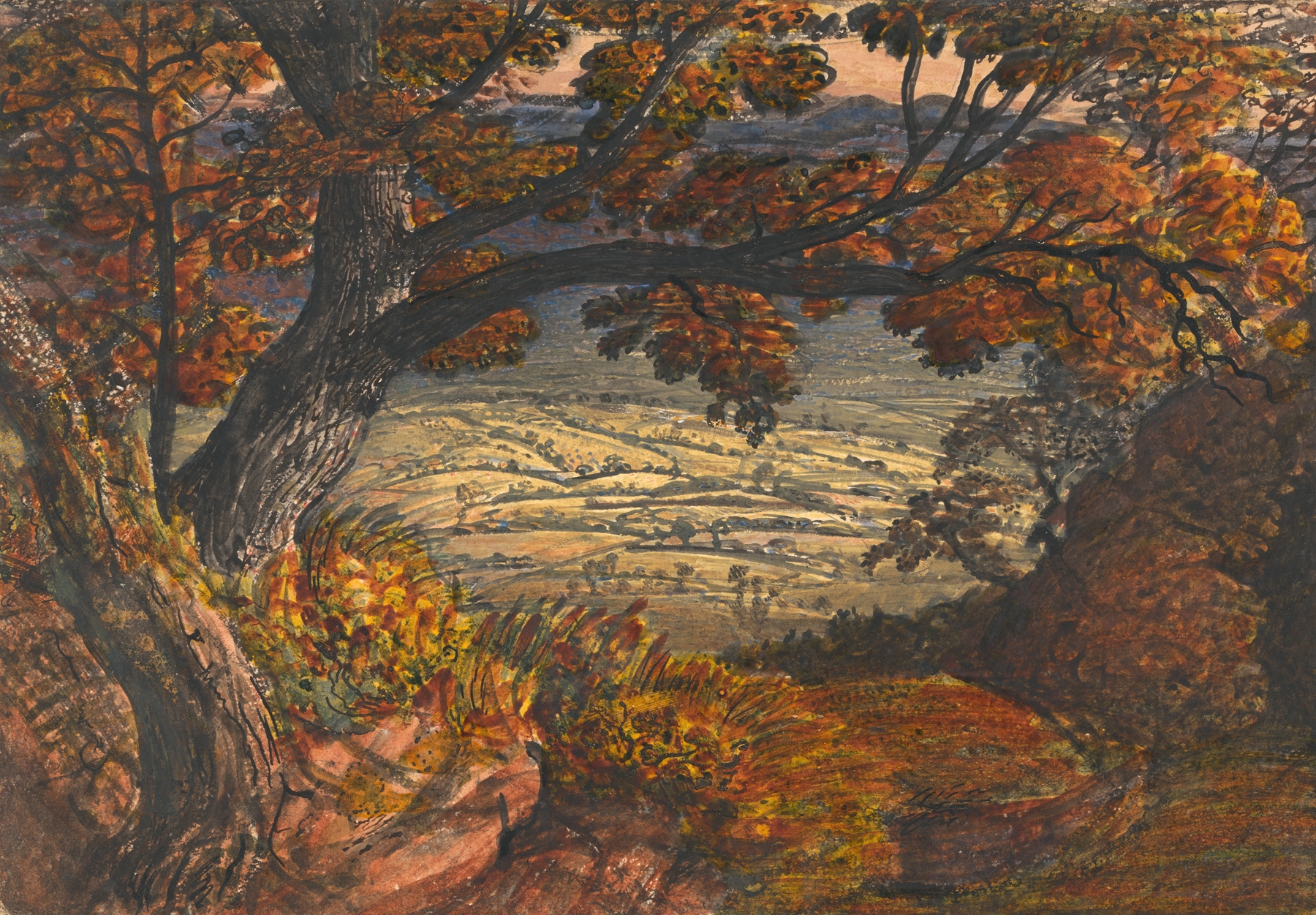
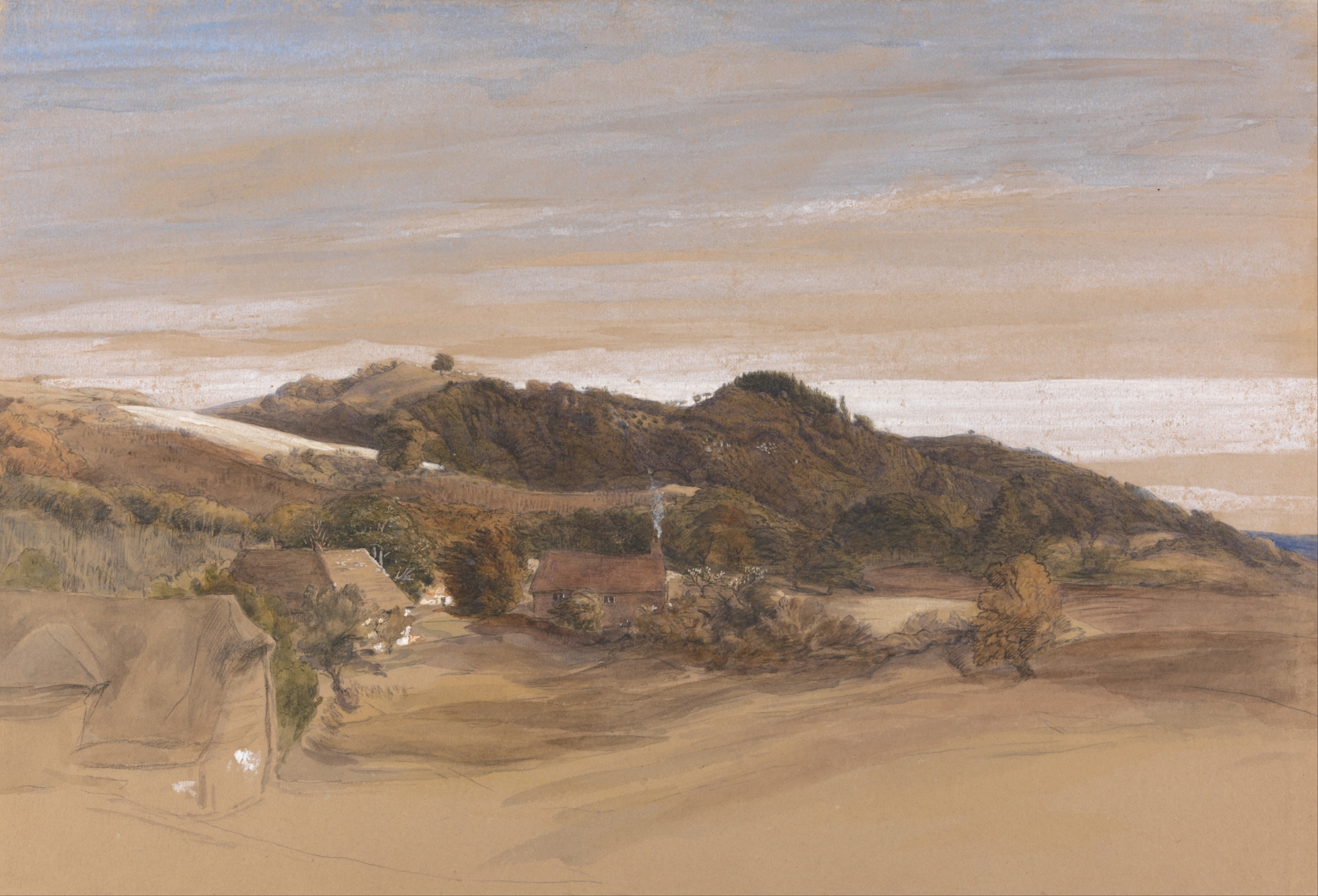
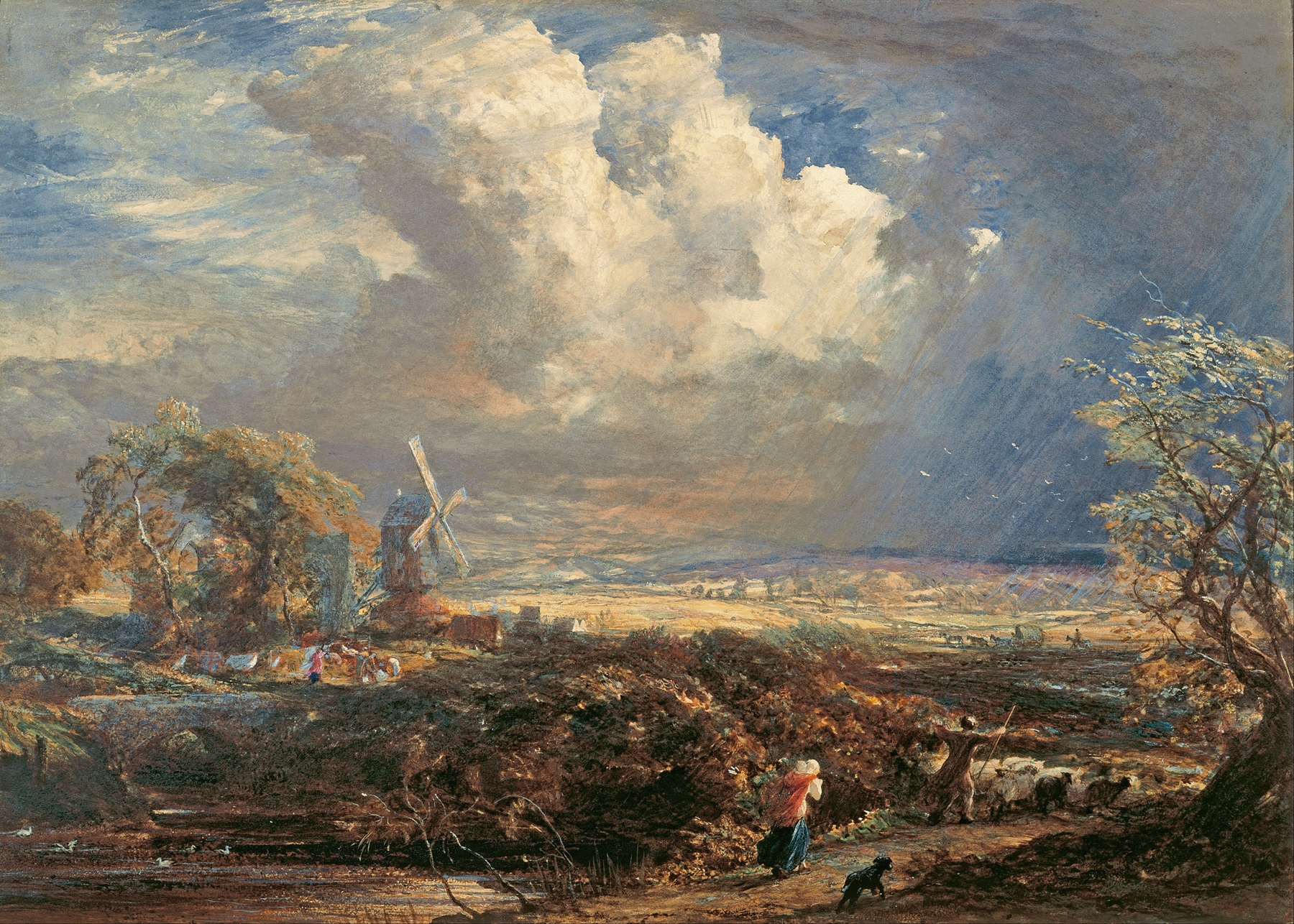
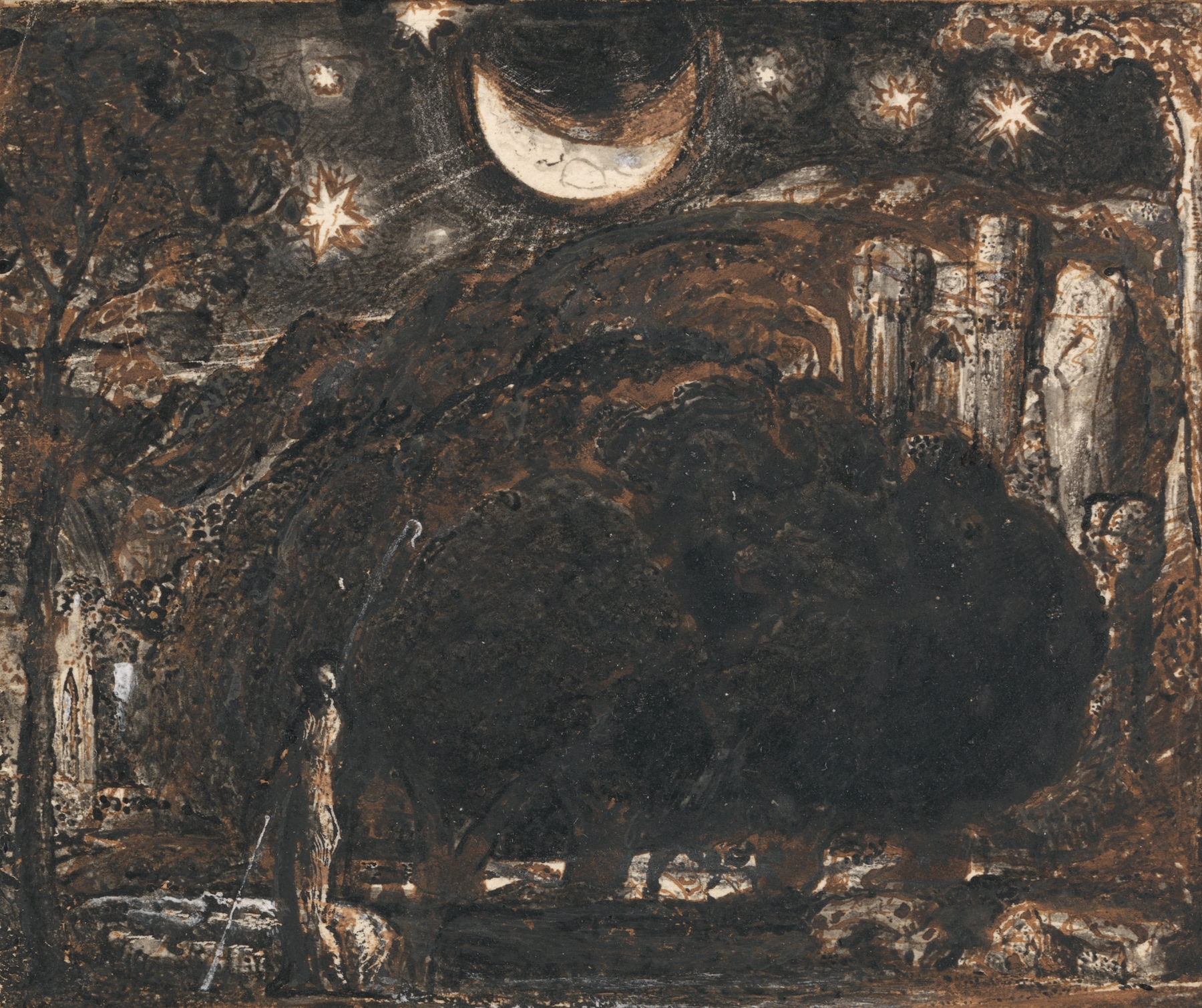
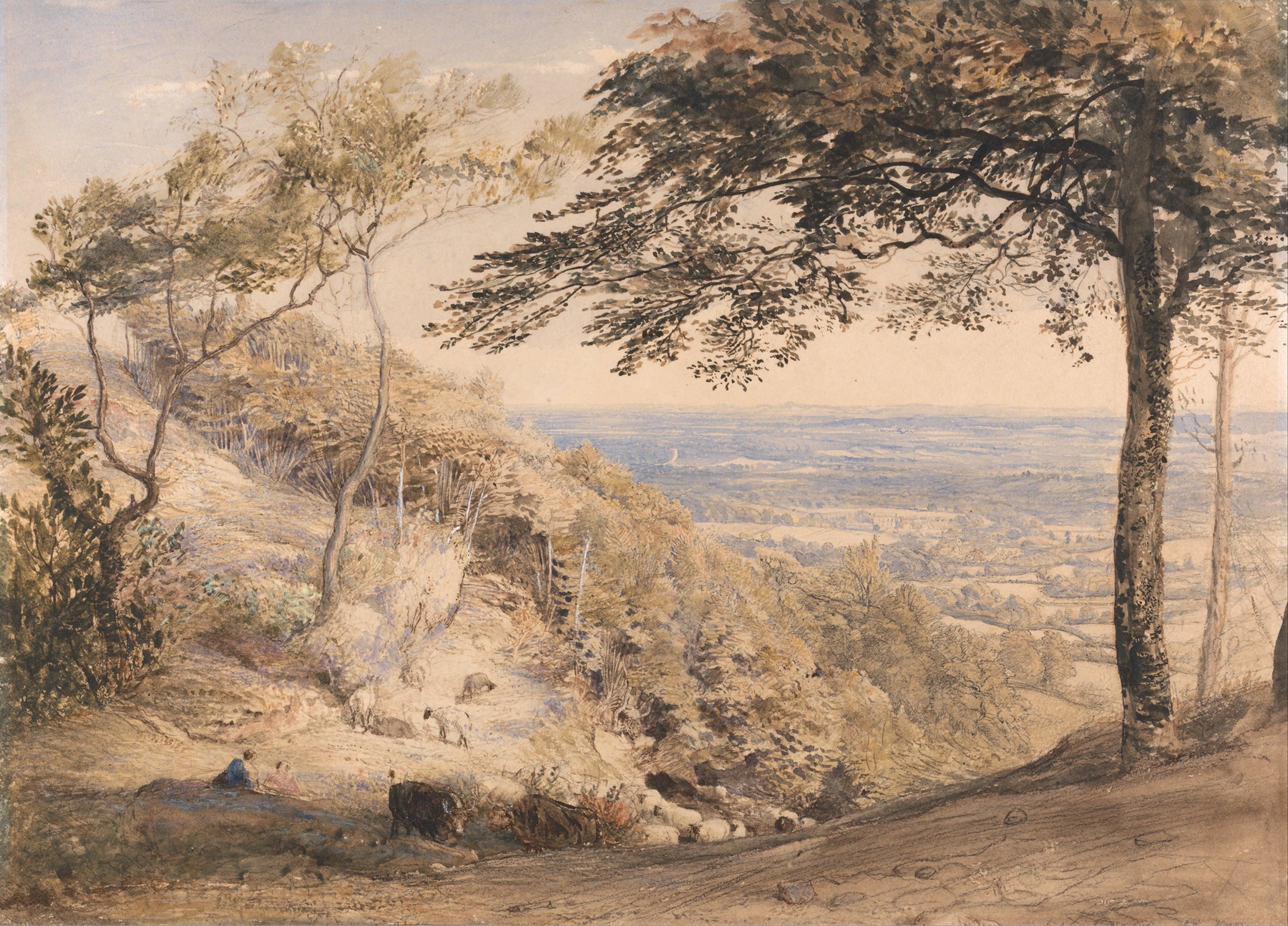
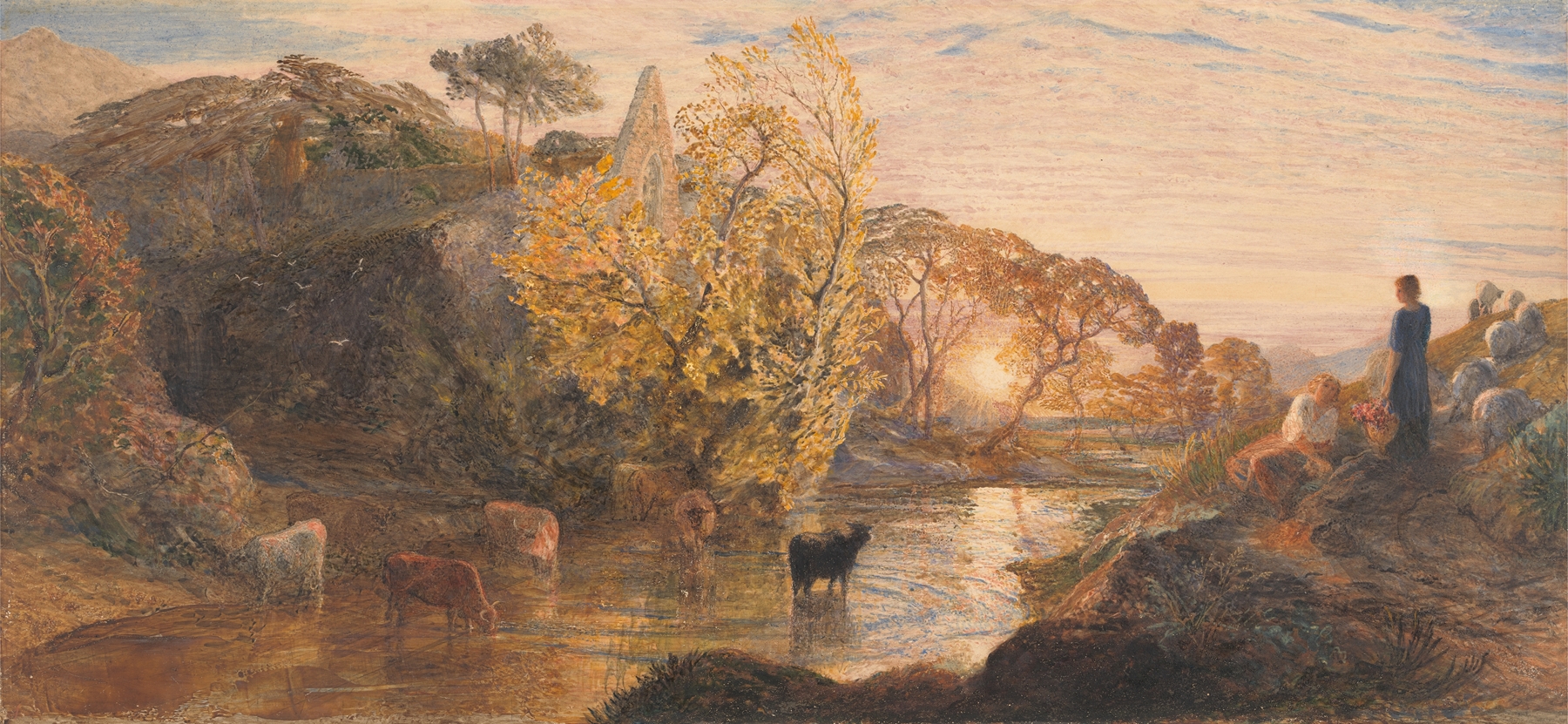
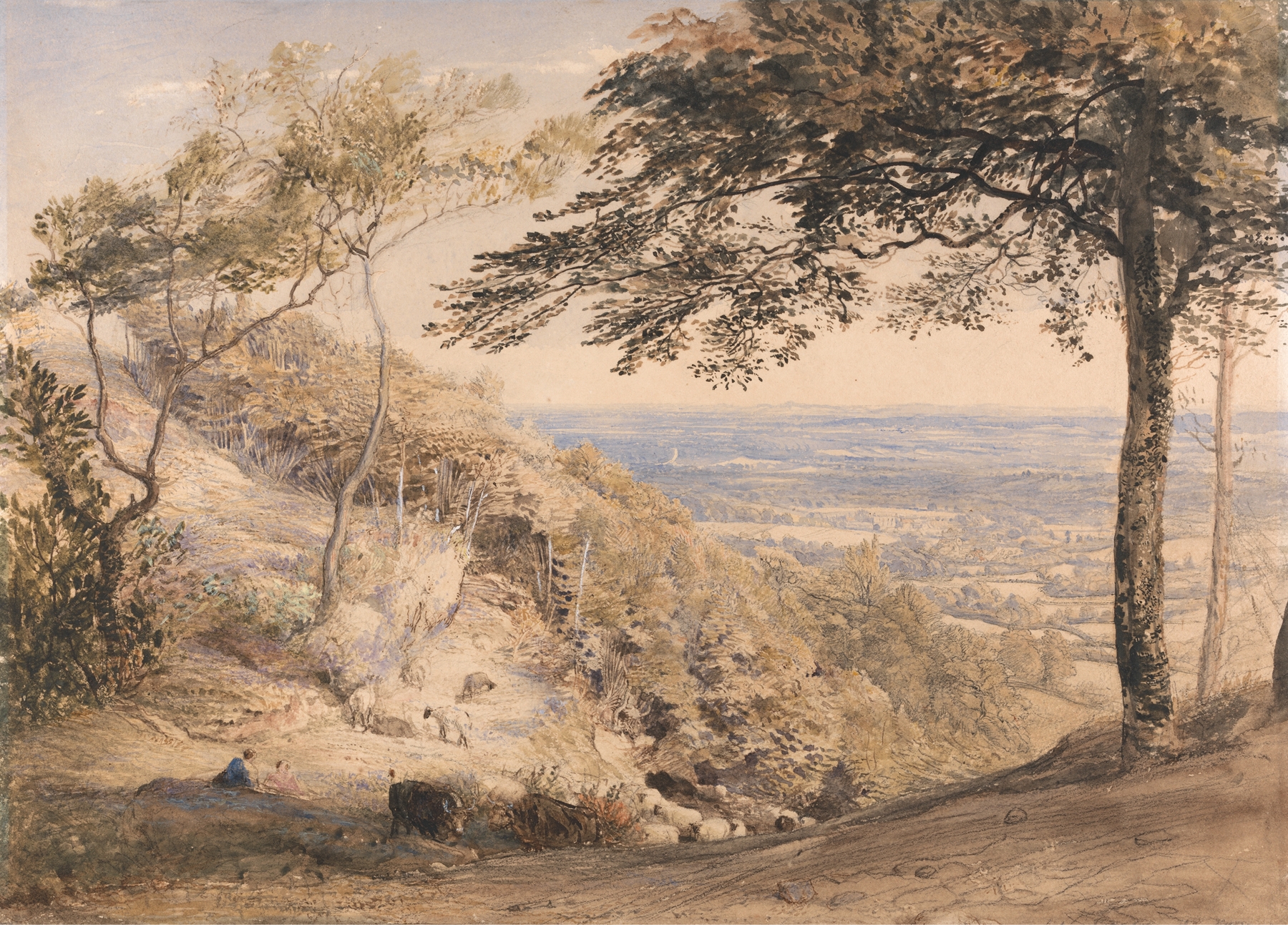
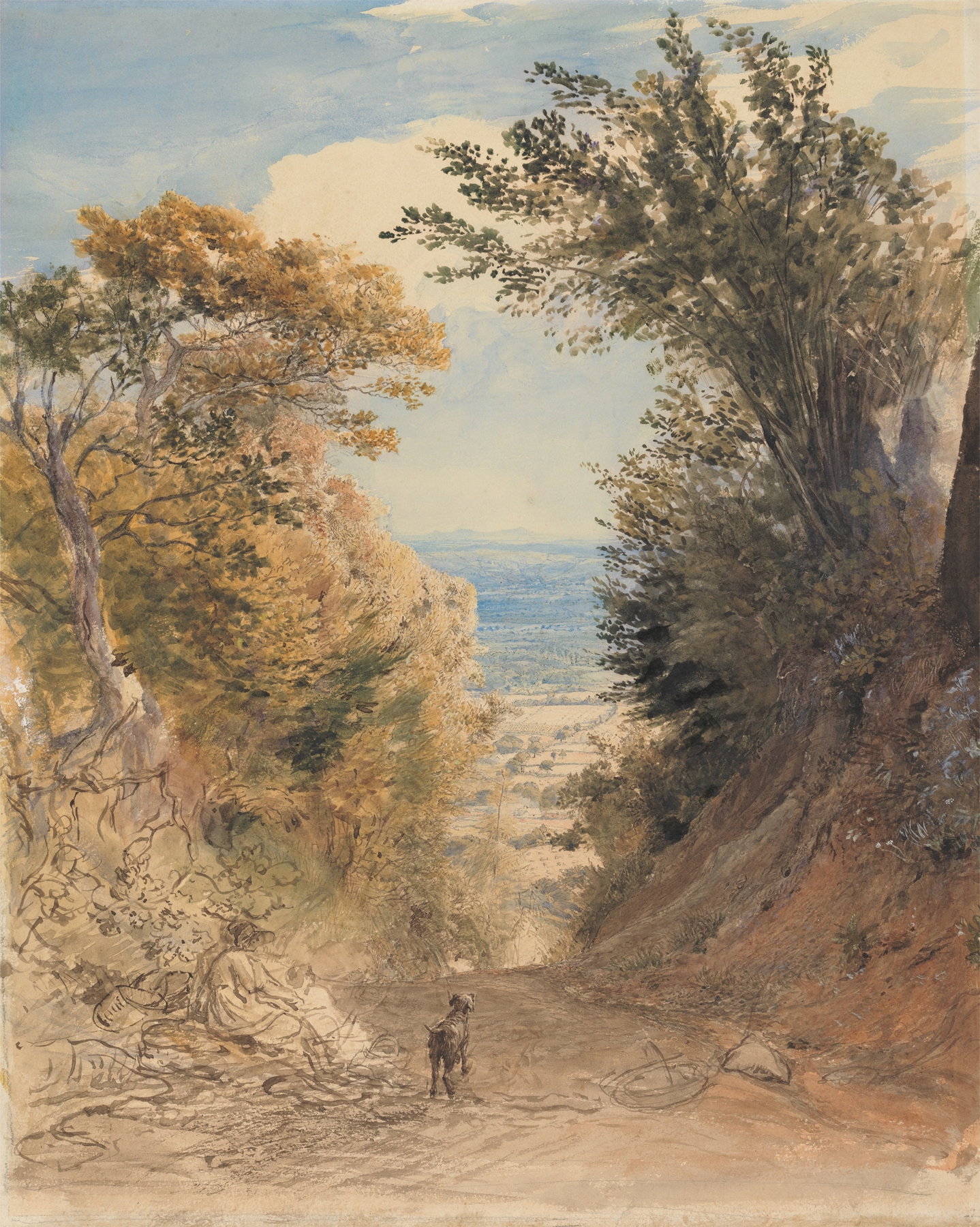
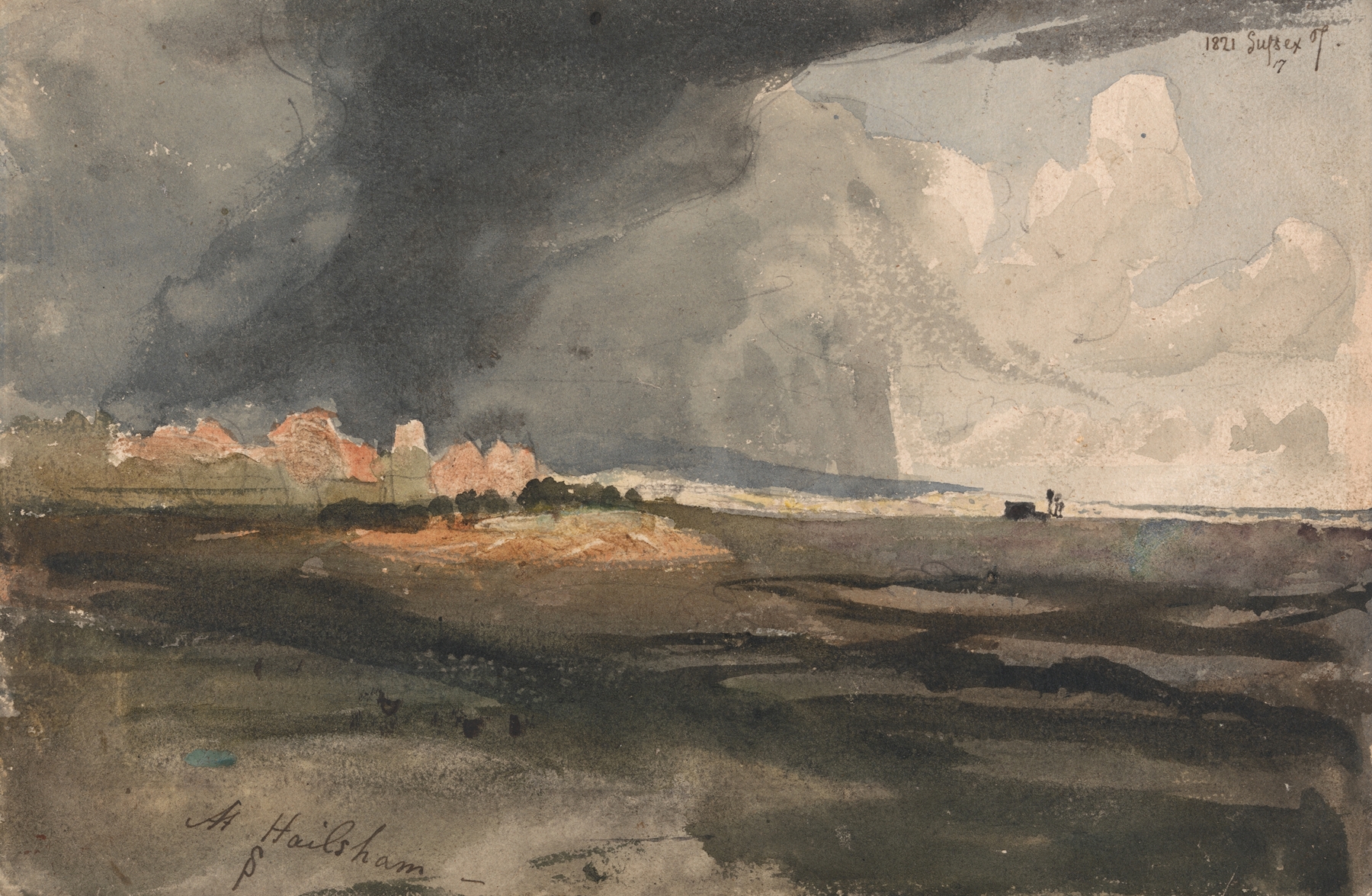
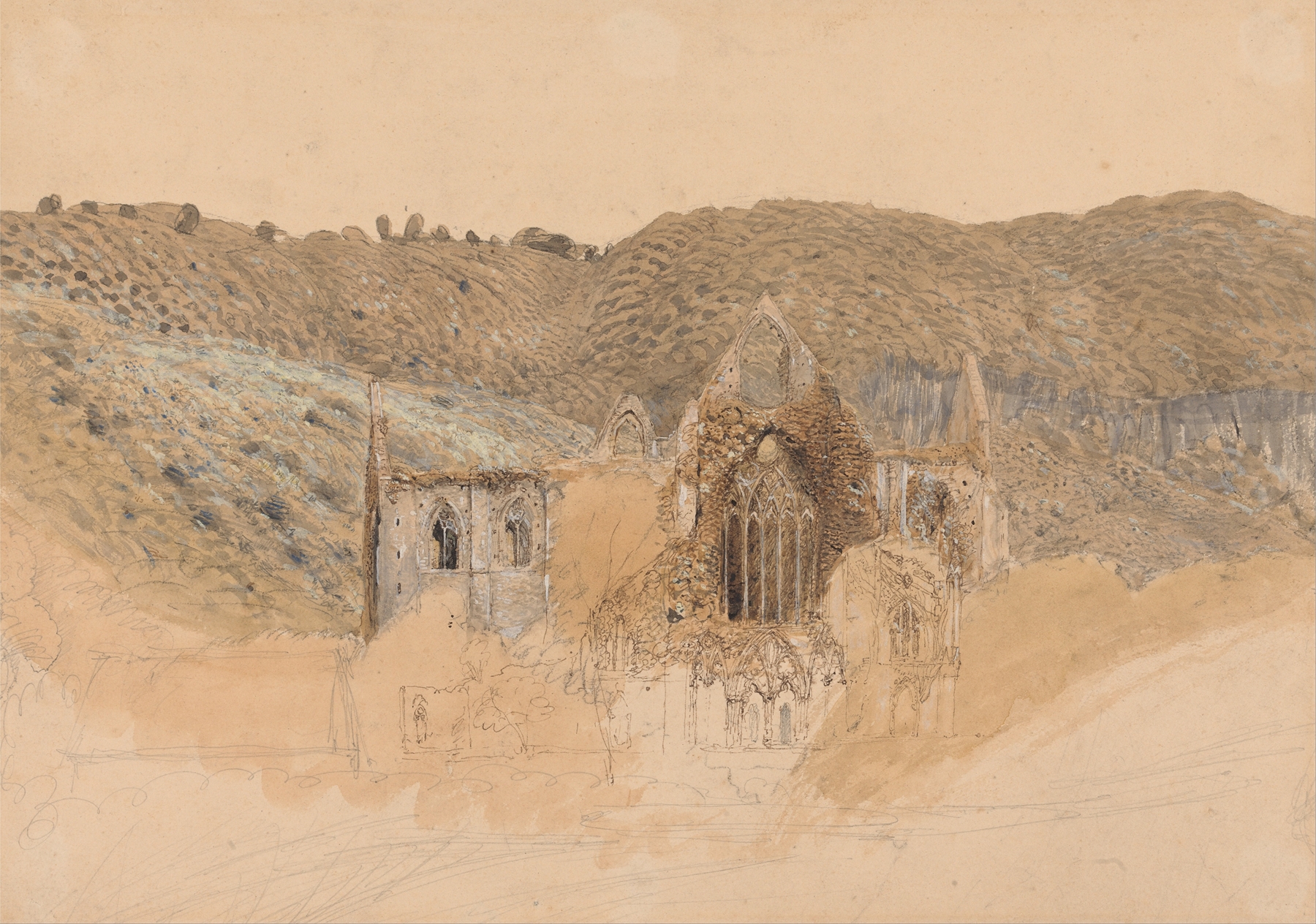
“To paint is to remember what time wants us to forget.” This yearning for permanence resonates deeply in the work of Samuel Palmer, where each brushstroke captures fleeting moments of beauty and nostalgia that might otherwise fade away. Look to the left at the gentle curve of the cart’s wheel, its worn texture suggesting countless journeys through the twilight landscape. Notice how the warm hues of ochre and deep greens create a harmonious blend with the soft blue sky, enveloping the timber wain in a cocoon of twilight. The composition draws the eye towards the distant hills, their shadowy contours echoing the cart’s laborious presence, while the ethereal light seems to caress the scene with a tender touch, inviting reflection on both the physical world and the passage of time.
The painting breathes with an underlying tension between the serenity of the moment and the inevitability of change. The cart, a symbol of labor and movement, juxtaposes the stillness of the surrounding landscape, invoking a sense of longing for the past while acknowledging the relentless forward march of time. Each element, from the delicate foliage to the fading light, speaks to a world that exists in quiet contemplation, where the mundane is imbued with profound significance.
During the years between 1833 and 1834, Palmer was deeply engaged in his exploration of Romantic ideals, reflecting both personal and societal shifts in the art world. Having settled in Shoreham, Kent, he found inspiration in the pastoral beauty surrounding him, capturing the essence of English rural life at a time when industrialization began to alter the landscape. This work not only signifies a personal milestone for the artist but also encapsulates a broader yearning for connection to nature and tradition amidst the rapid changes of the era.