The Vista — History & Analysis
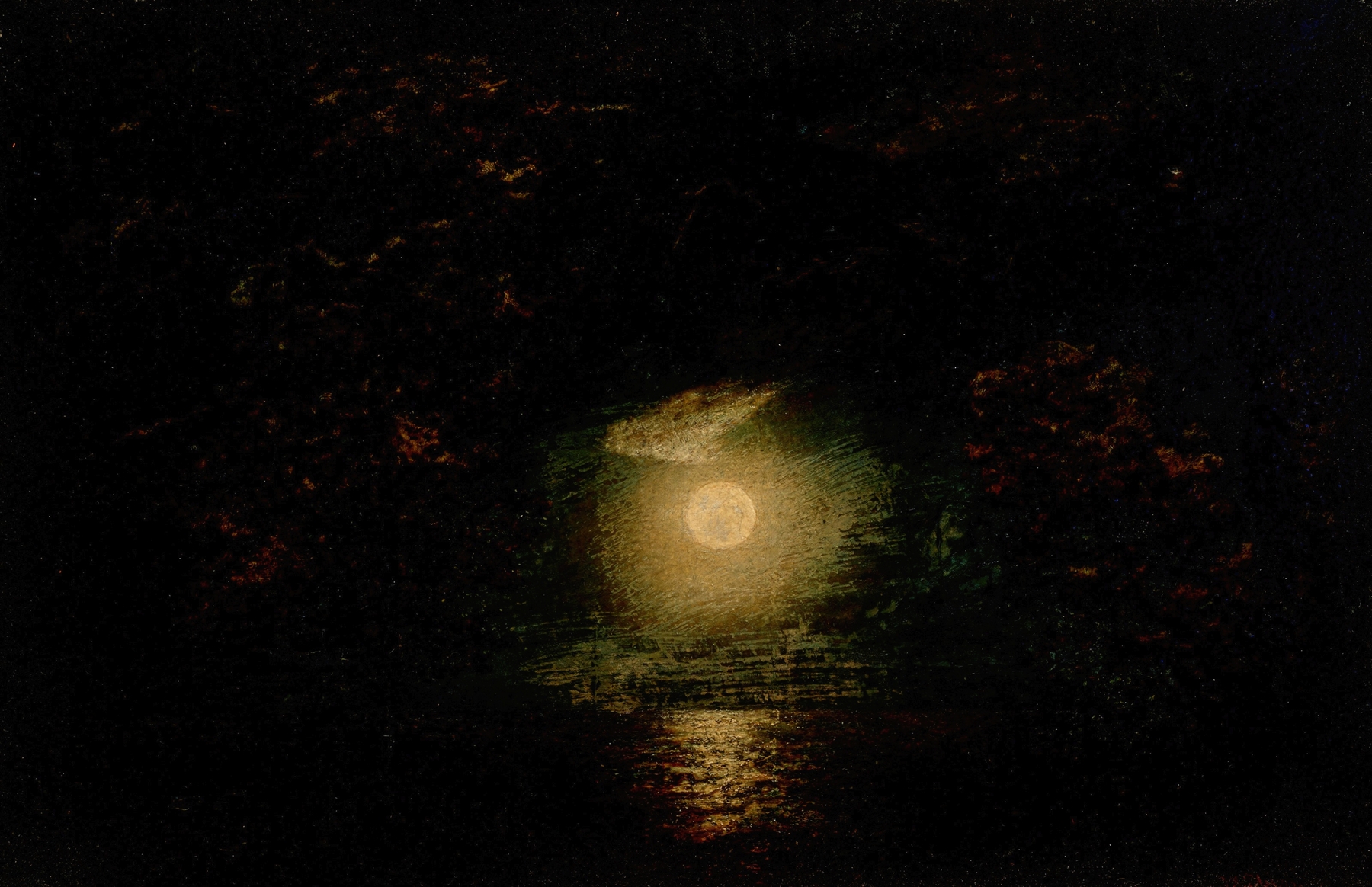
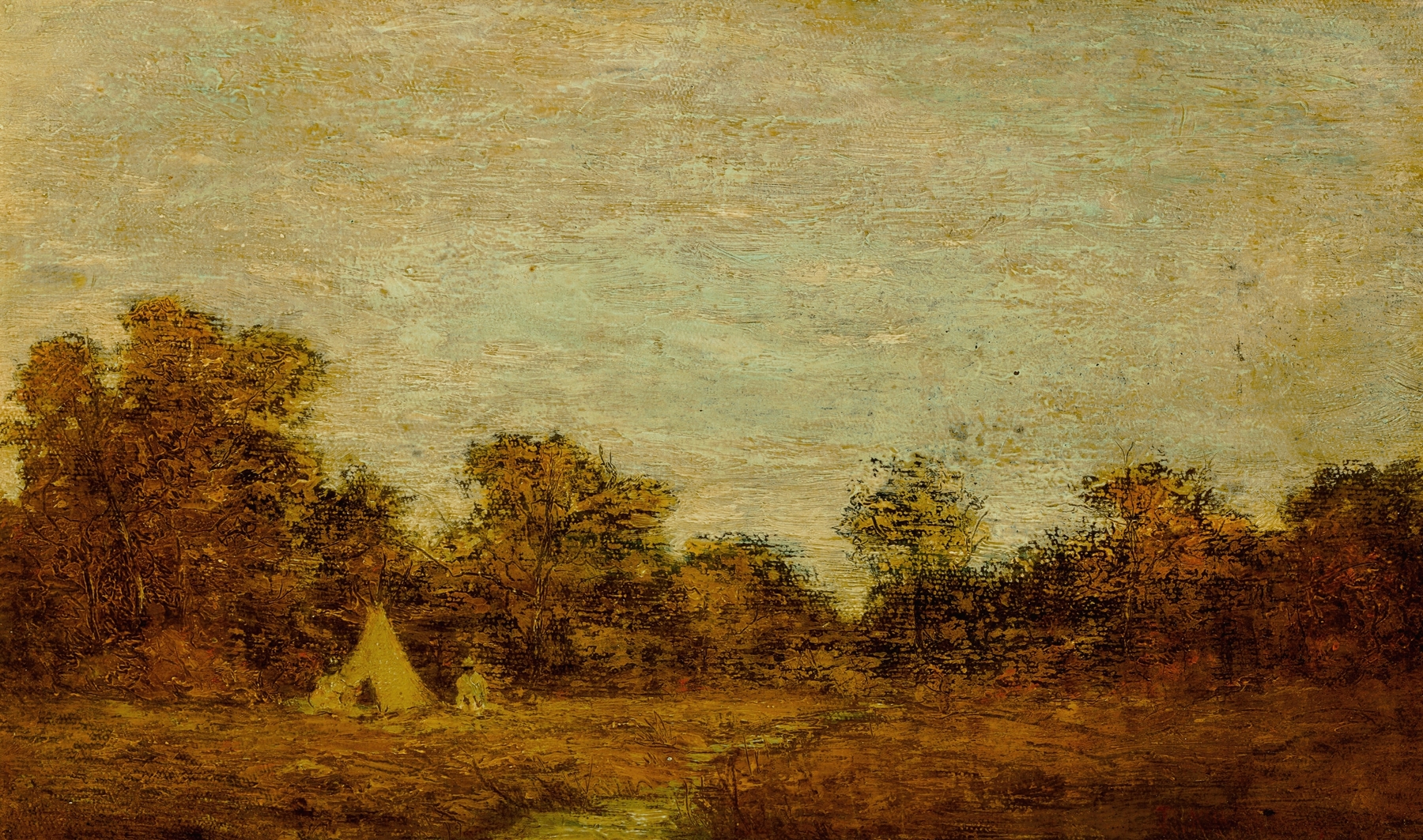
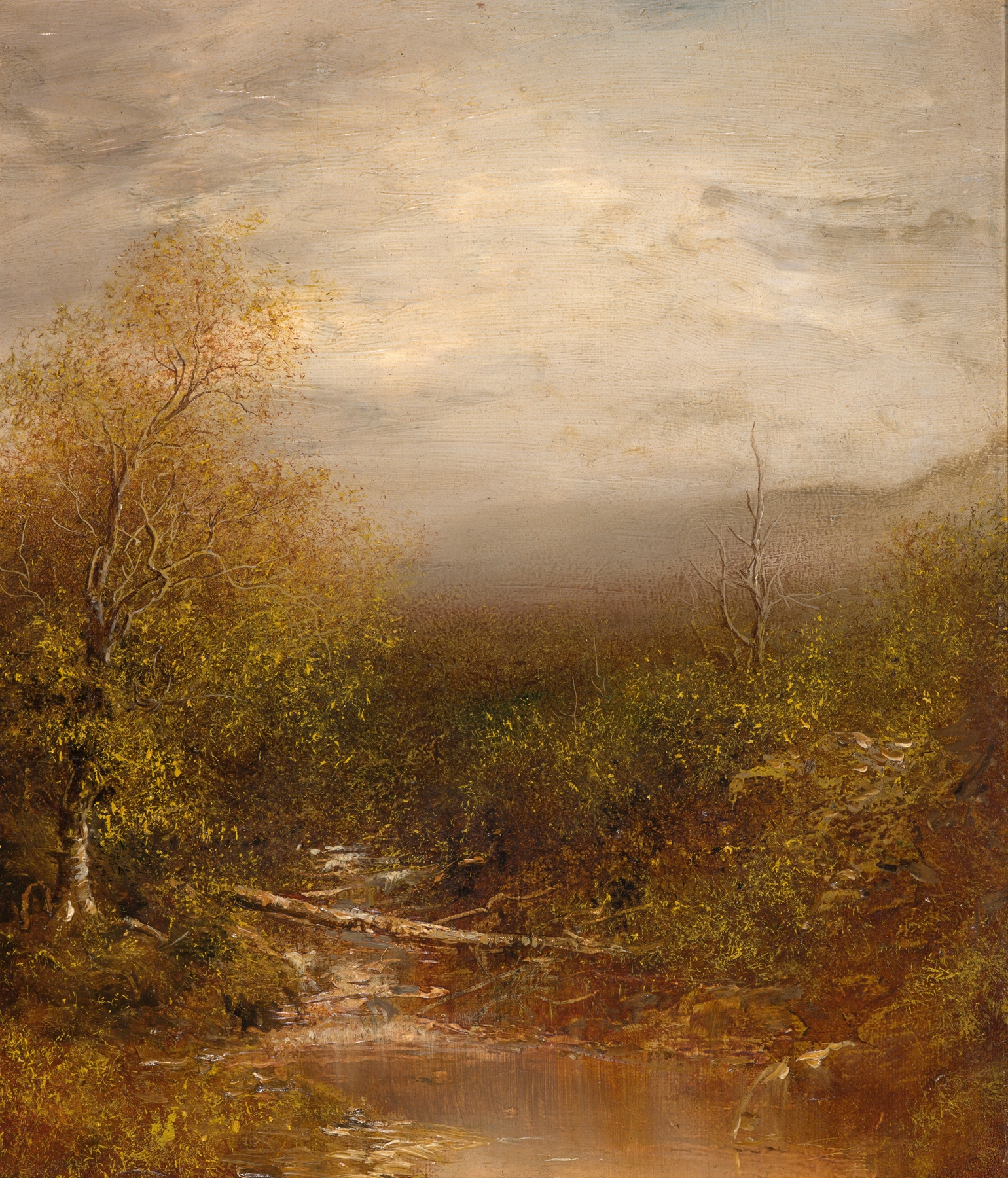
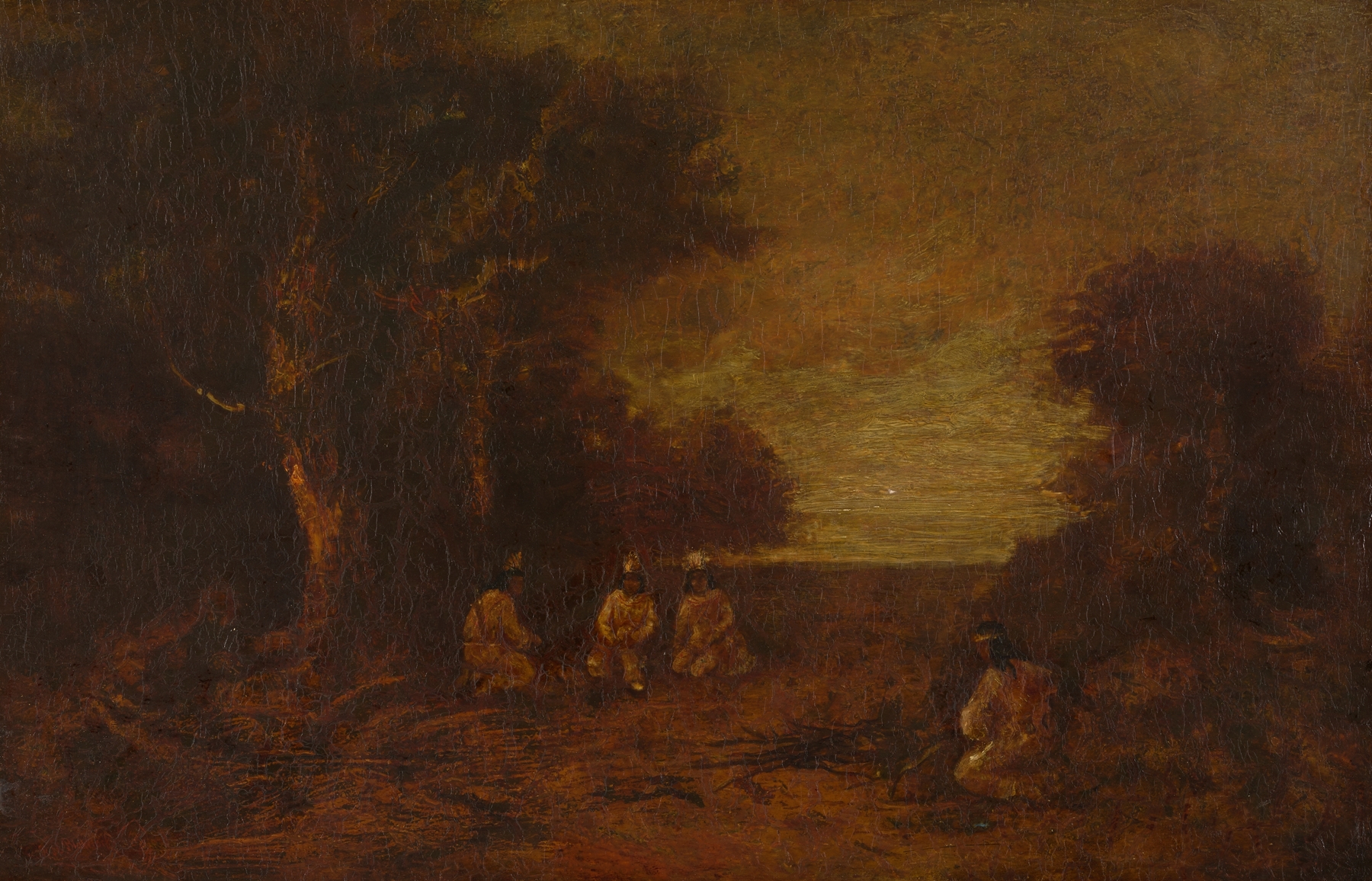
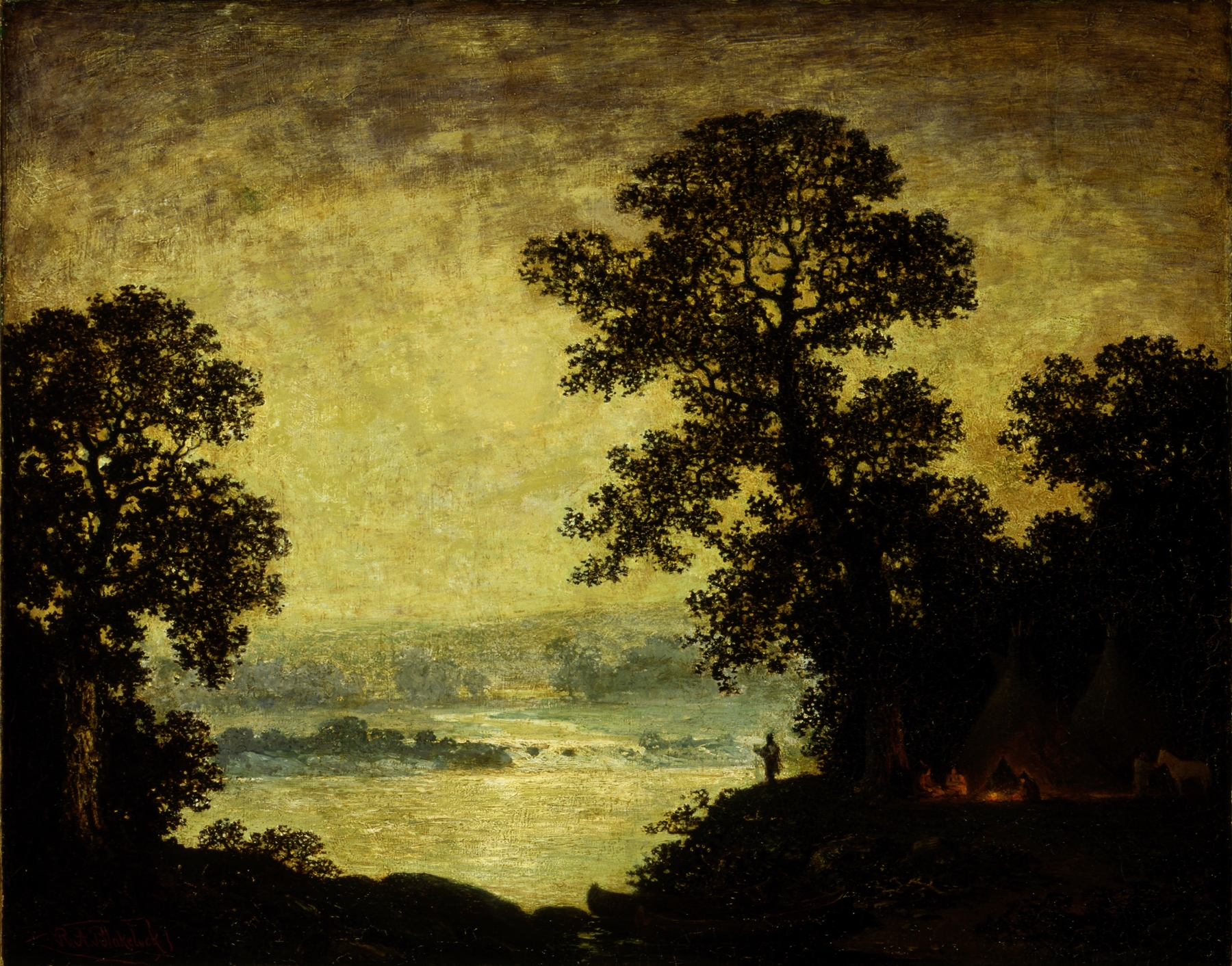
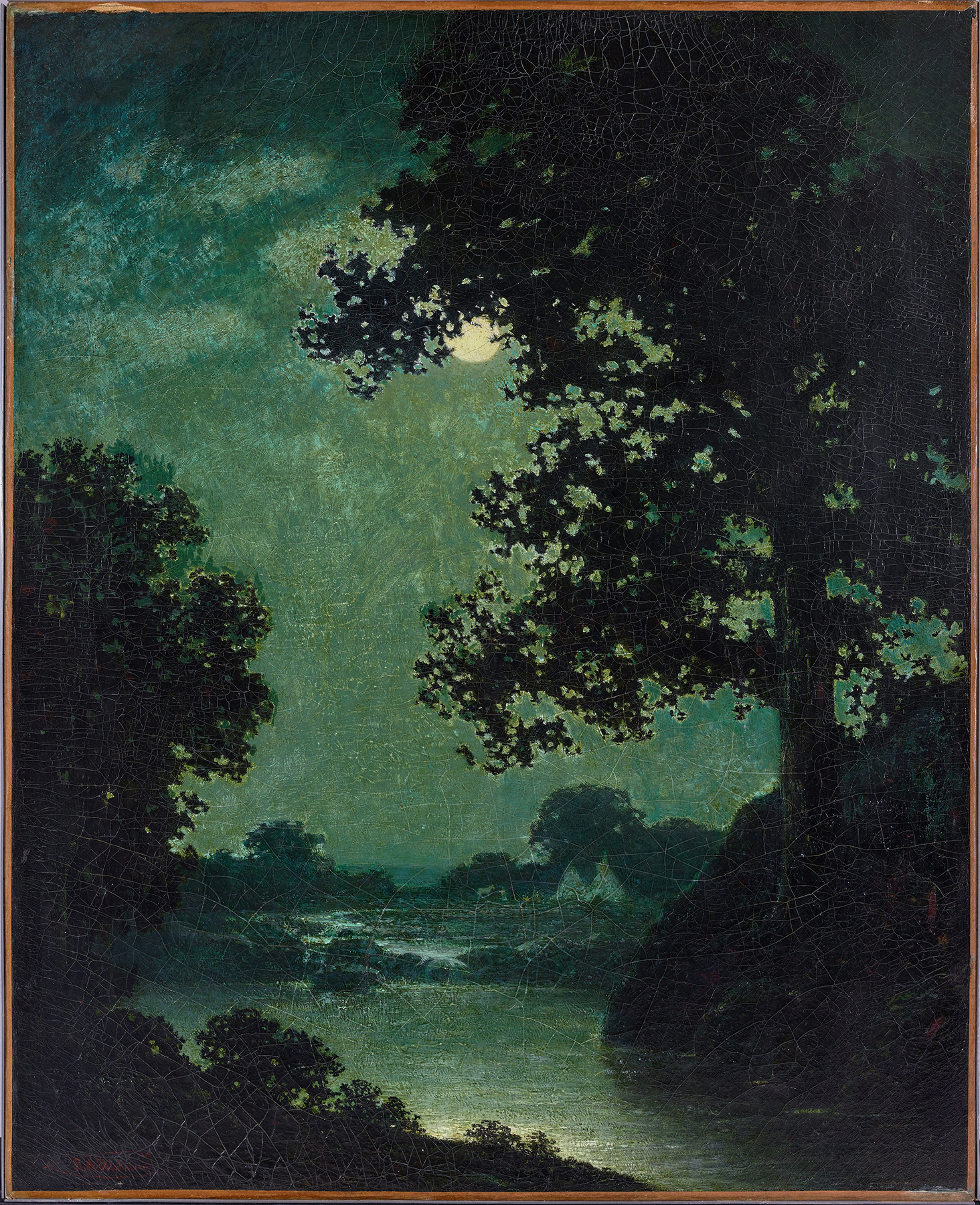
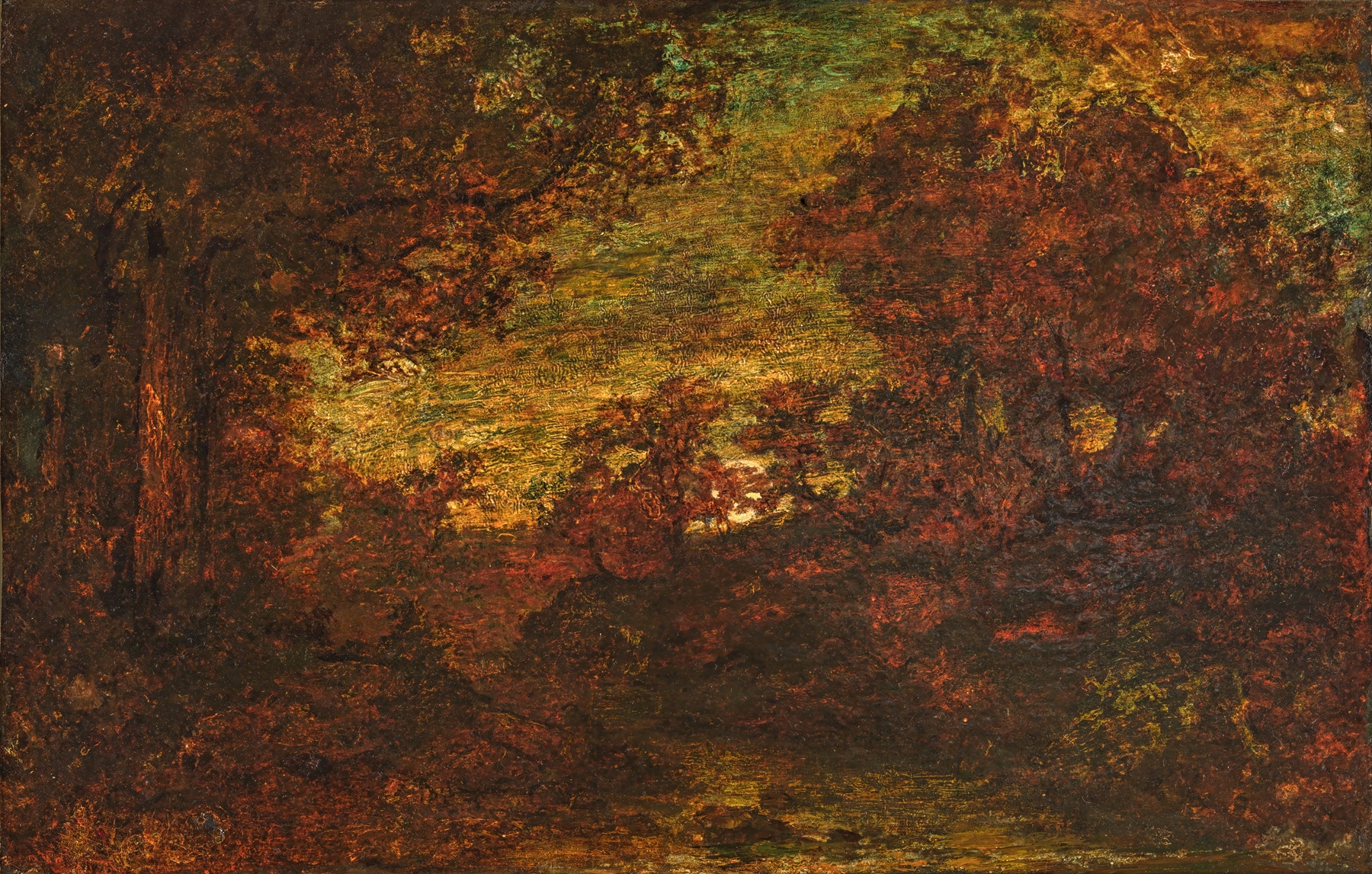
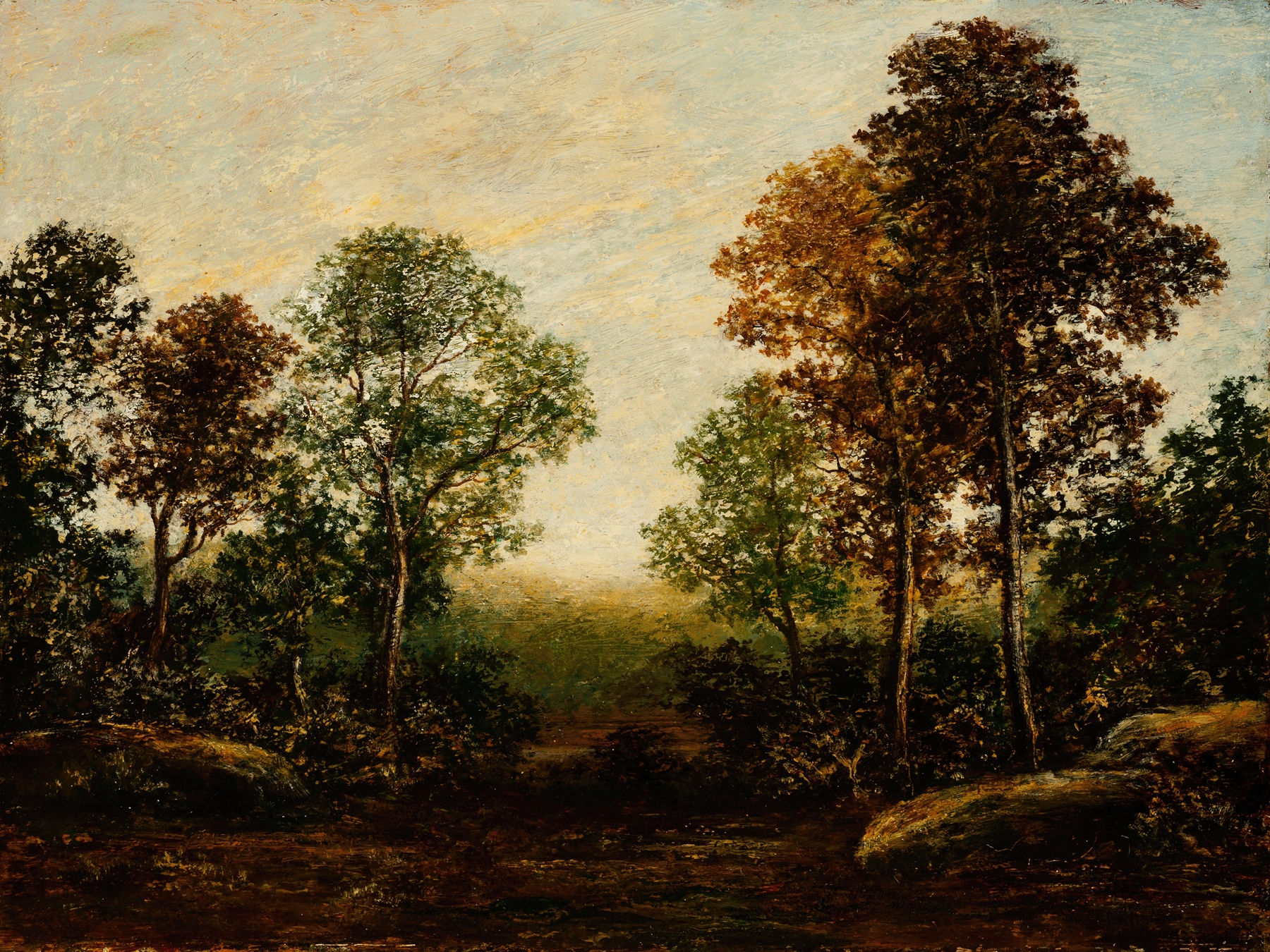
“Art reveals the soul when the world turns away.” In the stillness of the canvas, The Vista beckons us to witness a glimpse of innocence untainted by the chaos of life. It invites contemplation, urging viewers to confront their own sense of wonder and serenity amid the noise of existence. Look closely at the horizon where the land meets the sky; the soft pastel hues blend seamlessly, evoking a tranquil dawn. Notice how the trees, painted with gentle strokes, stand like sentinels guarding a secret world. The interplay of light and shadow creates a delicate balance, imbuing the scene with an ethereal quality that feels almost sacred.
Each brushstroke breathes life into the landscape, inviting you to step into a realm where time stands still. As you explore further, small details emerge—the delicate play of sunlight catching on leaves, the subtle hints of movement in the clouds. These elements reflect not only nature's beauty but also the transient nature of innocence itself. The contrasting elements of light and dark suggest a deeper narrative, one of fleeting moments and the delicate threads that connect us to a purer world.
In this vista, we find echoes of our own lost innocence, whispered softly through the language of the landscape. In the late 19th century, Ralph Albert Blakelock was grappling with personal challenges, including mental illness and financial instability. Around 1890, he painted this piece during a time when American art was beginning to embrace the romanticism of nature and the emotions it evokes. His work often reflected a longing for connection with the natural world, creating soulful expressions that resonate deeply, even today.