The Watering Place — History & Analysis
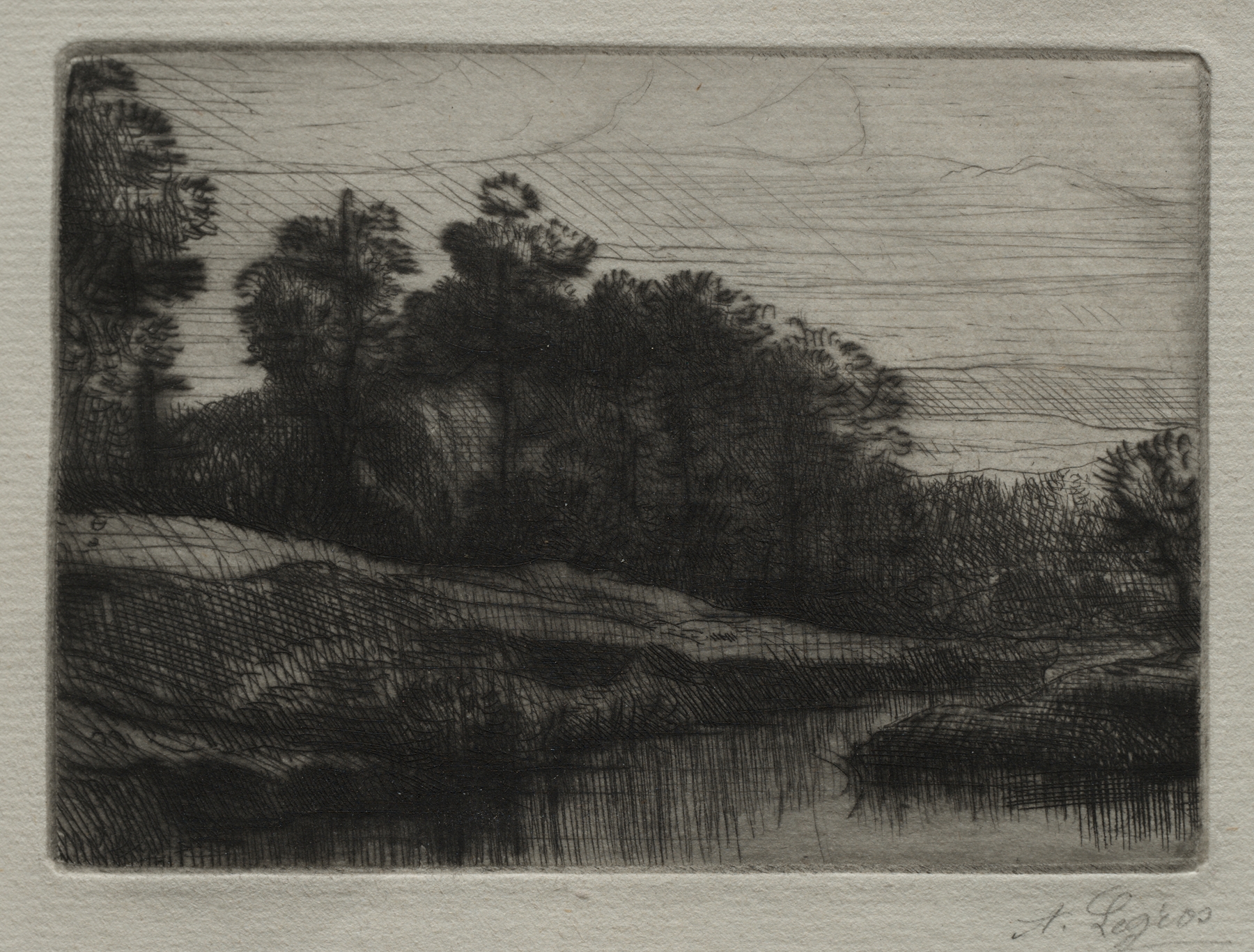
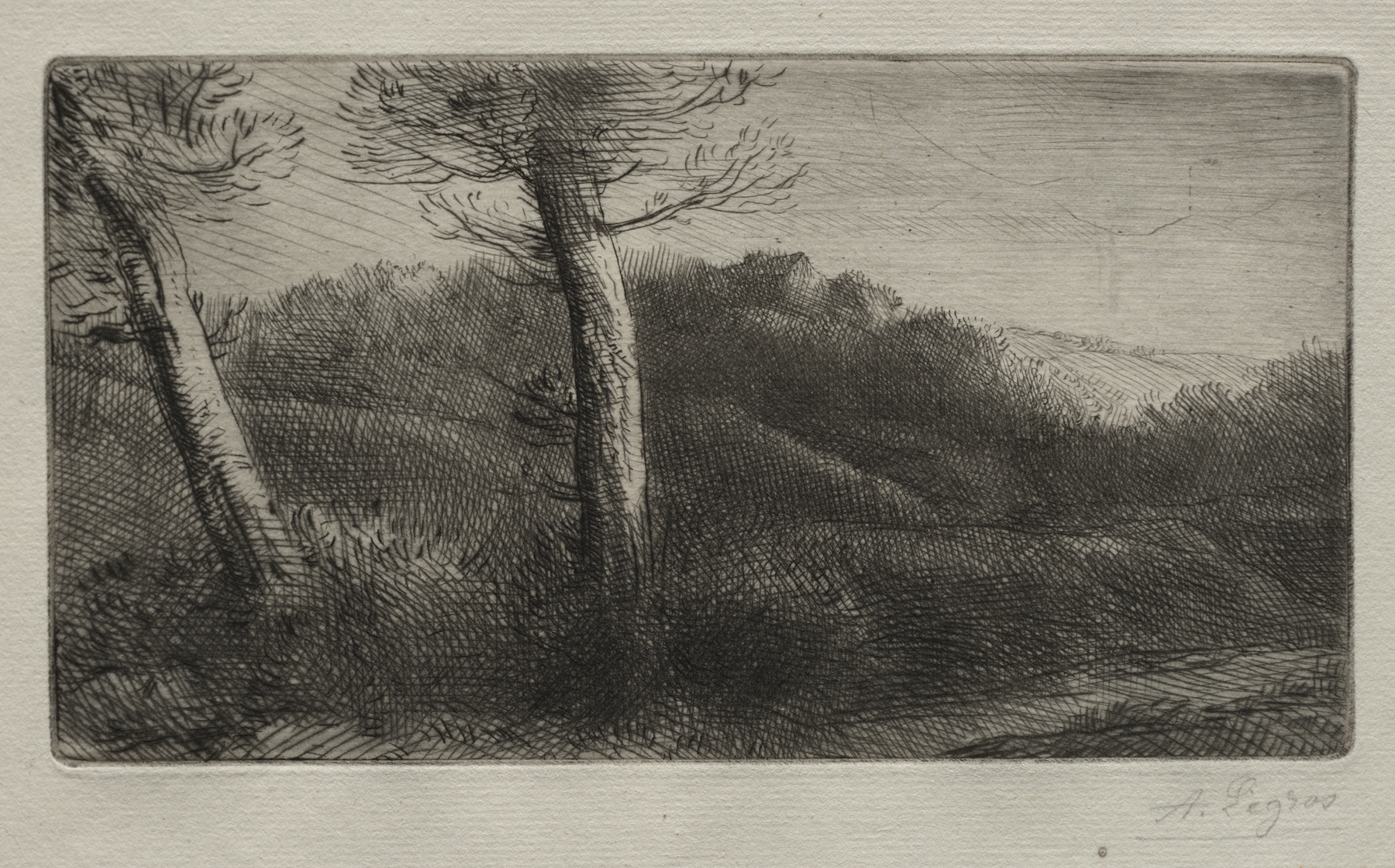
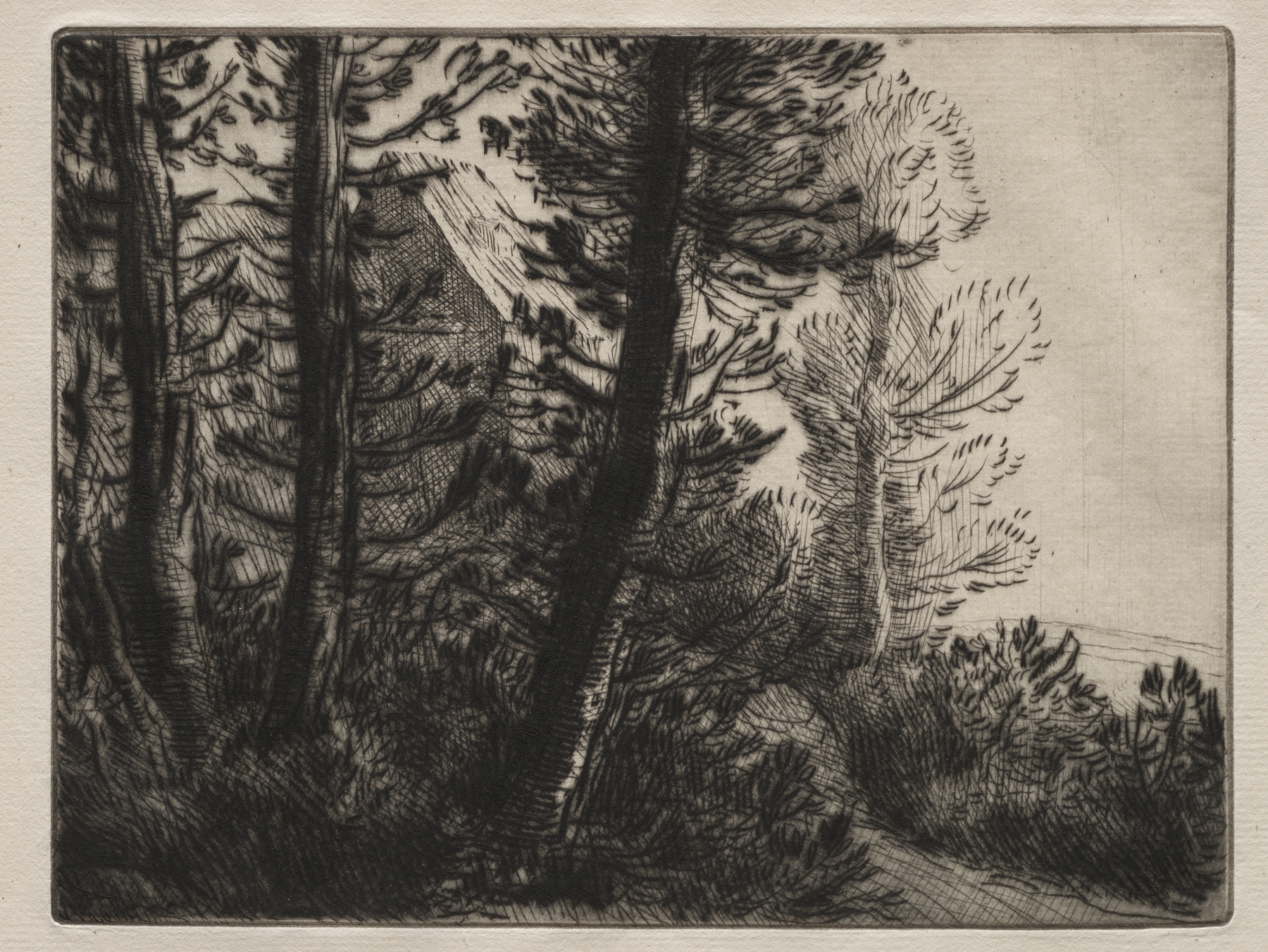
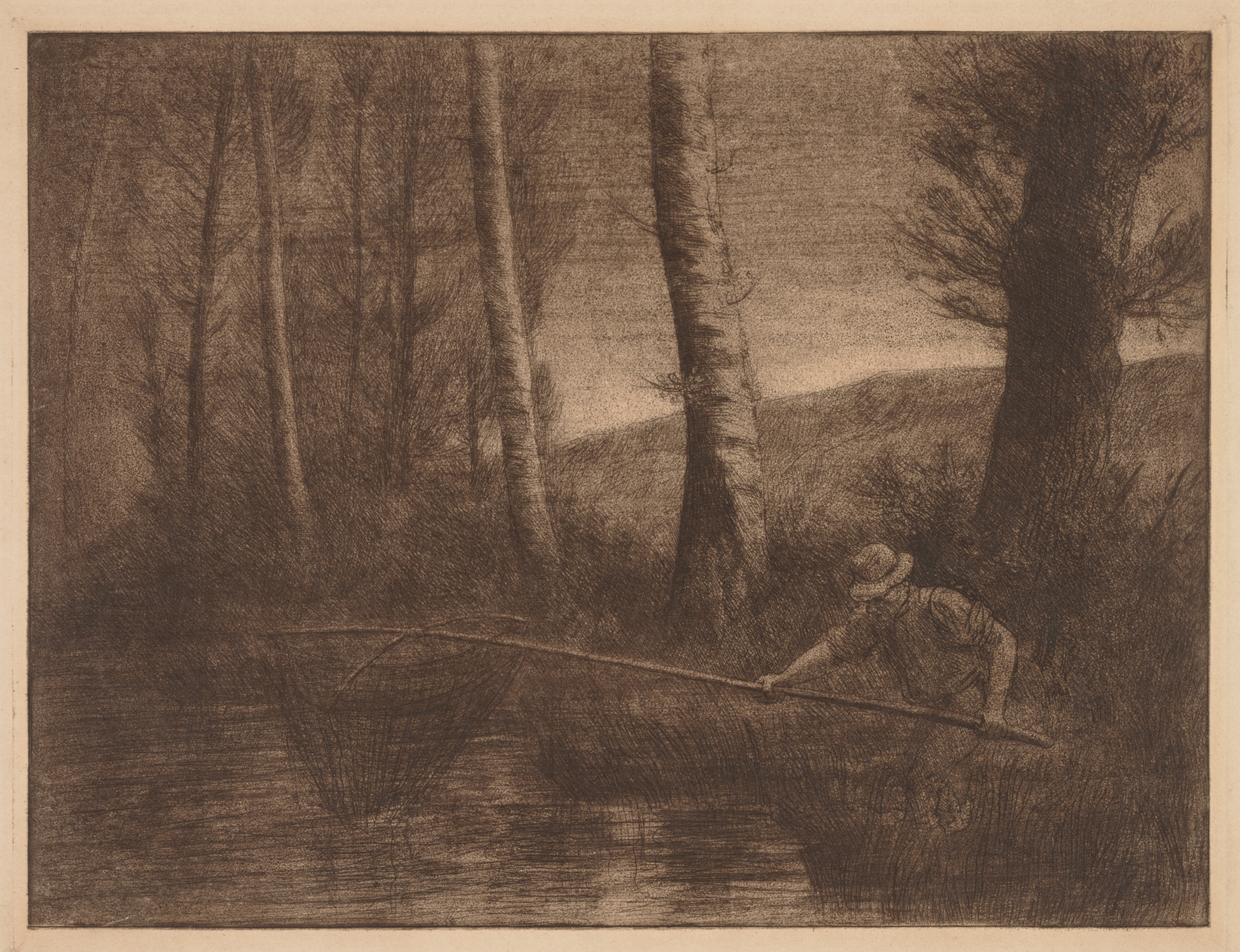
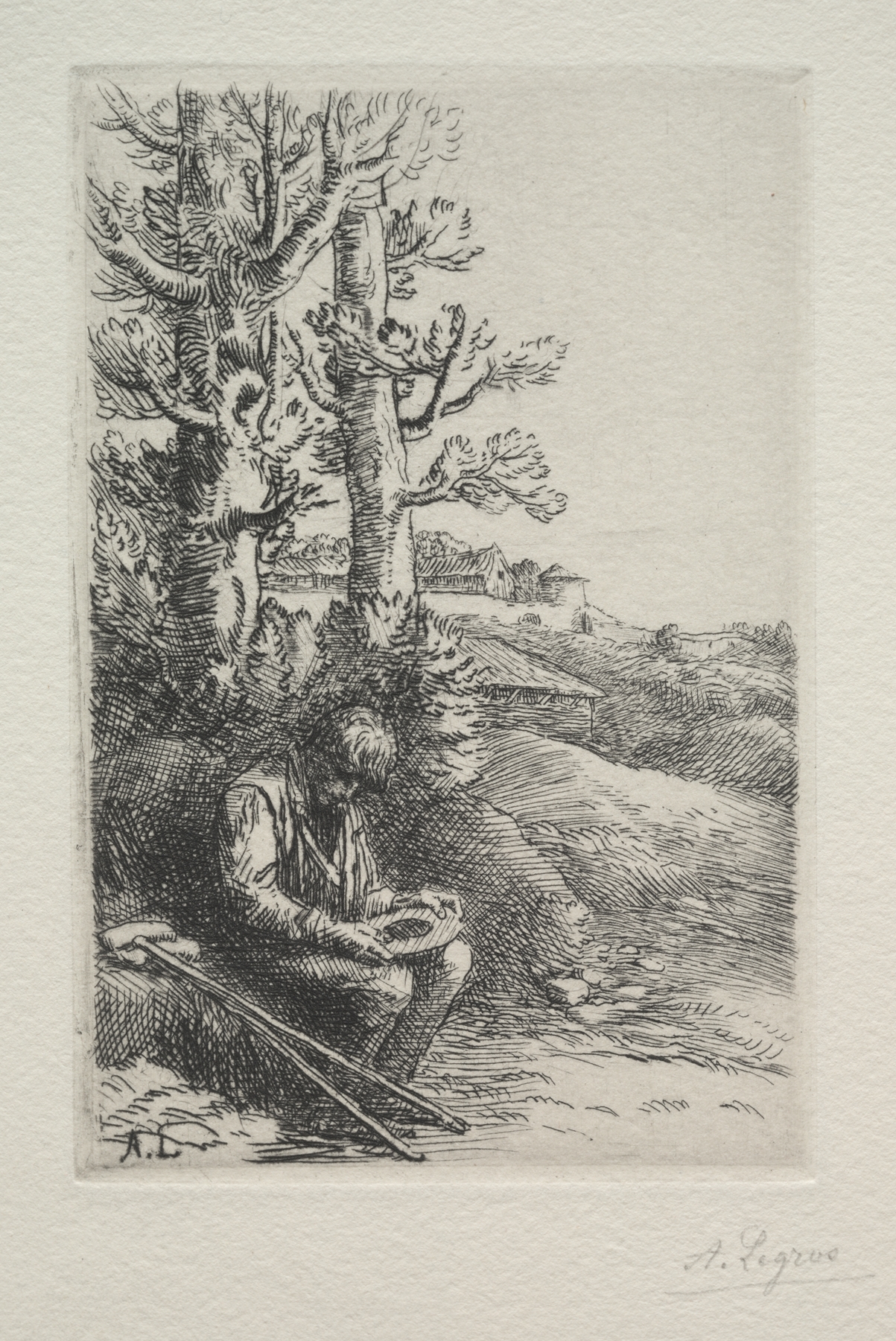
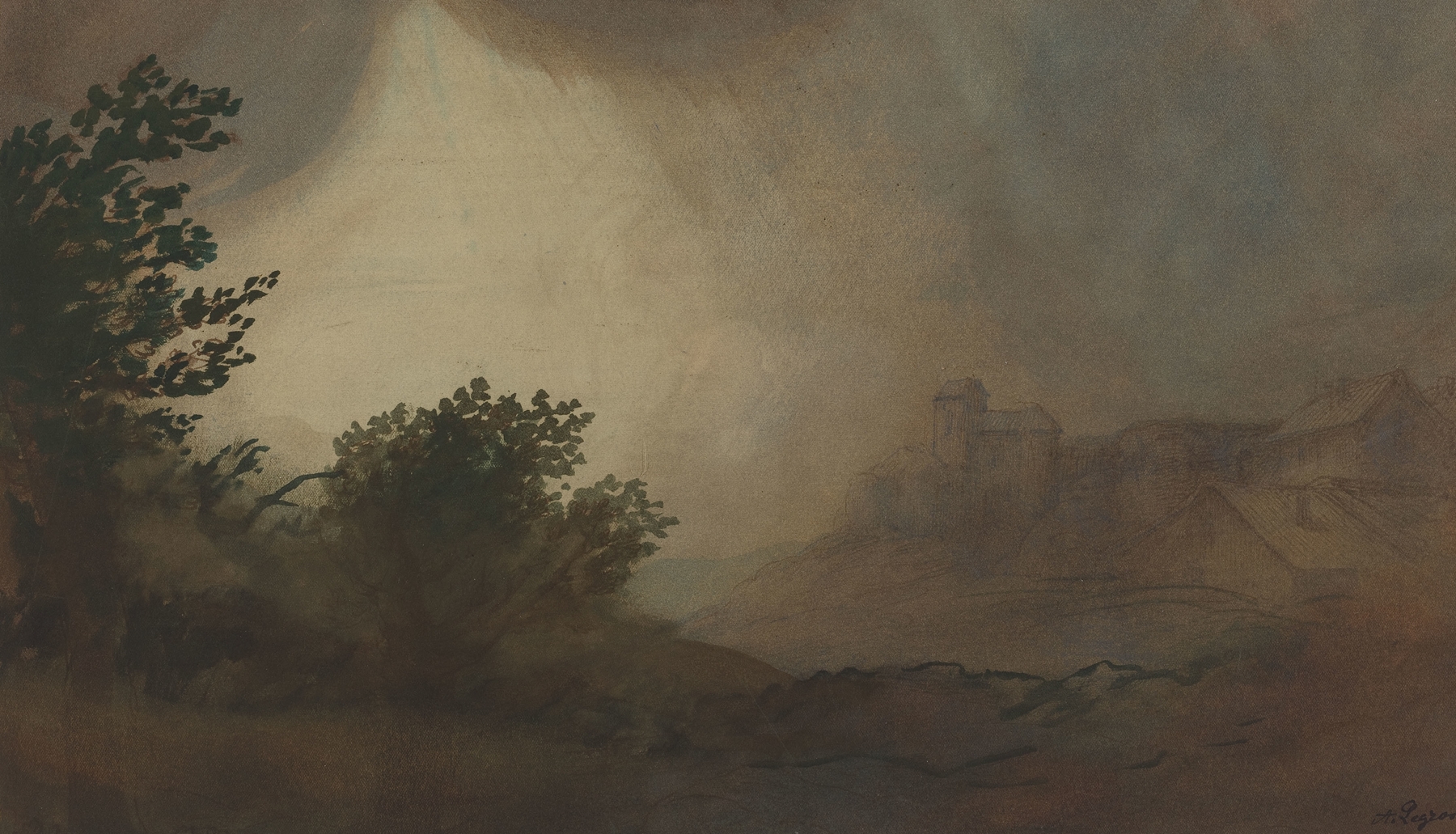
“Under the brush, chaos becomes grace.” Memory dances on the edge of our consciousness, threading through the mundane and the magical, weaving a tapestry of experience that is both personal and universal. Look to the left, where a figure kneels, her posture intimate and absorbed in the act of nurturing. The artist's deft brushstrokes capture the glistening water, mirroring the gentle ripples of life itself. Notice how the light filters through the foliage overhead, casting dapples of shadow and illumination across her form, creating a dynamic interplay between the vibrant greens and the soft earth tones.
The rich textures invite the viewer to linger, drawing one’s gaze deeper into the serene yet vibrant scene. In this serene moment, contrasts emerge. The stillness of the water juxtaposes the potential chaos of nature surrounding it, suggesting a fragile balance between tranquility and the unpredictability of life. The human figure, absorbed in this simple yet vital task, becomes a conduit of memory, evoking a sense of nostalgia and connection to the earth.
Each droplet of water reflects the weight of the past, while the lush setting evokes the bounty of growth, both physical and spiritual. During the period from 1857 to 1911, the artist created this work while living in France and facing the shifting tides of modernity in art. As movements like Impressionism took root, Legros maintained a focus on realism and the human experience, capturing the essence of daily life. The painting becomes a testament to the quiet moments that shape our memories, reflecting the artist’s introspective journey through an ever-changing world.