Thomas Boylston II (1721-1798) — History & Analysis
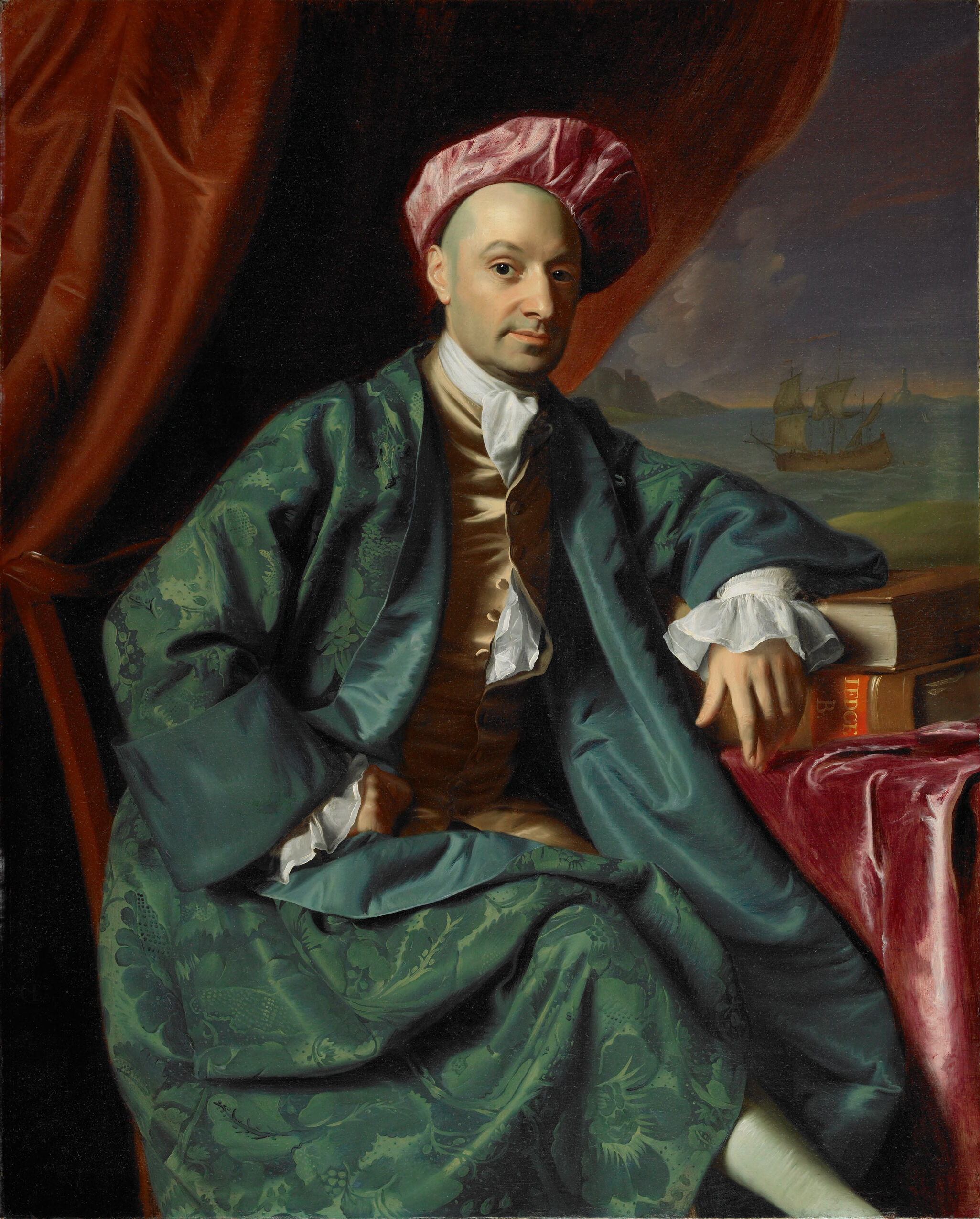
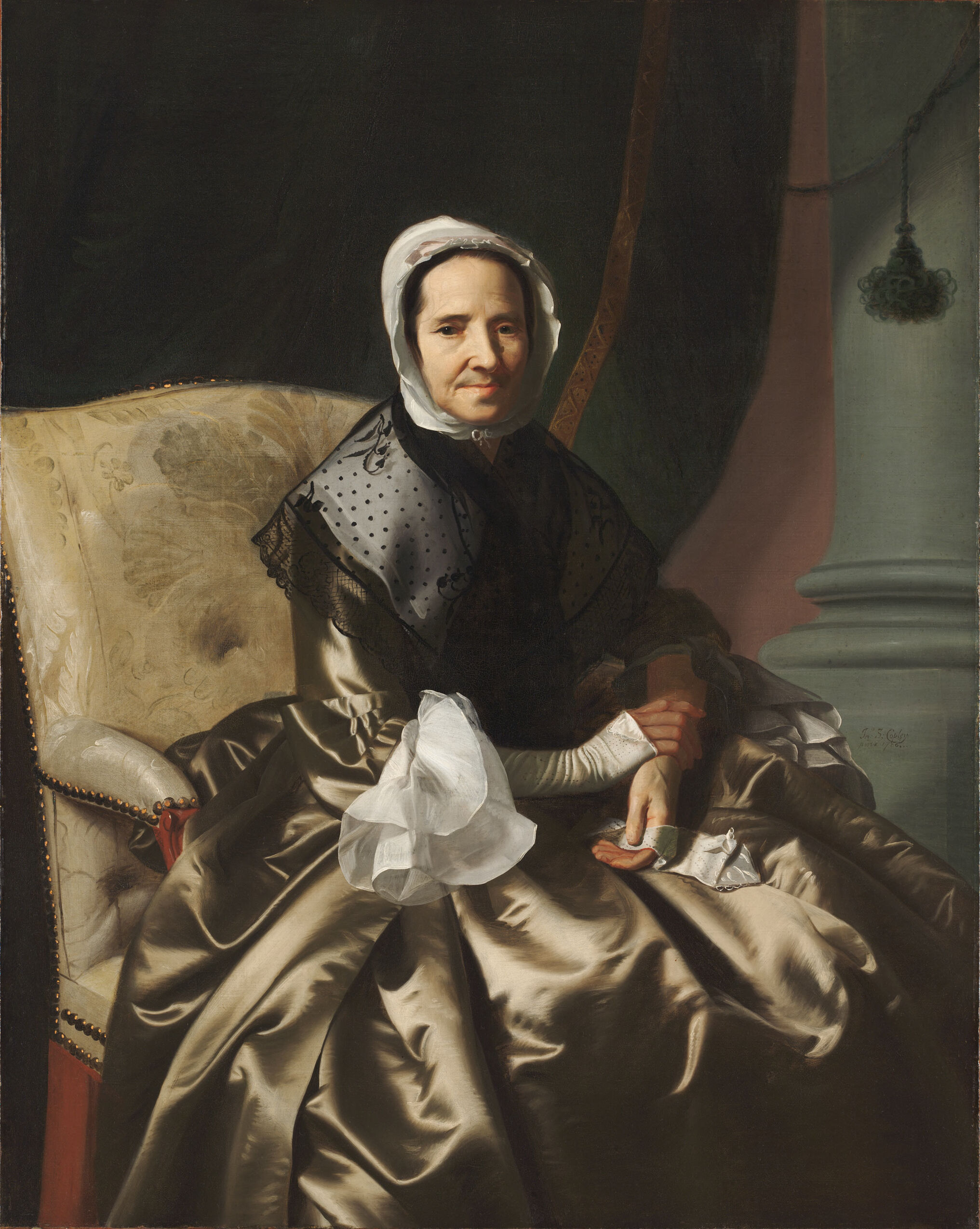
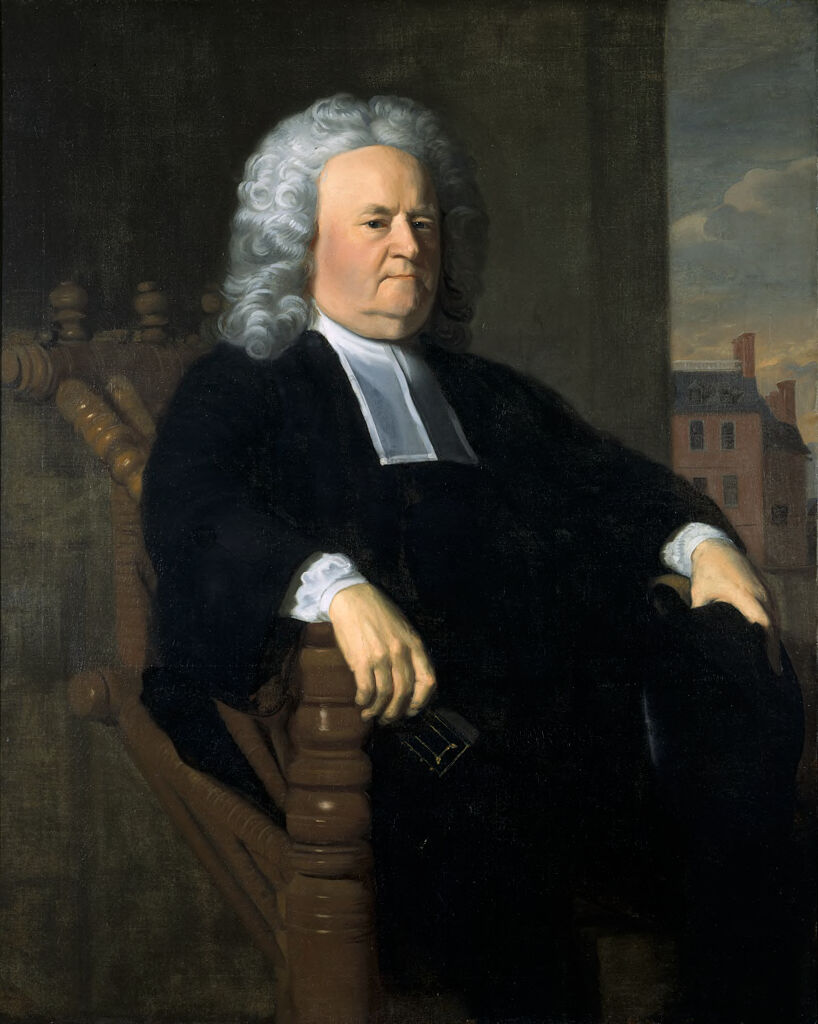
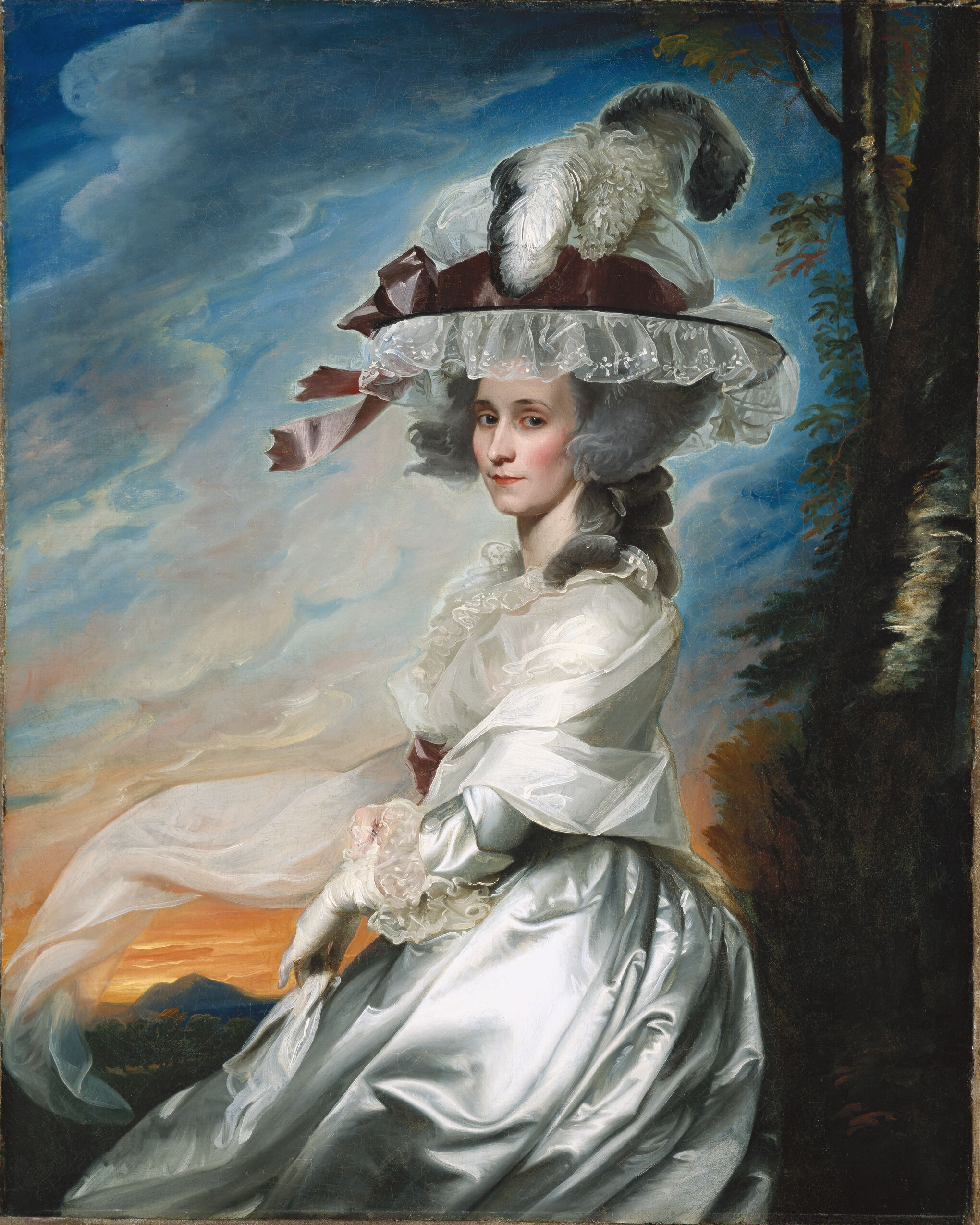
“Every silence here is a confession.” Memory lingers in the stillness of this portrait, where the past echoes through the gaze captured on canvas. Look to the left, where the figure stands poised against a muted background, the subtle earth tones enveloping him in an aura of dignity. Note the careful detailing of fabric, from the intricate lace cuffs to the rich textures of his coat, which allude to a world of privilege and refinement. The soft light caresses his face, lending a warmth that contrasts with the cooler backdrop.
This interplay creates a sense of intimacy, inviting viewers to engage in a silent dialogue with the subject. Yet, beneath this serene facade lies an undercurrent of tension. The stern expression suggests the weight of expectation, hinting at the responsibilities that accompany his status. The positioning of his hands, slightly clasped, evokes a feeling of restraint, as if he is caught between revealing his inner self and conforming to societal norms.
Memory, in this case, is not merely nostalgic; it’s a reminder of the burdens that accompany legacy and lineage. Created in Boston between 1767 and 1769, this work emerged during a period of significant change in colonial America, when the tension between individuality and aristocratic tradition was palpable. Copley, a key figure in American portraiture, was honing his craft at a time when the art world was evolving, as new ideals of identity and expression were beginning to take root in the burgeoning nation. This context adds depth to the work, making it not just a portrait but a reflection of a pivotal moment in American history.