Thomas Hubbard (1702-1773) — History & Analysis
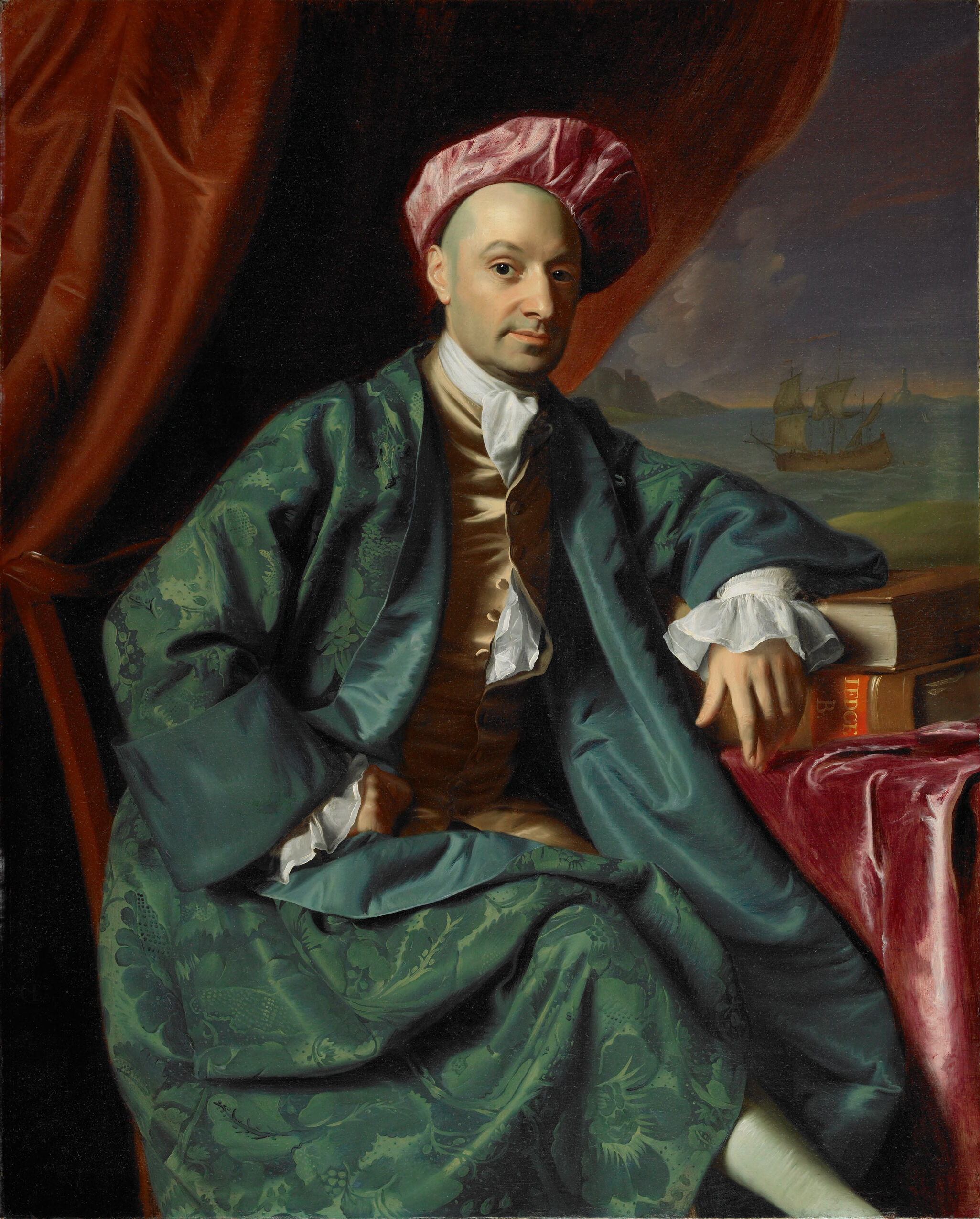
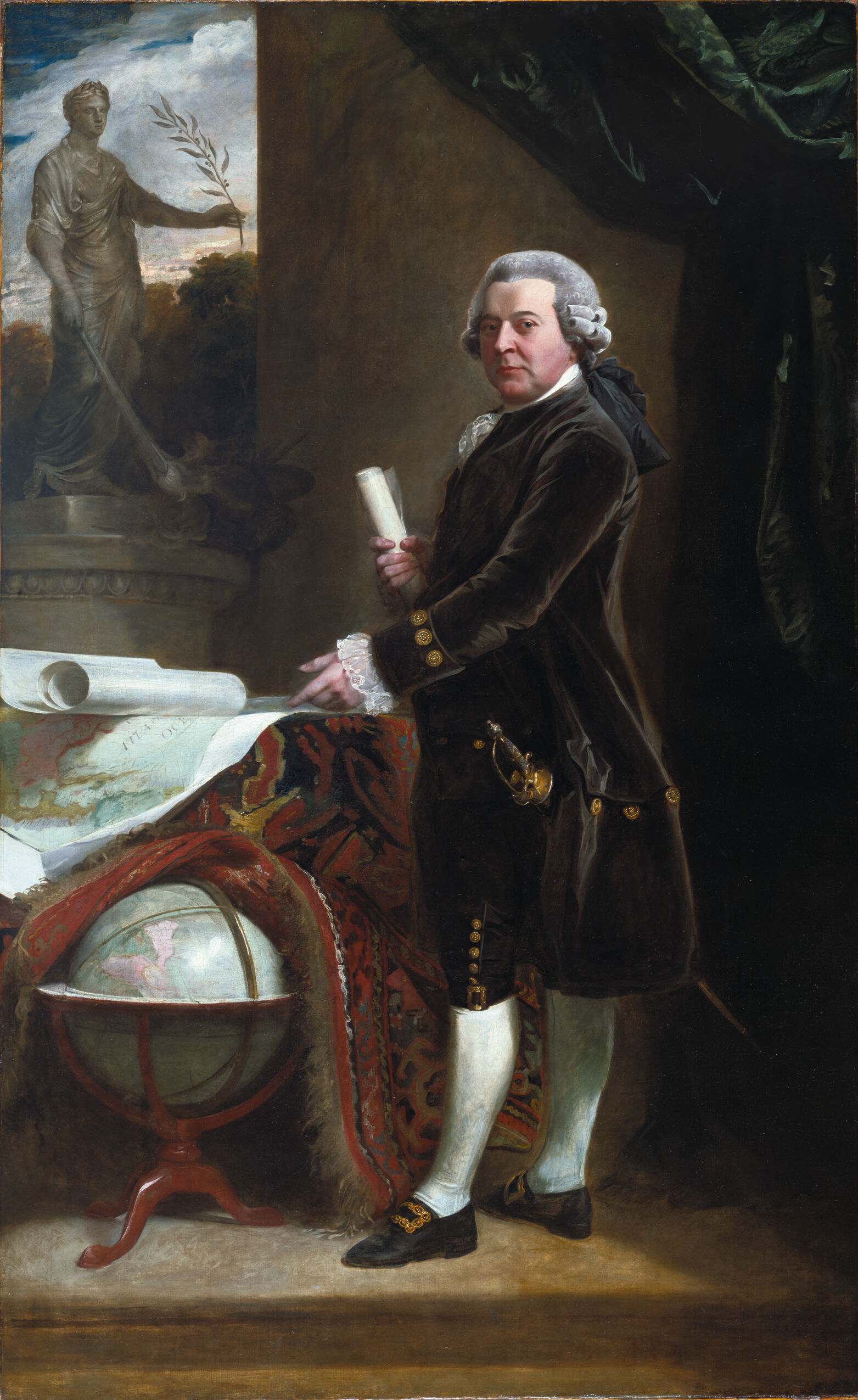
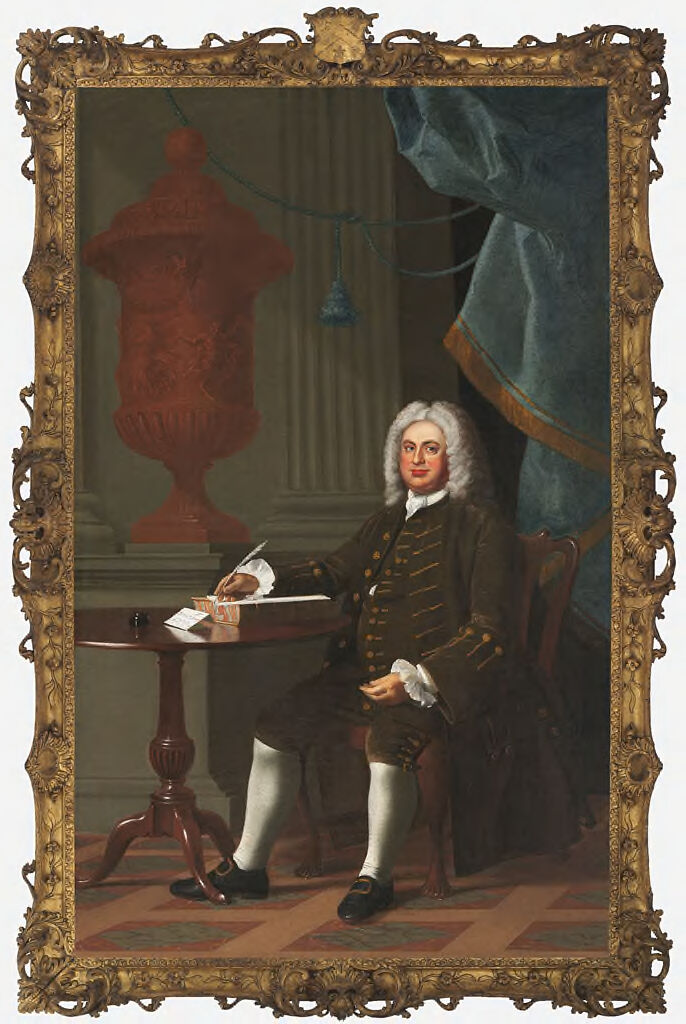
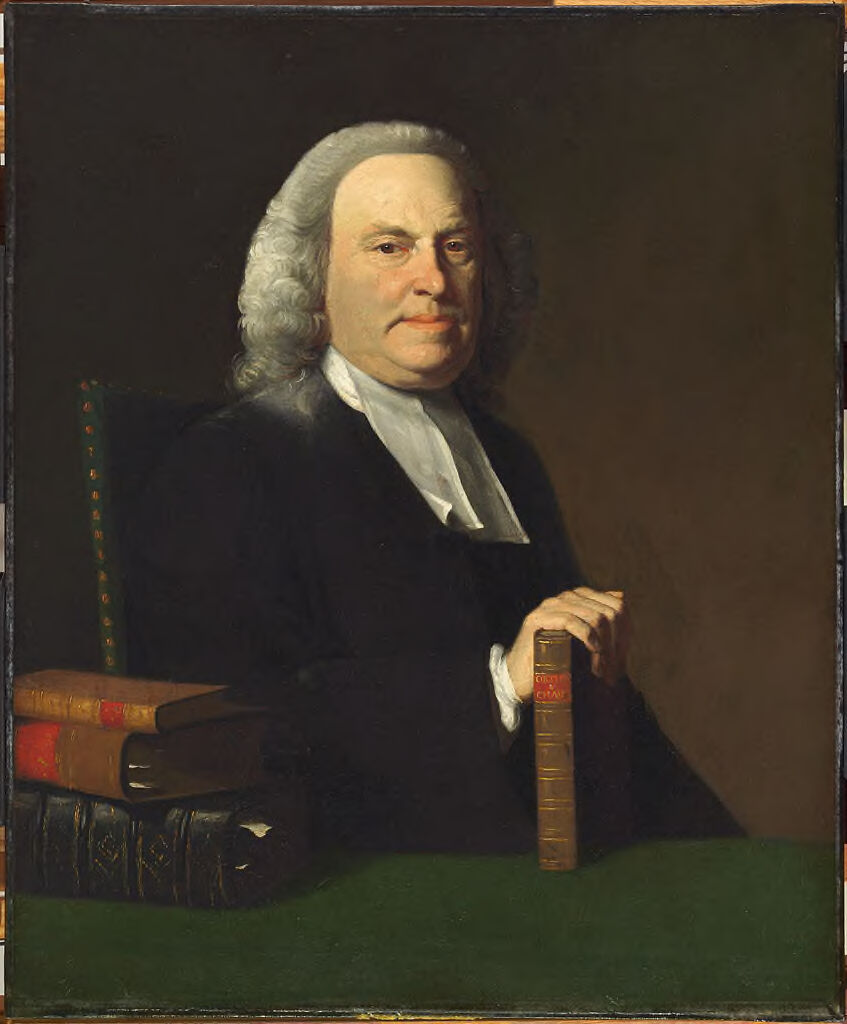
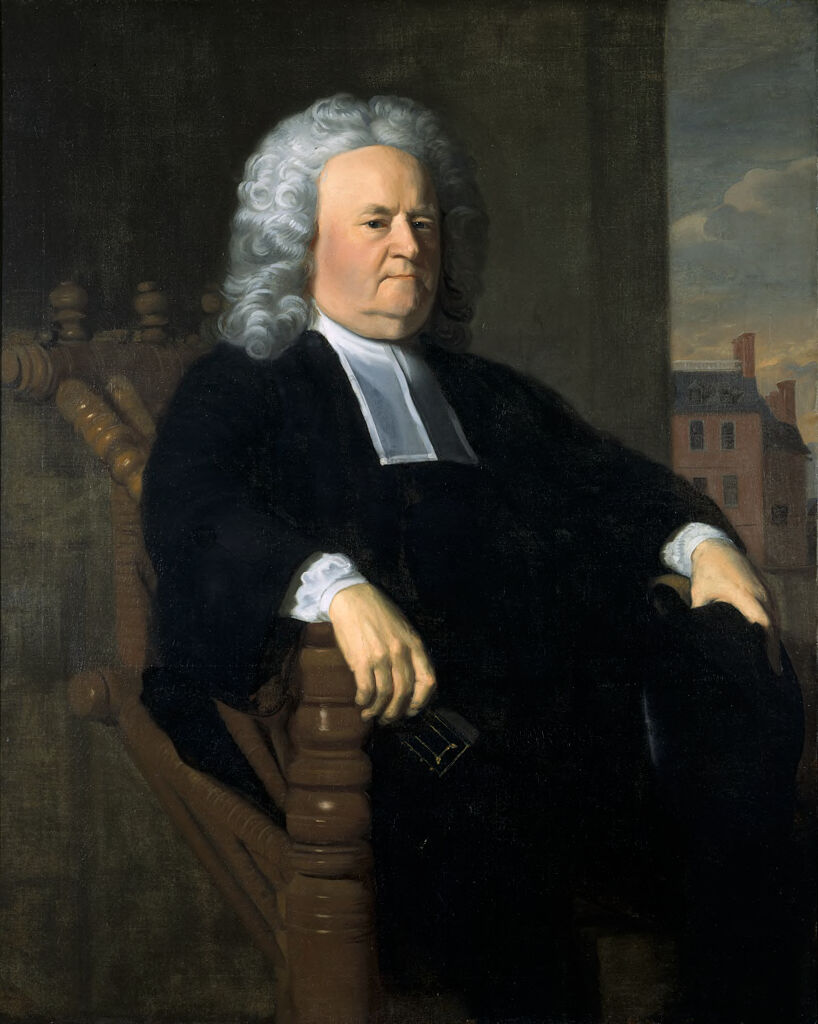
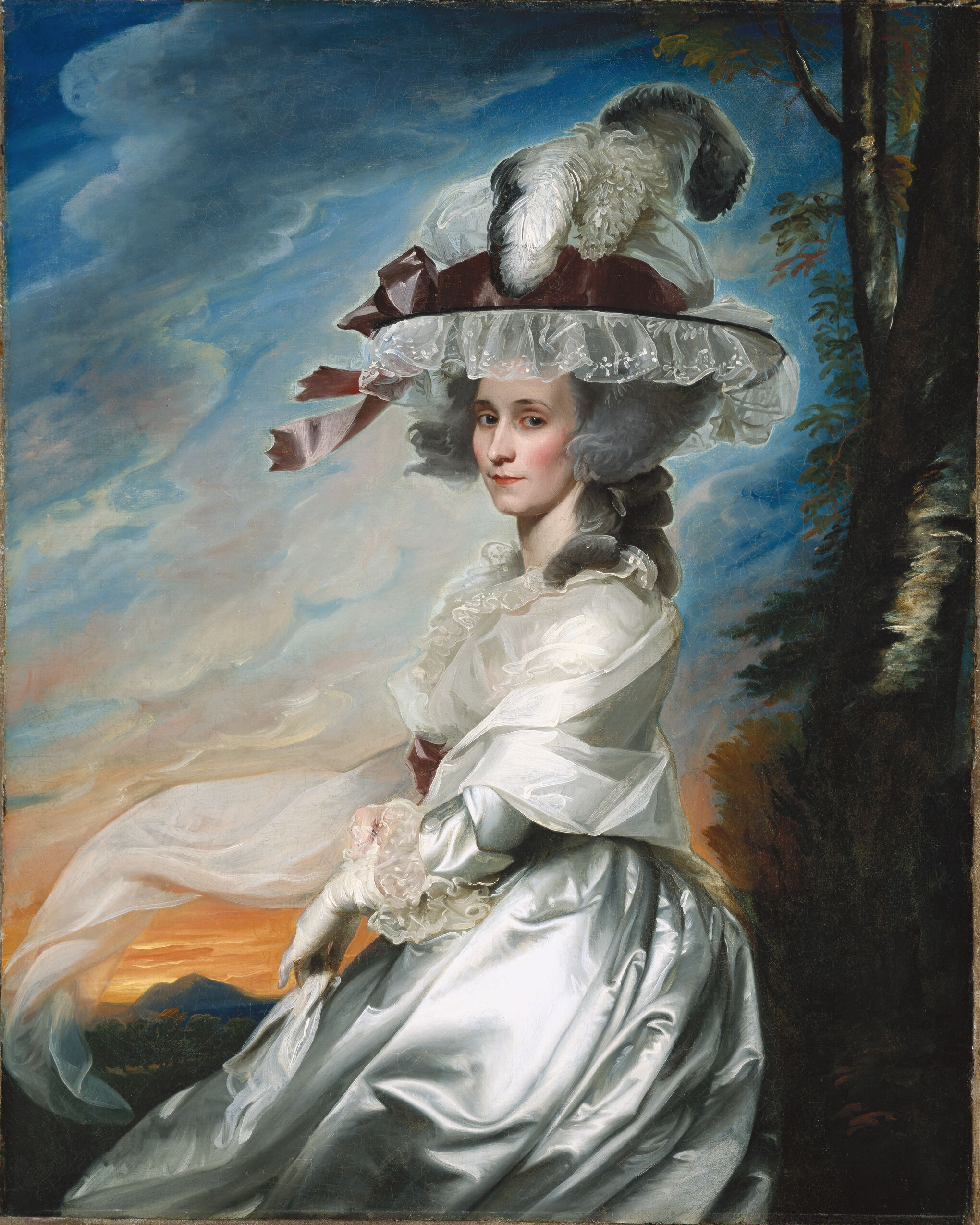
“To paint is to remember what time wants us to forget.” In a world that constantly shifts beneath our feet, the act of capturing a moment becomes both a rebellion against and a surrender to the relentless march of time. Look closely at the figure in the center, with the soft light illuminating his thoughtful expression. Notice how the fabric of his coat falls in graceful folds, each crease a testament to the craftsmanship of the period. The rich, deep browns and subdued greens of the background create a sense of grounding, allowing the warm hues of his skin to emerge with warmth and vitality.
The subtle play of shadows across his face hints at the complexity of his character and the weight of his experiences. In the details, there lies a profound tension. The slight furrow of his brow suggests contemplation, perhaps of the legacies he will leave behind or the fleeting nature of his own existence. The objects surrounding him, carefully placed, represent time itself—each a reminder of what has been and what may yet come.
The little nuances—his direct gaze, the fleeting smile—echo a dialogue with the viewer, challenging us to consider our own relationship with memory. Painted around 1767, this work emerged during a pivotal time in Copley's career as he navigated the transition from colonial painter to a recognized figure in European art. While in Boston, he was grappling with the burgeoning American identity against the backdrop of British influence. The painting reflects his growing mastery of portraiture, where each brushstroke serves not just to flatter but to immortalize the essence of his subjects amidst the tides of change.