Three Trees, Italy — History & Analysis
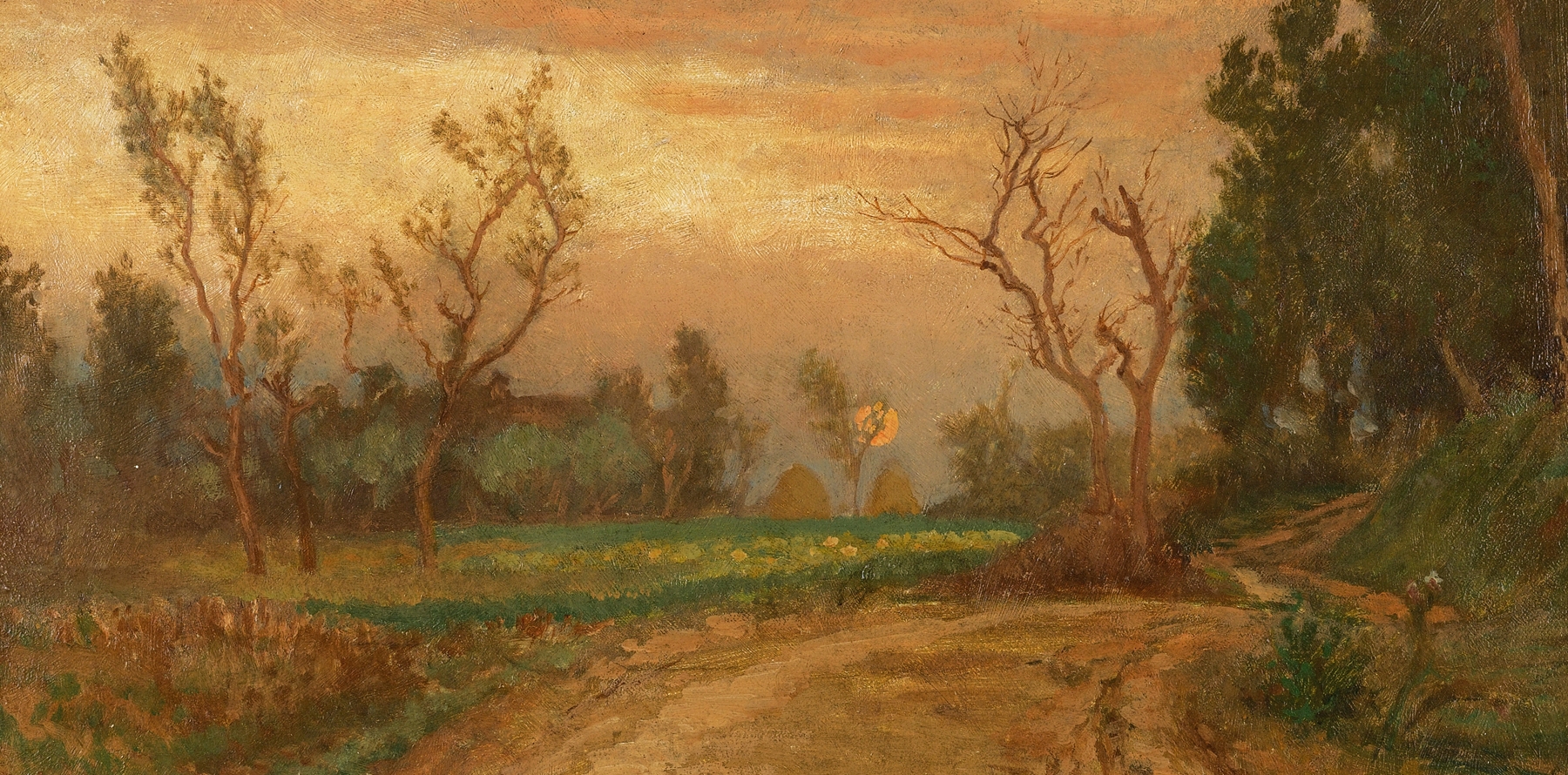
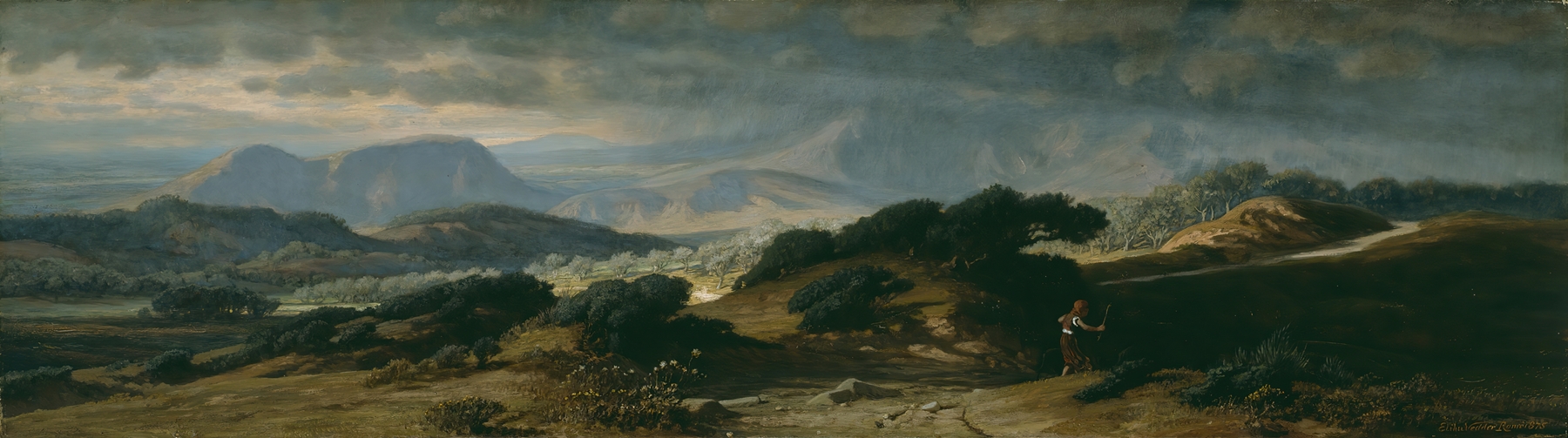
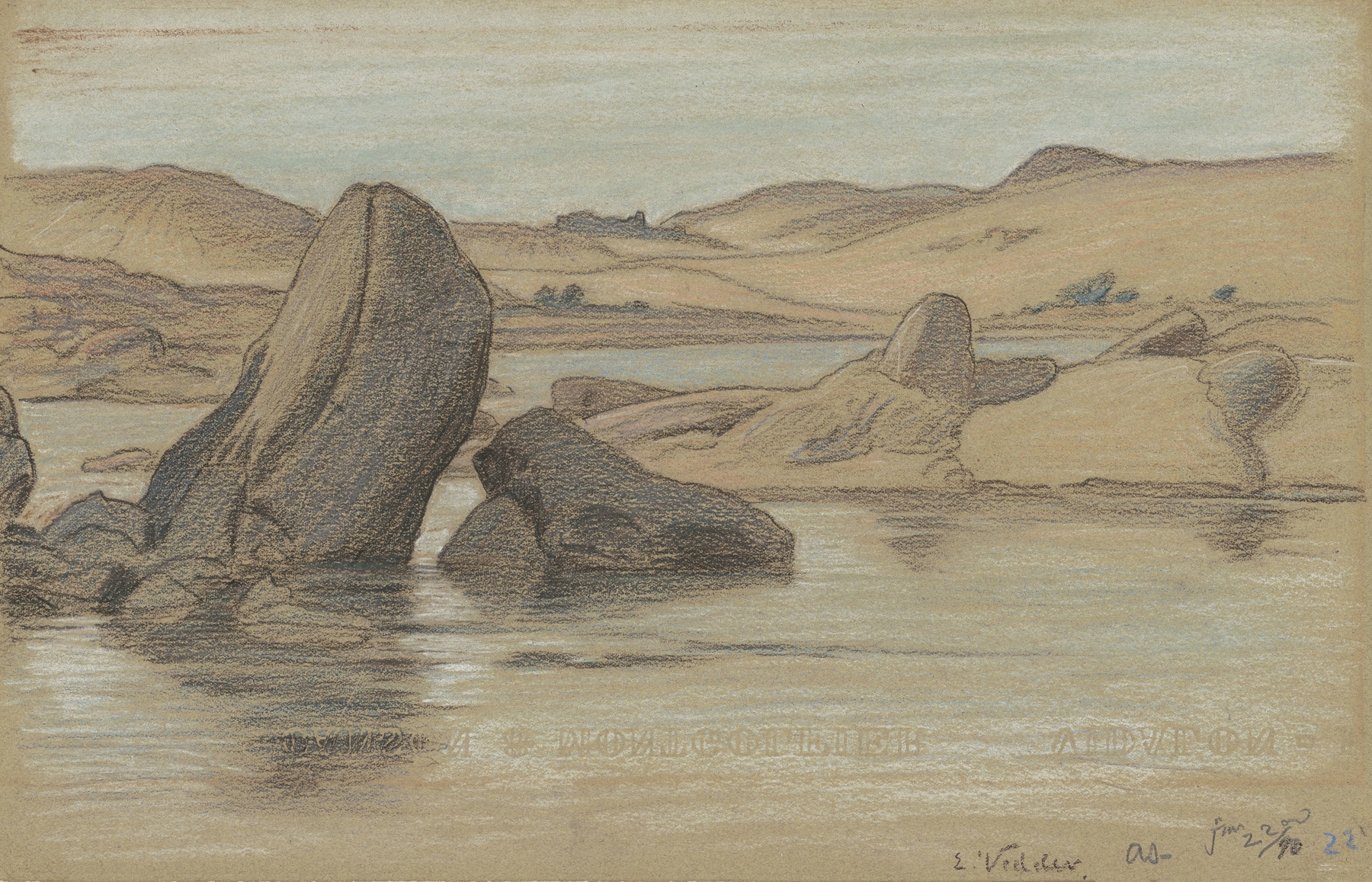
Can beauty exist without sorrow? In Three Trees, Italy, Elihu Vedder presents a poignant meditation on the interplay between nature and the human condition, inviting viewers to contemplate the relationship between joy and melancholy. Look closely at the three trees that stand resilient against a muted sky, their gnarled limbs stretching outward as if yearning for connection. The soft, earthy tones of browns and greens contrast with the ethereal light that spills over the landscape, pulling your gaze towards the horizon.
Notice how the brushwork creates a sense of movement in the leaves, suggesting a whisper of wind, while the stillness surrounding the trees evokes a moment frozen in time, capturing both serenity and tension. The trees themselves symbolize strength and endurance, yet their crooked forms hint at a struggle against life’s adversities. The juxtaposition of light and shadow casts a melancholic aura, encouraging reflection on the passage of time and the inevitability of change. One can sense the hidden stories held within their bark, each knot and twist representing resilience forged from experience, making the viewer ponder their own journey amid nature's beauty.
In 1871, while working on this piece in Italy, Vedder was deeply influenced by the Symbolist movement, seeking to fuse realism with deeper emotional truths. The world of art was evolving; artists were beginning to explore more introspective themes, focusing on the inner life rather than external appearances. This work stands as a testament to that shift, blending the intimate connection between artist and landscape with broader existential questions that resonate even today.