Tiergarten im Januar — History & Analysis
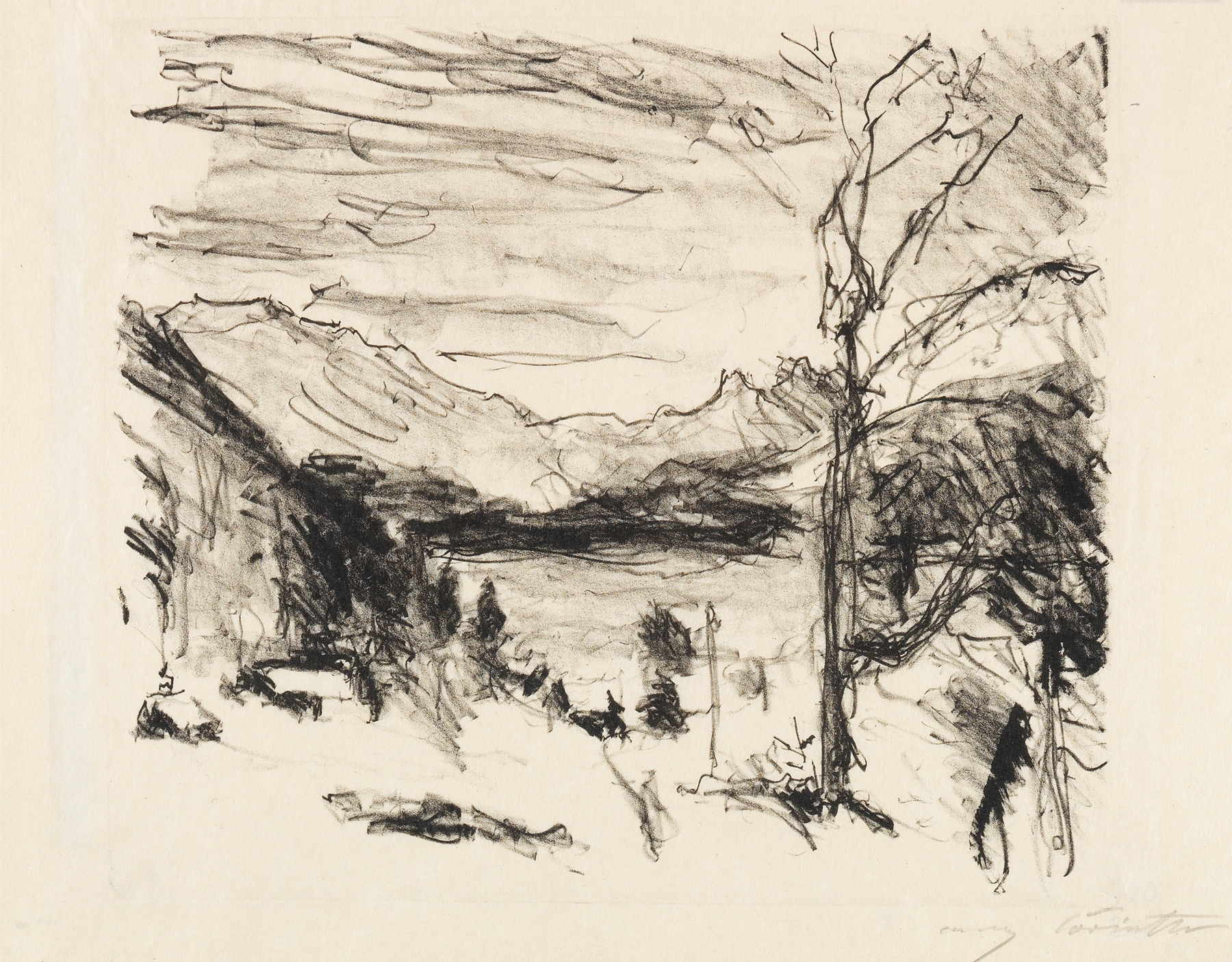
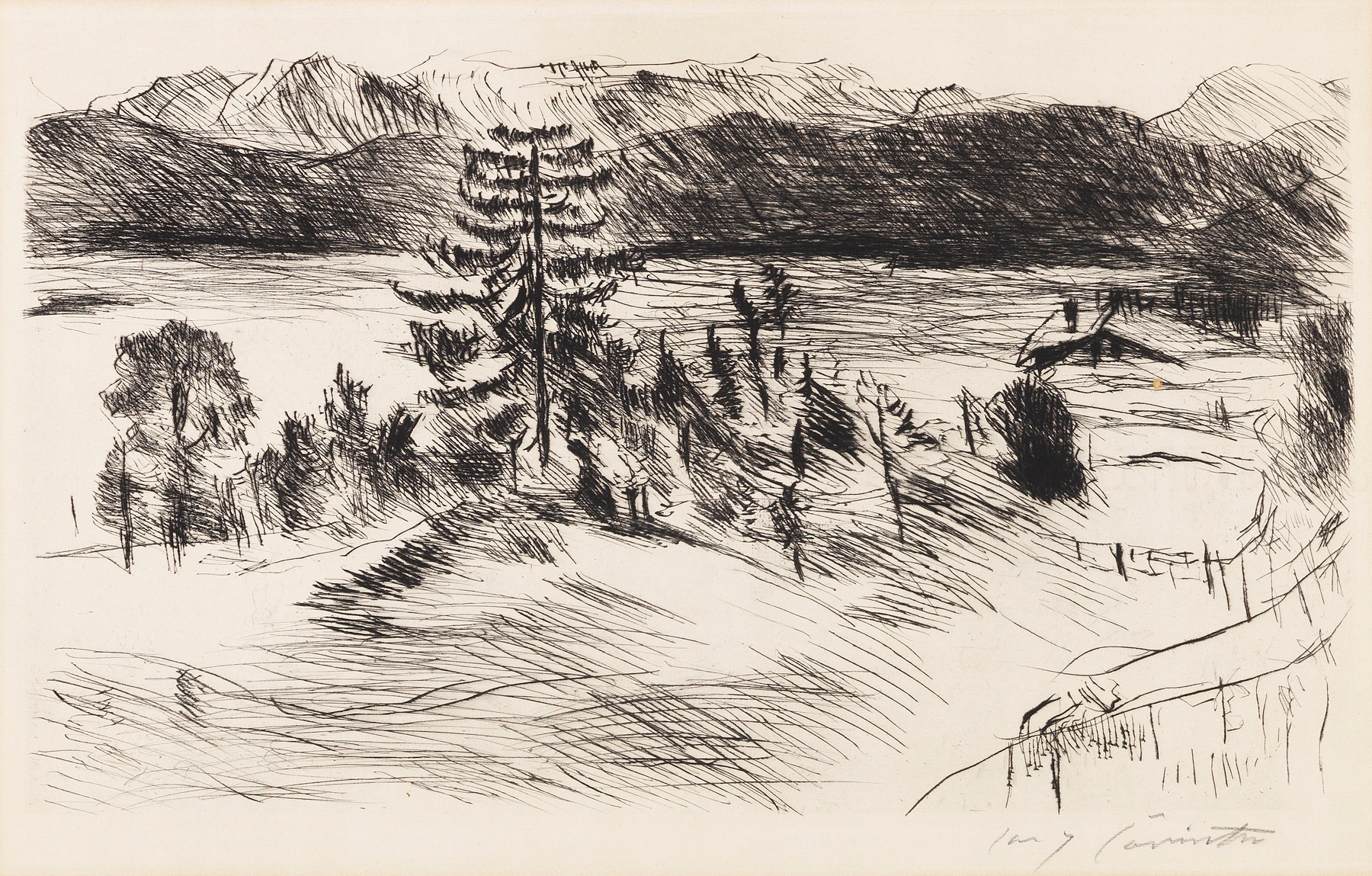
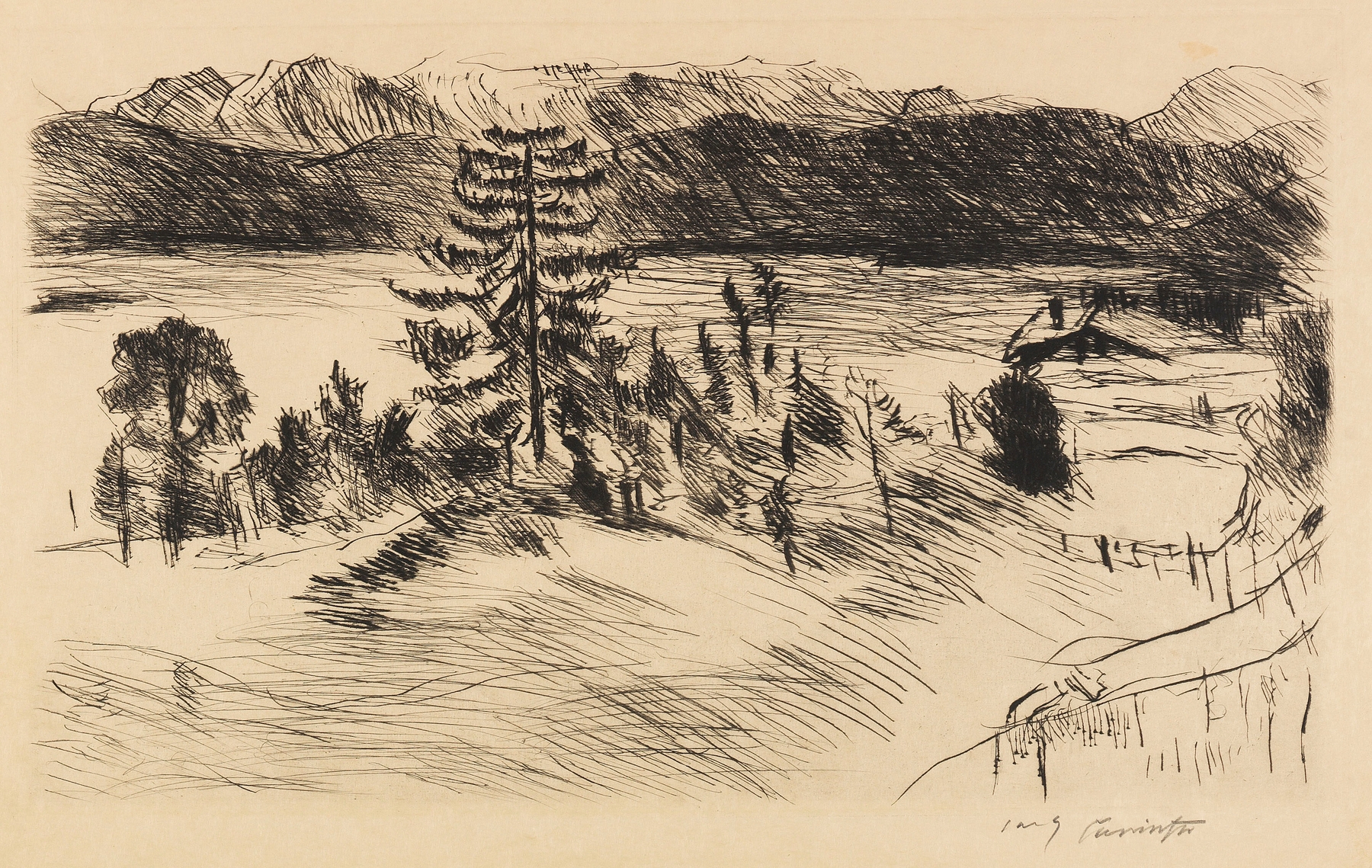
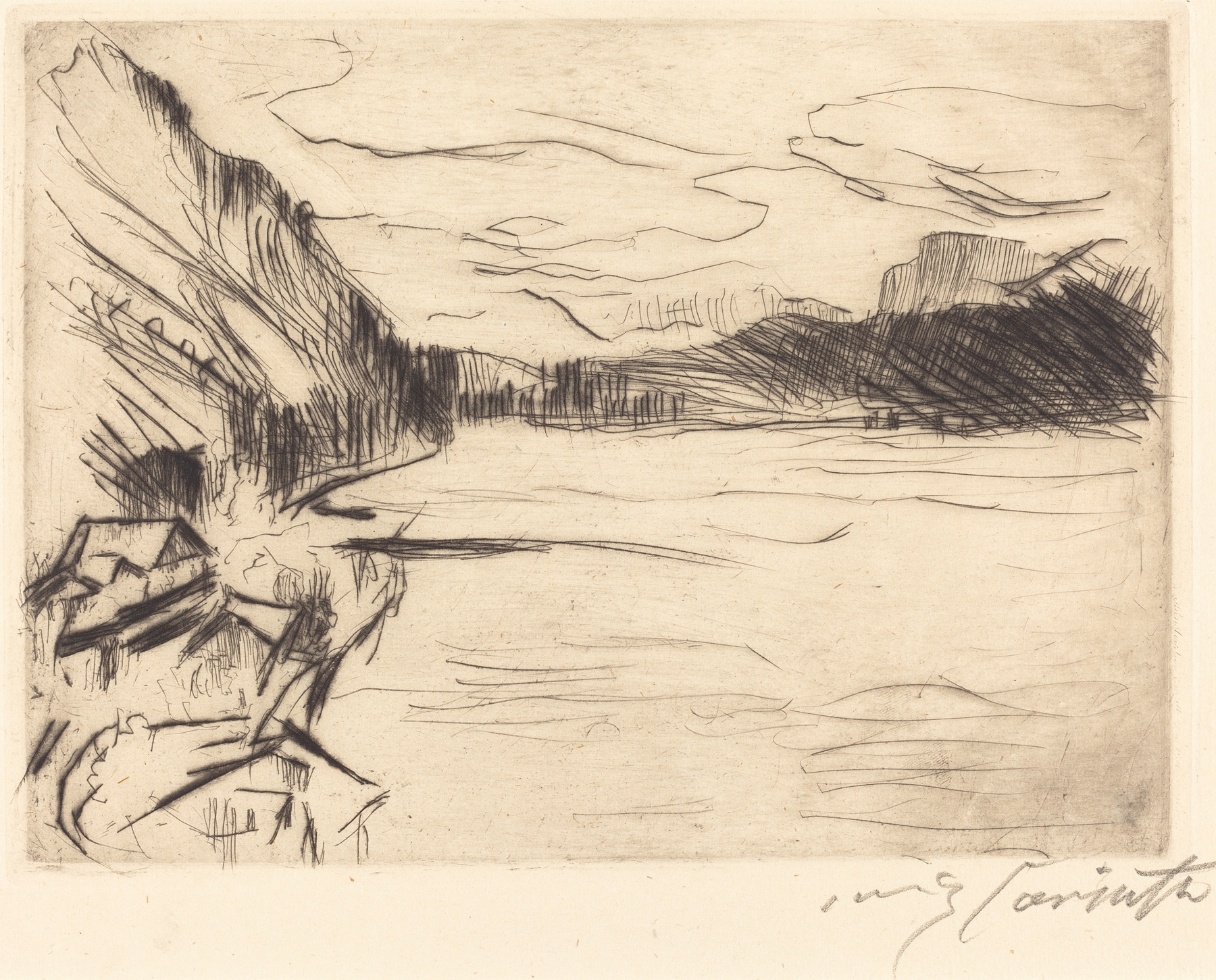
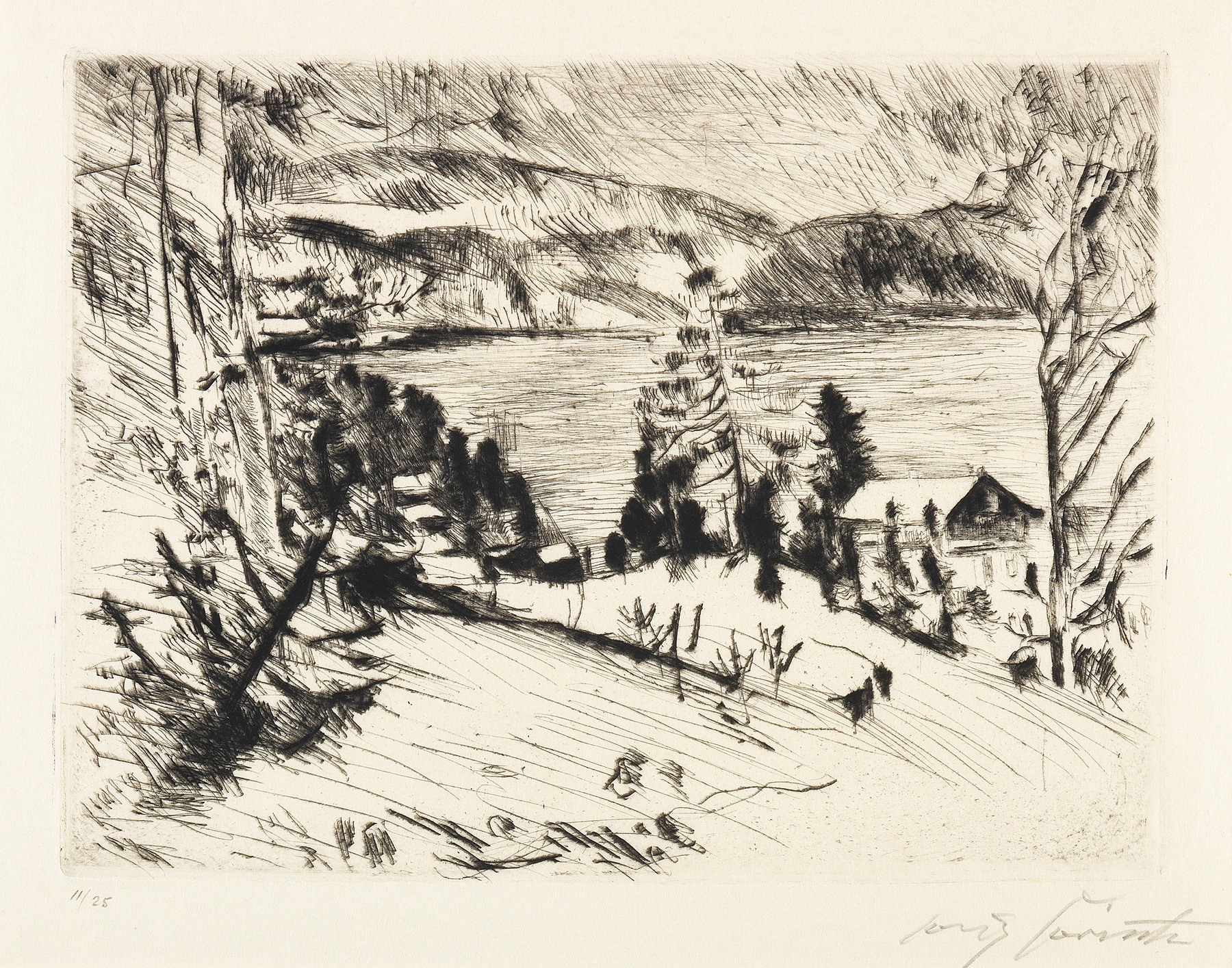
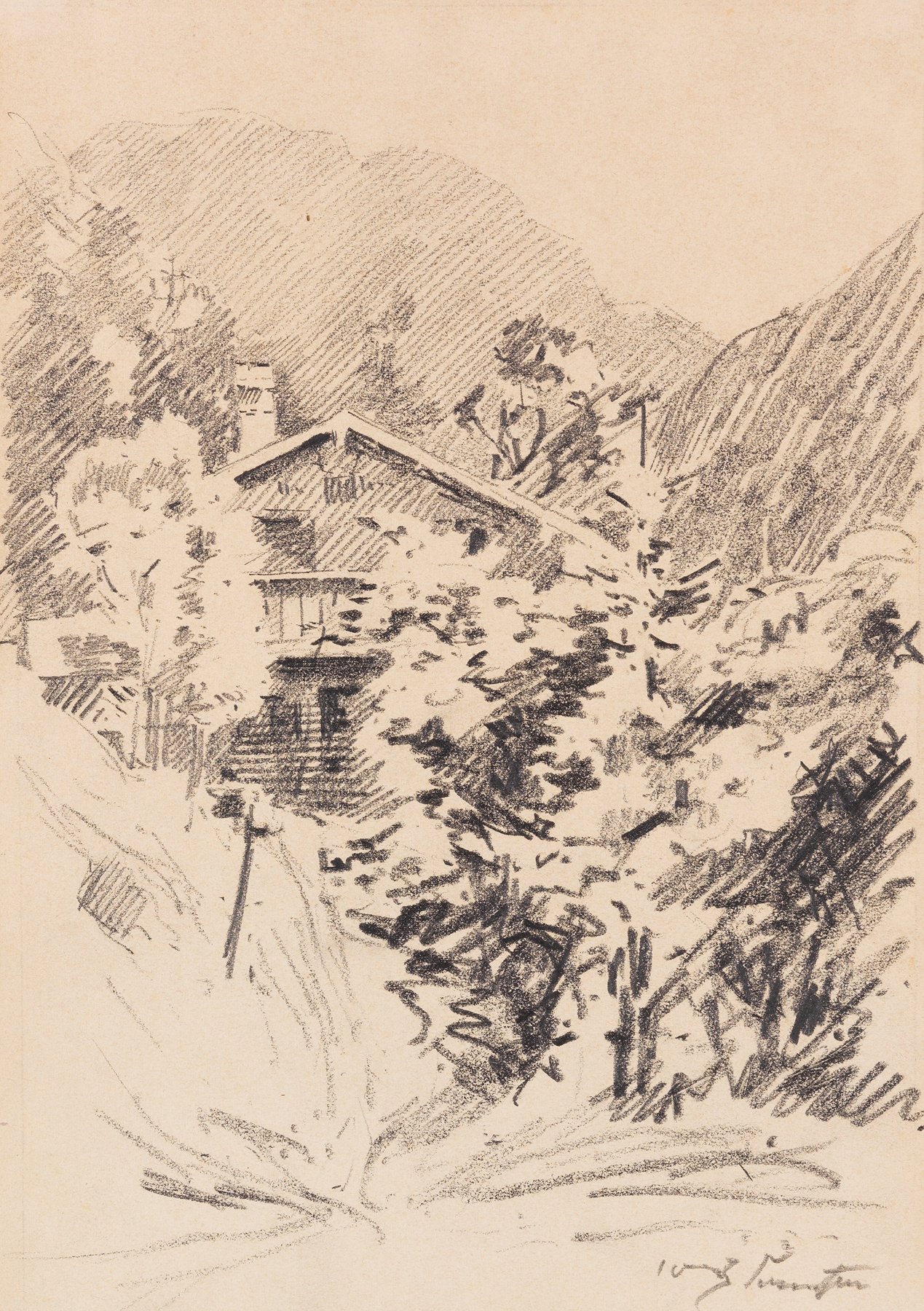
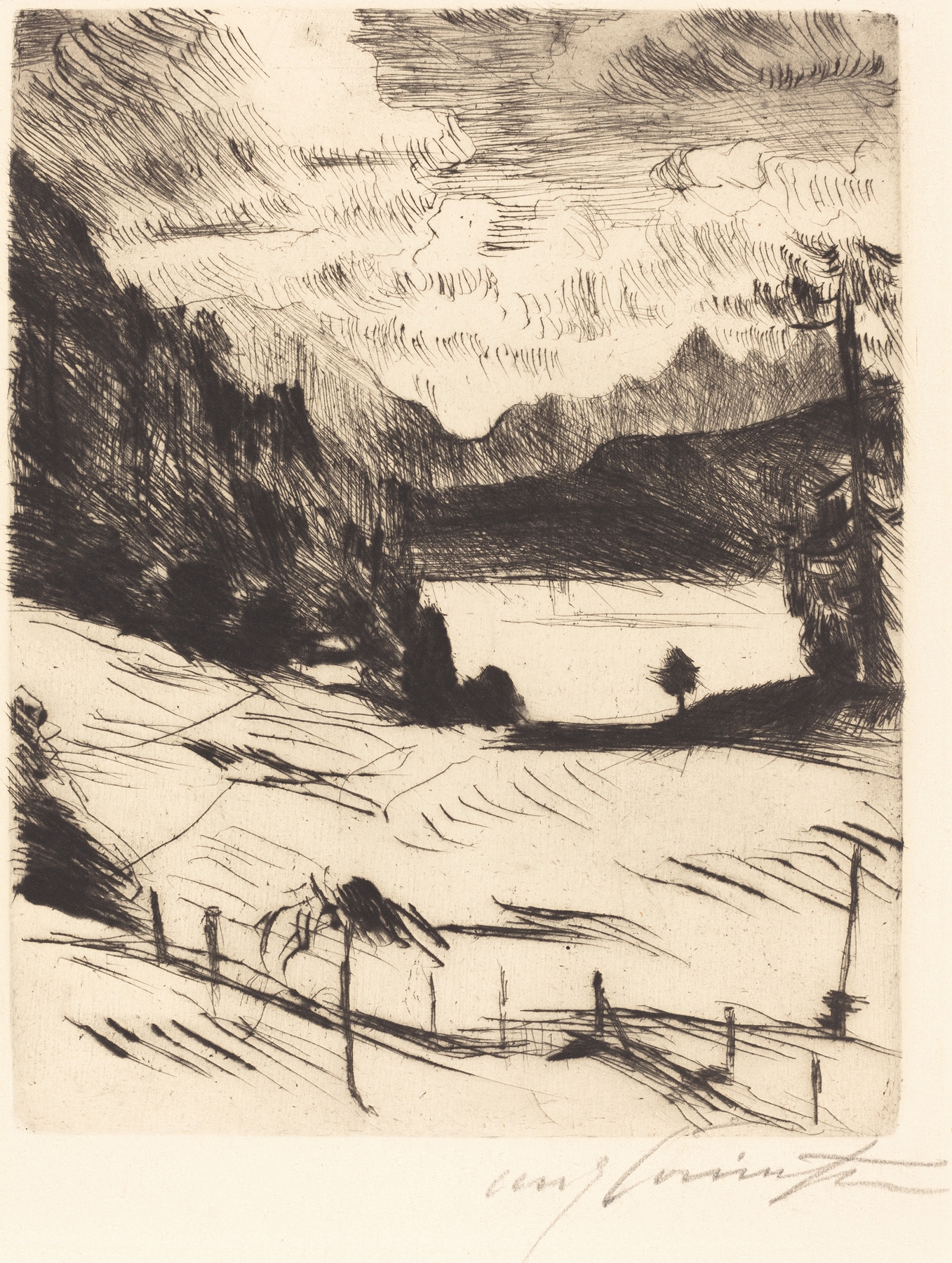
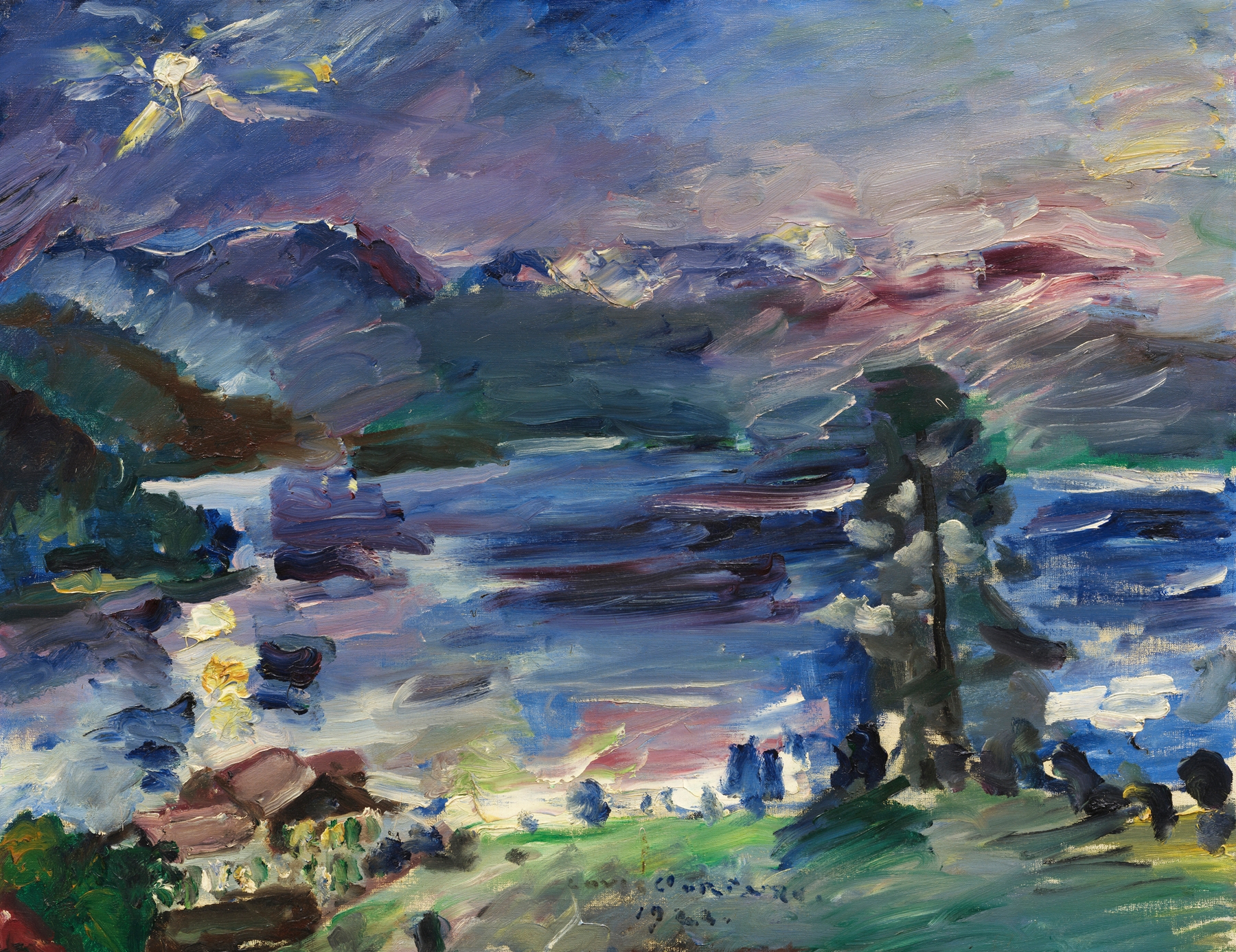
“Sometimes beauty is just pain, disguised in gold.” This poignant reflection echoes in the layers of Tiergarten im Januar, where memory intertwines with the chill of winter’s breath. As time passes, what remains is not merely the frozen landscape, but the emotional imprints left behind in the heart. Look to the foreground, where the delicate trees stretch their bare limbs against the stark white snow. The interplay of shadow and light creates a dance of contrasts; warm hues sneak through the cool, almost ethereal blues and whites, inviting the viewer into a moment suspended in time.
Corinth’s brushwork here is both expressive and purposeful, capturing the stillness of January while hinting at the life that once thrived beneath the surface. Yet, beneath this serene façade lies a tapestry of deeper meaning. The starkness of the bare branches and the solitary path evoke feelings of loneliness and introspection, a reminder of the beauty that often accompanies solitude. The way the light softly illuminates certain areas reveals not just a place, but the emotional weight of memories—echoes of laughter or whispers of joy now rendered quiet in the winter's grasp.
In 1922, Lovis Corinth painted this work during a time marked by personal loss and reflection. Living in Berlin, he faced profound changes in the art world and his own life, grappling with the repercussions of the First World War. This moment captured in Tiergarten im Januar speaks to a complex relationship between the external environment and the inner emotional landscape, bridging the past and present in a hauntingly beautiful composition.