Trout Fishing — History & Analysis
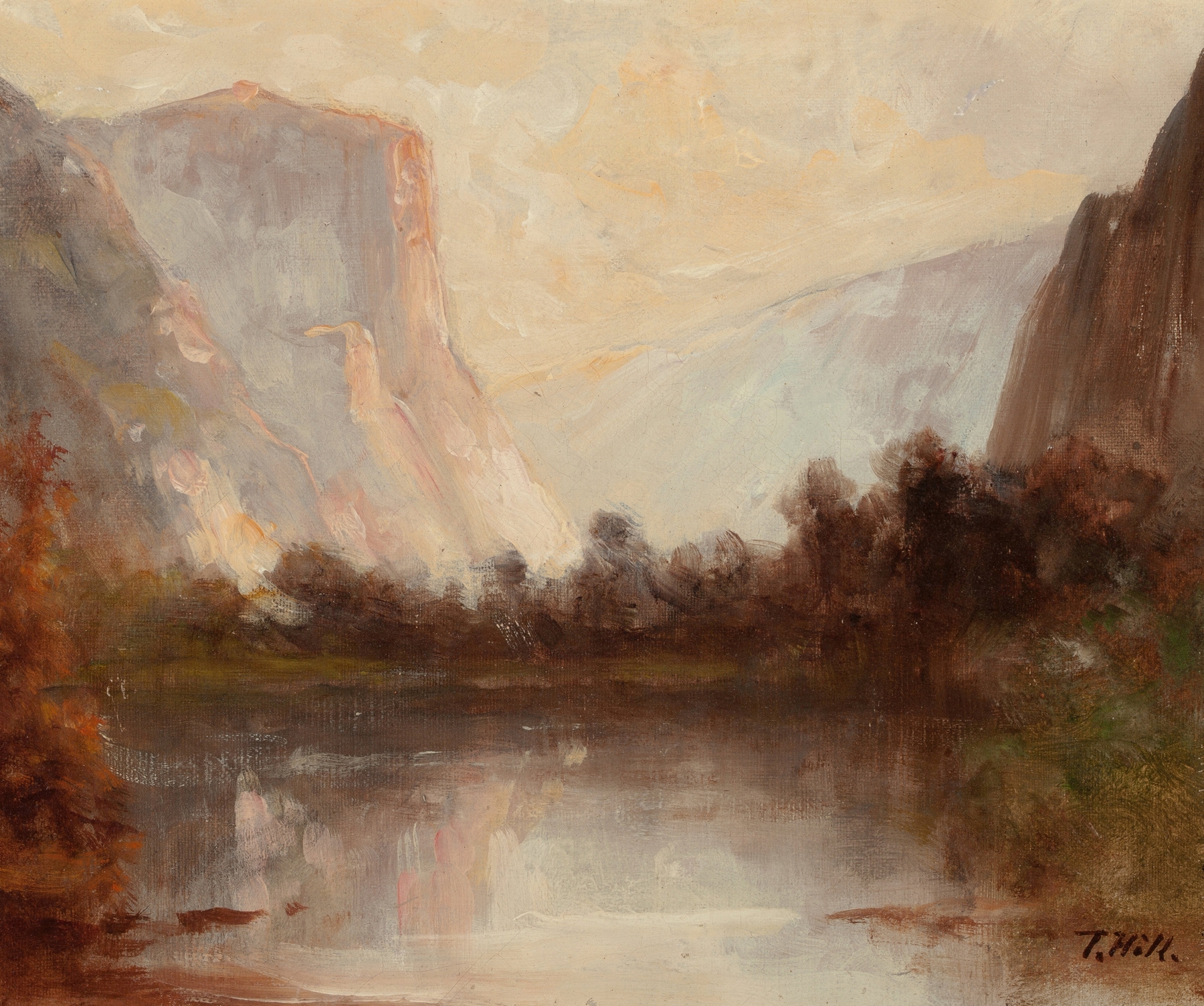
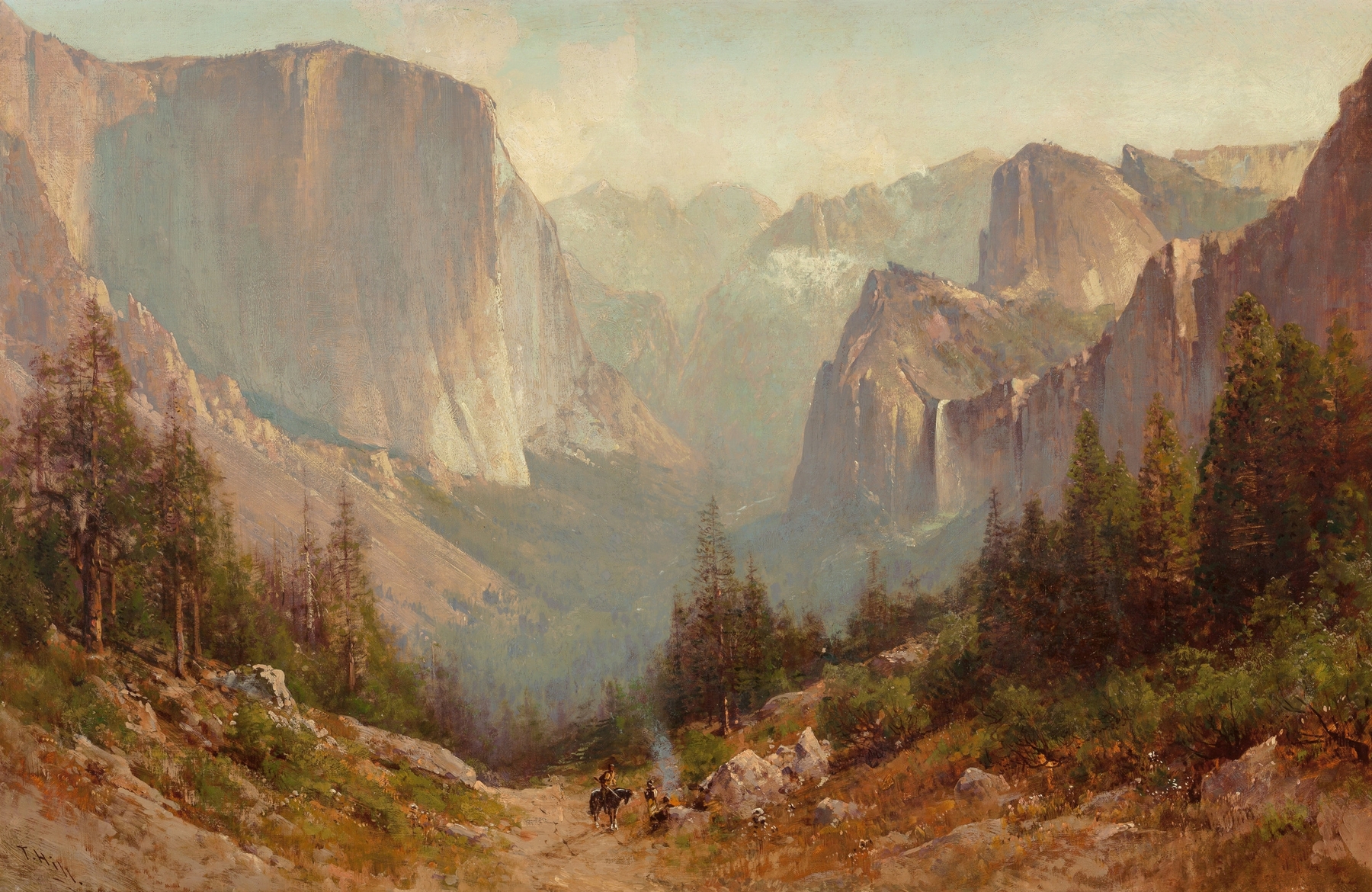
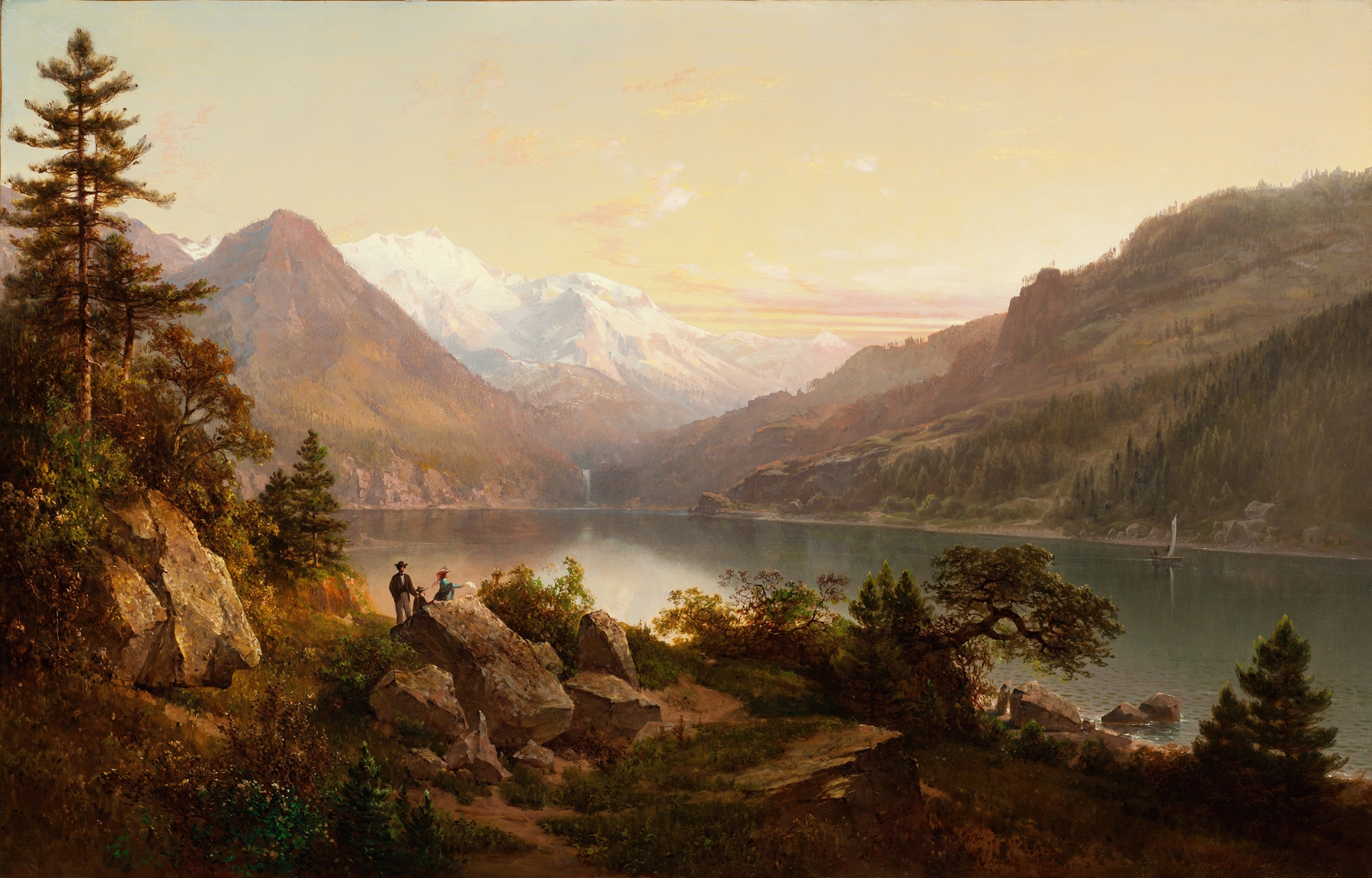
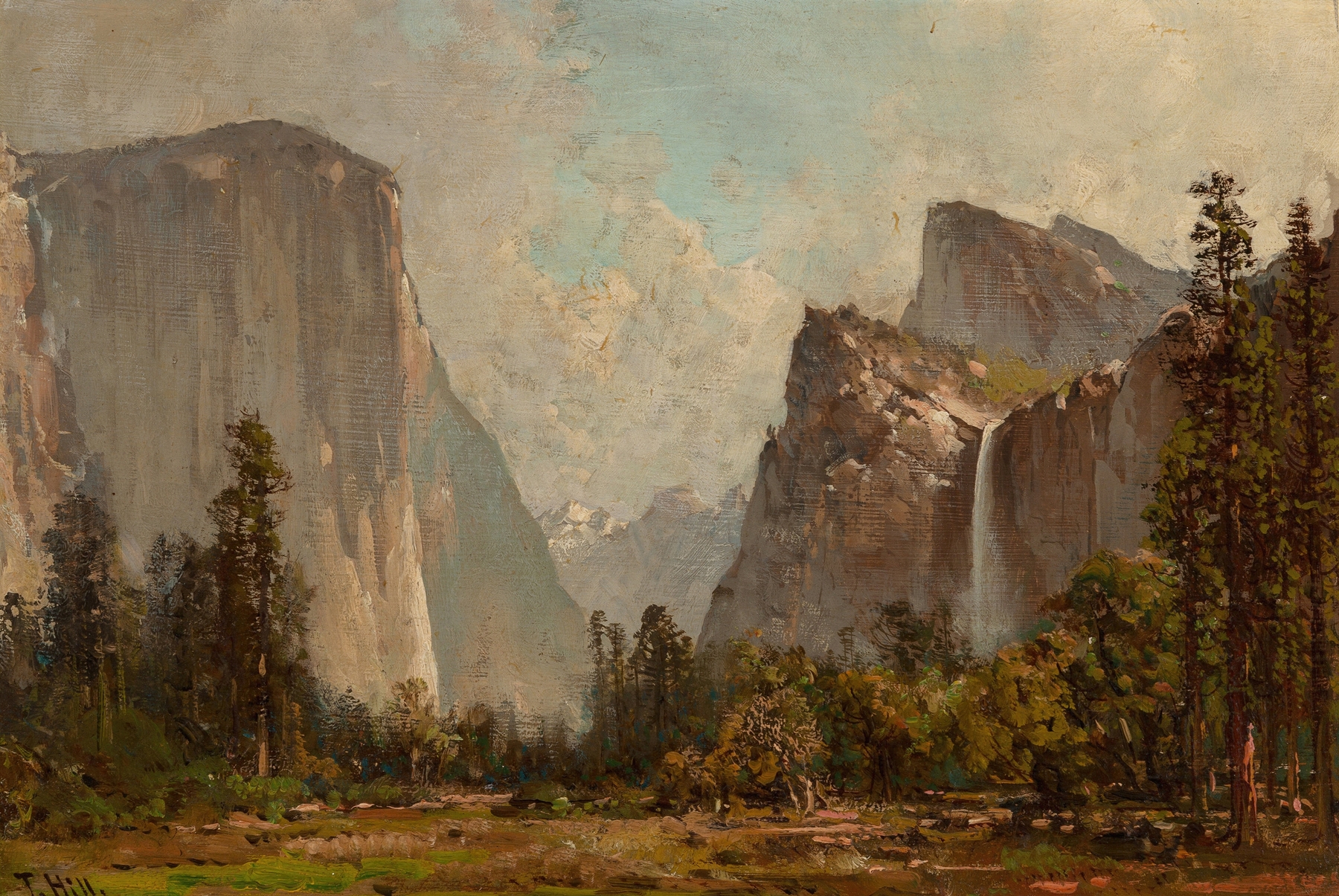
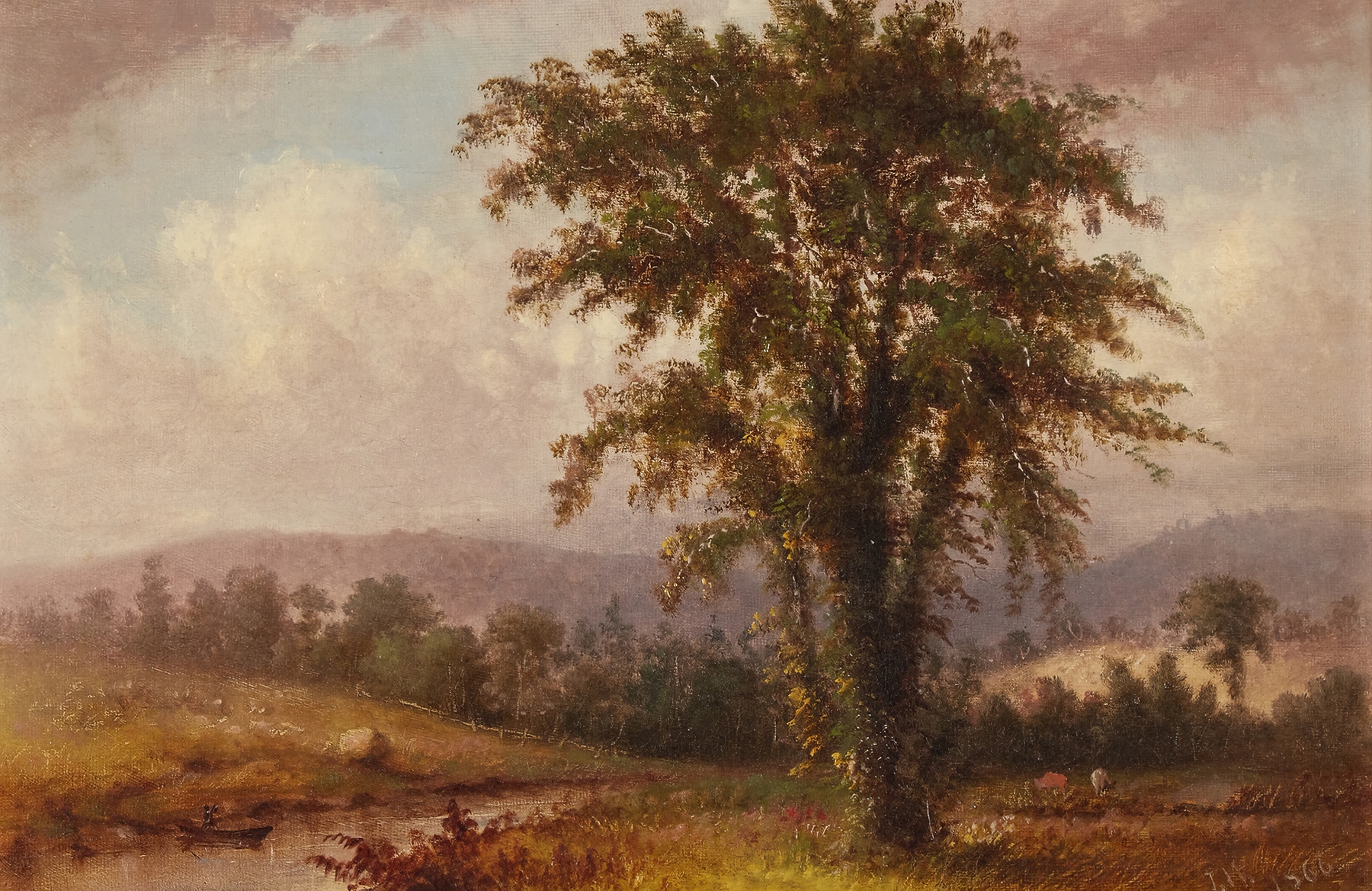
Can paint confess what words never could? In the quiet stir of dawn, the world awakens, revealing layers of beauty often overlooked. Look to the center of the canvas where the serene river flows, its surface a mirror reflecting the kaleidoscope of colors that define an early morning. Notice how the soft pastels of dawn play against the dynamic strokes of foliage and the gentle ripples of water, drawing the eye into the tranquil scene.
The masterful blending of greens and blues creates a sense of harmony, while the careful placement of the fisherman, poised in anticipation, becomes a focal point that evokes a timeless connection to nature. Yet beneath this idyllic surface lies a deeper tension—between the restless energy of the flowing water and the stillness of the moment captured. The act of fishing symbolizes patience, while the vibrant colors suggest an awakening to life. The interplay of light and shadow hints at the fleeting nature of such experiences, as if the artist is urging the viewer to seize the moments before they slip away.
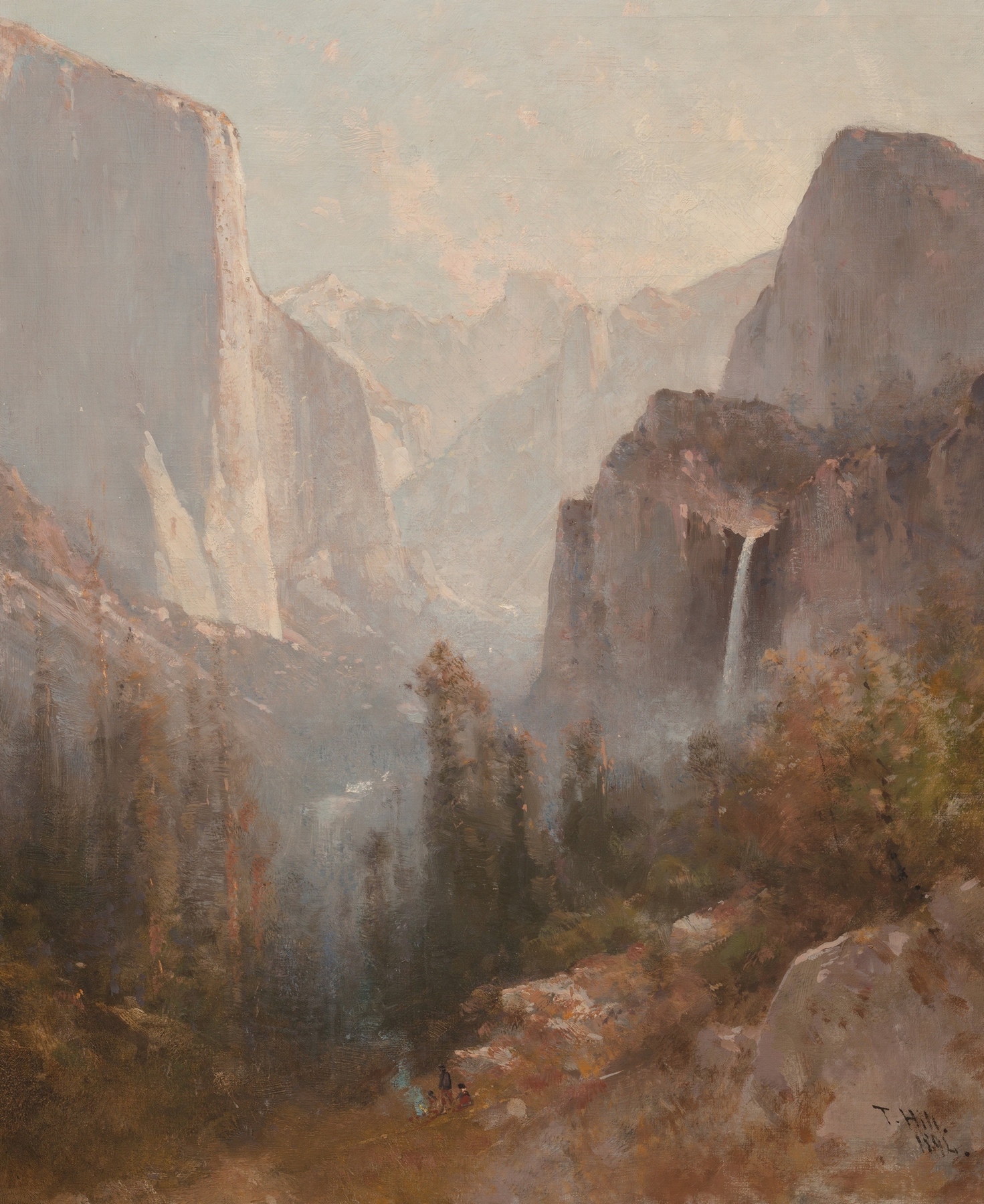
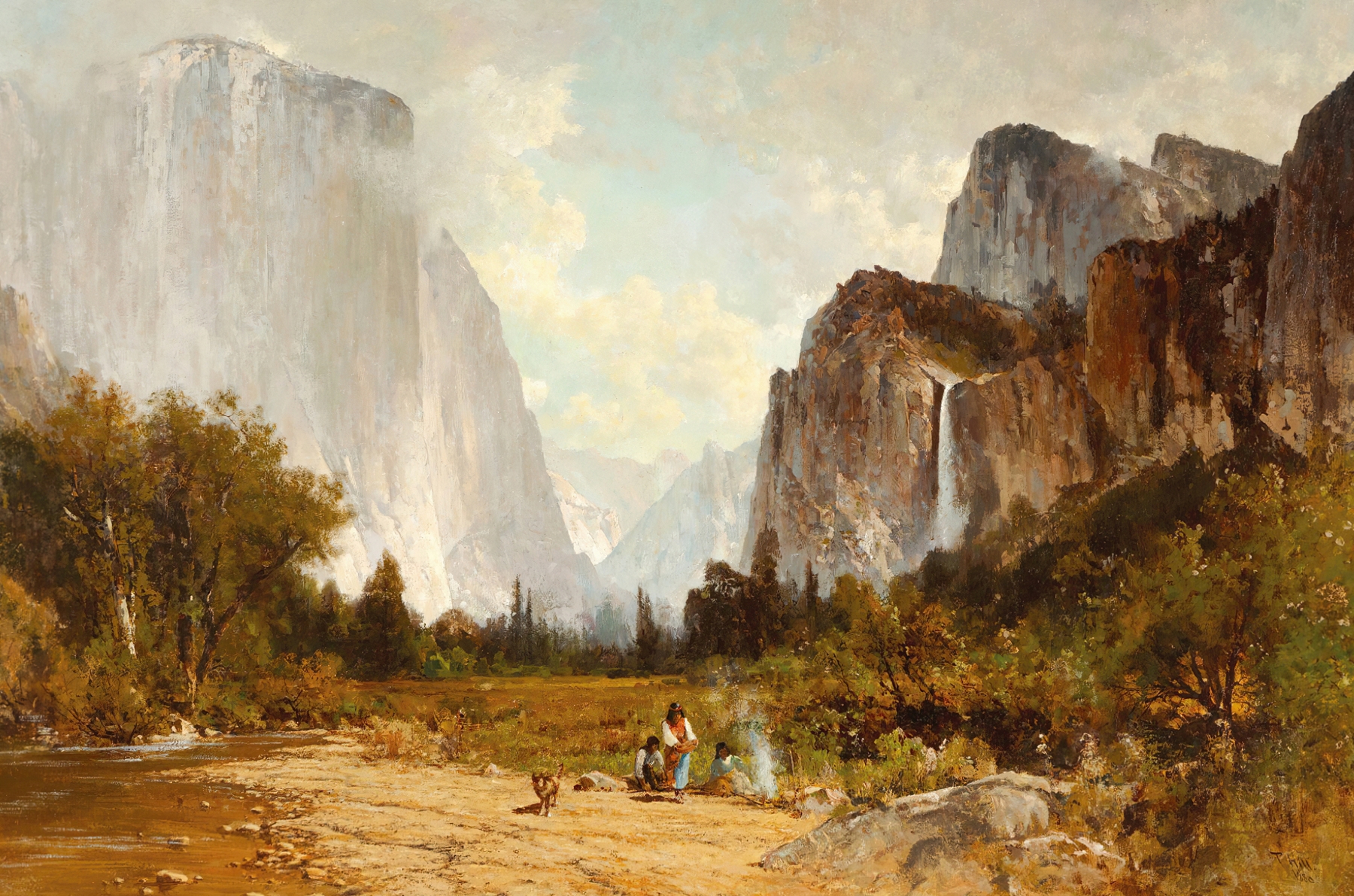
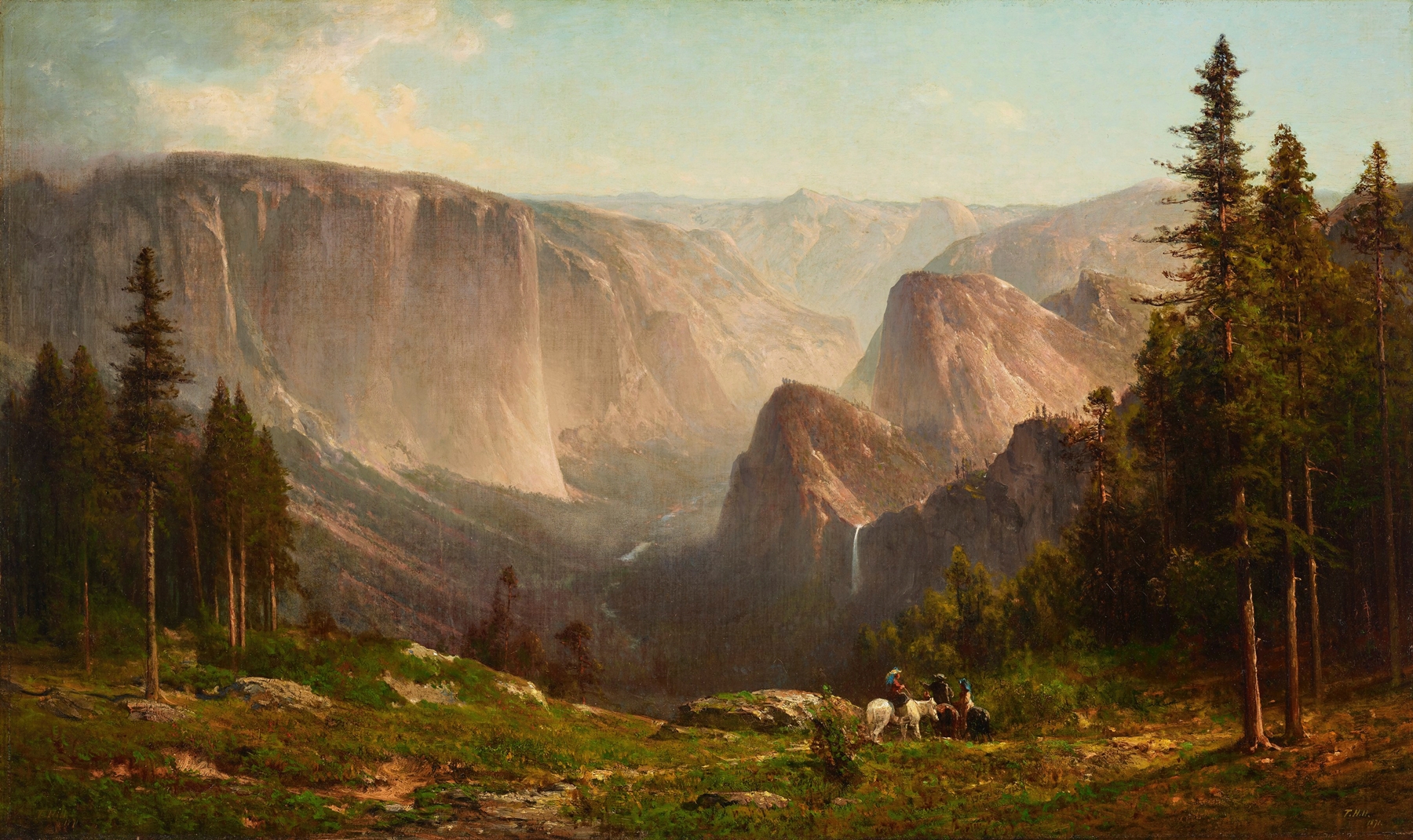
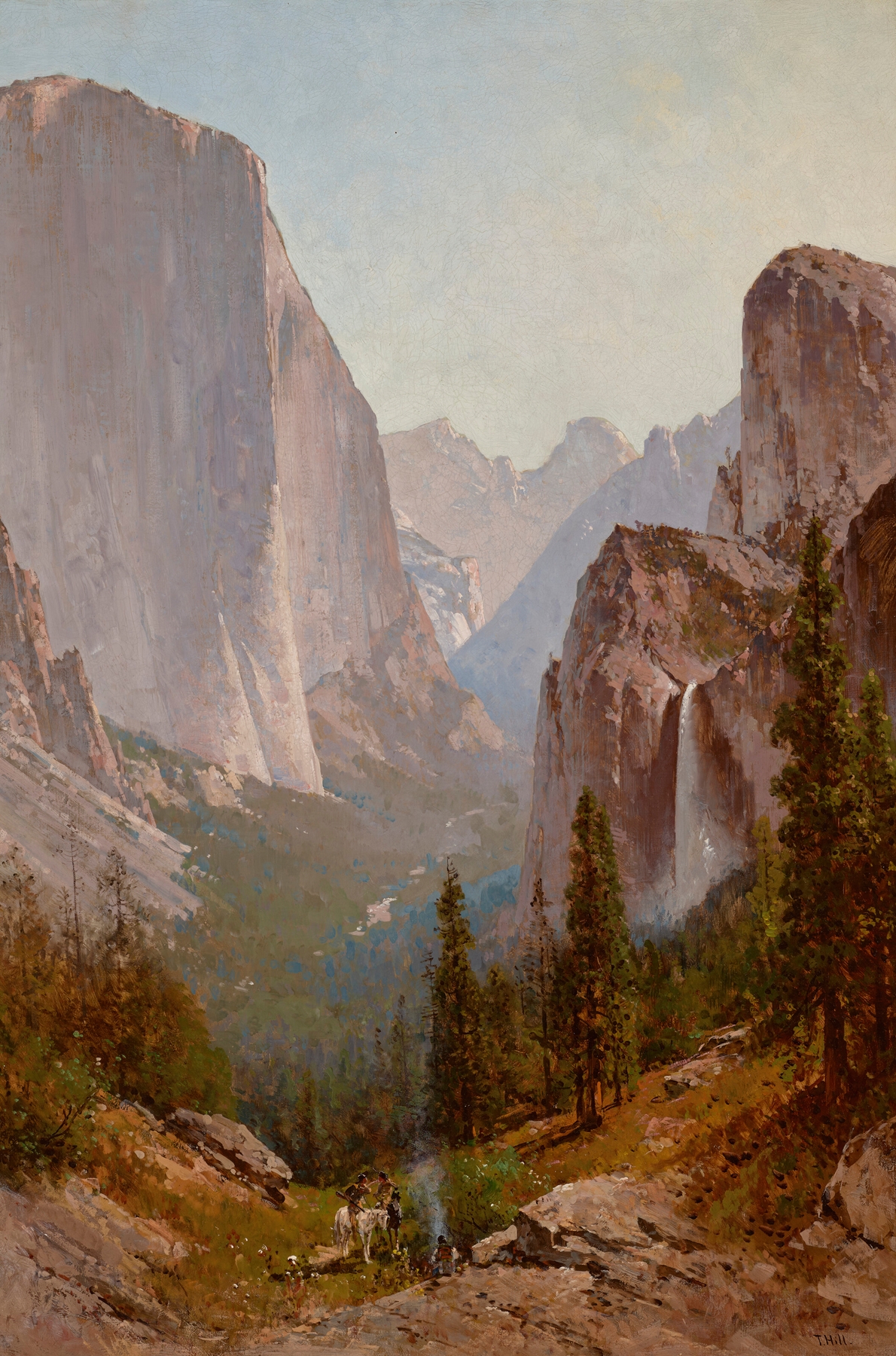
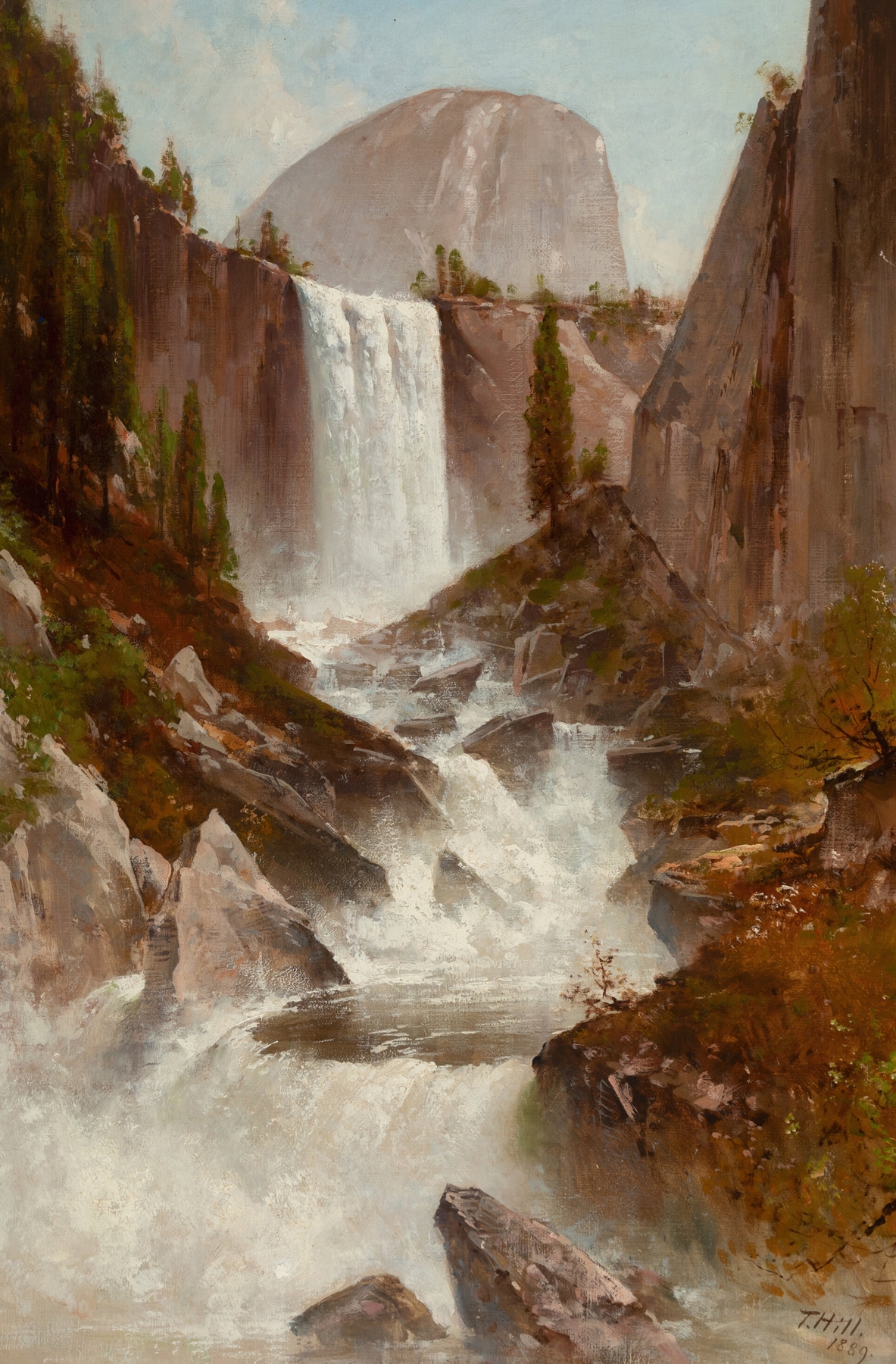
The fisherman’s focus and the surrounding beauty create a dialogue about presence, solitude, and the allure of the natural world. In 1891, Thomas Hill painted this work amidst a growing appreciation for plein air painting, capturing the essence of American landscapes. Living in California, he was deeply influenced by the natural splendor of the West, a contrast to the urbanization occurring across the nation. During this period, American art was beginning to shift towards celebrating the environment, reflecting a collective yearning for connection with nature in the face of modernity.