Un marché en Bretagne — History & Analysis
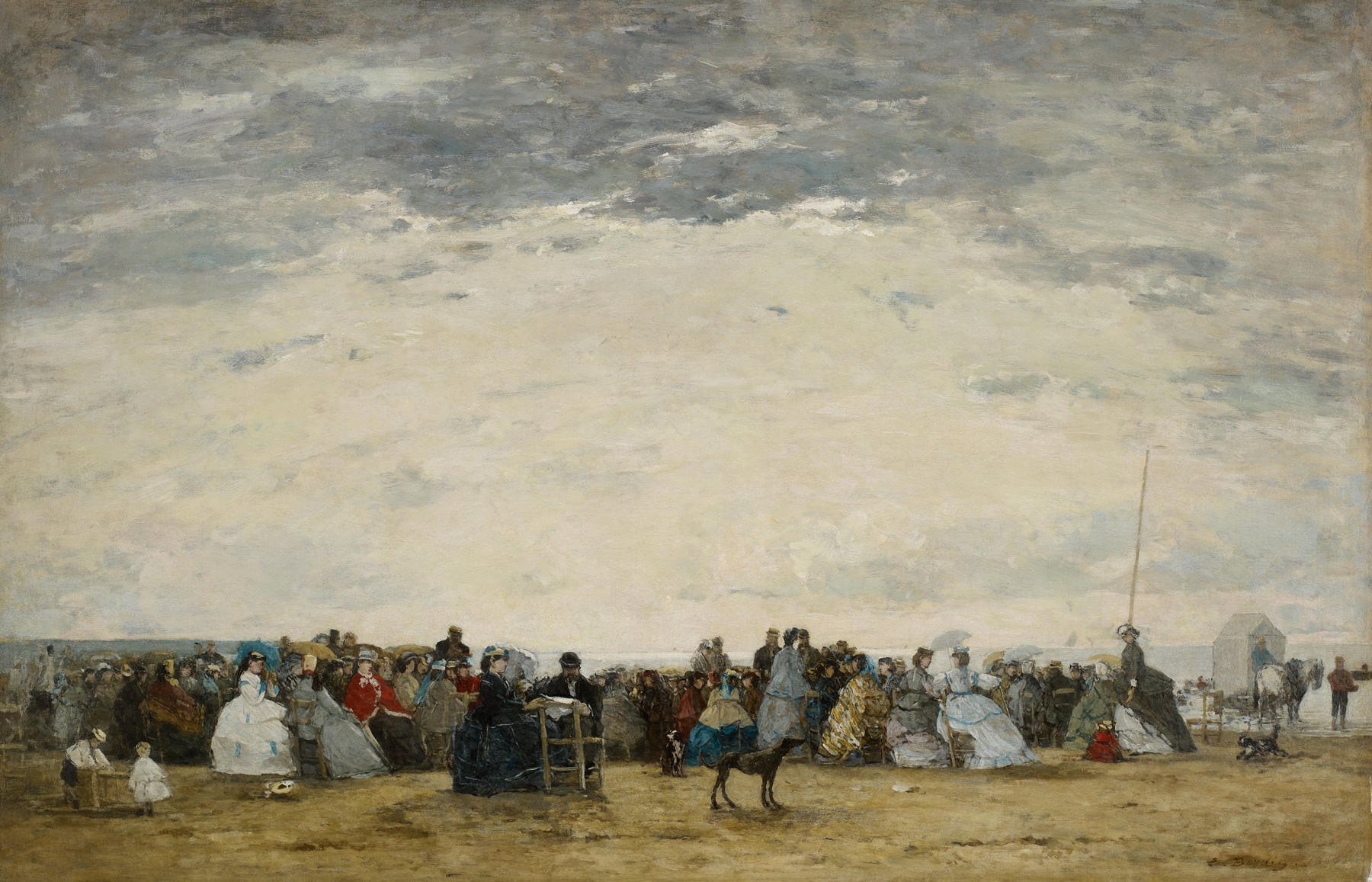
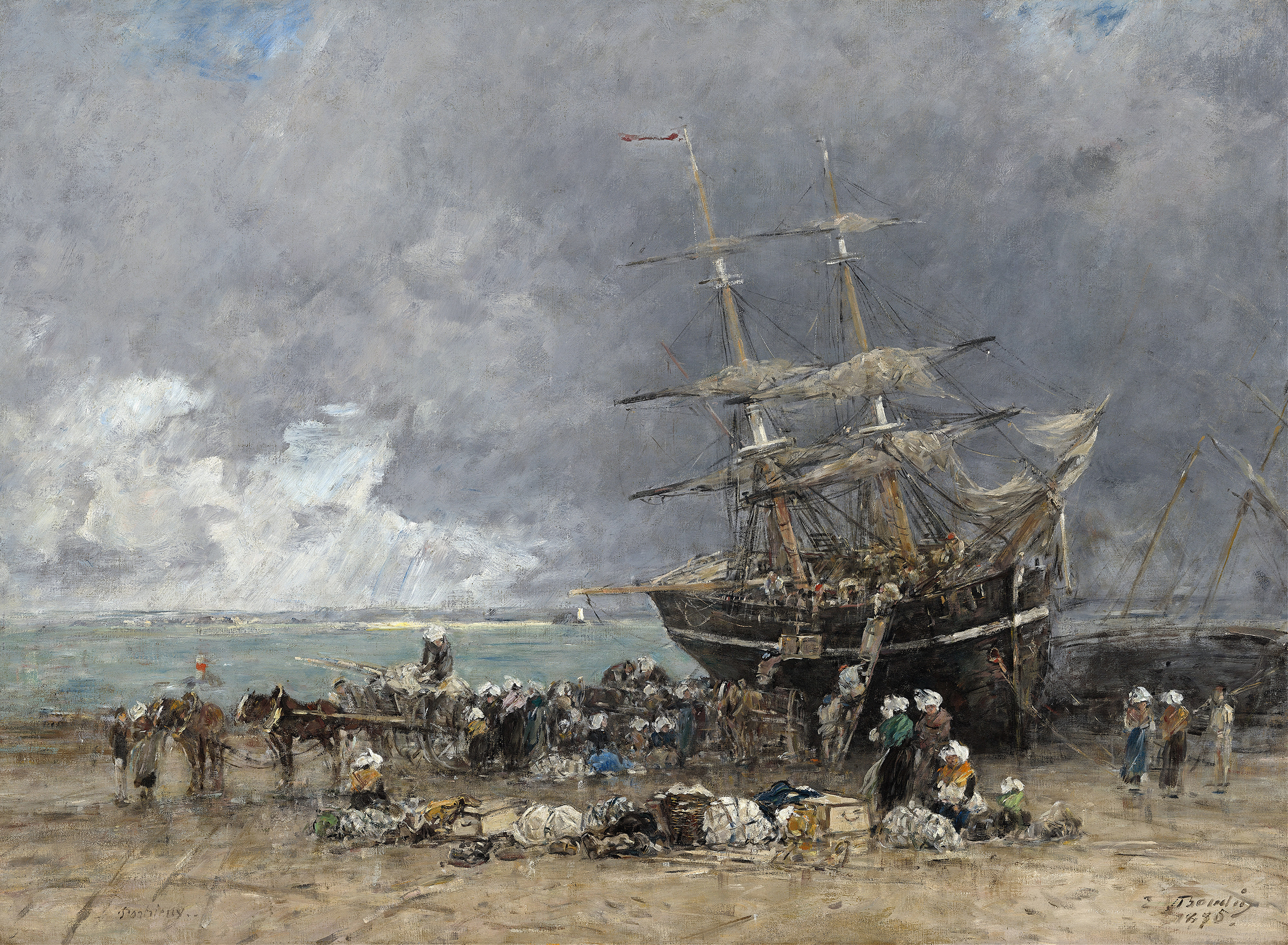
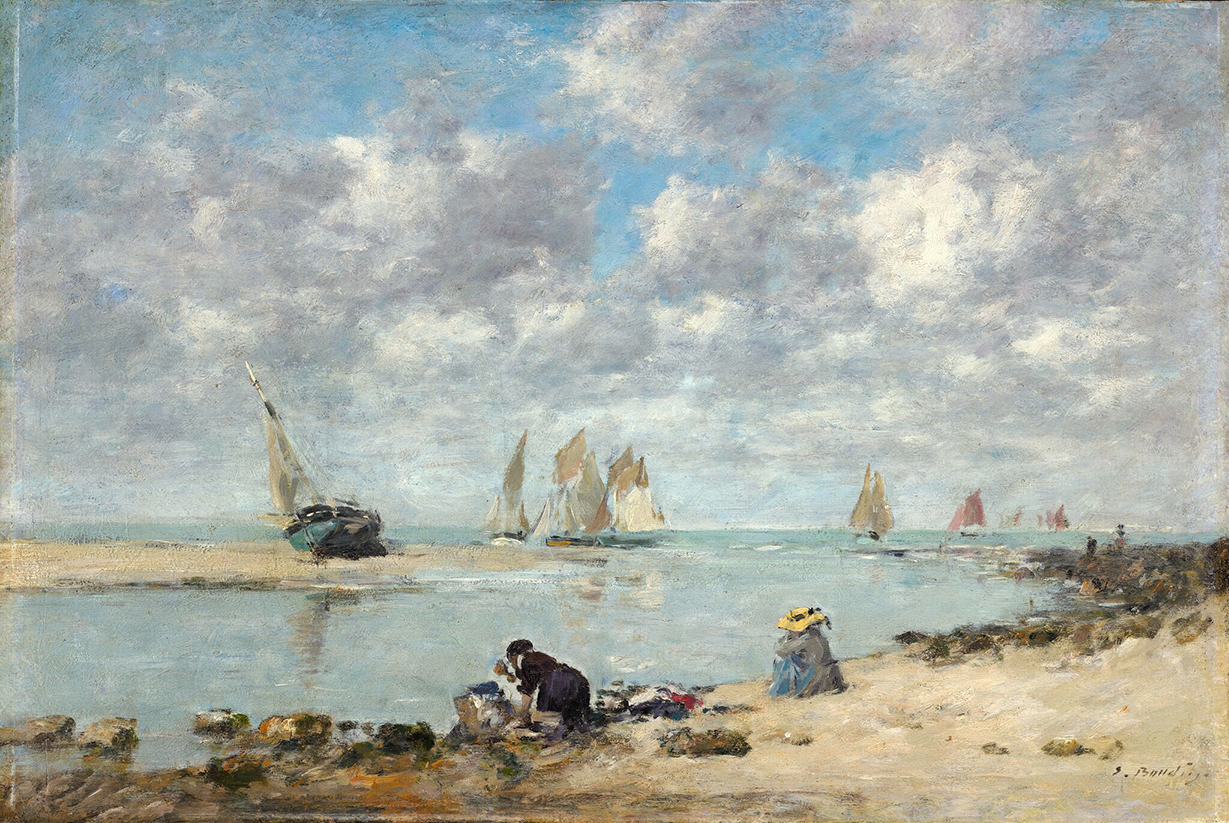
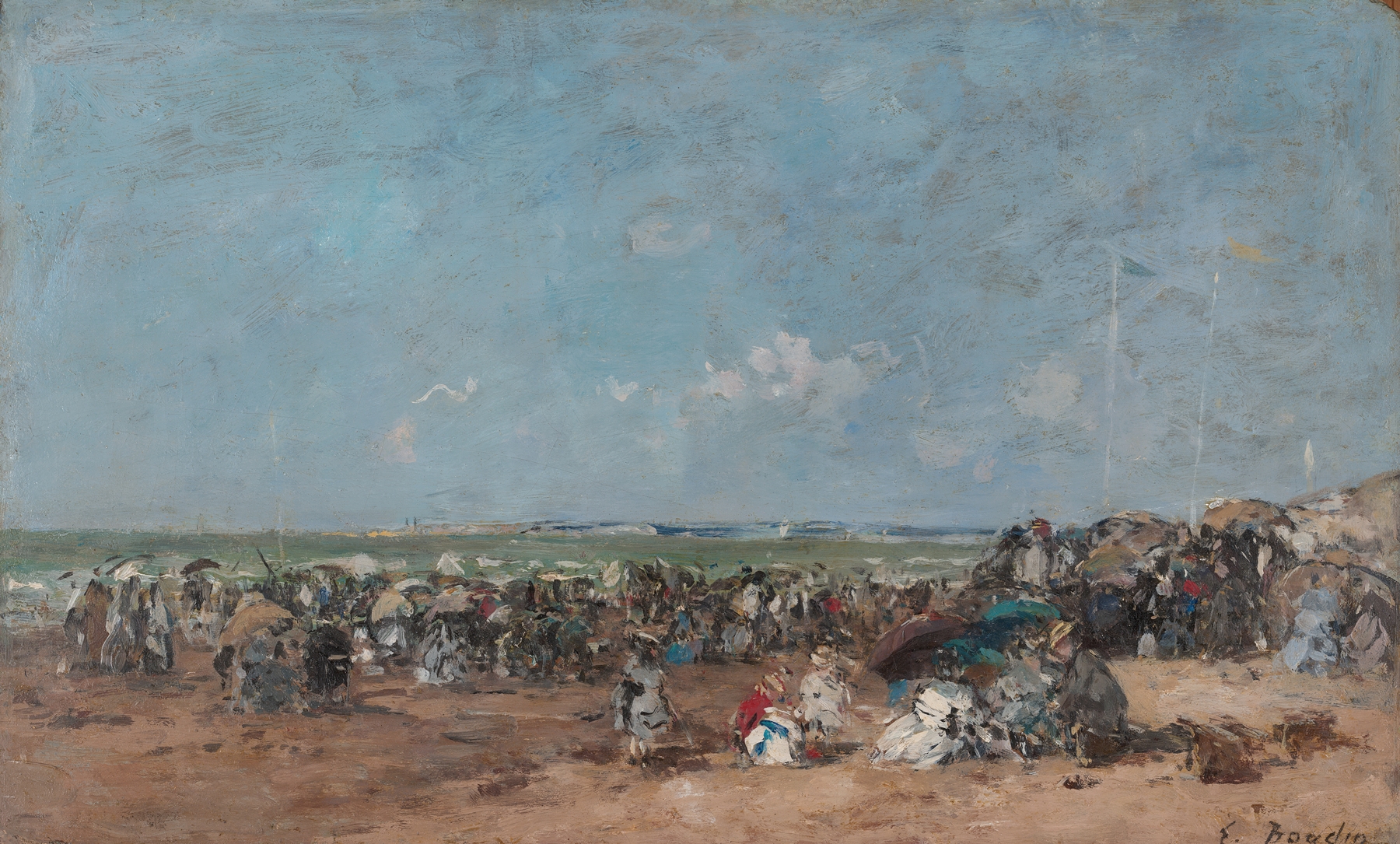
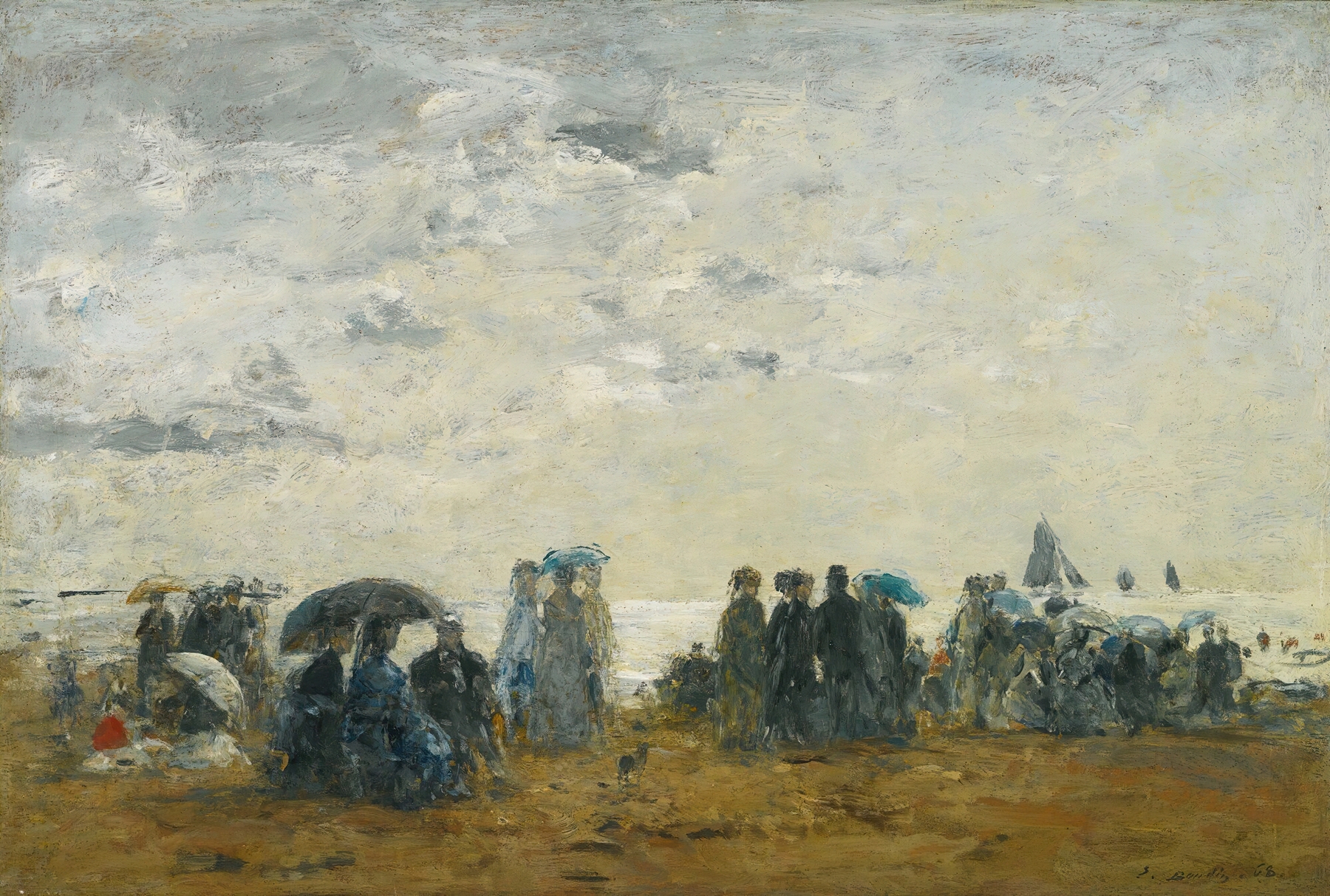
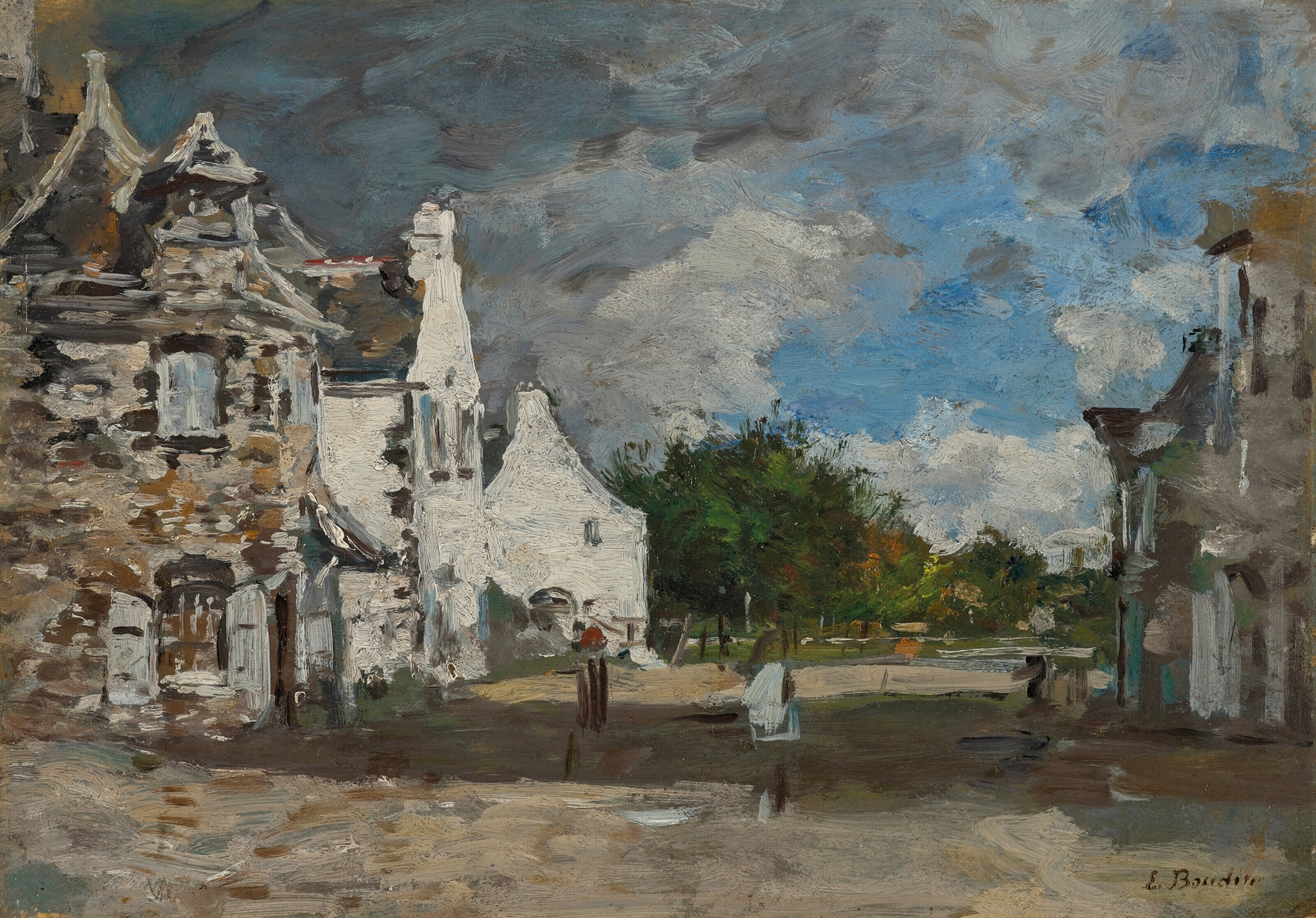
“Every silence here is a confession.” In the stillness of a market day, the unsaid weighs heavily upon the vibrant exchanges, hinting at untold stories lurking beneath the surface. Look to the left at the bustling figures, each adorned in garments that breathe the coastal spirit of Brittany. Notice how the brushstrokes capture the rhythm of life; quick dabs of color suggest movement while the muted tones evoke a sense of nostalgia. The sky, a tapestry of soft blues and grays, casts a delicate light that envelops the scene, illuminating the faces of the townsfolk as they engage in the quiet companionship of everyday transactions.
Within the lively market atmosphere, contrasts unfold—the joyous laughter of vendors stands in stark relief against the distant solemnity of the sea. Look closely at the stalls adorned with fresh produce; the vivid oranges and greens symbolize abundance and vitality, while the expressions of the onlookers convey a deeper, more introspective mood. This juxtaposition of color and emotion invites the viewer to reflect on the connections between community and the quiet solitude that life can bring.
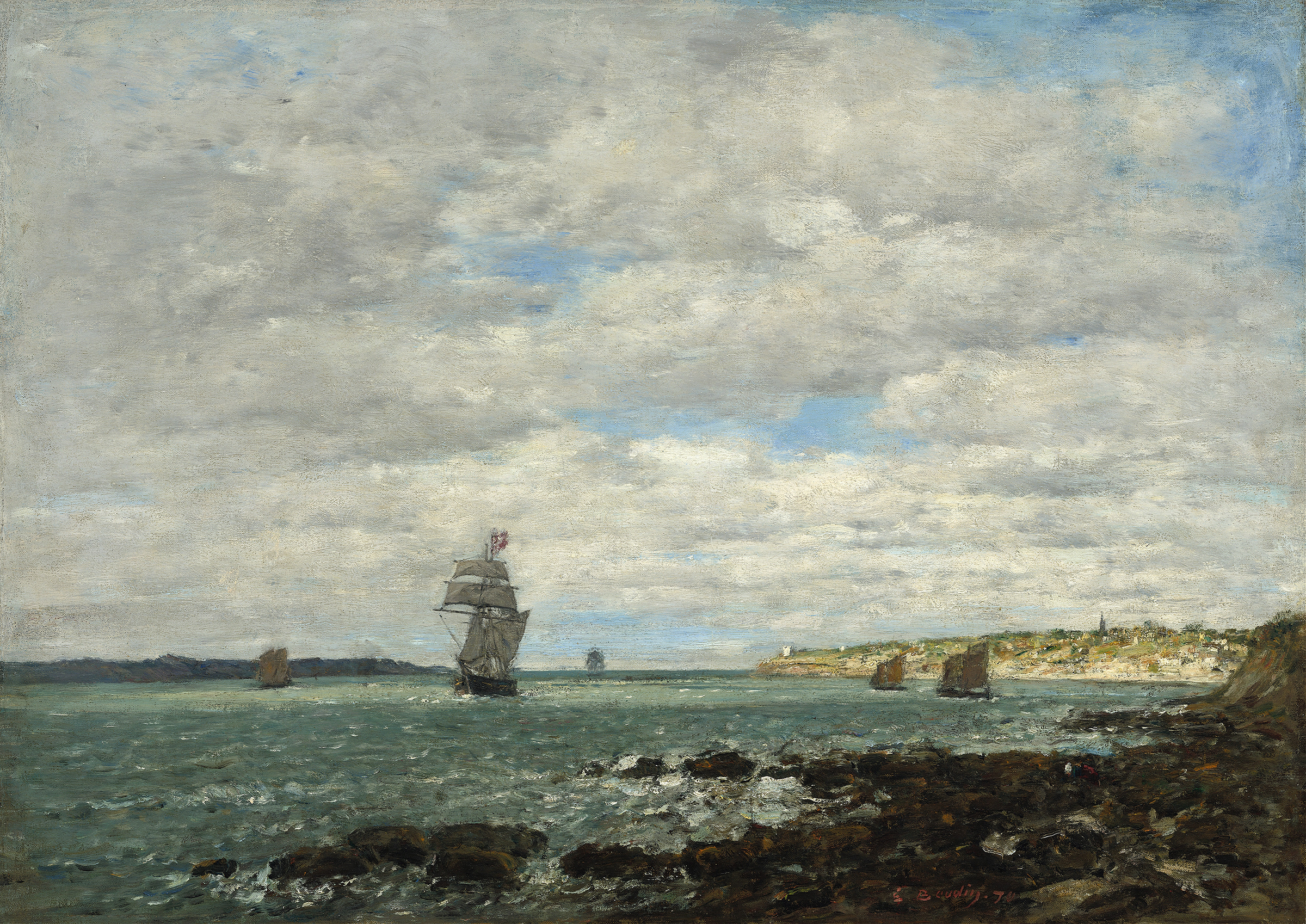
In 1870, Eugène Boudin painted this work while living in Honfleur, a coastal town that profoundly influenced his art. During this time, the Impressionist movement was gaining momentum, and Boudin’s keen observations of light and atmosphere were pivotal in shaping this evolving style. The world of art was embracing new ideas about perception, which found resonance in his depictions of outdoor scenes infused with the subtleties of daily life.