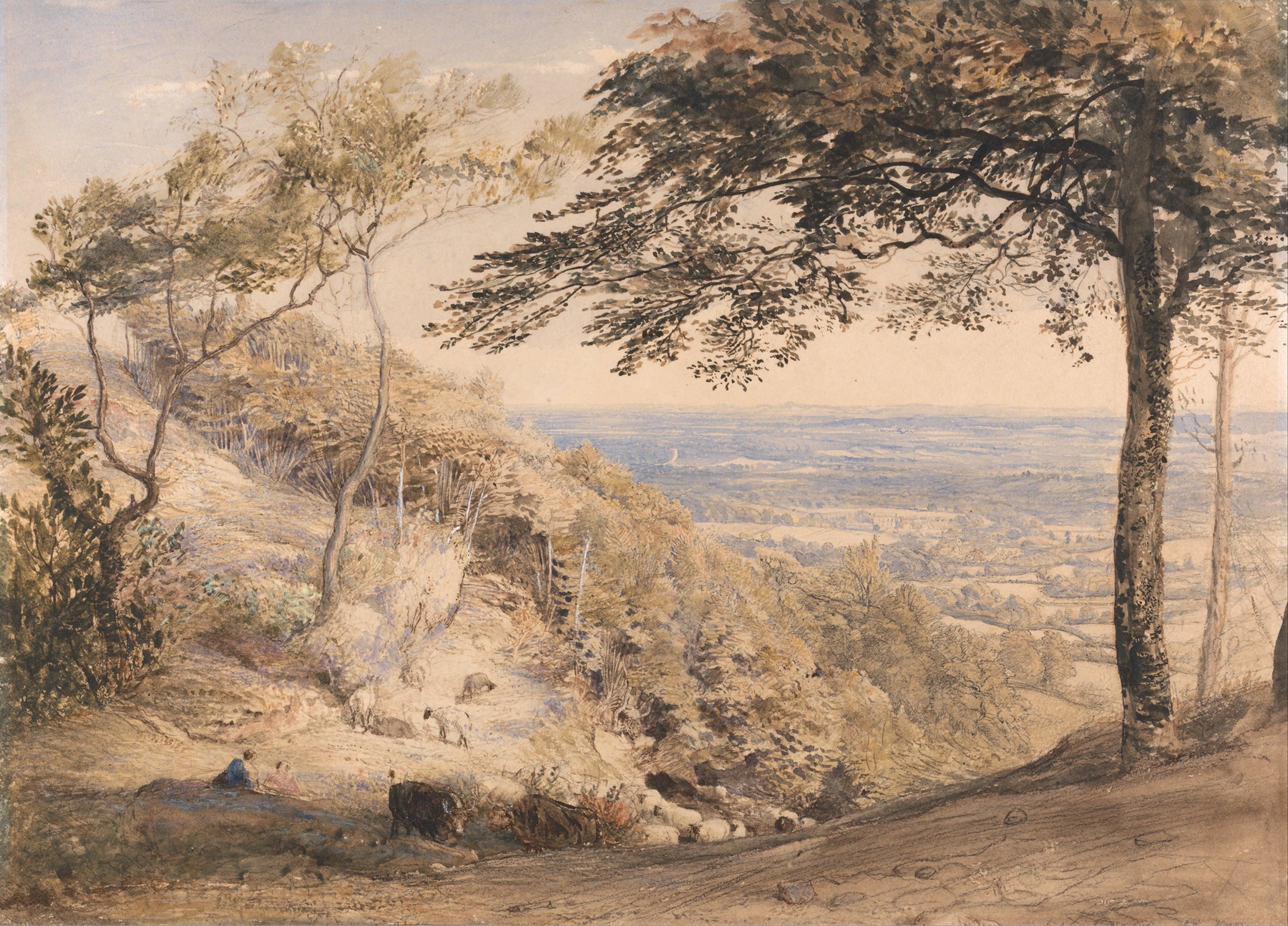
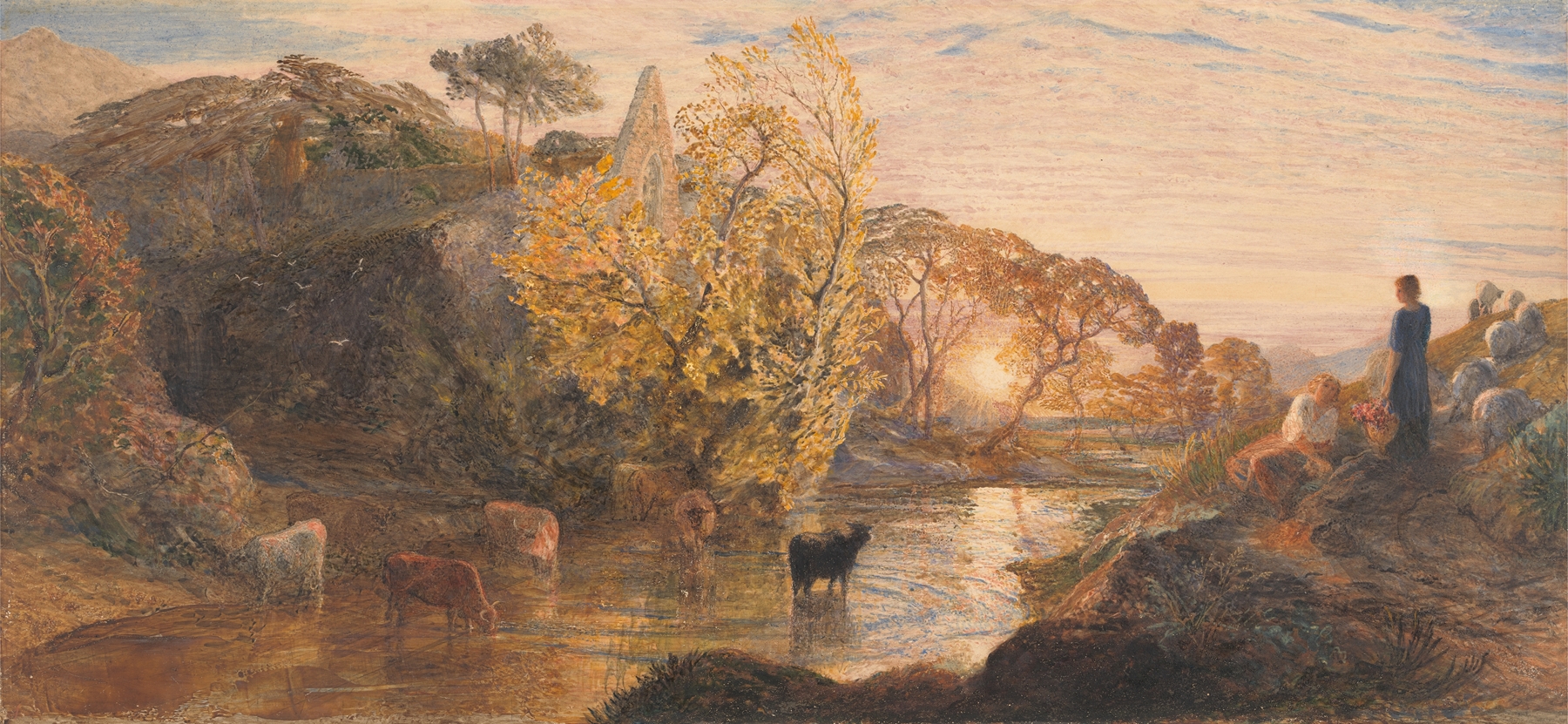
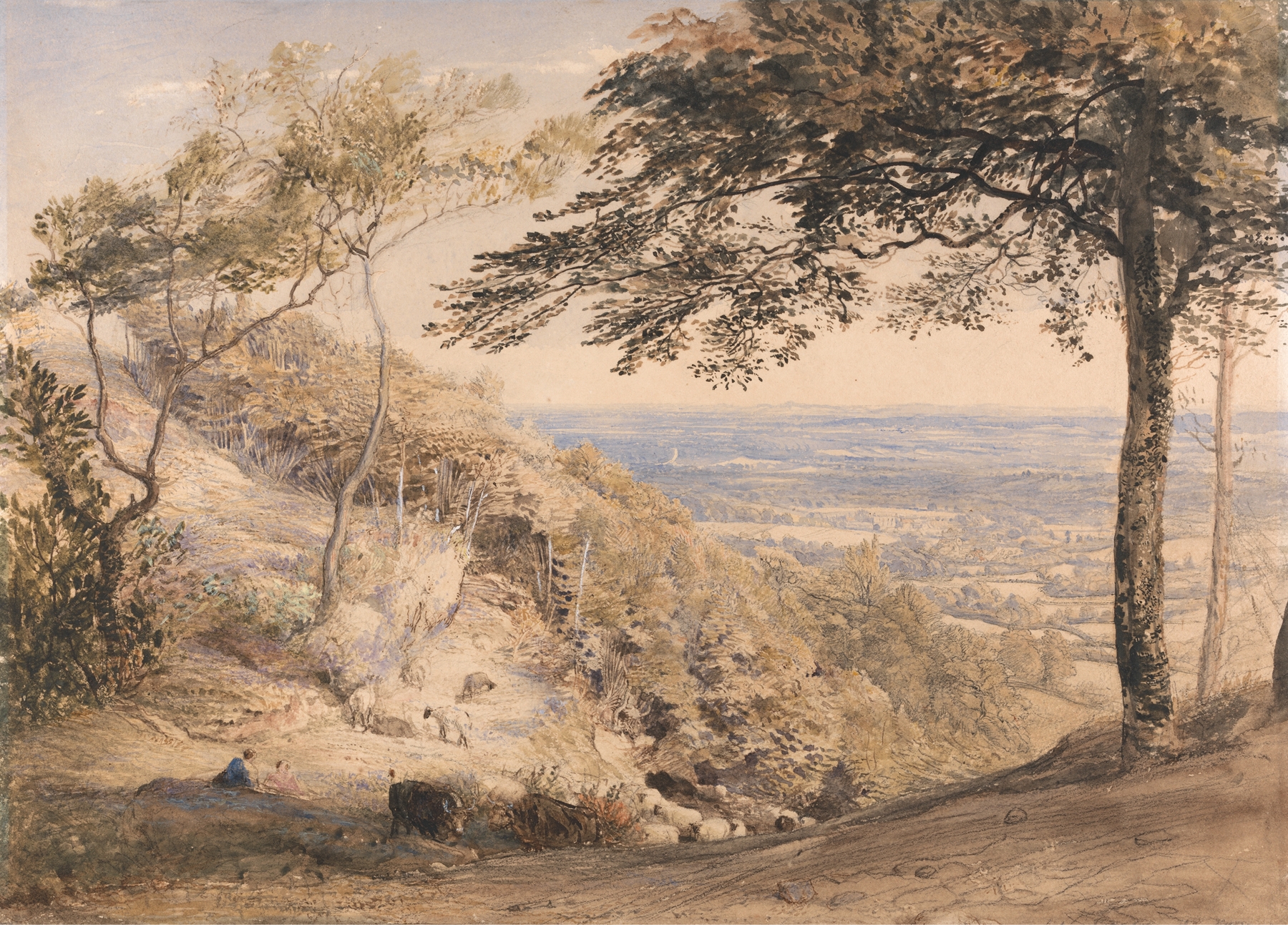
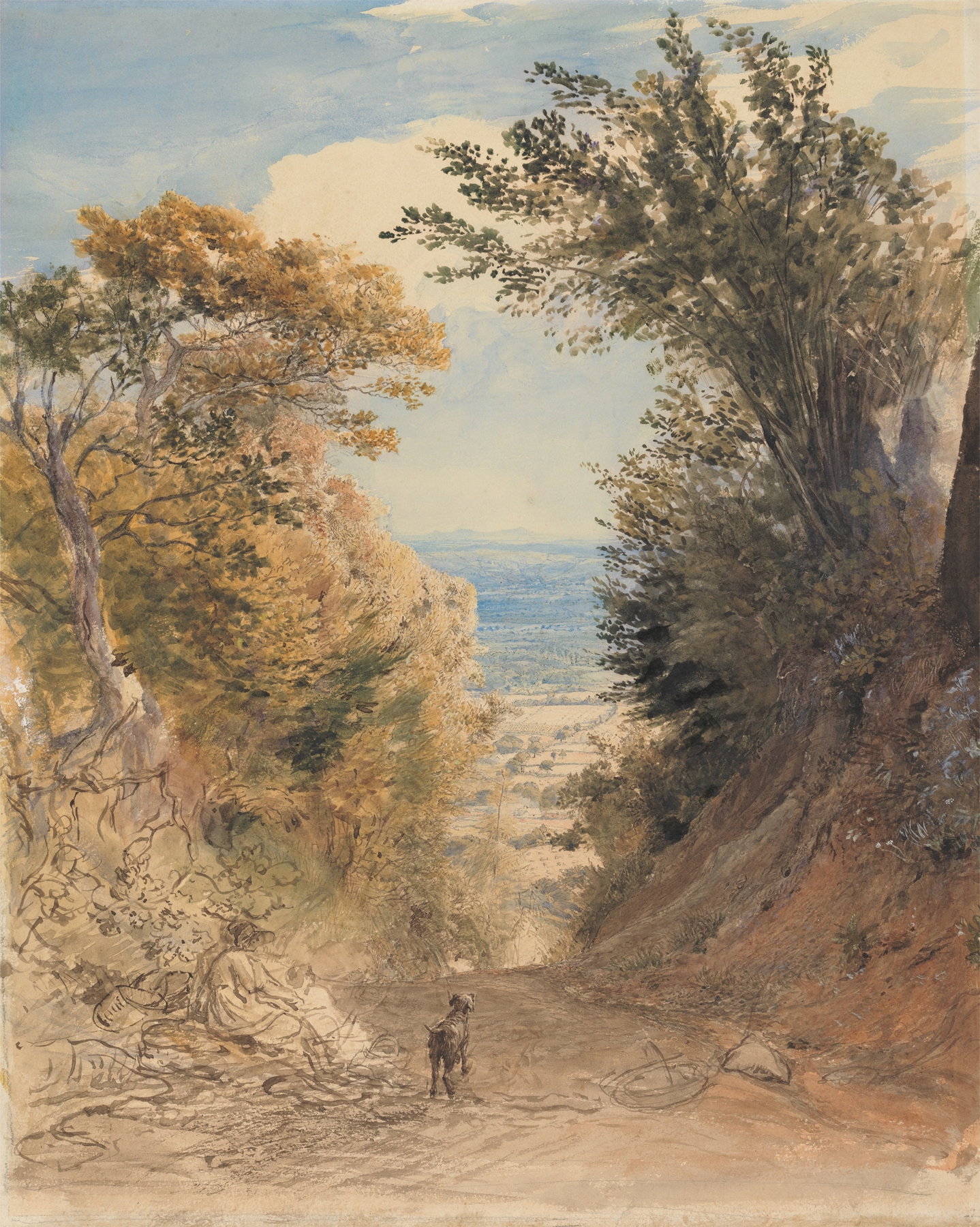
Underriver Hills, near Sevenoaks, Kent, from the Grounds of J. Herries, Esq. — History & Analysis
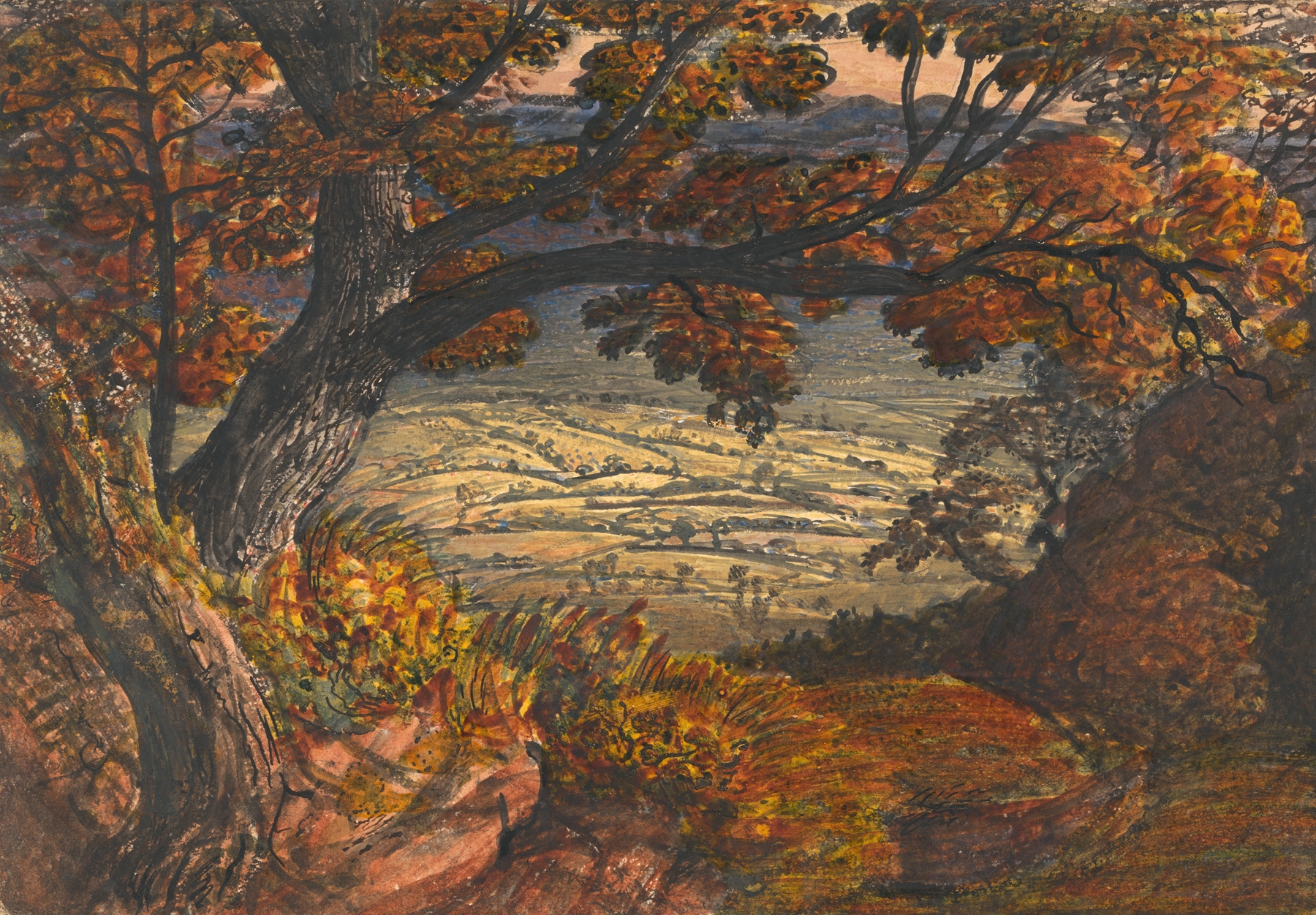
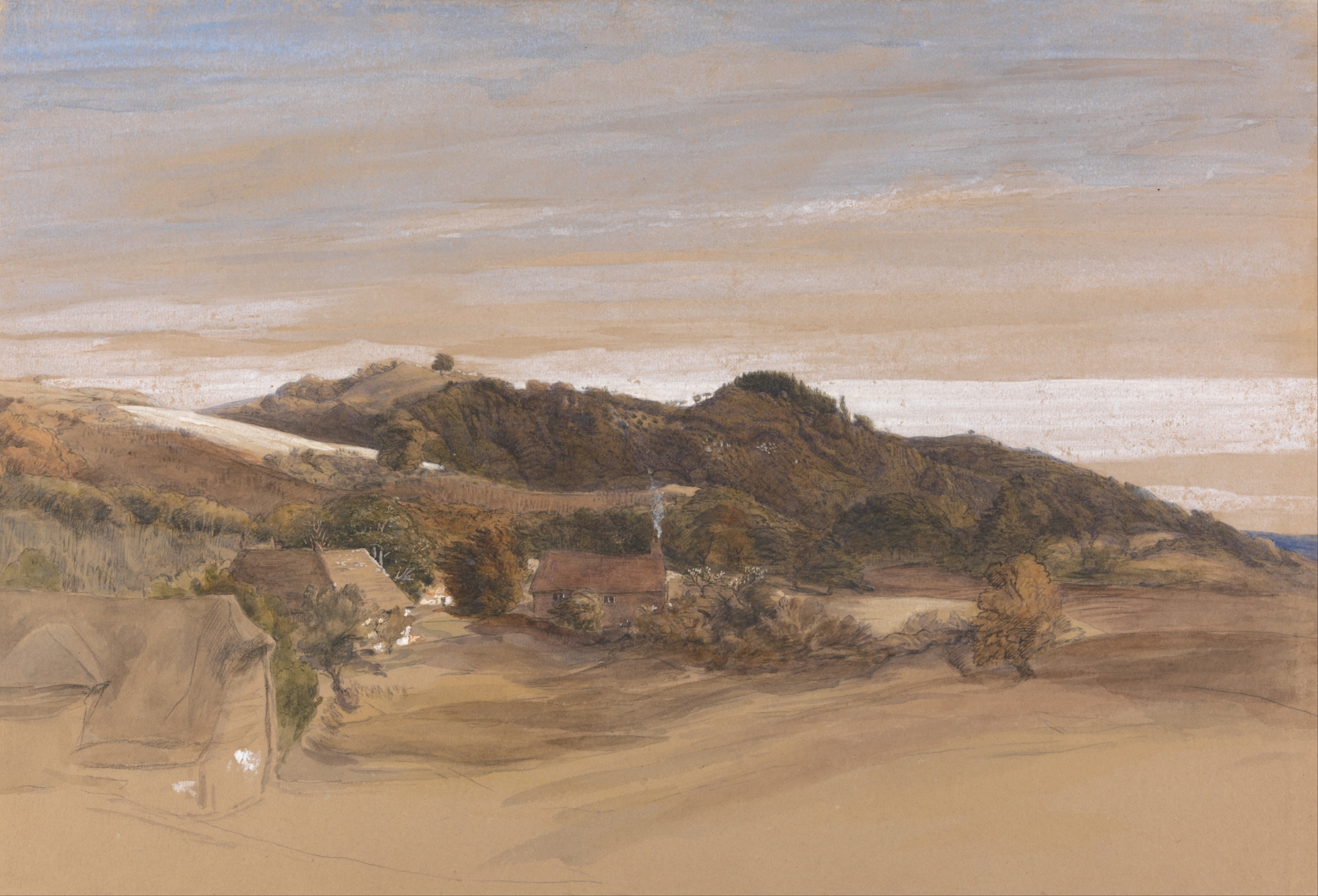
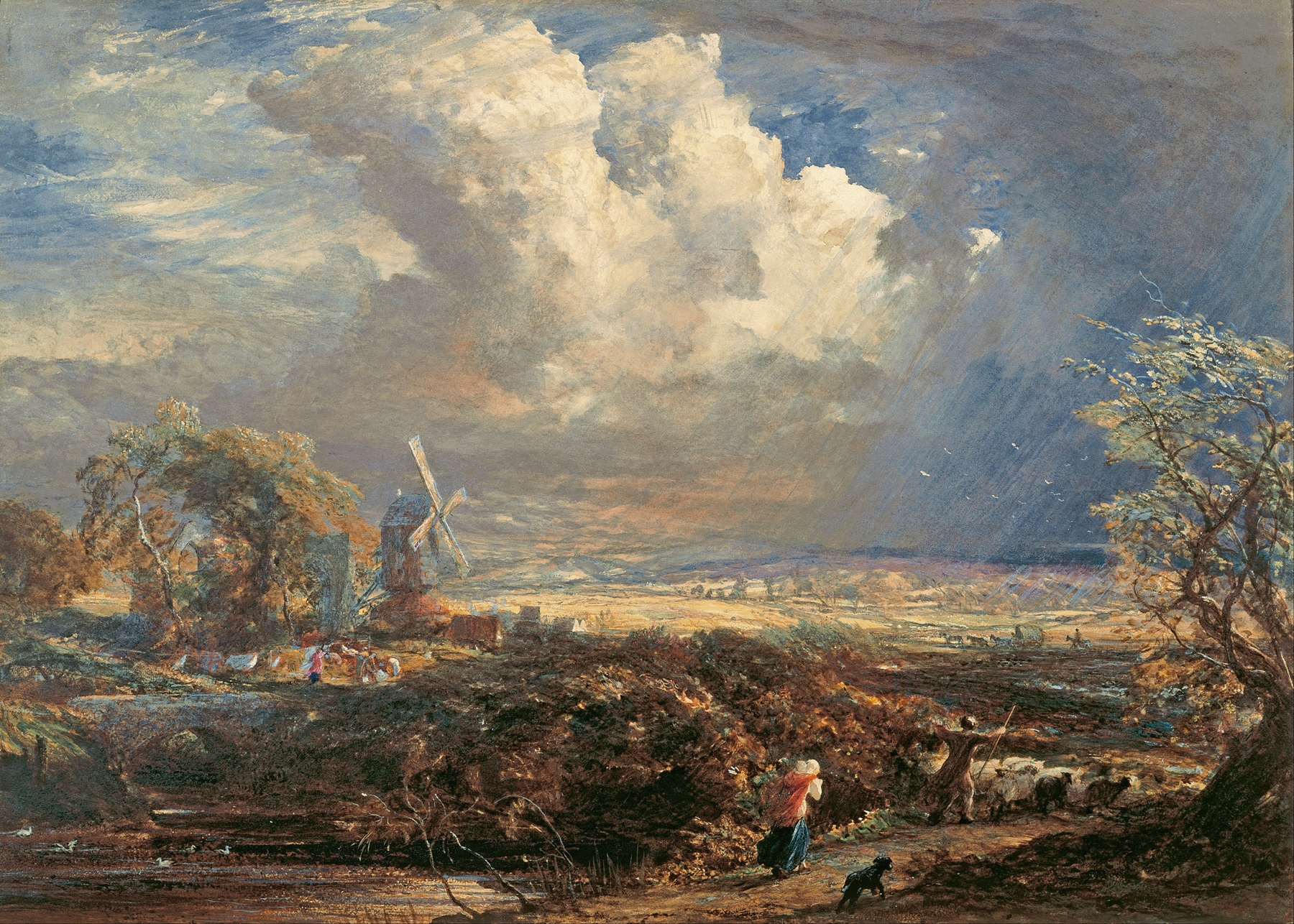
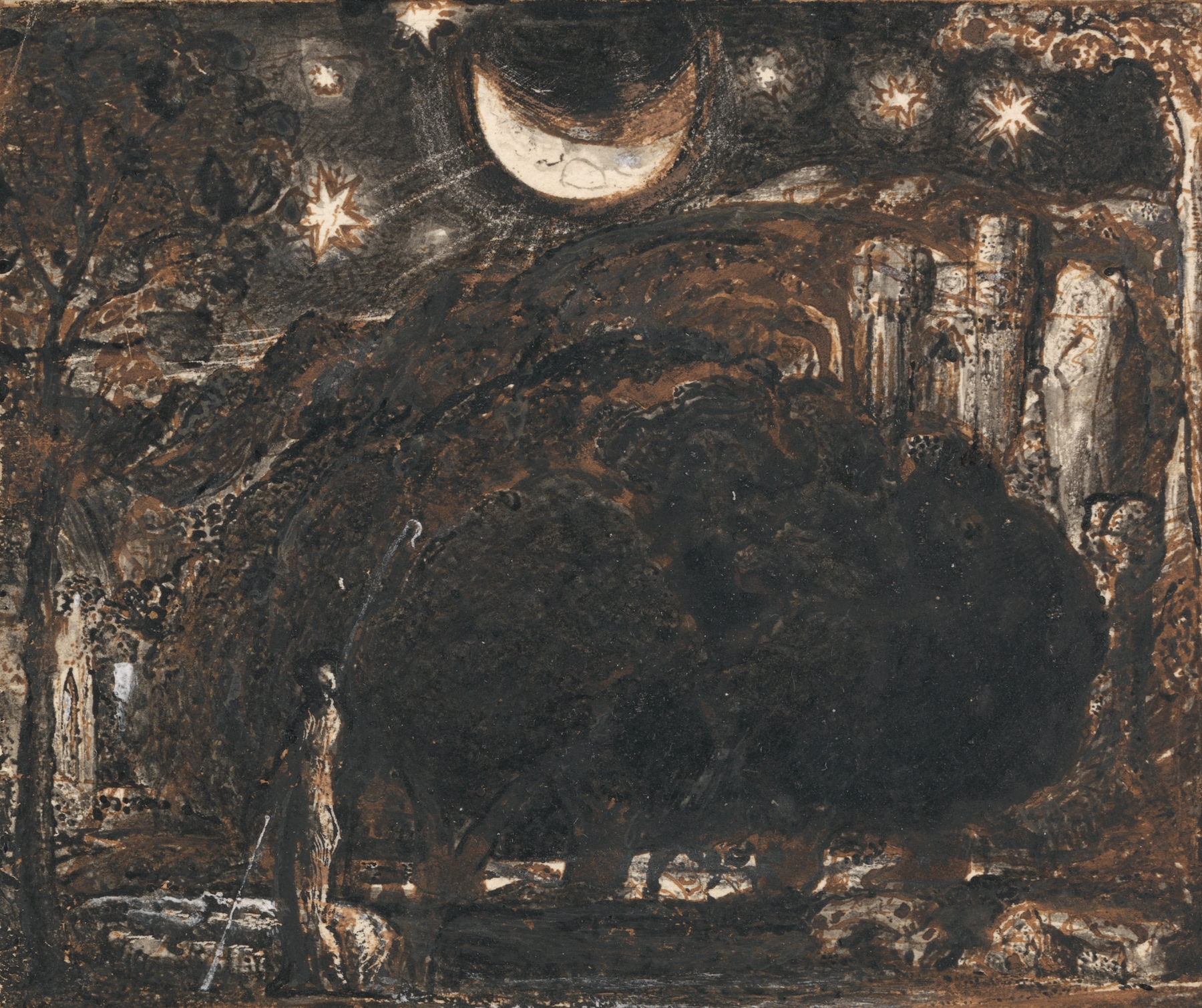
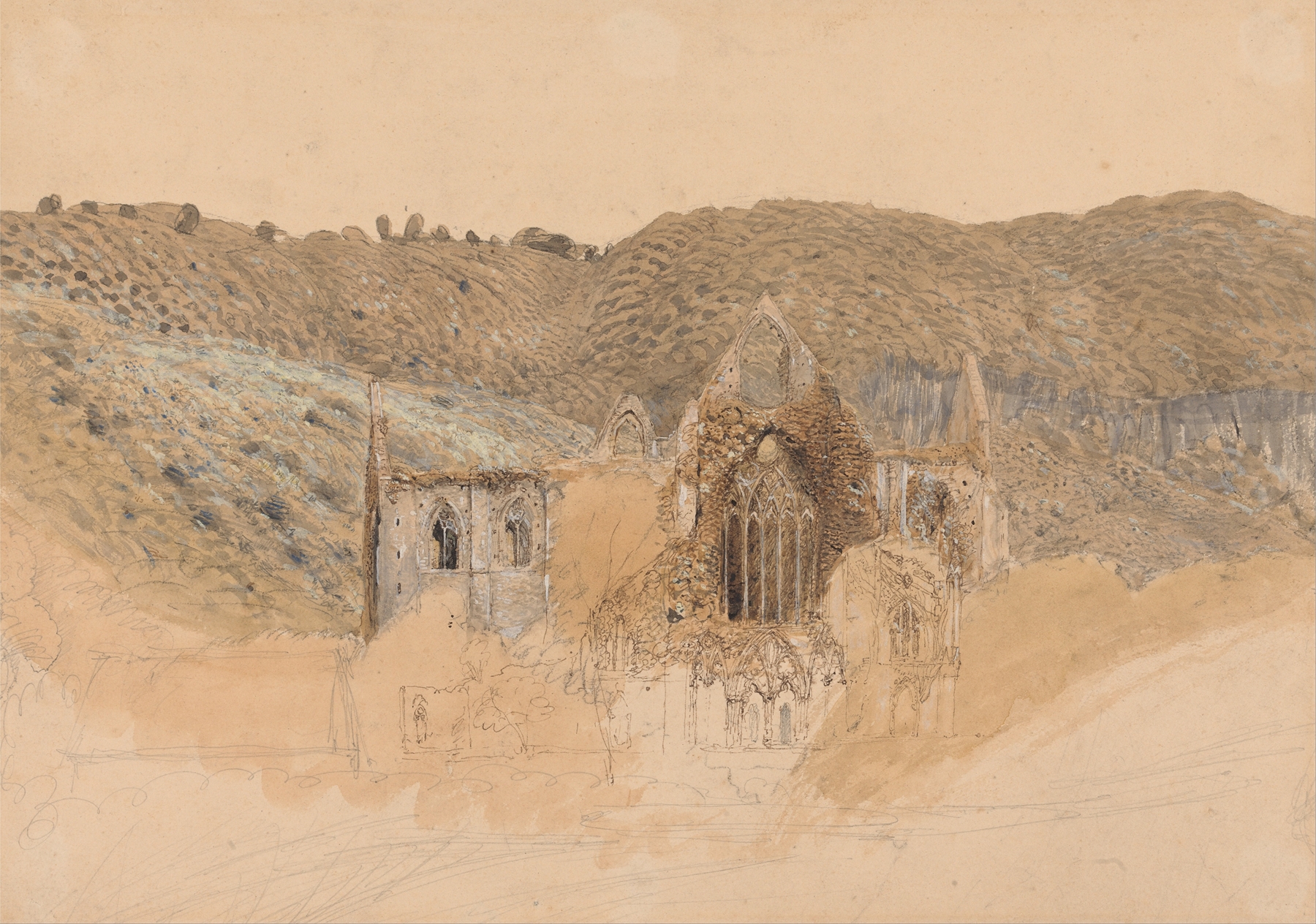
Can paint confess what words never could? In Underriver Hills, the brush captures not only the scenery but the delicate whispers of time—where nature's decay intertwines with the hope of renewal. Look to the left where verdant hills rise majestically, cloaked in a dreamlike haze. The palette is dominated by lush greens, muted by a soft, golden light that bathes the landscape, hinting at the approaching dusk.
Notice how the winding path, leading the eye deeper into the painting, invites wanderers yet also suggests a retreat from the vibrant world, capturing the duality of life and decay. Each stroke seems to breathe, revealing an ethereal quality that blurs the boundaries between earthly beauty and the inevitable passage of time. As you explore further, you may spot the carefully arranged trees—some standing tall, others slumped and weary. This juxtaposition of life and decline speaks volumes about the cycle of existence.
The scattered patches of light filtering through the foliage create a dance of shadows, accentuating the tension between vibrancy and decay, inviting introspection on nature’s enduring yet fragile harmony. In 1840, Samuel Palmer painted this work during a period of personal introspection and artistic exploration in Kent. The Romantic movement was in full swing, and Palmer was deeply influenced by his surroundings as he sought to capture emotion through landscape. This artwork reflects his commitment to the poetic resonance of nature, encapsulating both the beauty and melancholy that accompanied his artistic journey during a time of significant change in the art world.