Venice, Colourful Prints — History & Analysis
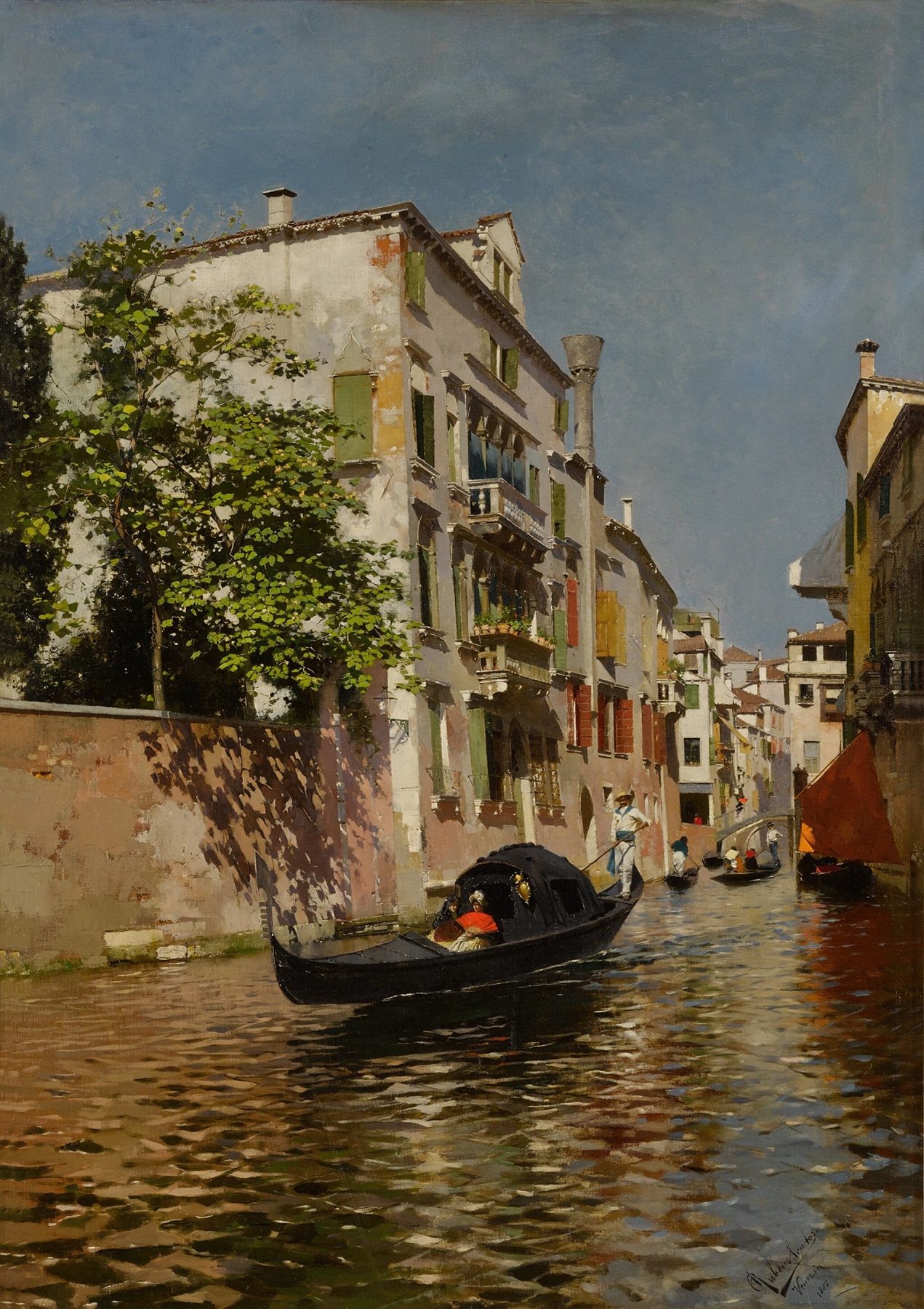
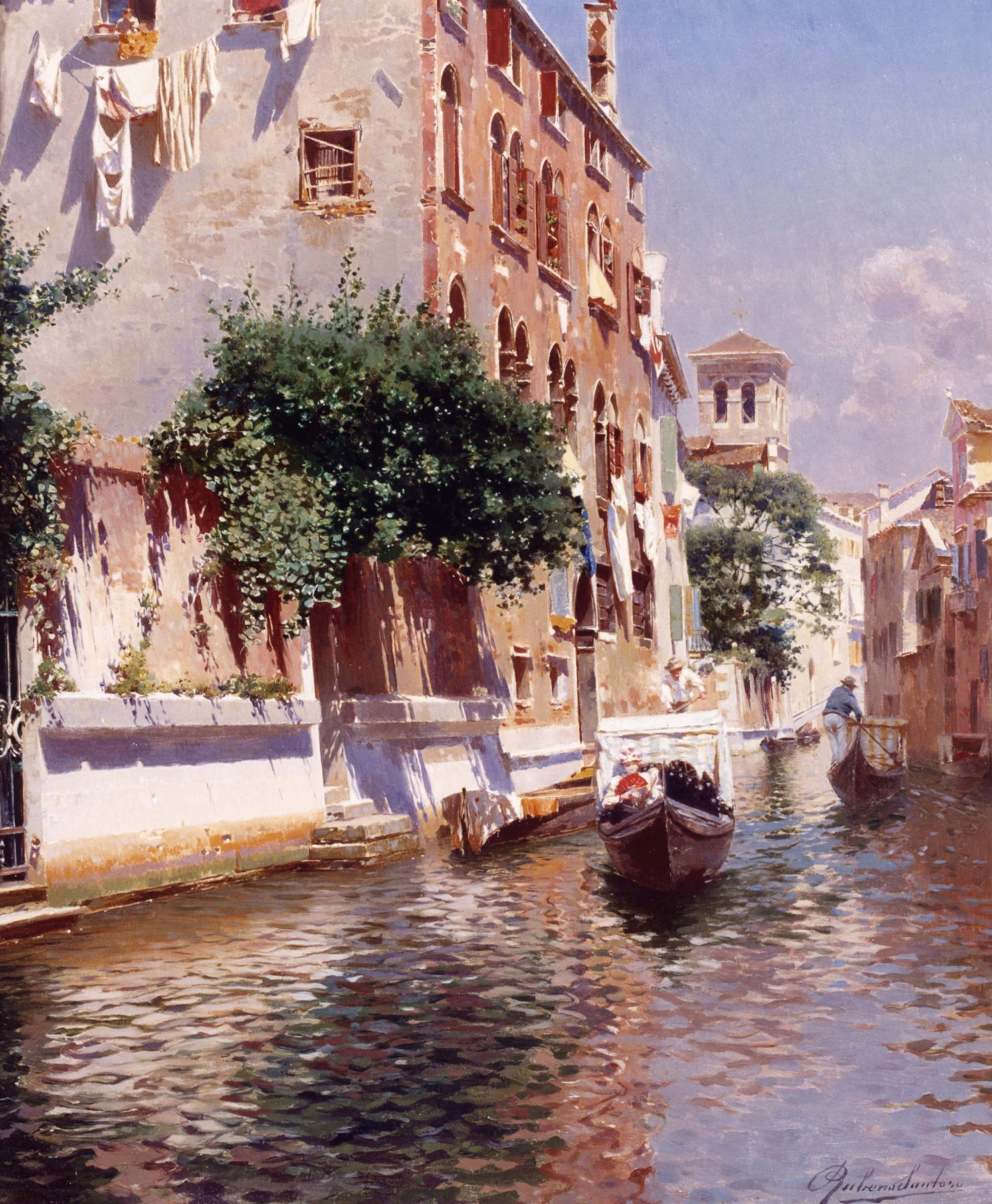
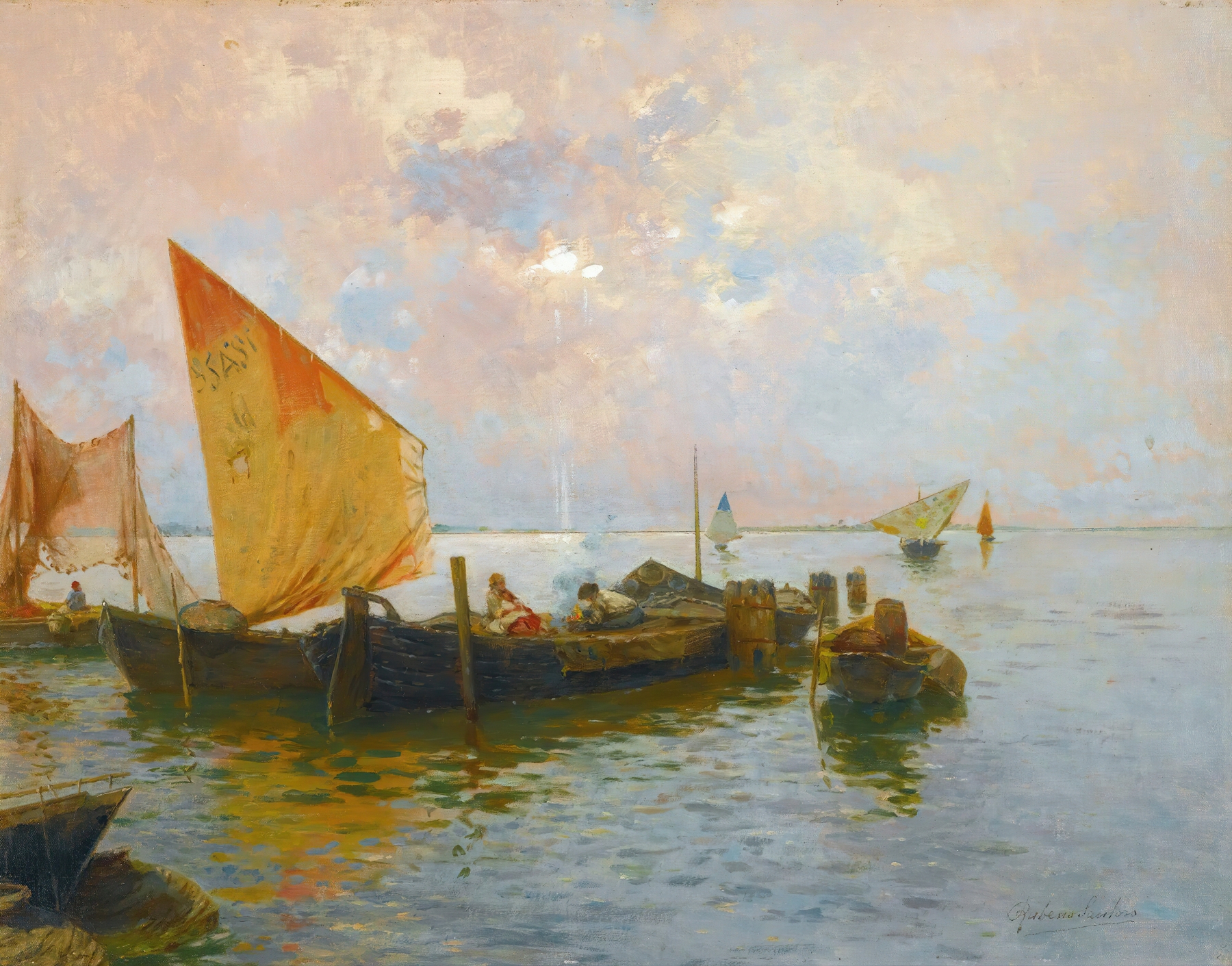
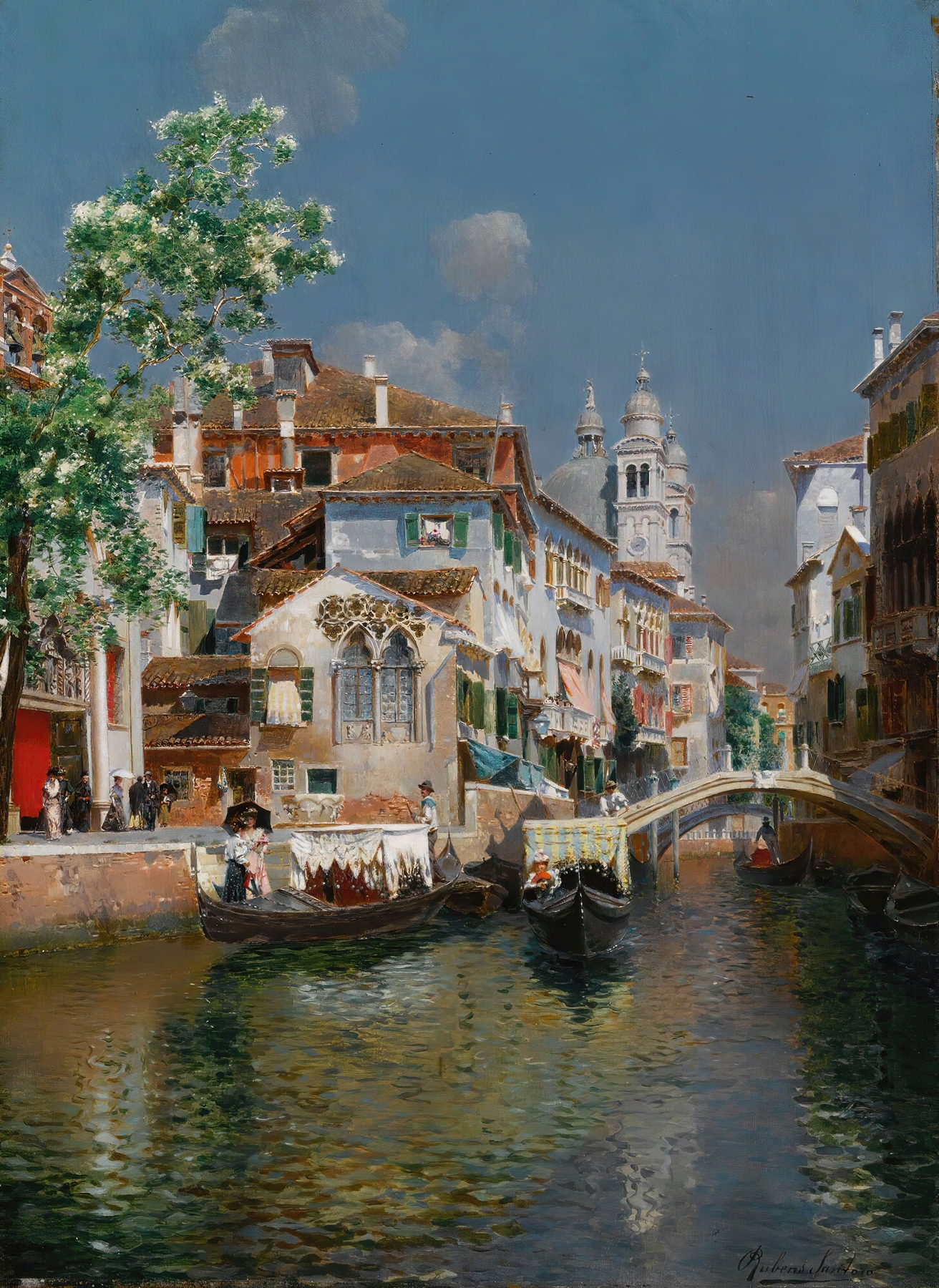
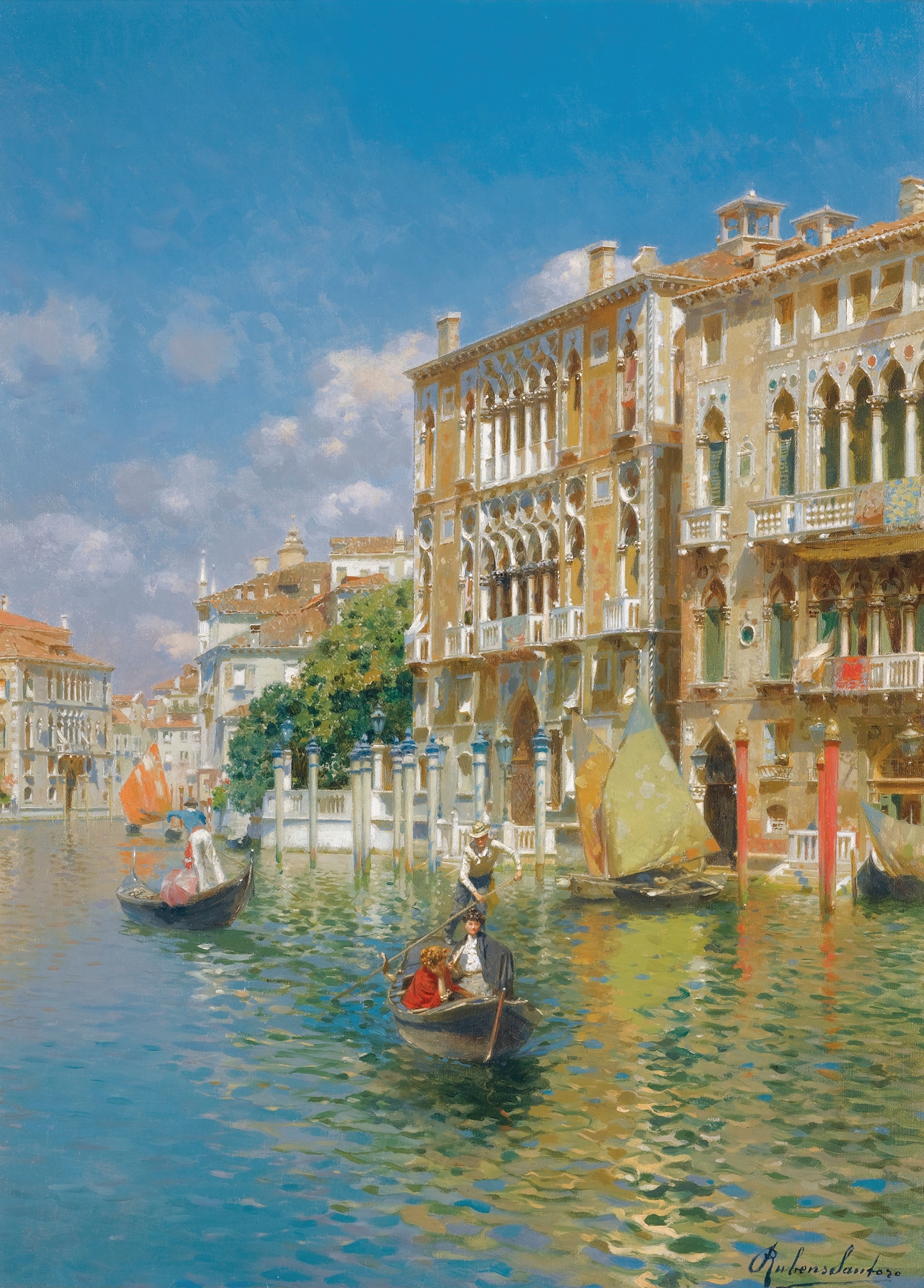
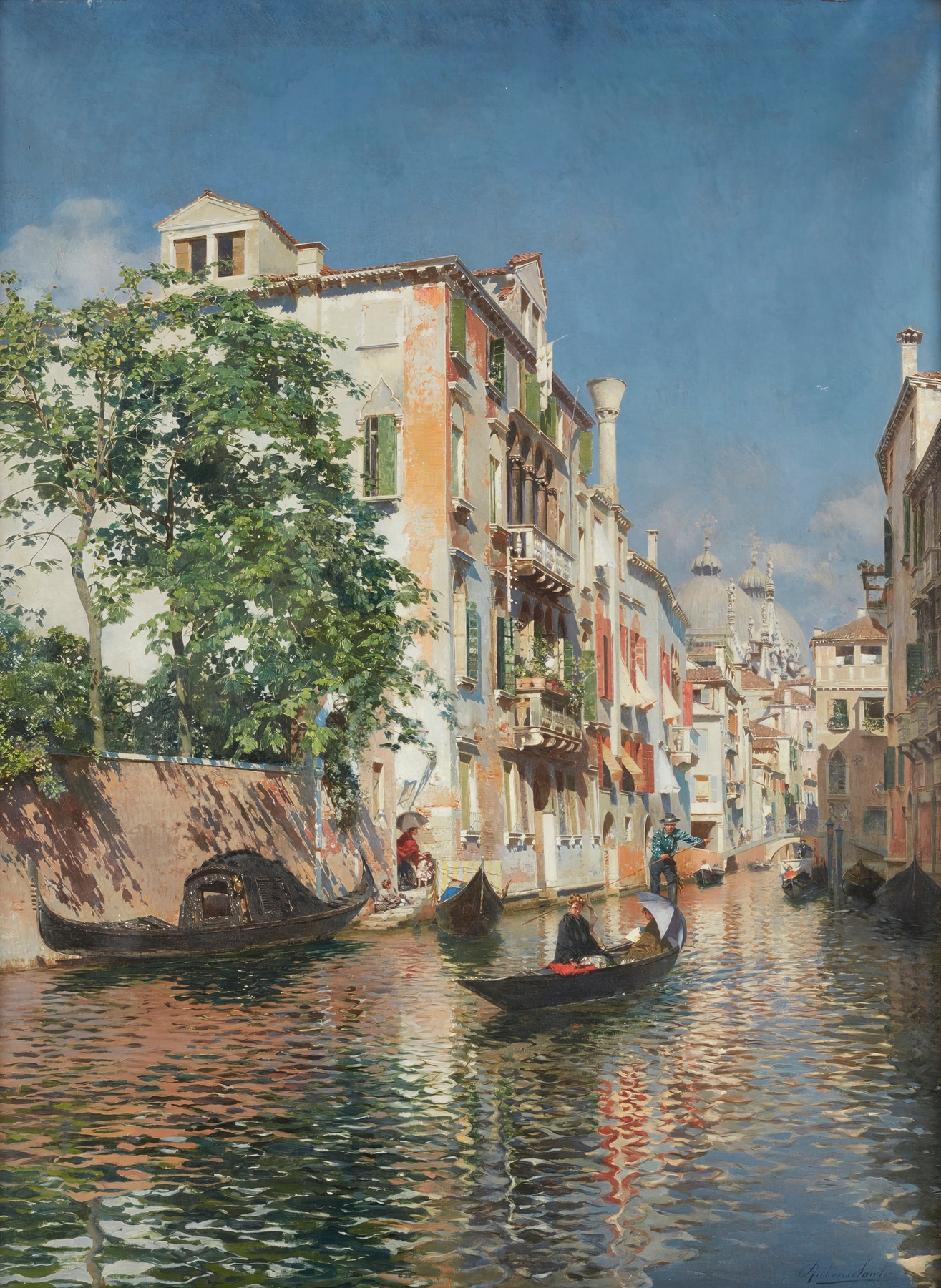
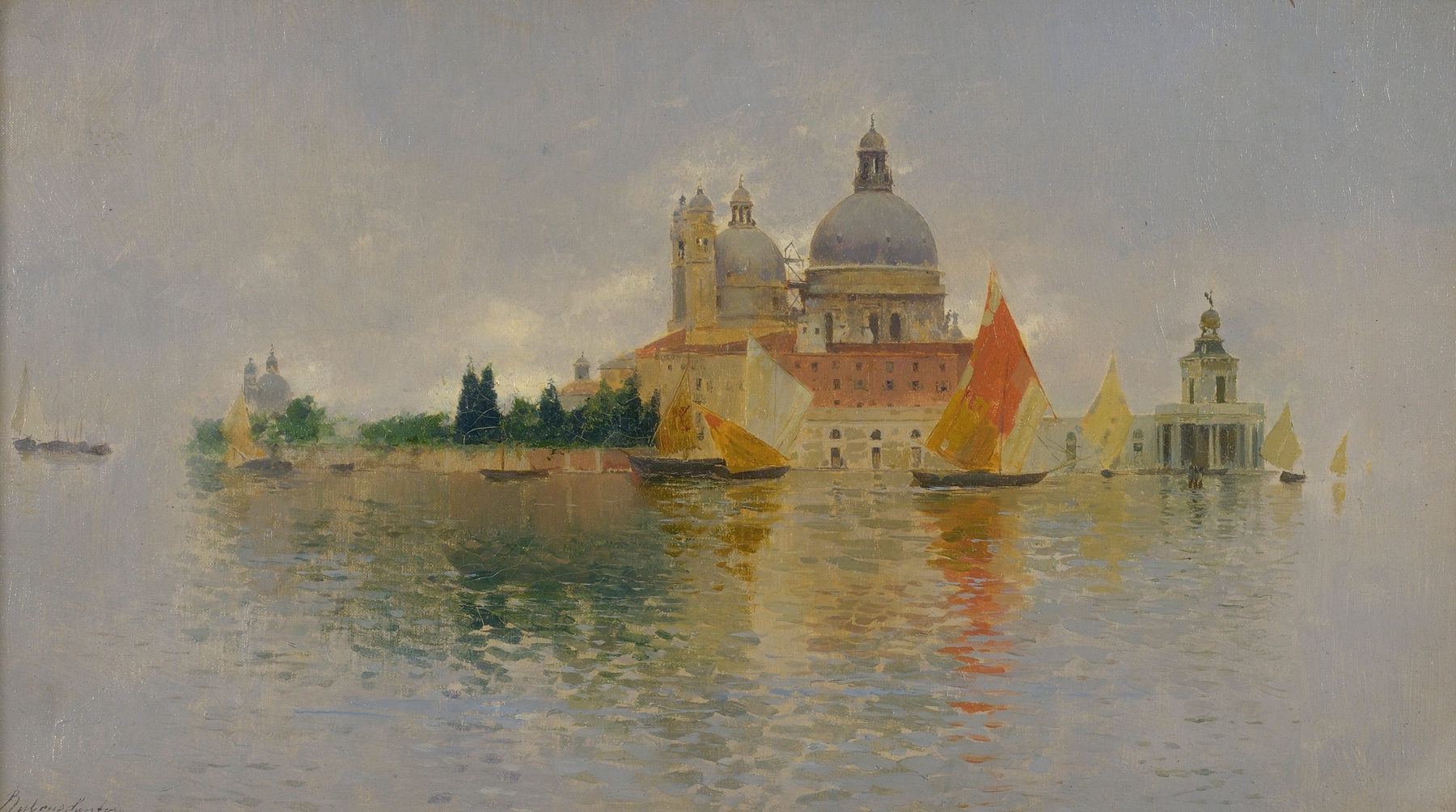
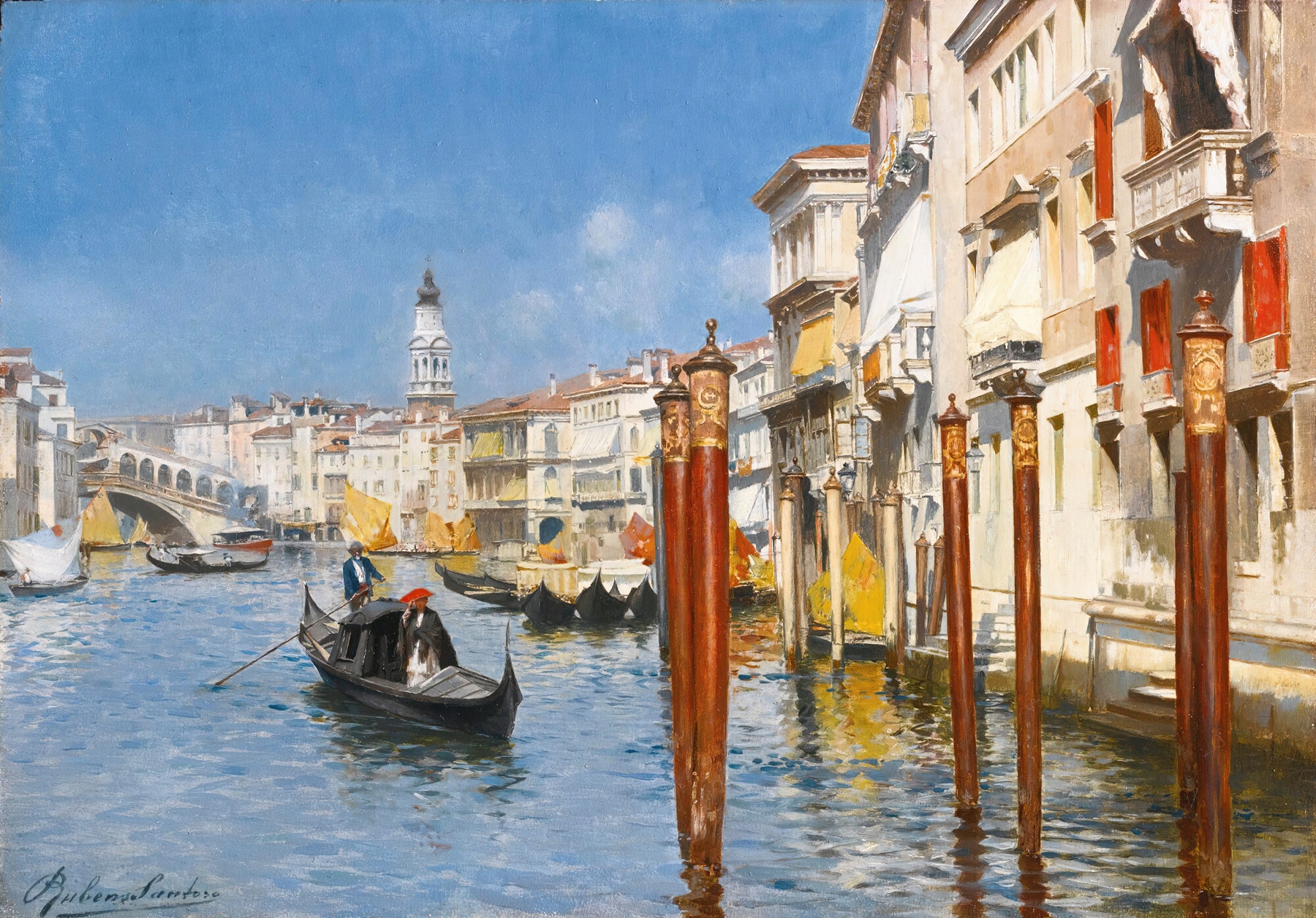
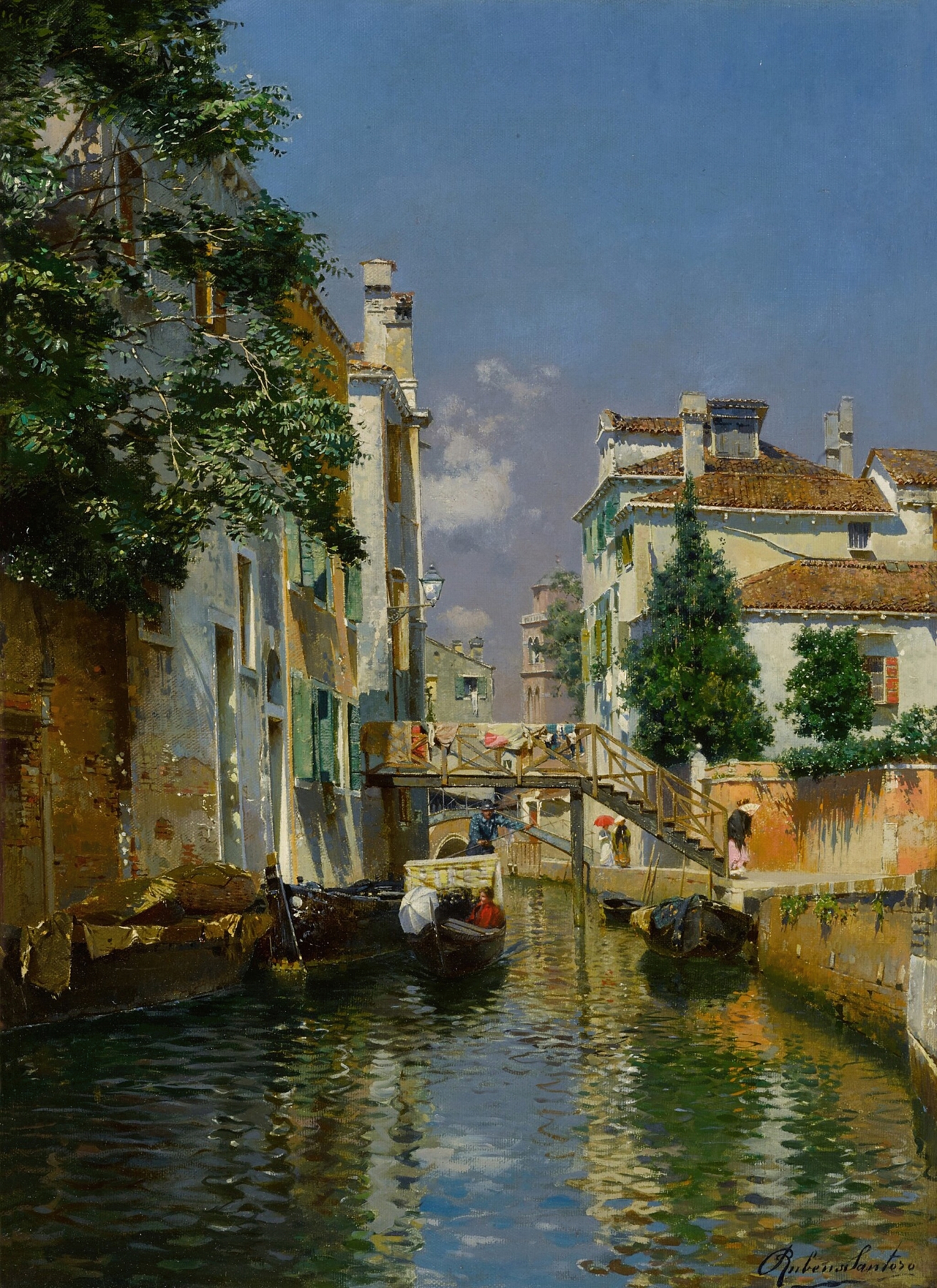
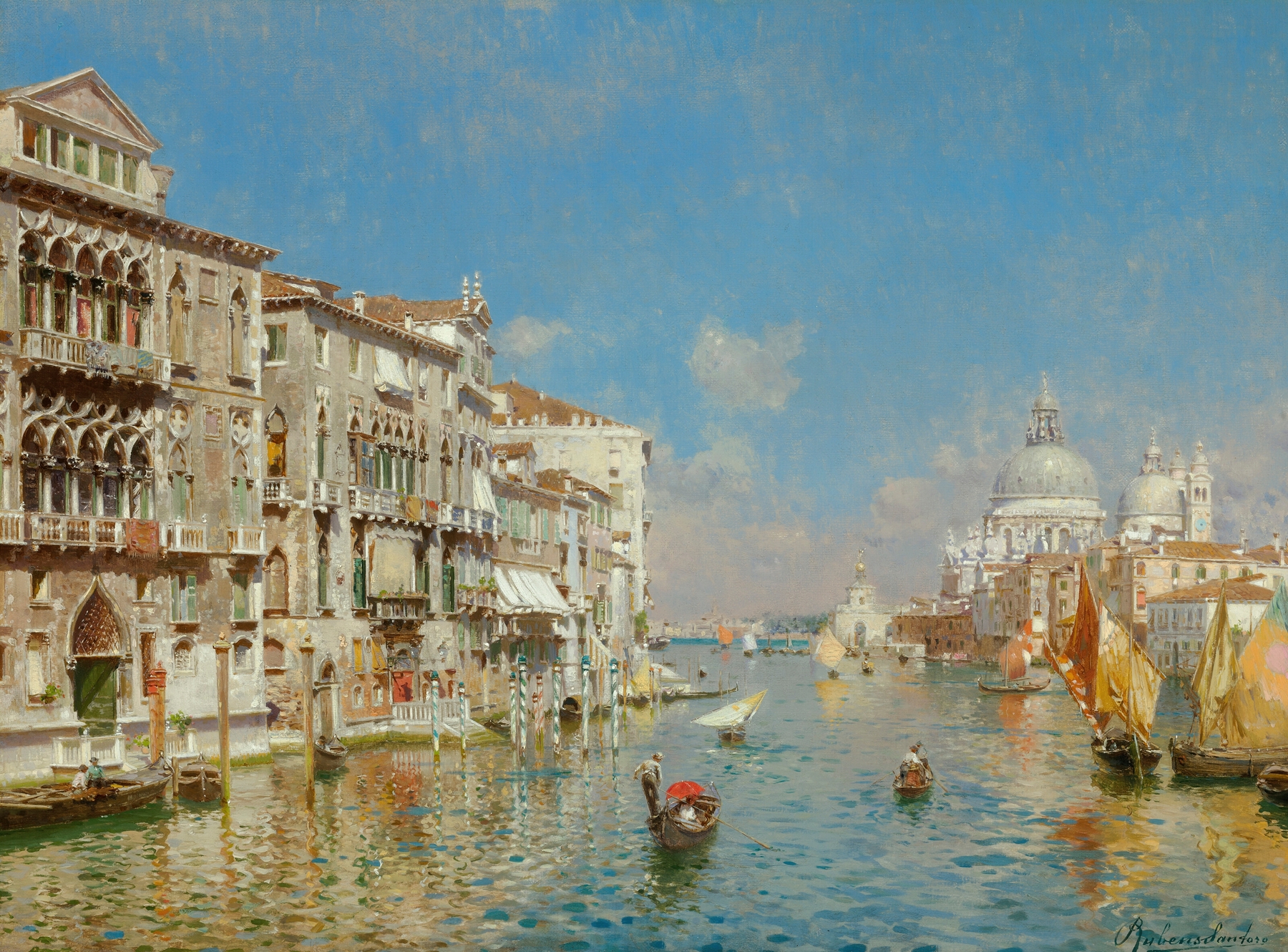
Can paint confess what words never could? In the vibrant world of Venice, colors dance and swirl, creating an illusion that beckons the viewer into a dreamlike reverie. Look closely at the lower left corner; there, you will find the delicate reflections of gondolas shimmering on the canal’s surface, each stroke meticulously applied to mimic the fluidity of water. Notice how the artist layers hues of azure and emerald, capturing not just the physical beauty of Venice, but its very spirit.
The sky, a soft gradient of peach and lavender, casts a warm glow upon the façades of ancient buildings, inviting us to lose ourselves in the bustling life that flows through this city. Hidden within the apparent vibrancy lies a tension between reality and illusion—every brushstroke a whisper of what is real and what is imagined. The playful arrangement of colors invites the viewer to question the essence of seeing; are we witnesses or participants in this spectacle?
The juxtaposition of lively, saturated tones against the shadows speaks to the fleeting moments of joy and the ever-present melancholy lingering in the canals' depths. Rubens Santoro created this enchanting work during a time when he was exploring the interplay of color and light, significantly influenced by the Impressionist movement. Although the exact date of the painting remains unknown, it reflects a period in Santoro's life where he sought to capture both the essence and the illusion of his subjects, enveloping life in vibrancy while hinting at the deeper emotions that underlie human experience.