View Of The Jesuit Church At Olinda, Brazil — History & Analysis
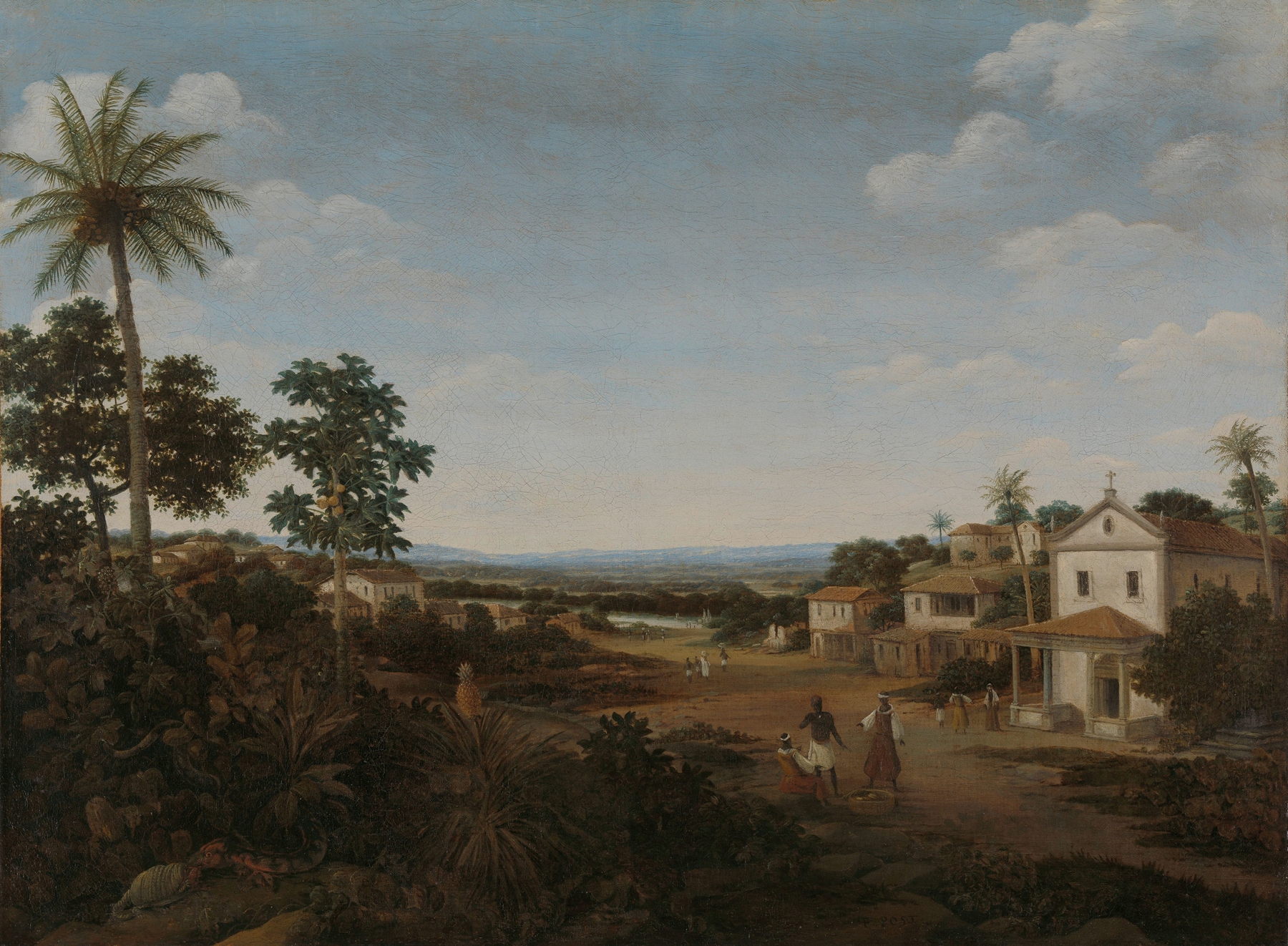
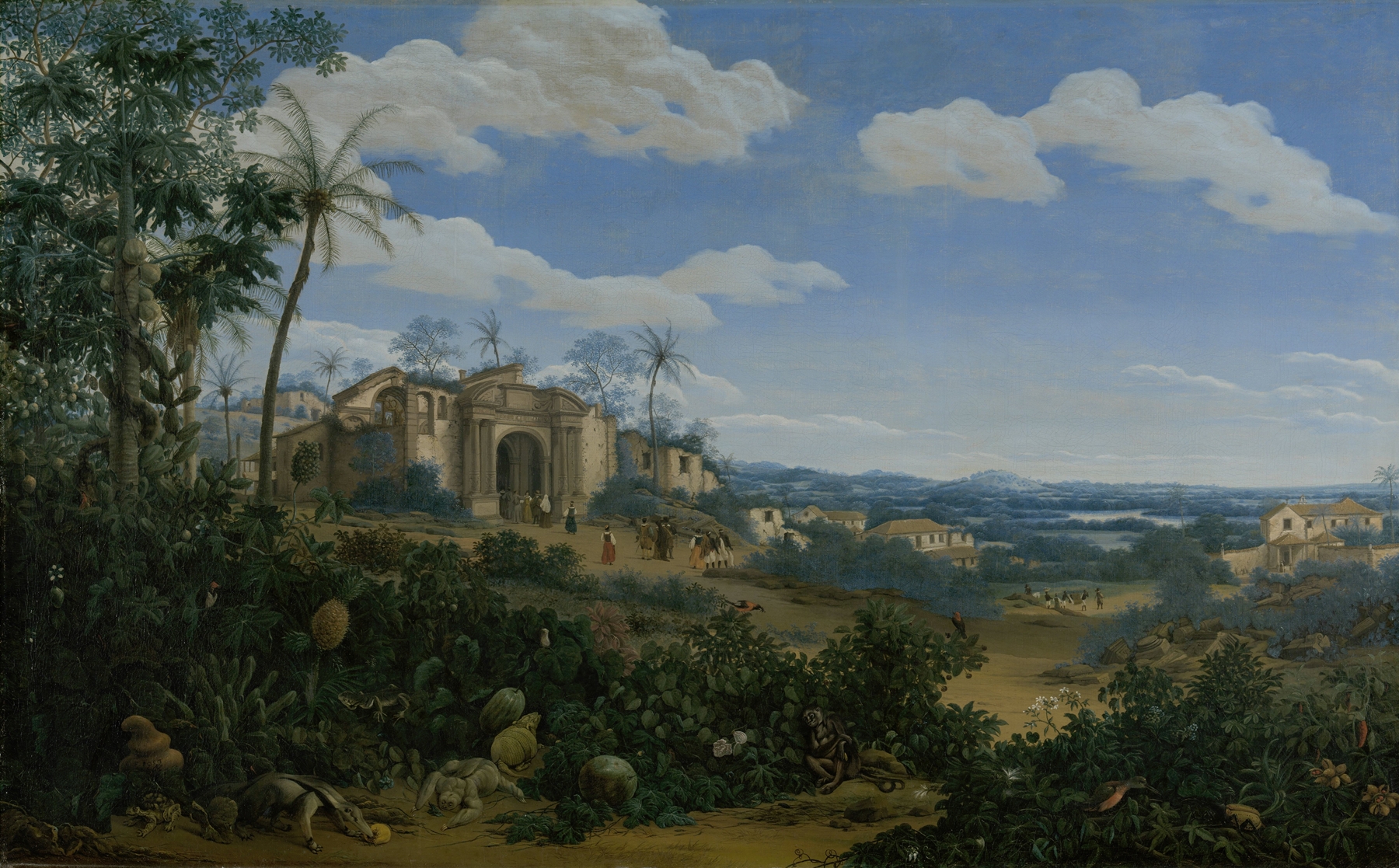
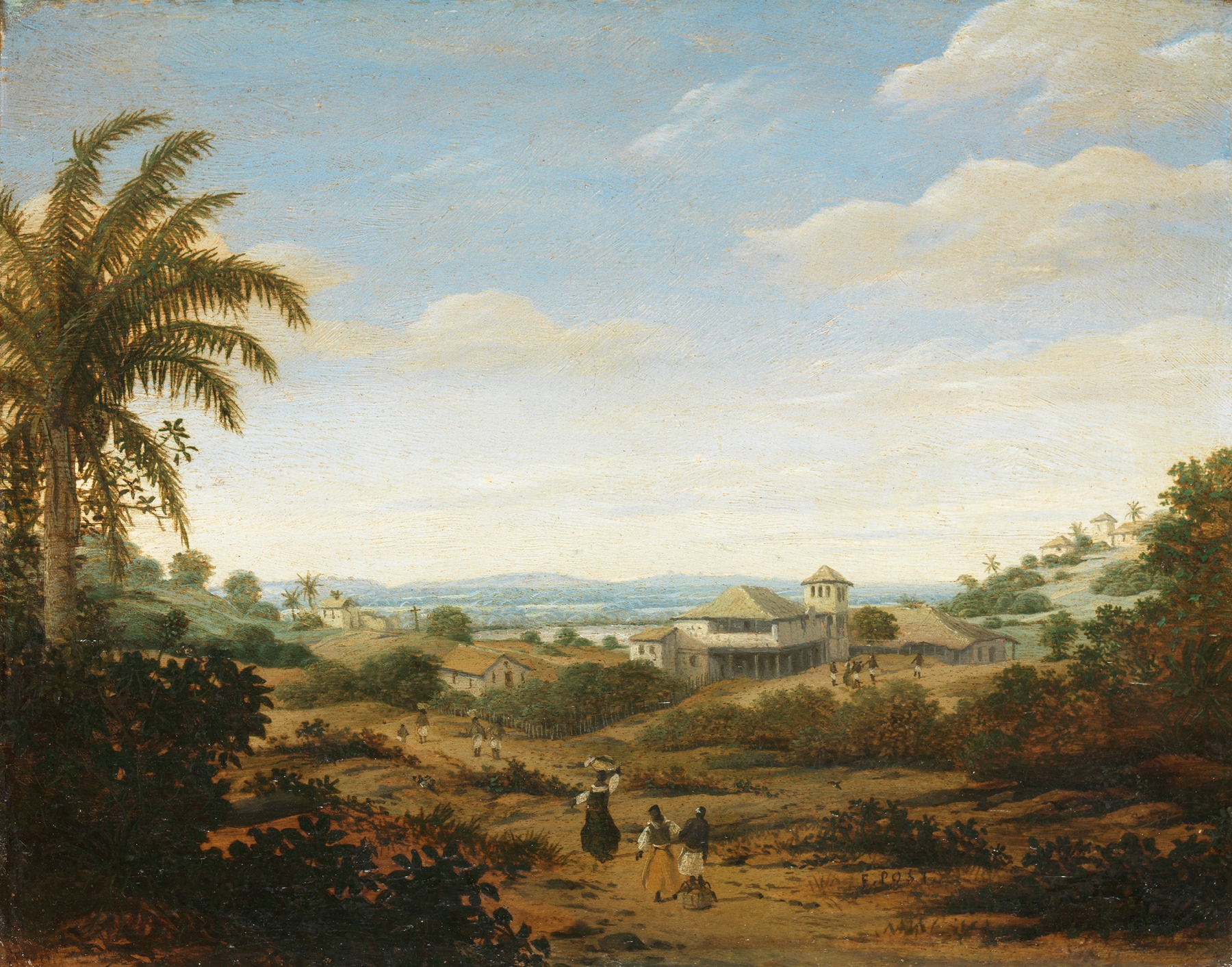
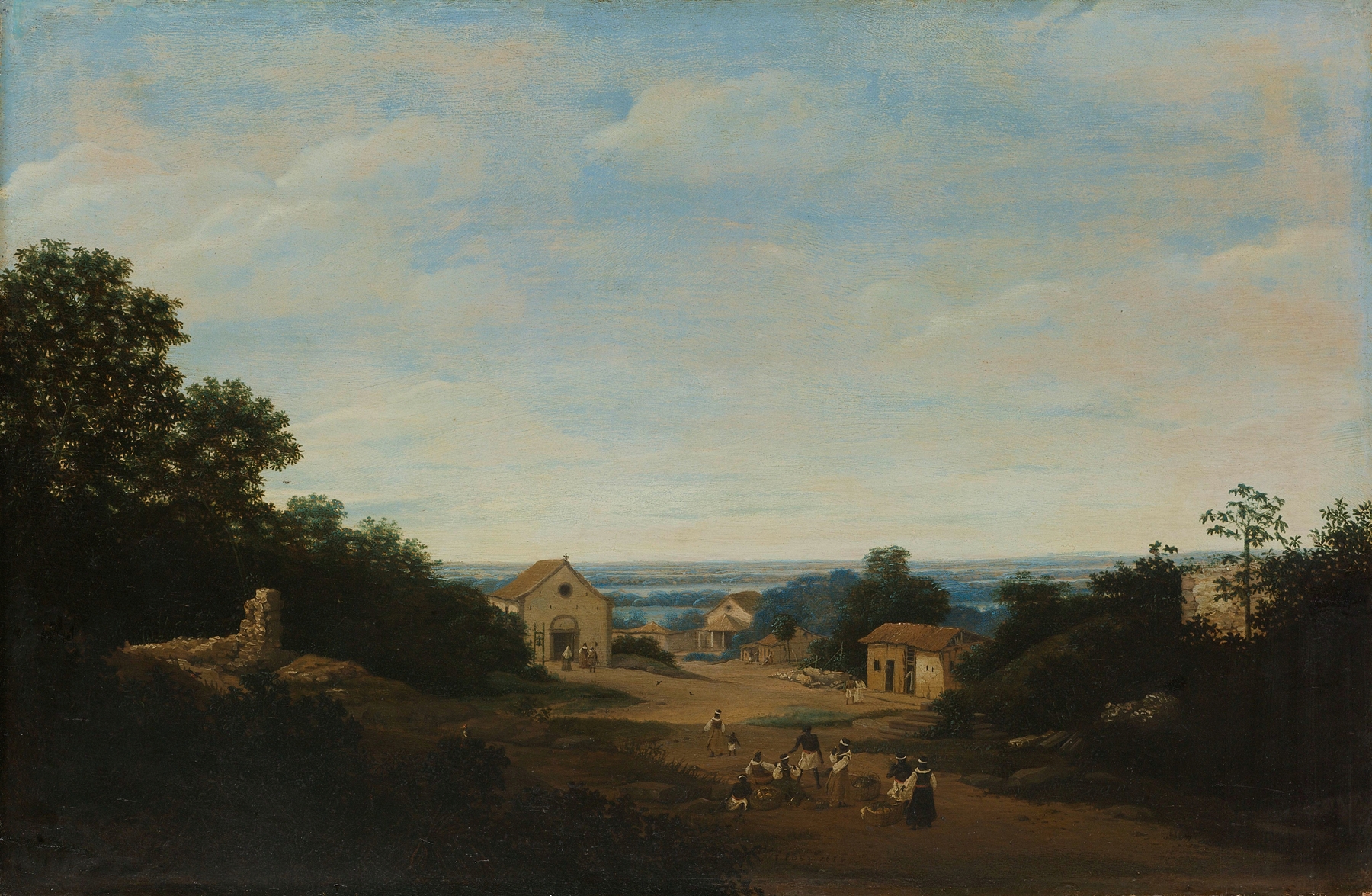
Where does light end, and longing begin? In the delicate interplay of shadow and brilliance, innocence emerges from the canvas, inviting a sense of wonder and exploration. Look to the left, where the Jesuit Church stands as a sentinel against the horizon—its white façade gleaming in the warm sun, an emblem of faith and ambition. Notice how the artist employs vibrant greens in the surrounding foliage, contrasting with the earthy tones of the land.
The composition draws the eye towards the church, framed by the lush landscape, creating a harmonious balance between nature and architecture. The skillful brushwork captures both the solidity of the building and the ephemeral quality of the surrounding trees, evoking a moment suspended in time. As you peer closer, subtle details reveal deeper narratives—what stories lie behind those walls, and who once worshipped in the glow of such divine light? The juxtaposition of the sacred structure against the untamed wild hints at the tension between civilization and nature, innocence and knowledge.
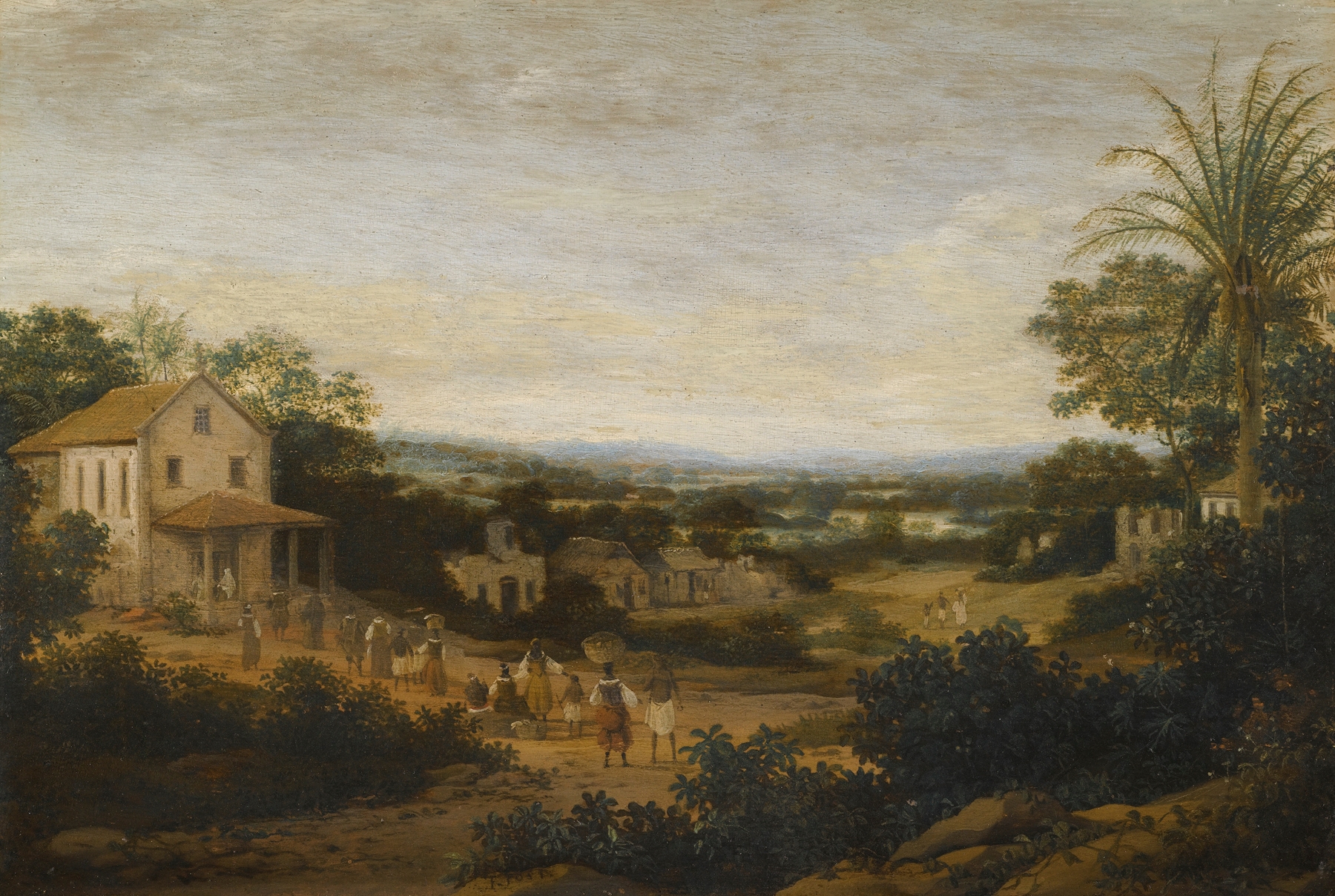
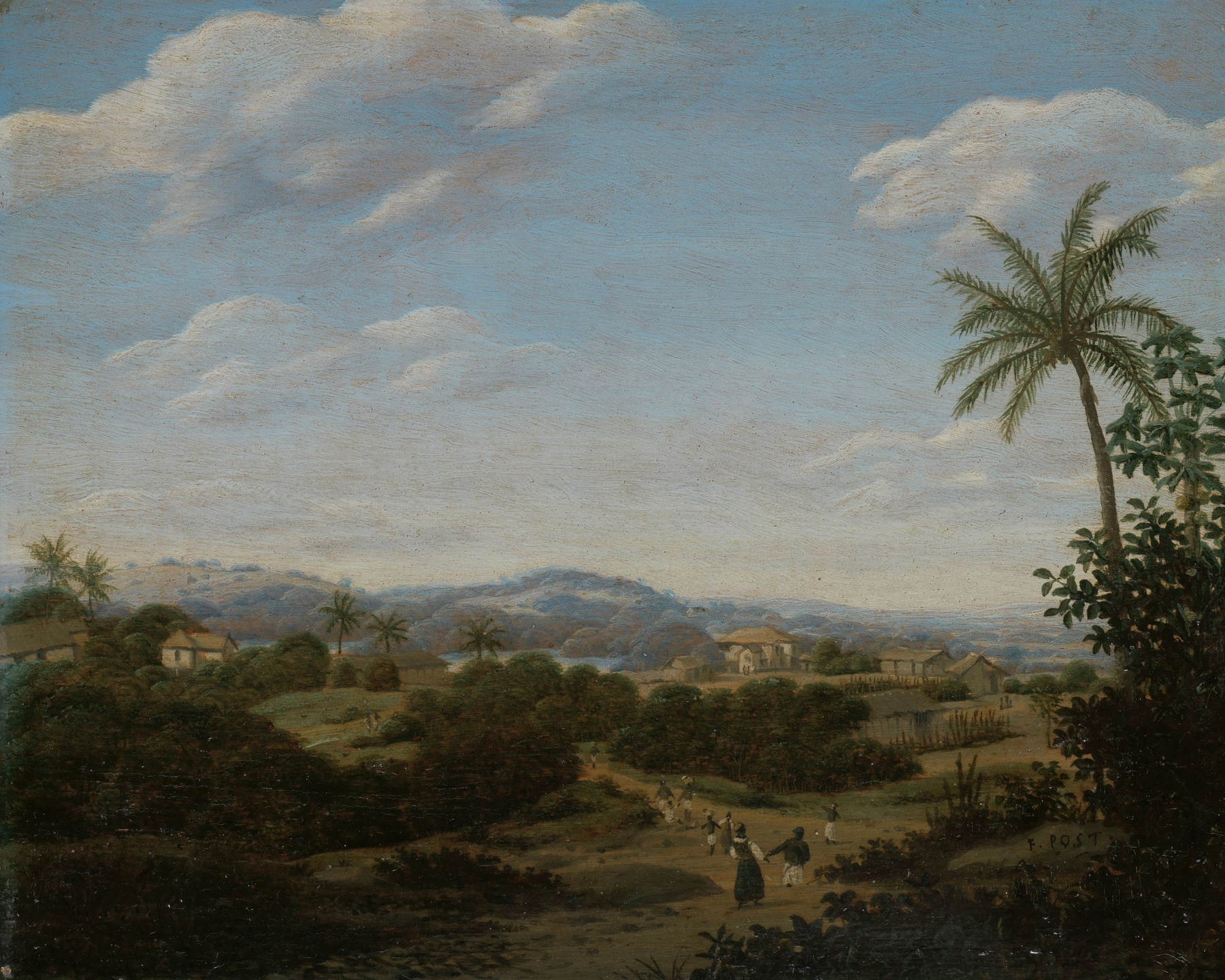
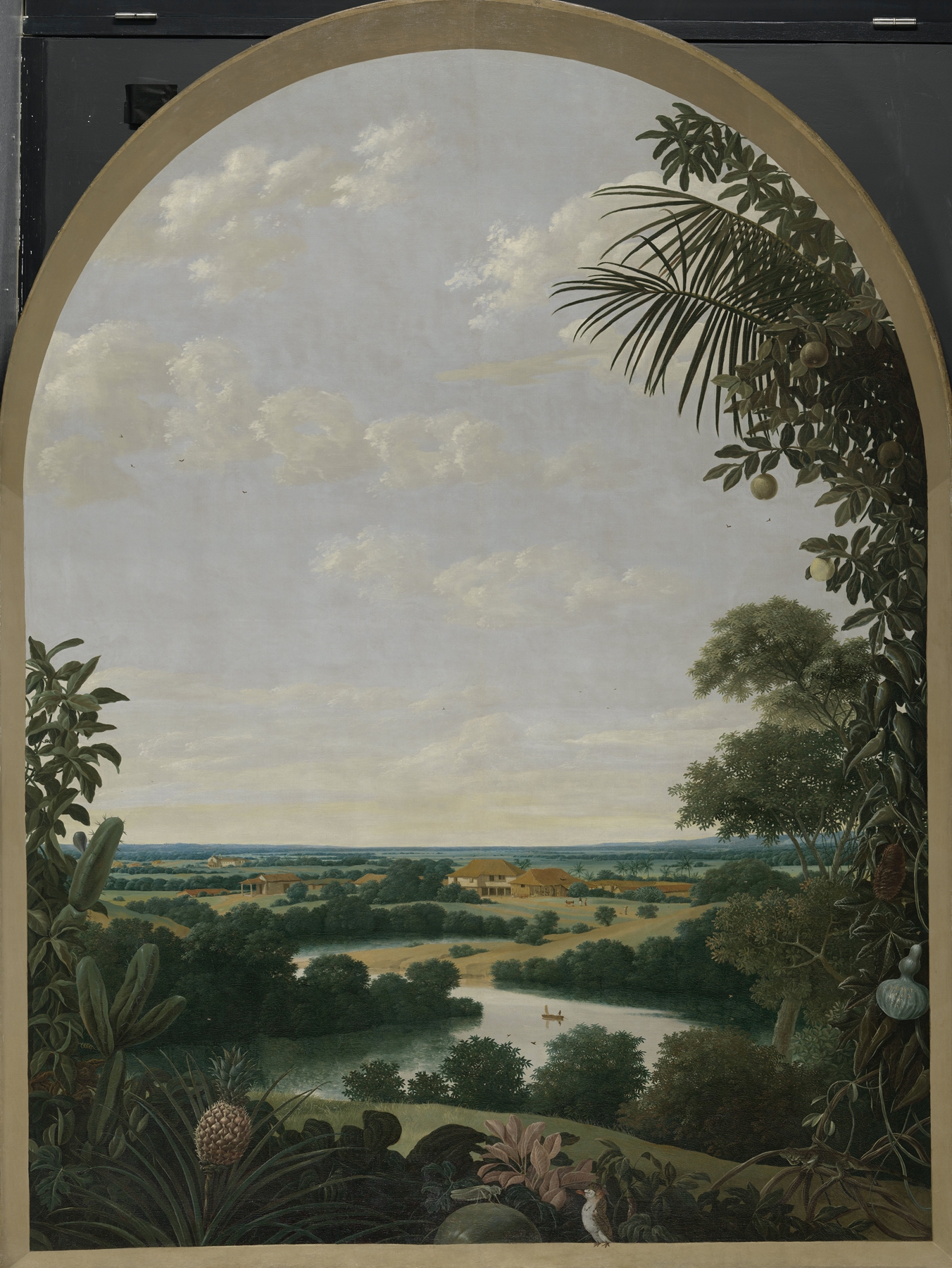
Shadows dance beneath the trees, suggesting a world where life thrives, yet is forever intertwined with the whispers of history and the passage of time. Frans Post created this work in 1665 while living in the Netherlands, having recently traveled to Brazil. The period was marked by the Dutch colonization of parts of South America, and Post's paintings often reflected his fascination with the New World, expressing both admiration and the complexities of its landscape. This particular piece illuminates his ability to merge the exotic with the familiar, forever capturing the essence of a place steeped in innocence and aspiration.