Vitré — History & Analysis
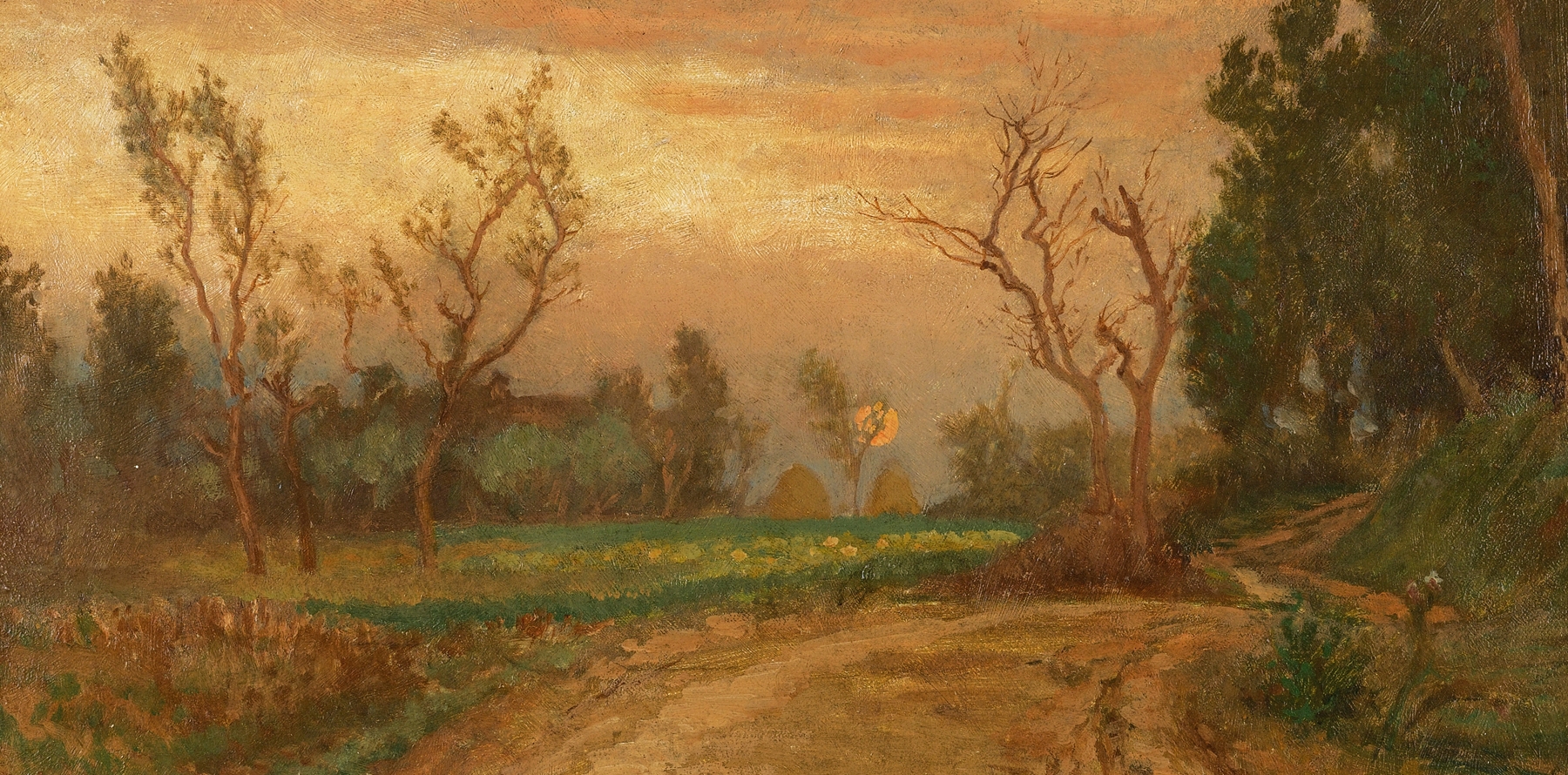
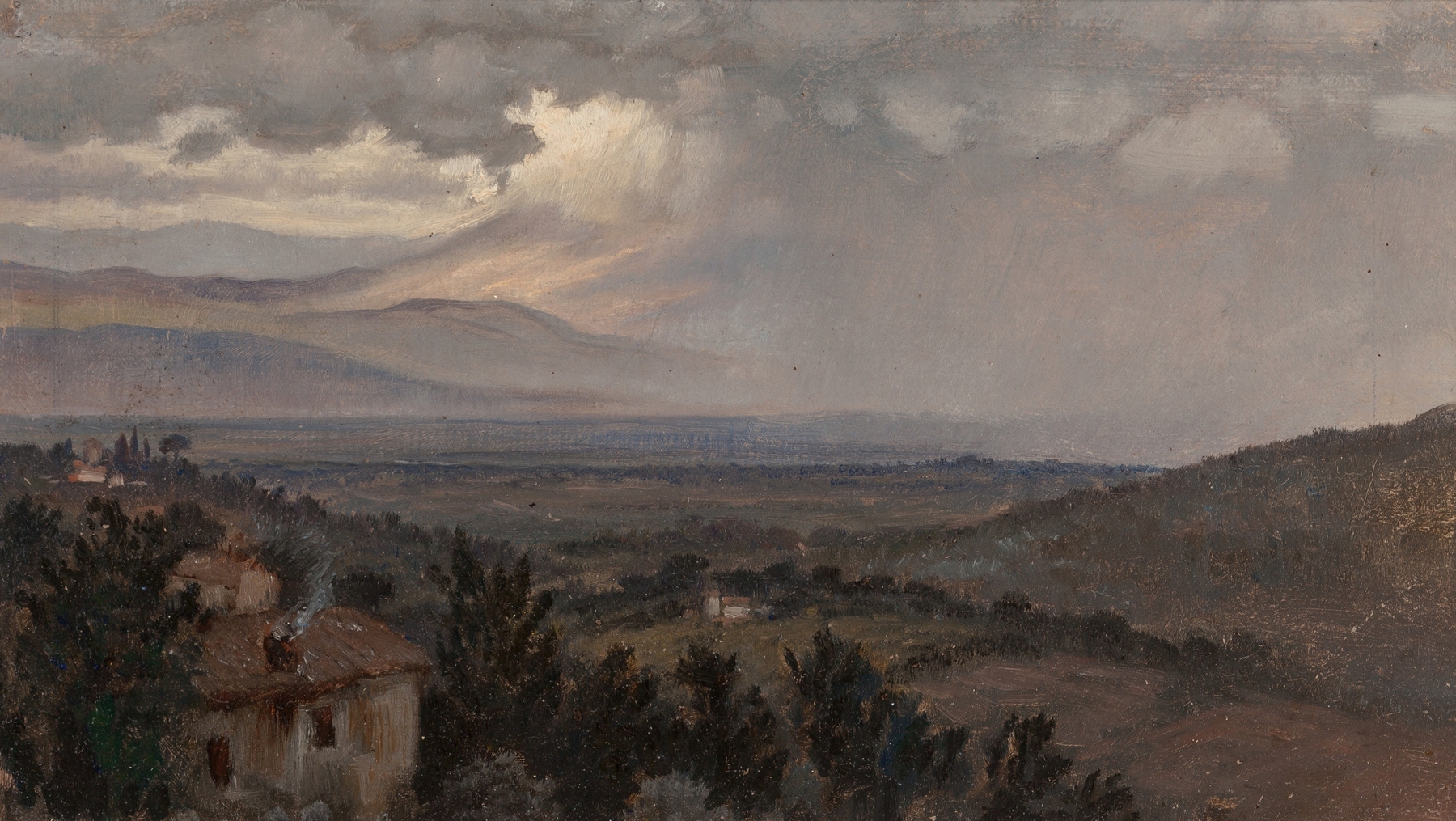
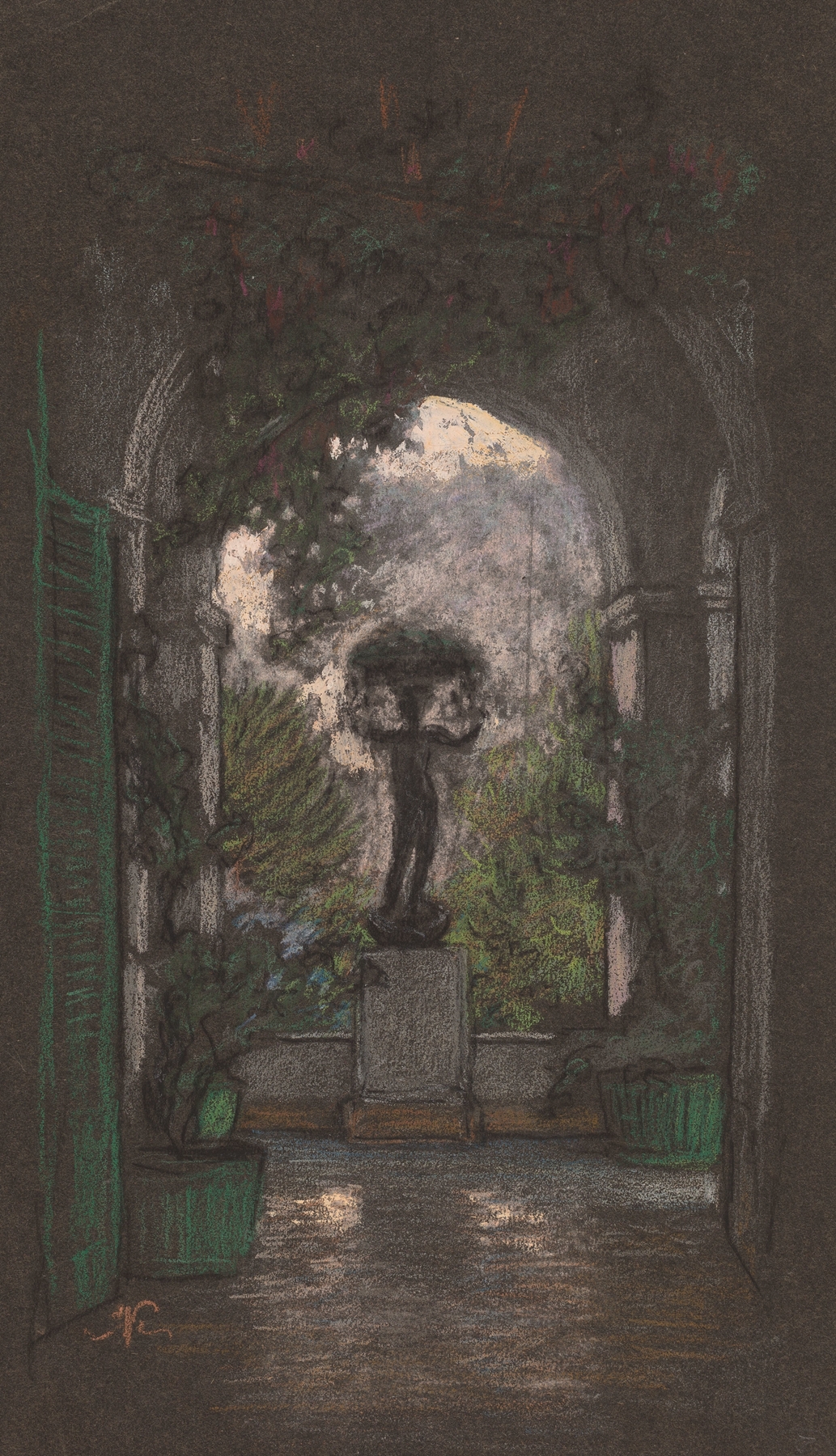
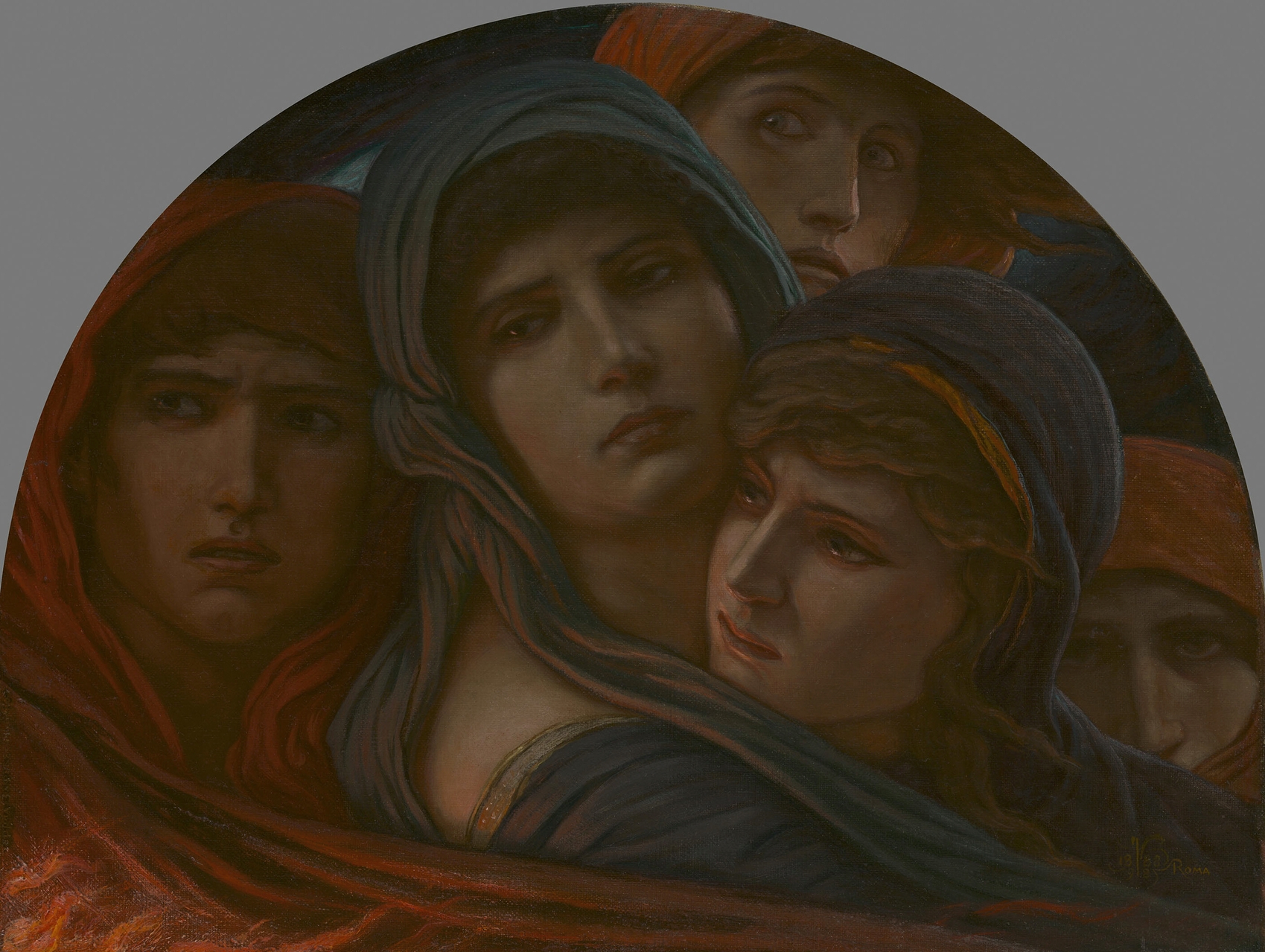
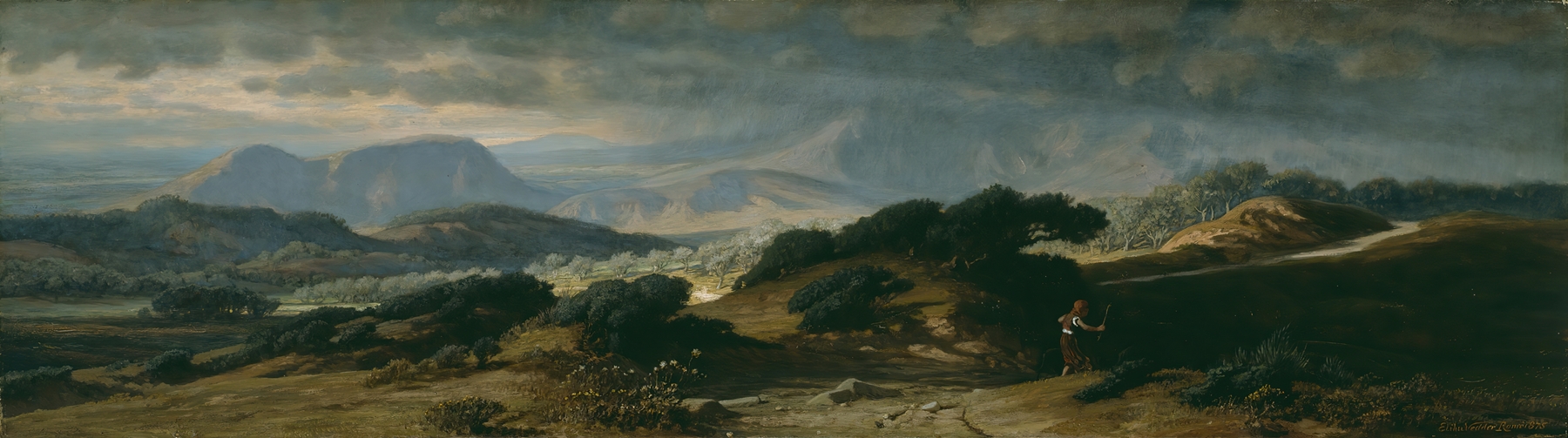
“Every brushstroke is a heartbeat remembered.” In a world where betrayal lurks in the crevices of trust, how do we capture the essence of such a wound on canvas? Look to the center of the image, where shadows intertwine with light, revealing a figure enshrined in melancholic contemplation. The subtle gradients of blue and gold draw your gaze as they silently echo the heartbeat of the emotions at play. The composition’s diagonal lines create a dynamic tension, leading the viewer’s eye across the canvas, as if tracing an invisible path of sorrow and introspection.
Each stroke seems deliberate yet fluid, encapsulating an inner turmoil that resonates with anyone familiar with the ache of betrayal. Within the delicate layers of this artwork, we find a conversation between silence and chaos. Notice how the gentle curve of the figure’s posture contrasts with the jagged outlines of the surrounding environment, suggesting a struggle between vulnerability and resilience. The muted color palette evokes a sense of nostalgia, hinting at memories tainted by treachery, while the textured brushwork adds depth, transforming mere paint into an eloquent narrative of heartache and loss.
During the creation of Vitré around 1877, Vedder was navigating his own life’s complexities in Rome, a city bustling with artistic fervor yet steeped in personal introspection. This period marked a transition in his style, where the weight of emotional experience began to influence his visuals more profoundly. As he delved into themes of betrayal and introspection, his work resonated with the broader movement of Symbolism, forging a connection between personal anguish and universal truths.