Vue de Caen — History & Analysis
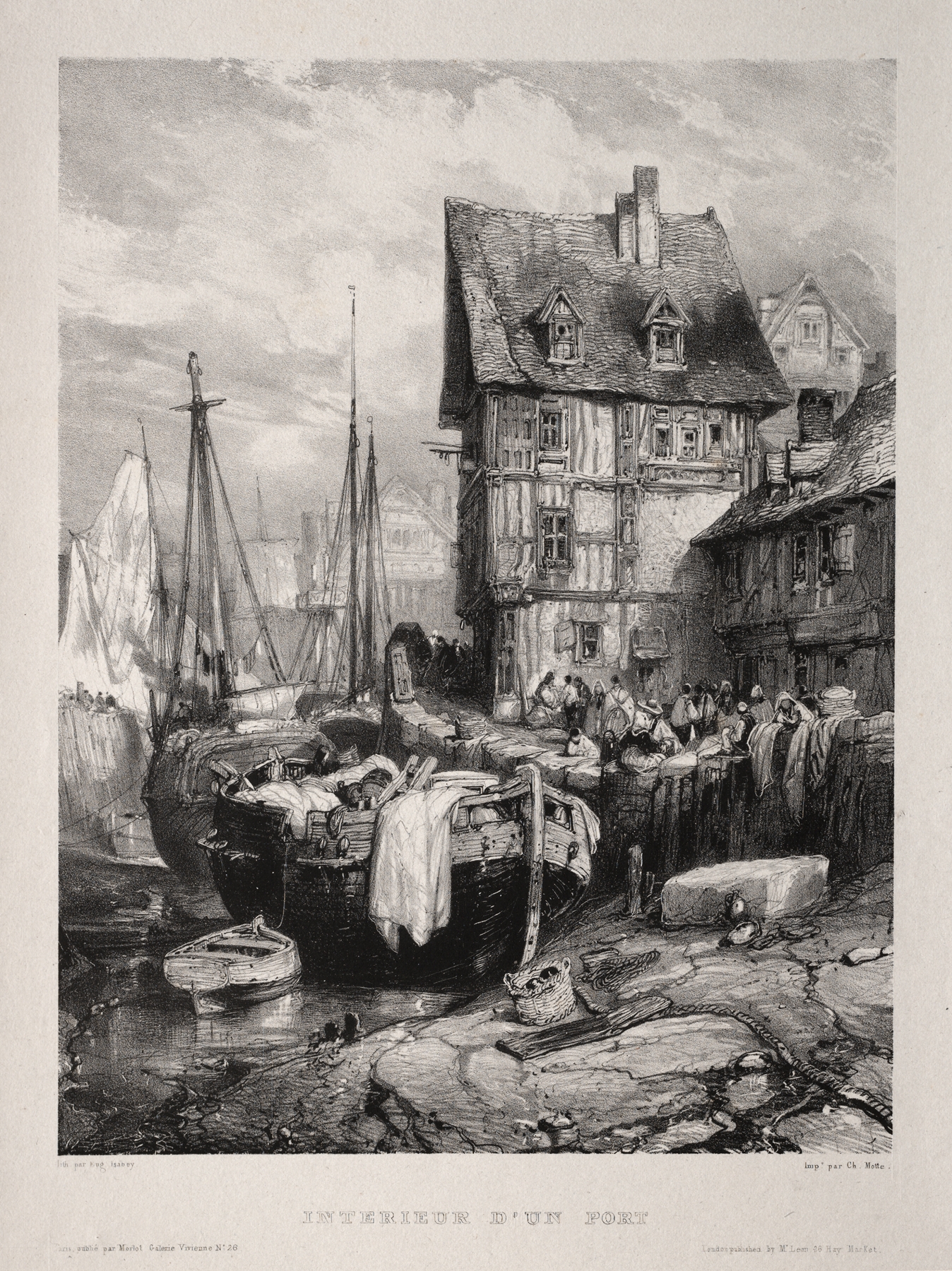
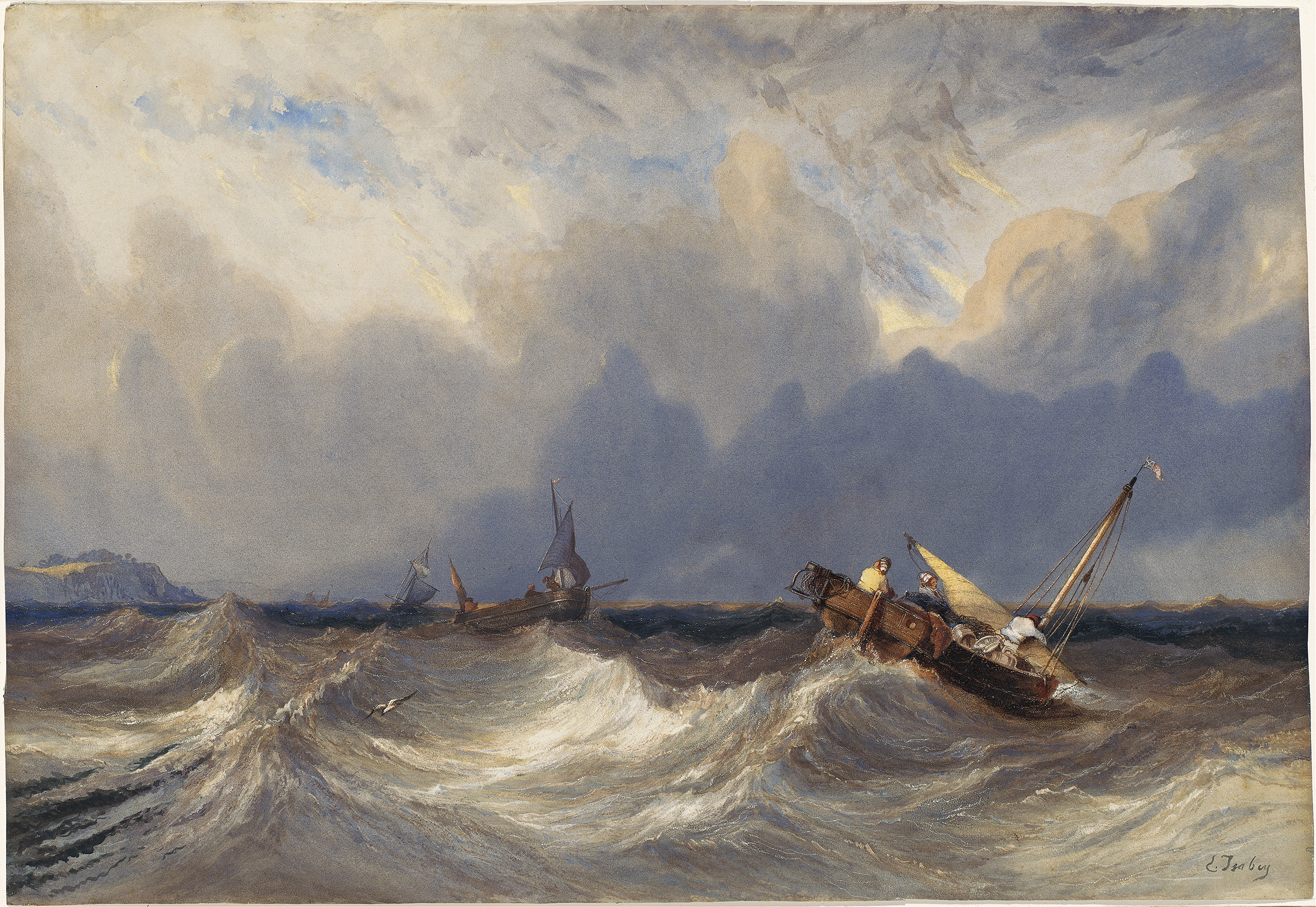
“Art reveals the soul when the world turns away.” In the quiet embrace of memory, landscapes become our most intimate confessions, reverberating through time and space. Look closely at the foreground, where a gentle river meanders, cradling reflections of the sky. The soft blues and greens, interspersed with hints of ochre, invite the viewer to wander through the composition. Notice how the delicate strokes evoke a sense of tranquility, while the towering, ghostly silhouettes of Caen’s architecture loom like forgotten dreams in the background, casting long shadows that echo a history both rich and melancholic.
Isabey's choice of muted palettes speaks to a nostalgia that transcends the canvas, contrasting the vibrancy of life with the stillness of memory. The interplay of light and shadow conveys the fleeting nature of moments, suggesting that what is captured is both present and past. Each brushstroke seems to whisper secrets of the landscape—of bustling streets now quieted and the whispers of lives once lived, turning the scenery into a testament to time’s passage.
In 1832, Isabey painted this landscape during a period when Romanticism was shaping the art world, emphasizing emotion and the sublime in nature. Residing in Paris yet drawn to the beauty of his homeland, he sought to depict the essence of the landscapes he cherished. The world around him was evolving, and in capturing Caen, he preserved a fragment of memory that resonates powerfully even today.