Vue de la rivière de Morlaix — History & Analysis
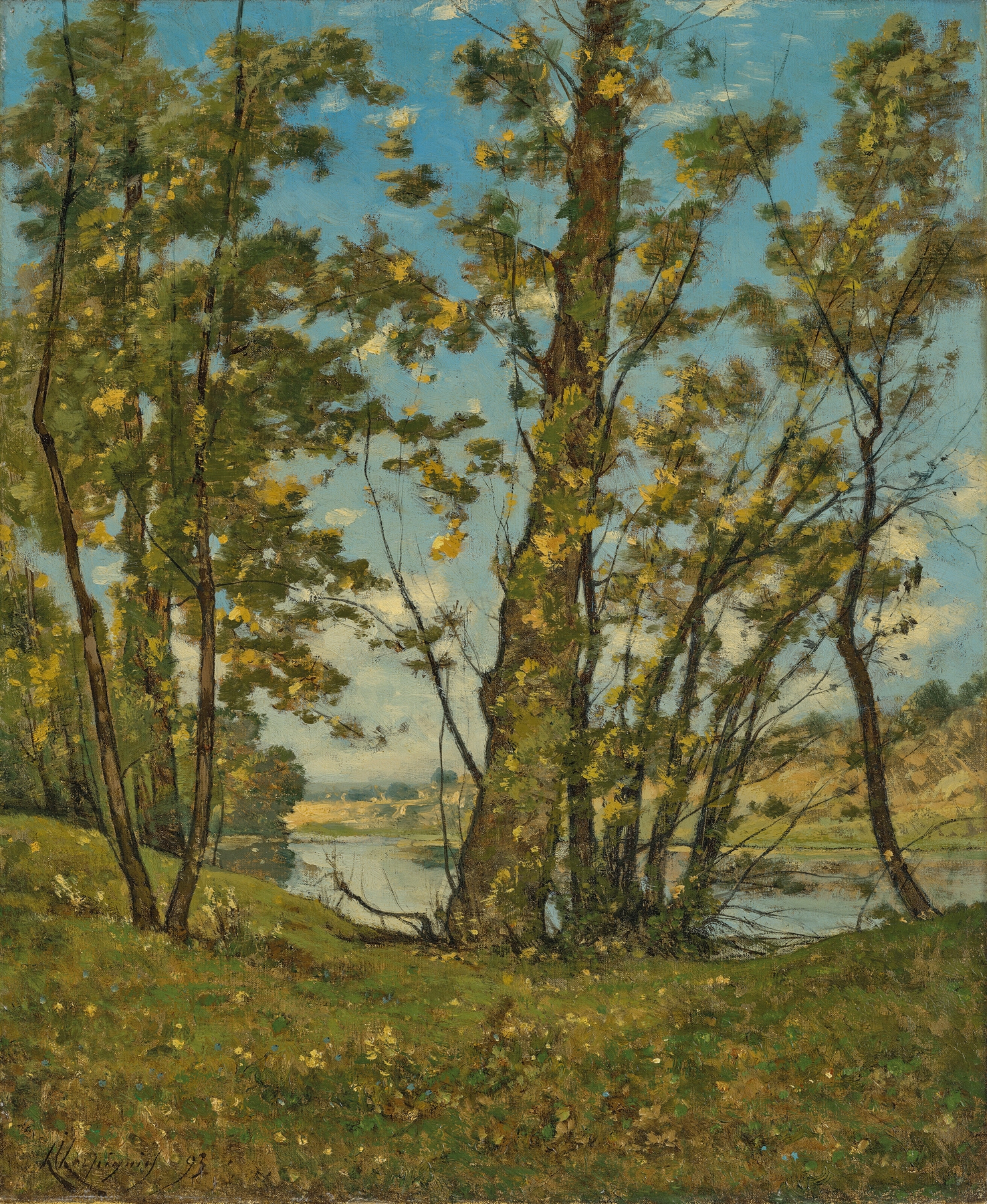
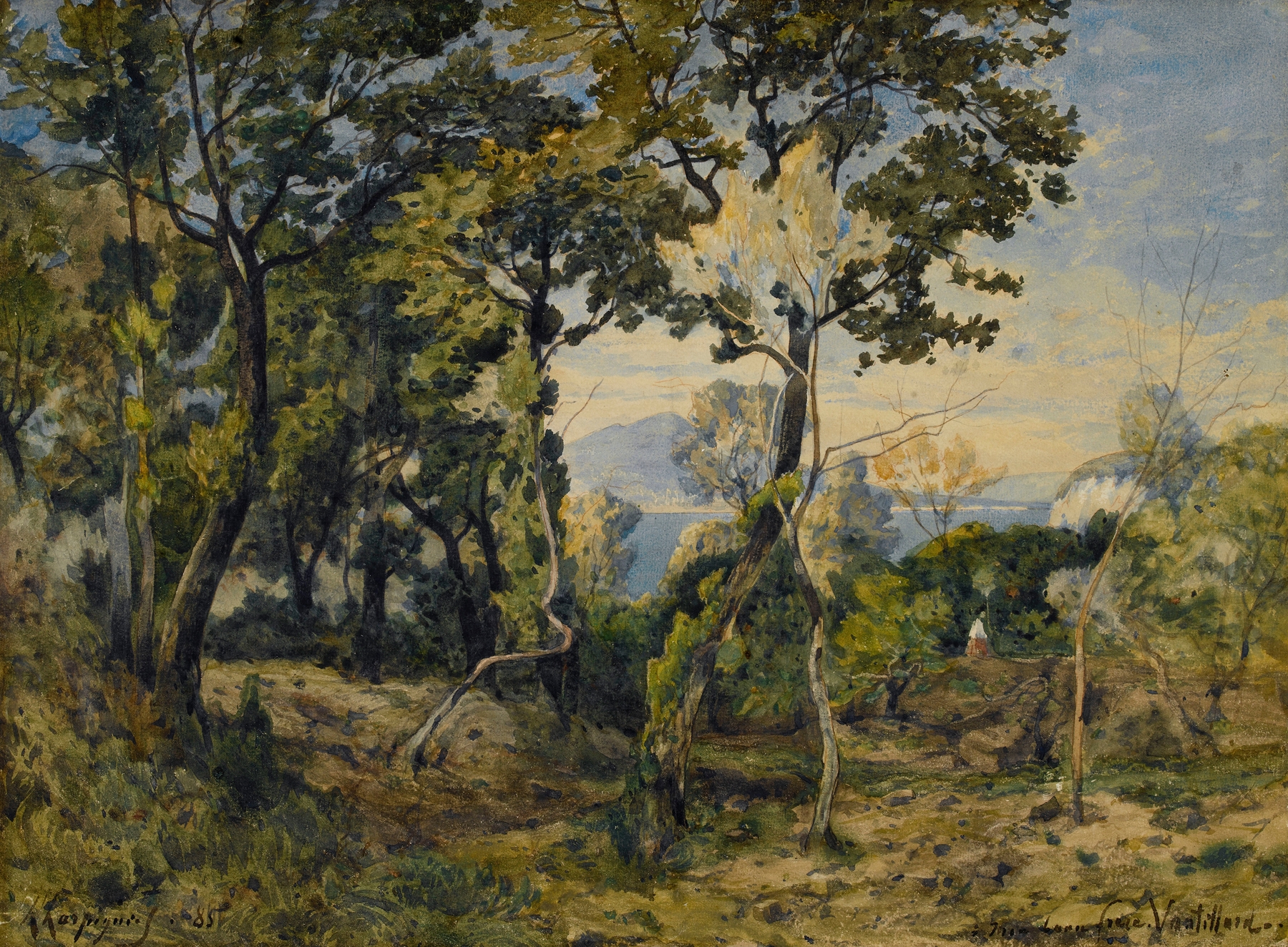
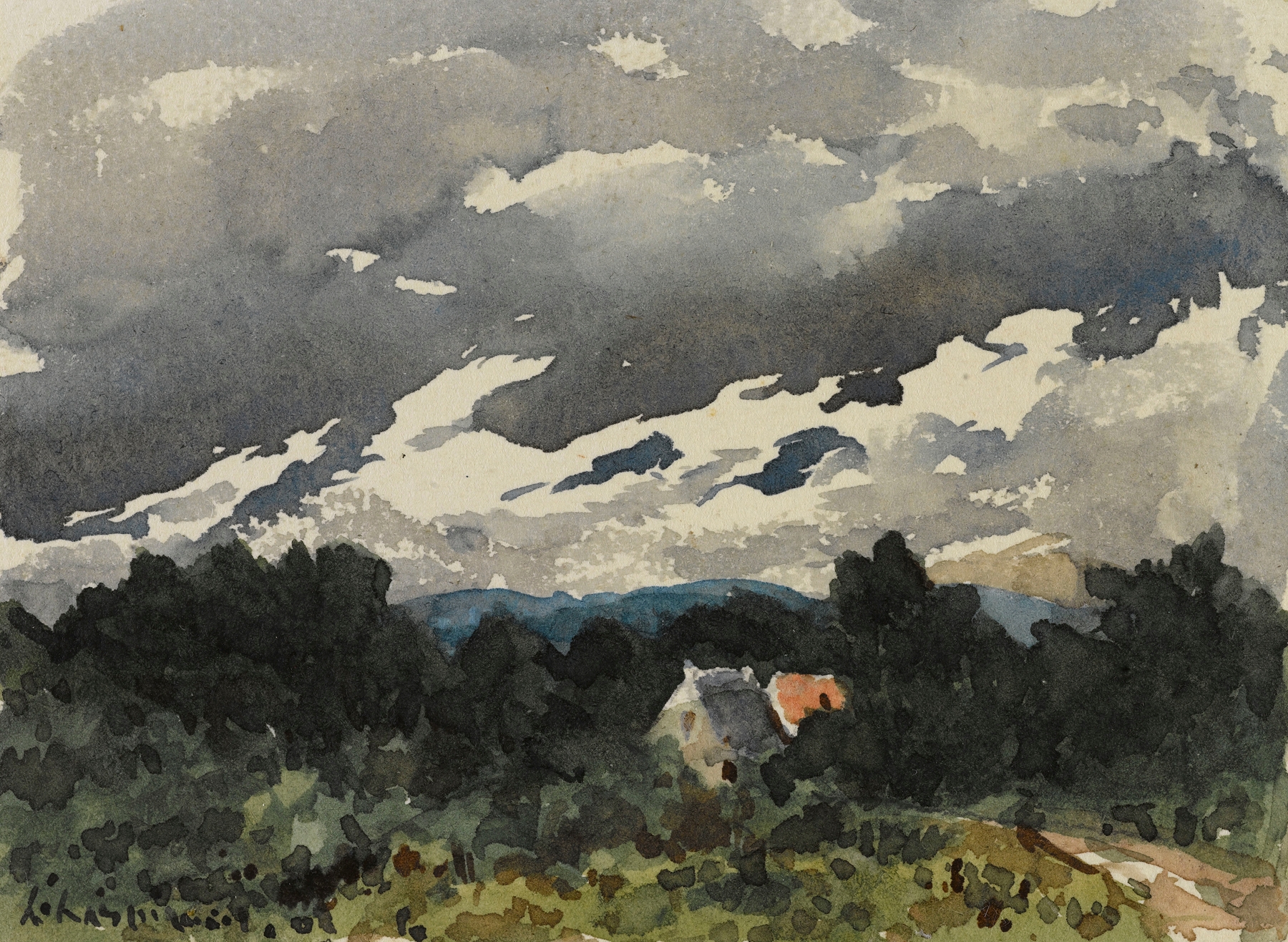
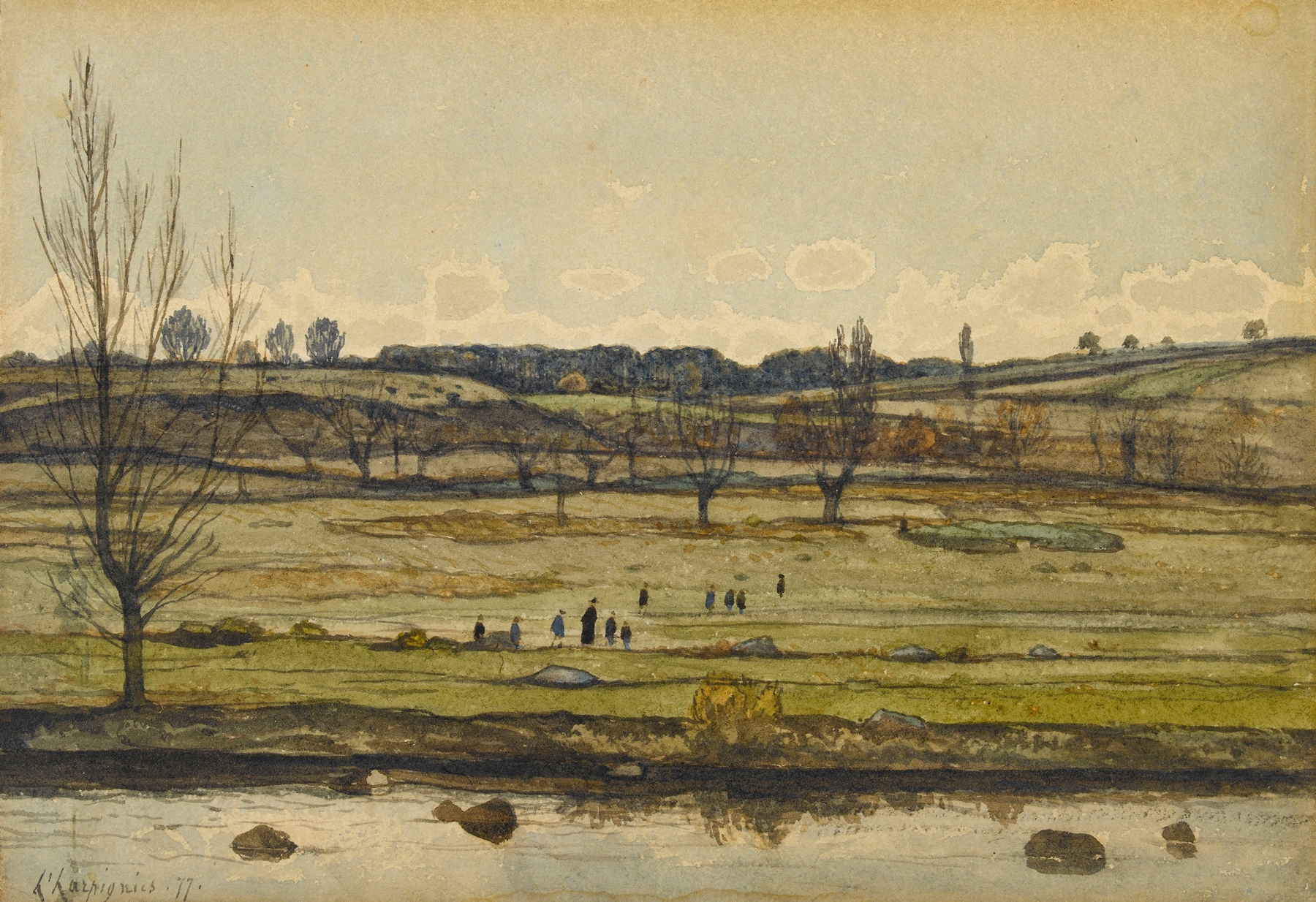
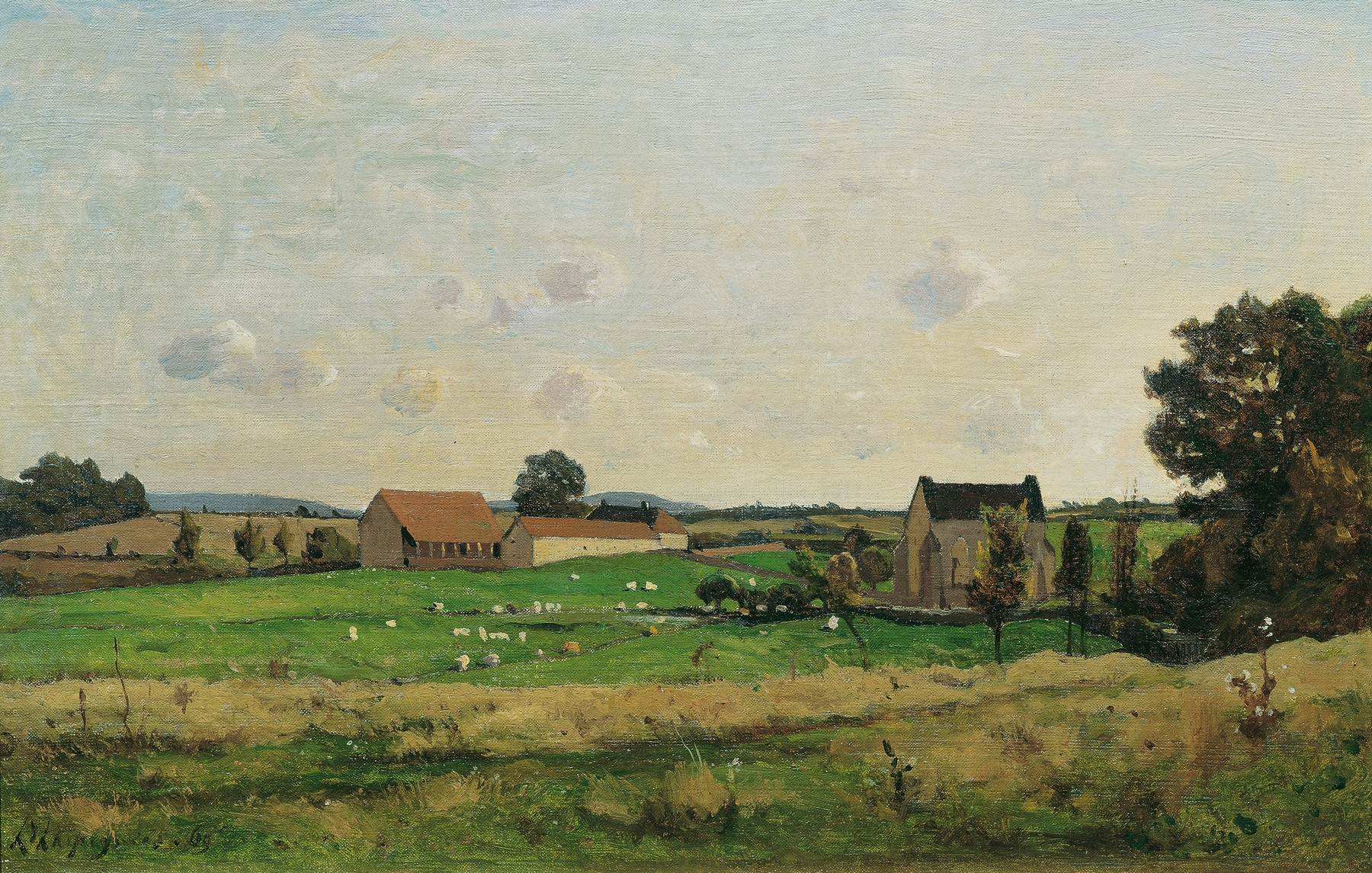
“The canvas doesn’t lie — it simply waits.” In the stillness of art, every stroke carries with it the echoes of movement, the whispers of life. Look to the center where the gentle curve of the Morlaix River unfurls like a ribbon of silver, inviting the eye to trace its path. Notice how the light dances upon the water's surface, reflecting hints of azure and soft greens that evoke a deep sense of tranquility. The trees lining the bank, rendered in lush brushstrokes, sway slightly, suggesting the caress of a breeze, while the clouds above loom softly, casting delicate shadows that weave through the landscape.
Delve deeper into the layers of this serene scene. The juxtaposition of the still water against the vibrant foliage hints at an underlying tension between calmness and the inexorable passage of time. The distant mountains, painted in muted tones, serve as silent witnesses to the transitions of seasons, embodying permanence amidst the transience of nature. Each element in Vue de la rivière de Morlaix tells a story of movement — not only in the river that flows but in the spirit of the landscape itself, alive and in constant change.
In 1900, during a period when Harpignies was rooted in the En plein air movement, he painted this work while living in France. His exploration of light and color was influenced by the Impressionists, yet his focus on the classical elements of composition and serenity marked his unique voice in the art world. This canvas reflects not just a view, but a deep appreciation for the natural world, mirroring Harpignies's own desire to capture ephemeral moments within the enduring beauty of the landscape.