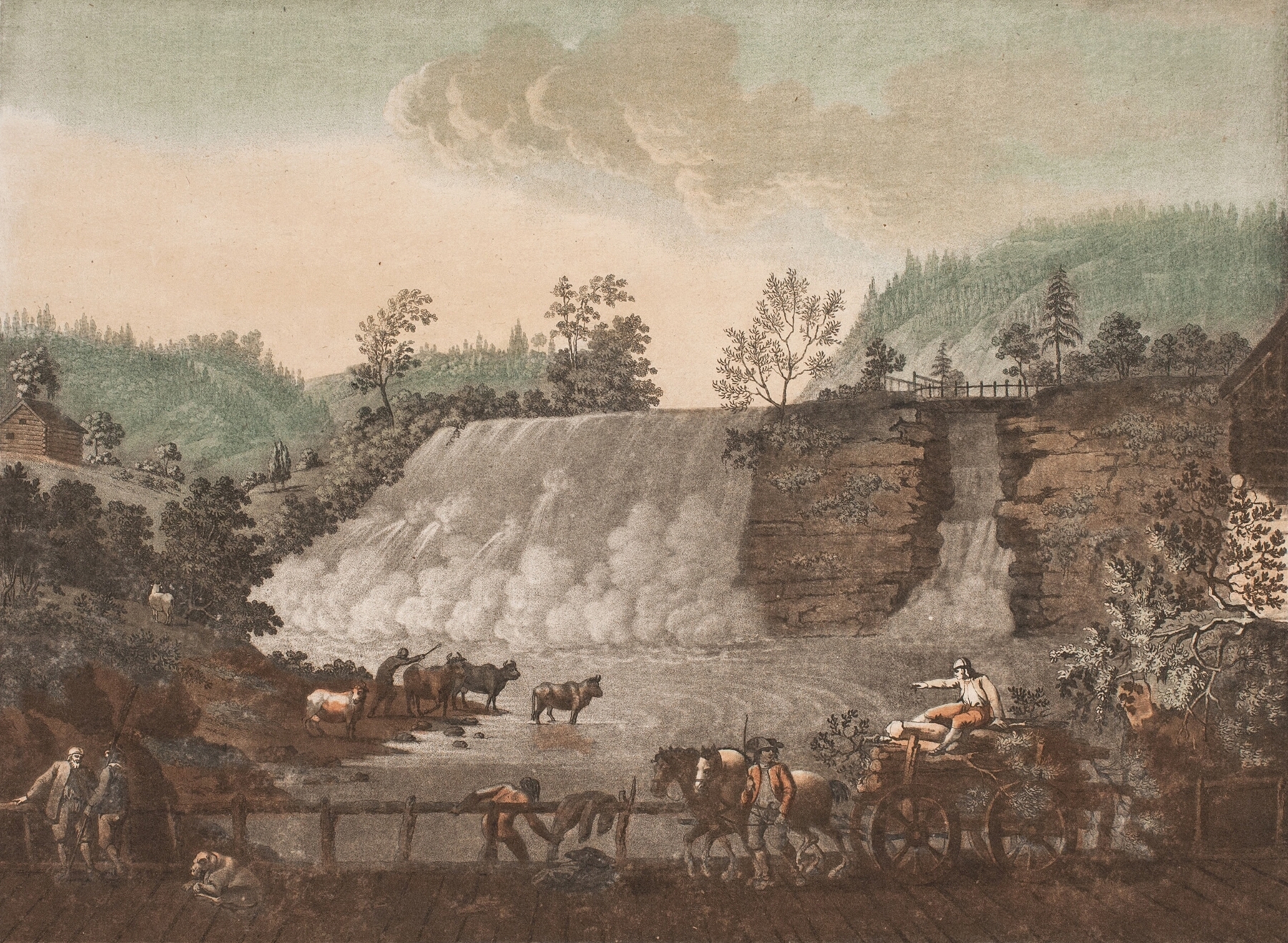
Vue d’une Place dans la ville de Bergen — History & Analysis
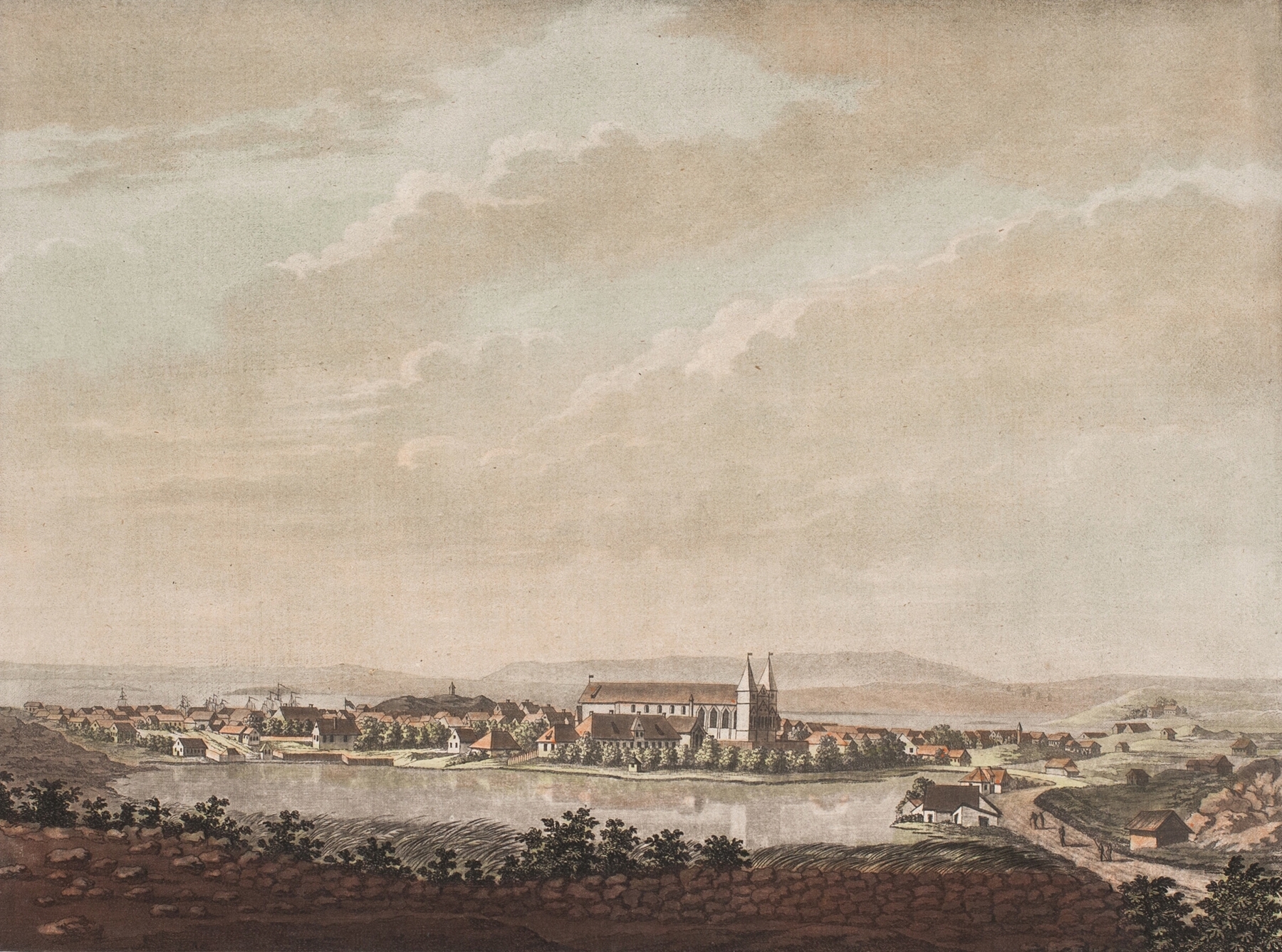
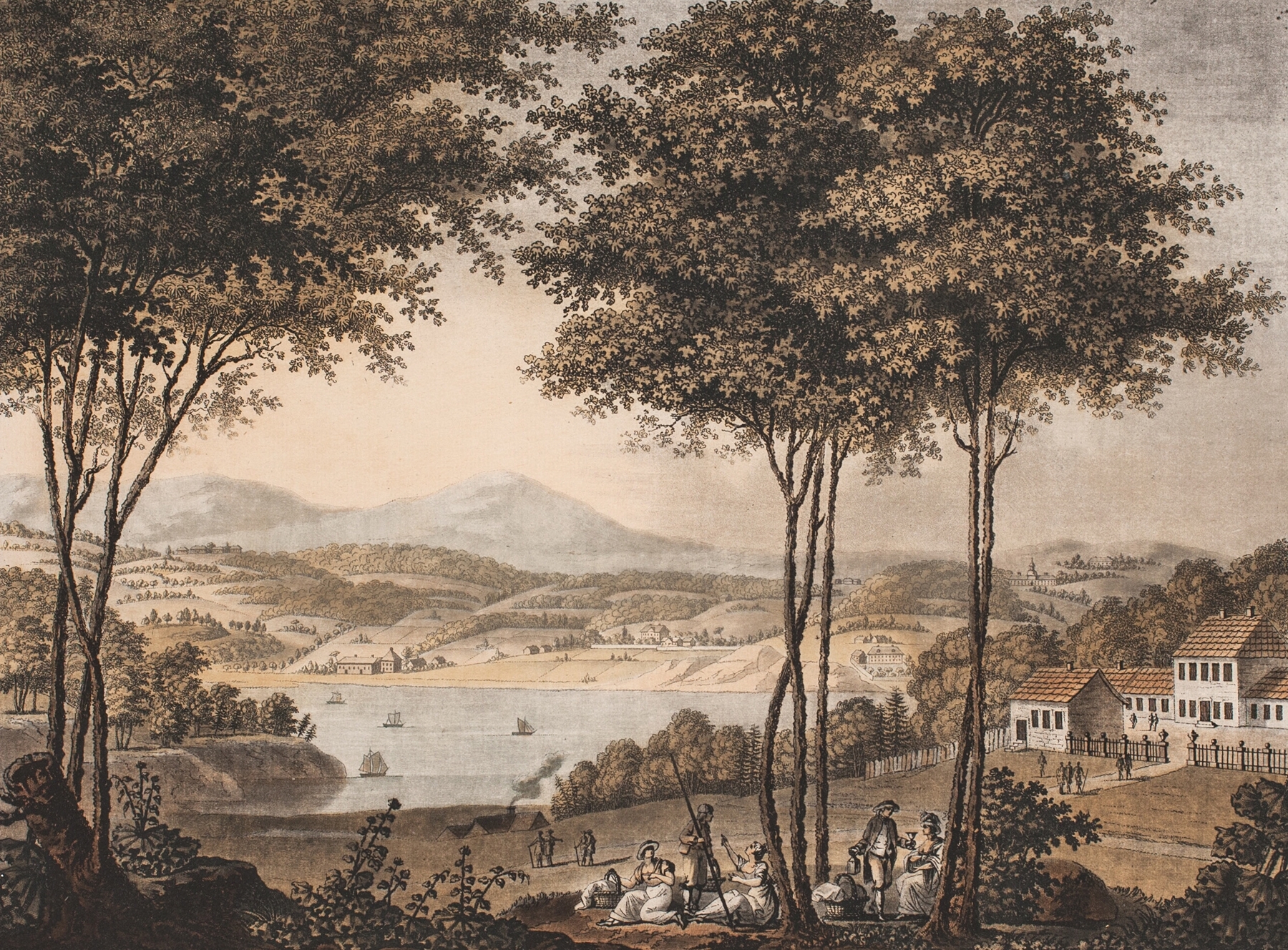
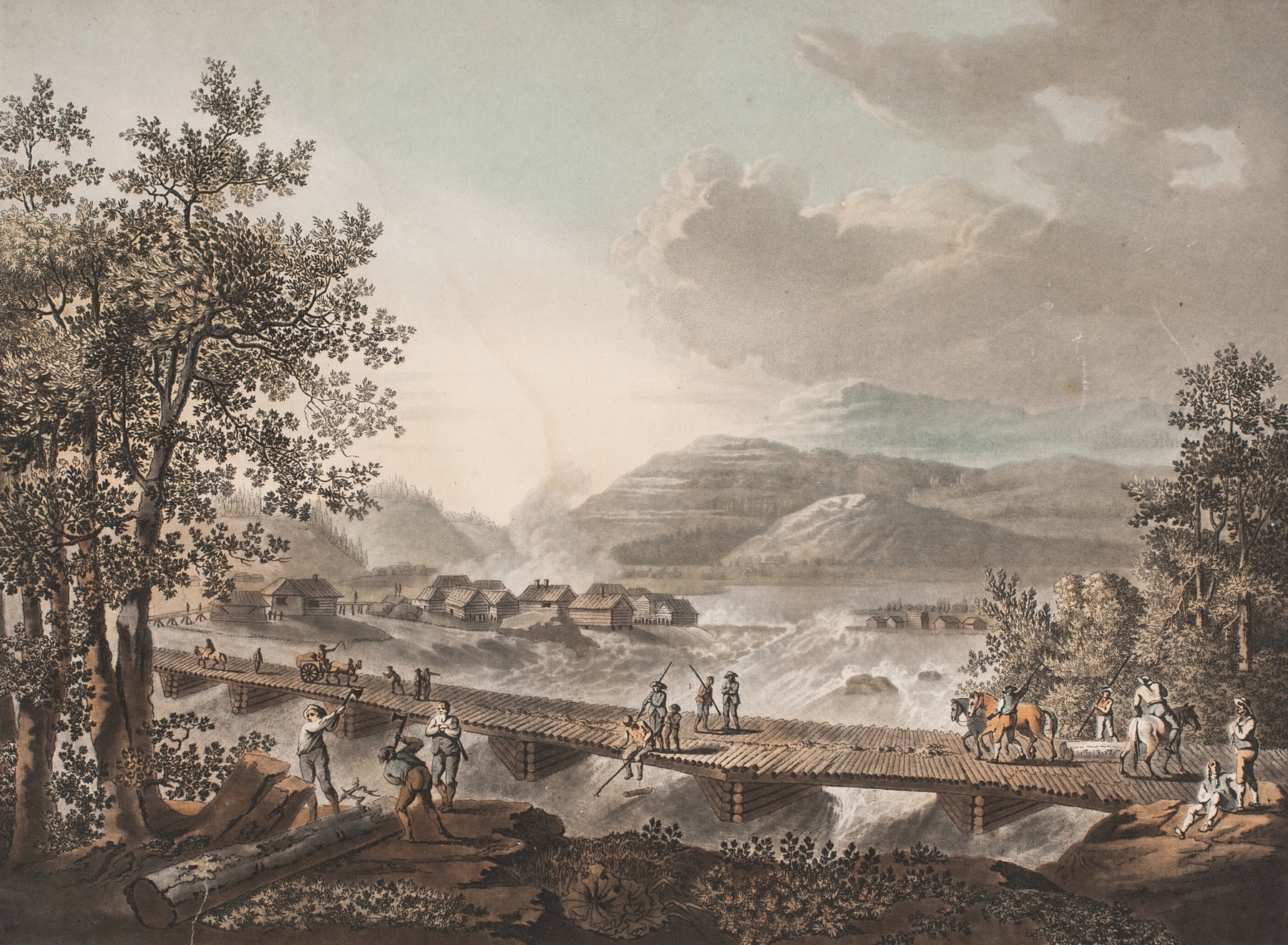
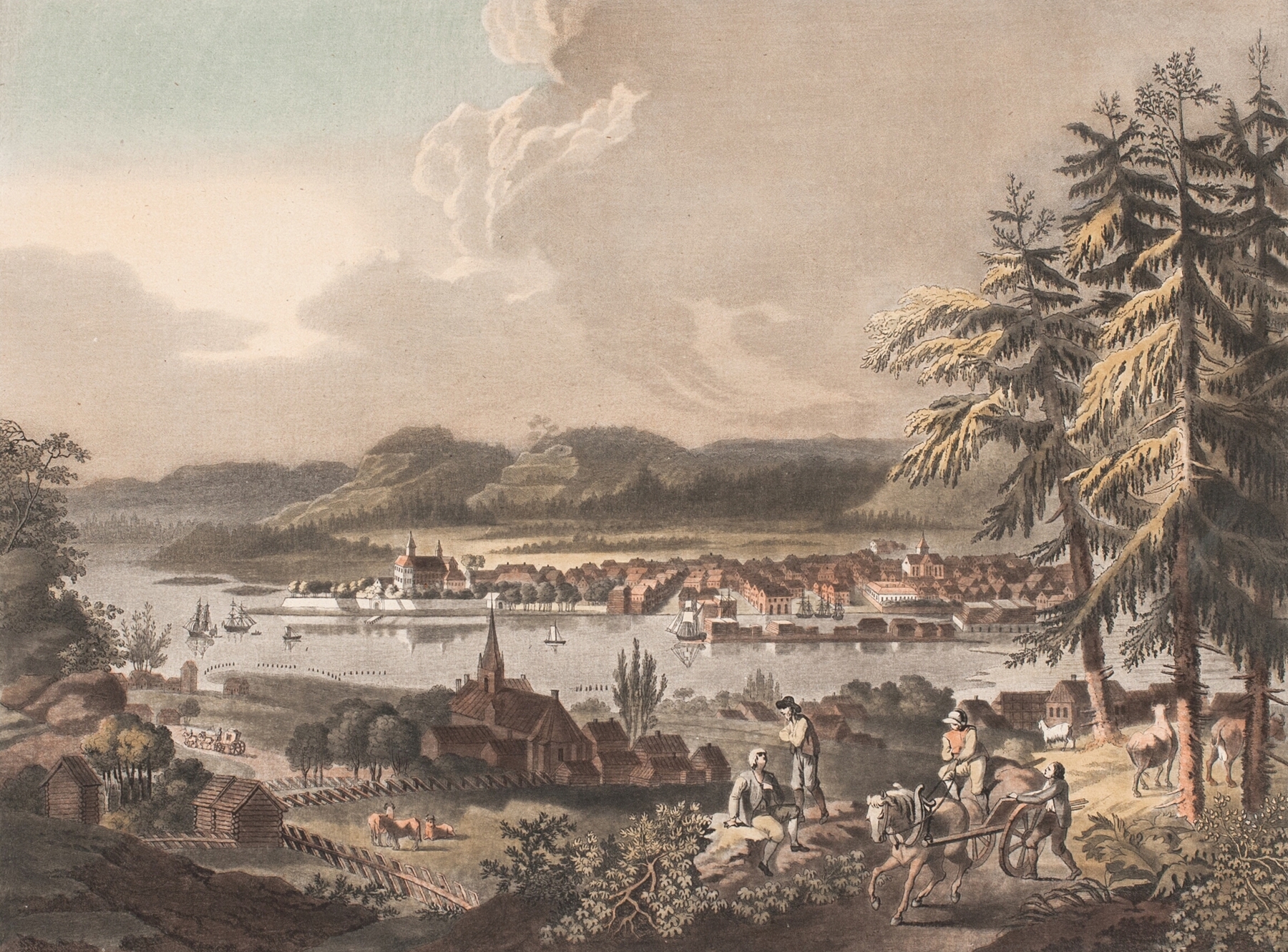
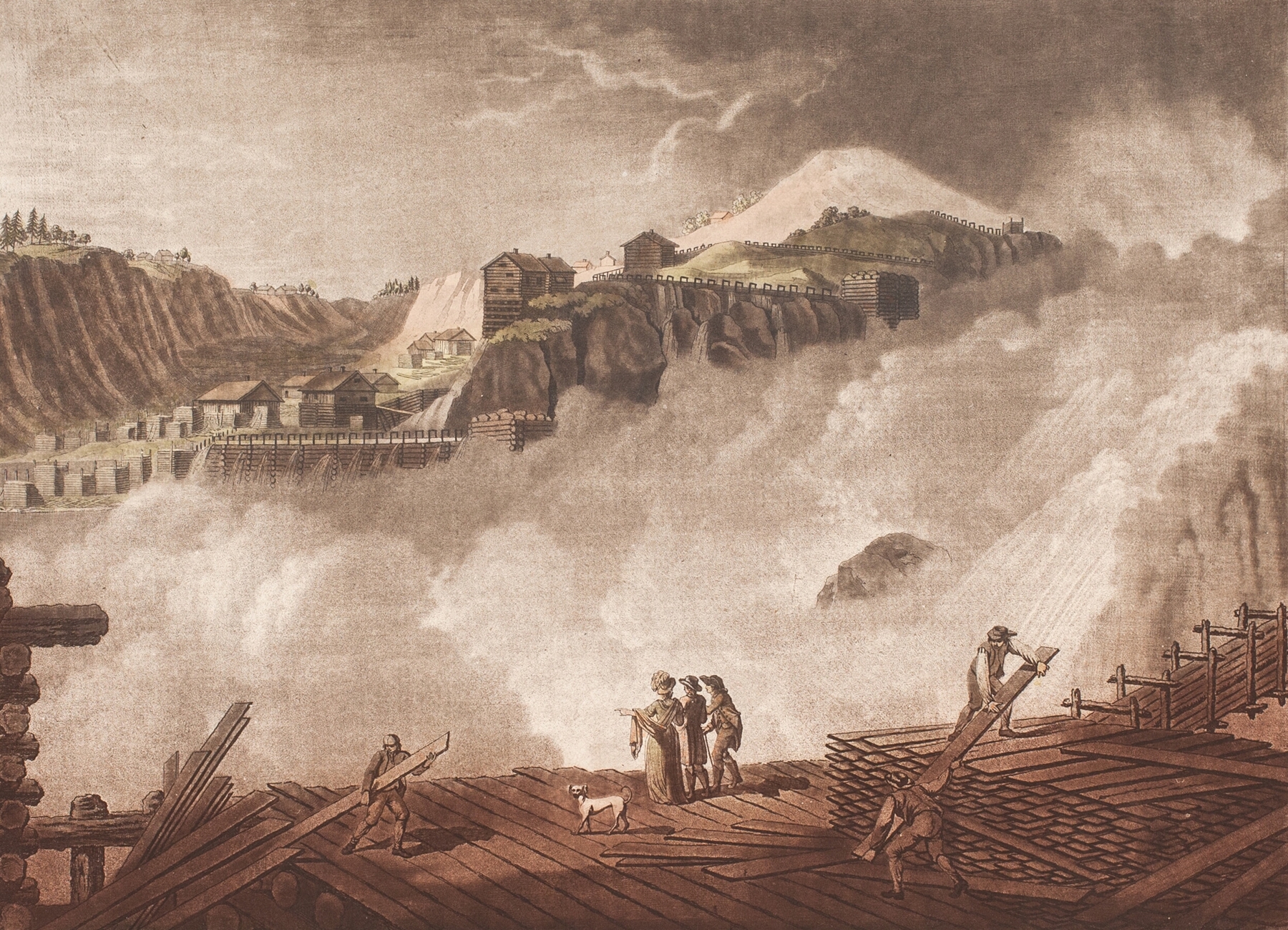
“Under the brush, chaos becomes grace.” In the stillness of Vue d’une Place dans la ville de Bergen, silence reigns, transforming the bustling life of the city into a serene tableau. Look to the center of the canvas; the intricate architecture of Bergen unfolds like a symphony, each building a note in the melody of urban life. Notice the delicate strokes that capture the soft play of light on the rooftops, illuminating their quaint facades. The muted palette of earthy tones and pastels invites contemplation, allowing the viewer's gaze to wander through the placid streets without haste.
Beneath the aesthetic beauty lies a deeper tension between stillness and motion. The absence of people suggests a moment frozen in time, almost as if the city holds its breath, anticipating life to stir. The shadows cast by the buildings hint at stories untold, echoing the solitude of a once-bustling square. Each detail, from the gentle curve of the street to the distant hills, invites a reflection on the ephemeral nature of urban existence.
Georg Haas painted this scene between 1787 and 1791, during a time when the Romantic movement was gaining prominence in Europe. Living in Norway, he sought to capture the essence of his surroundings—an interplay of nature and architecture against the backdrop of a rapidly changing world. His work reflects both personal introspection and the broader artistic shift towards valuing emotion and individual perspective in the face of modernization.