Walchensee in Winter — History & Analysis
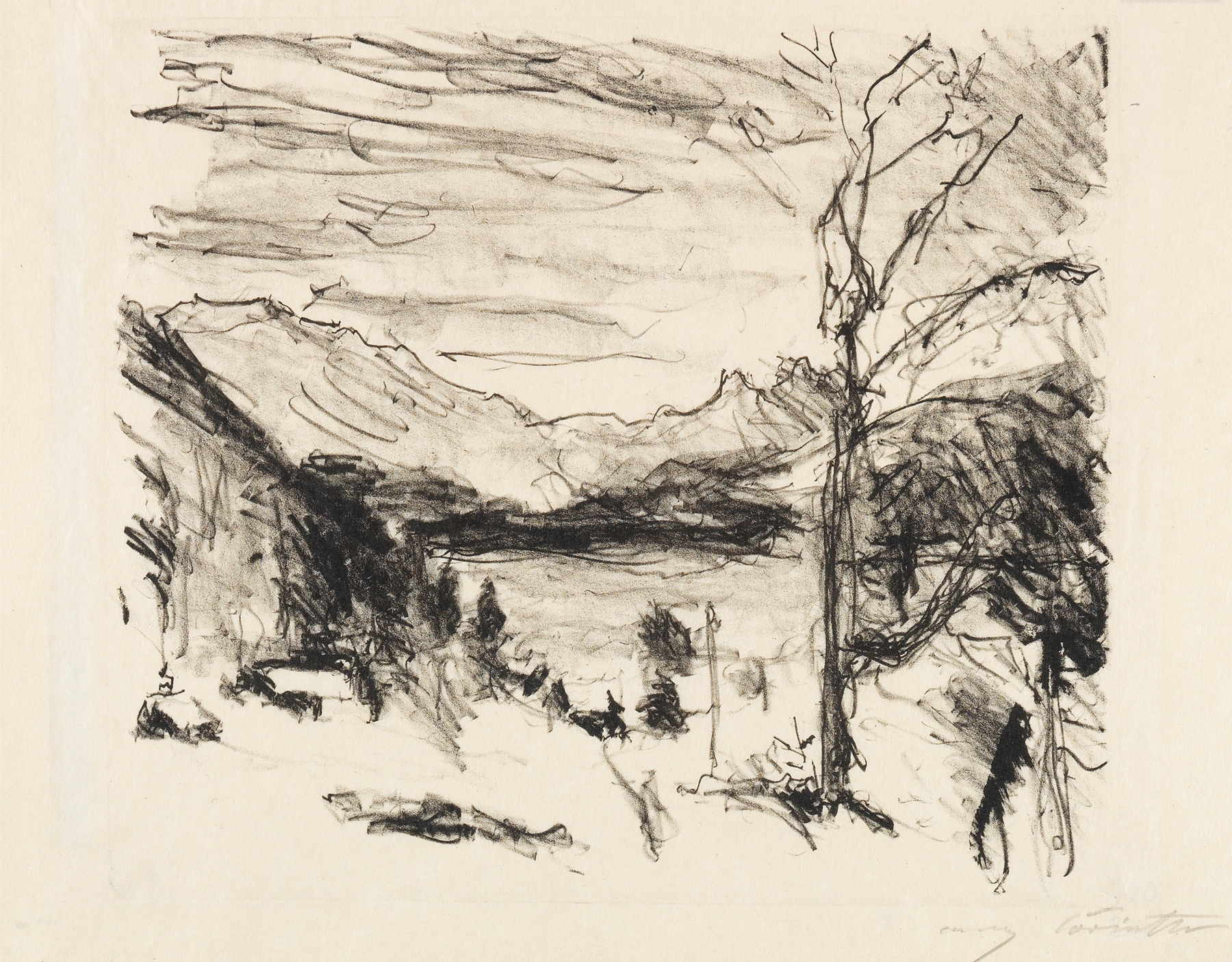
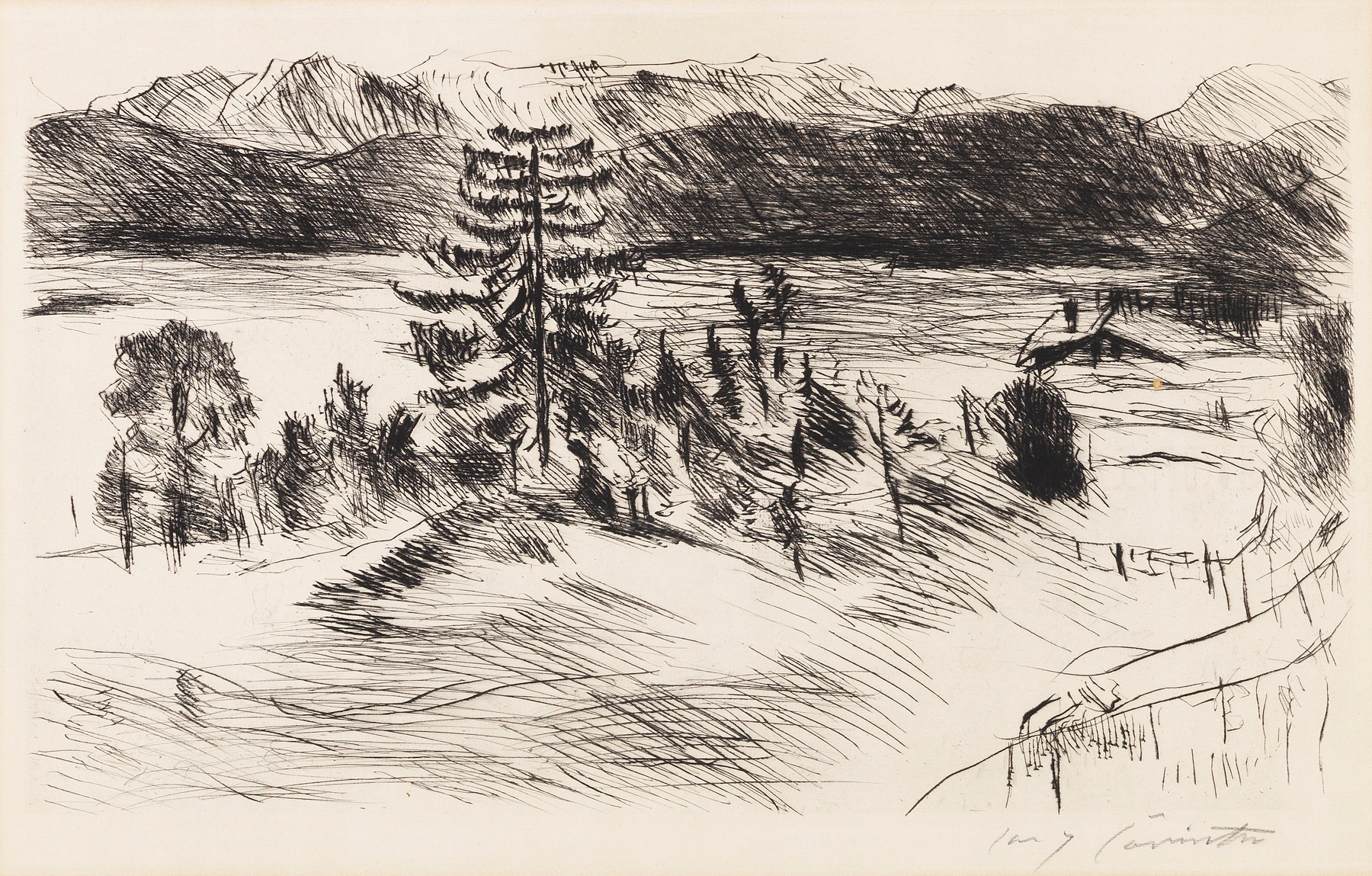
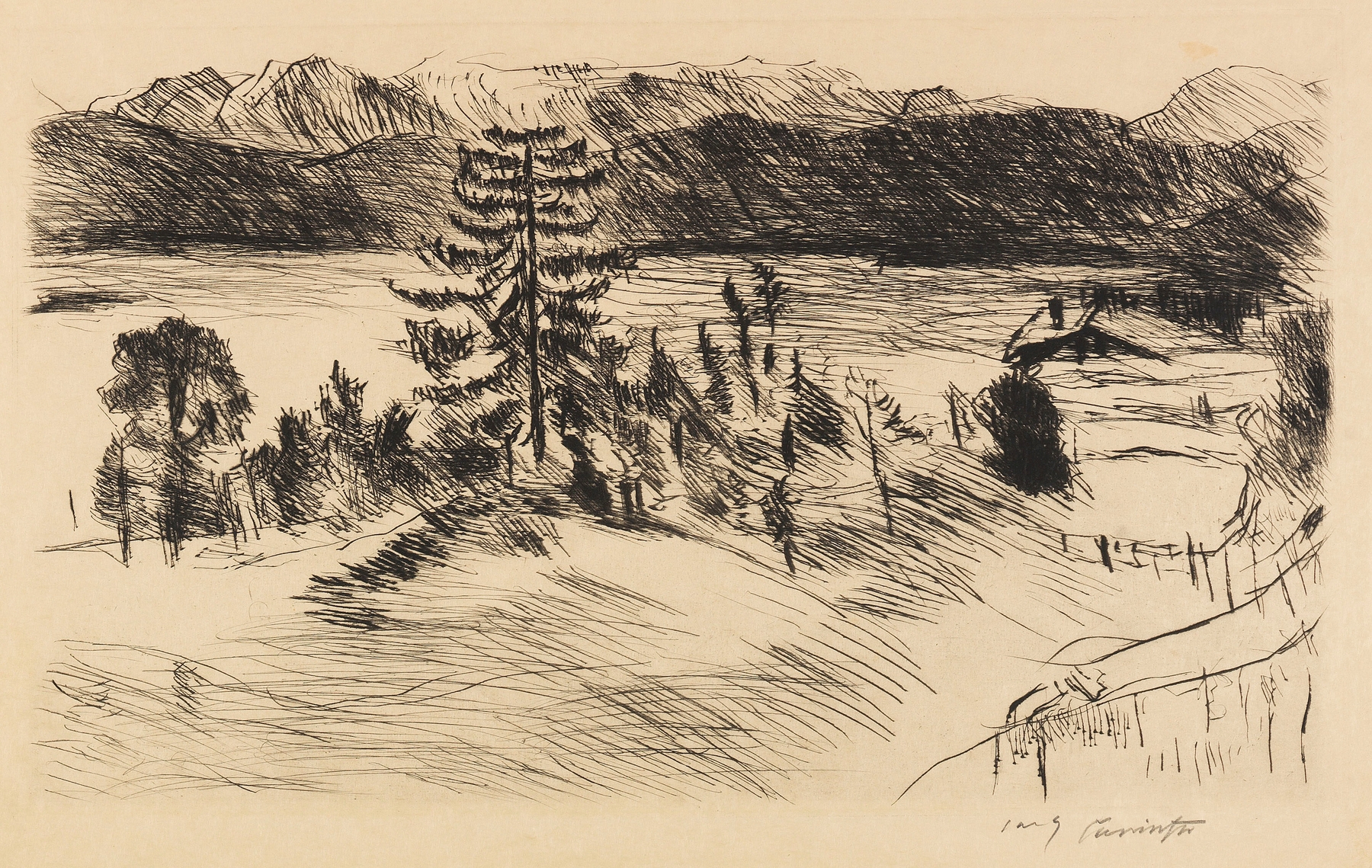
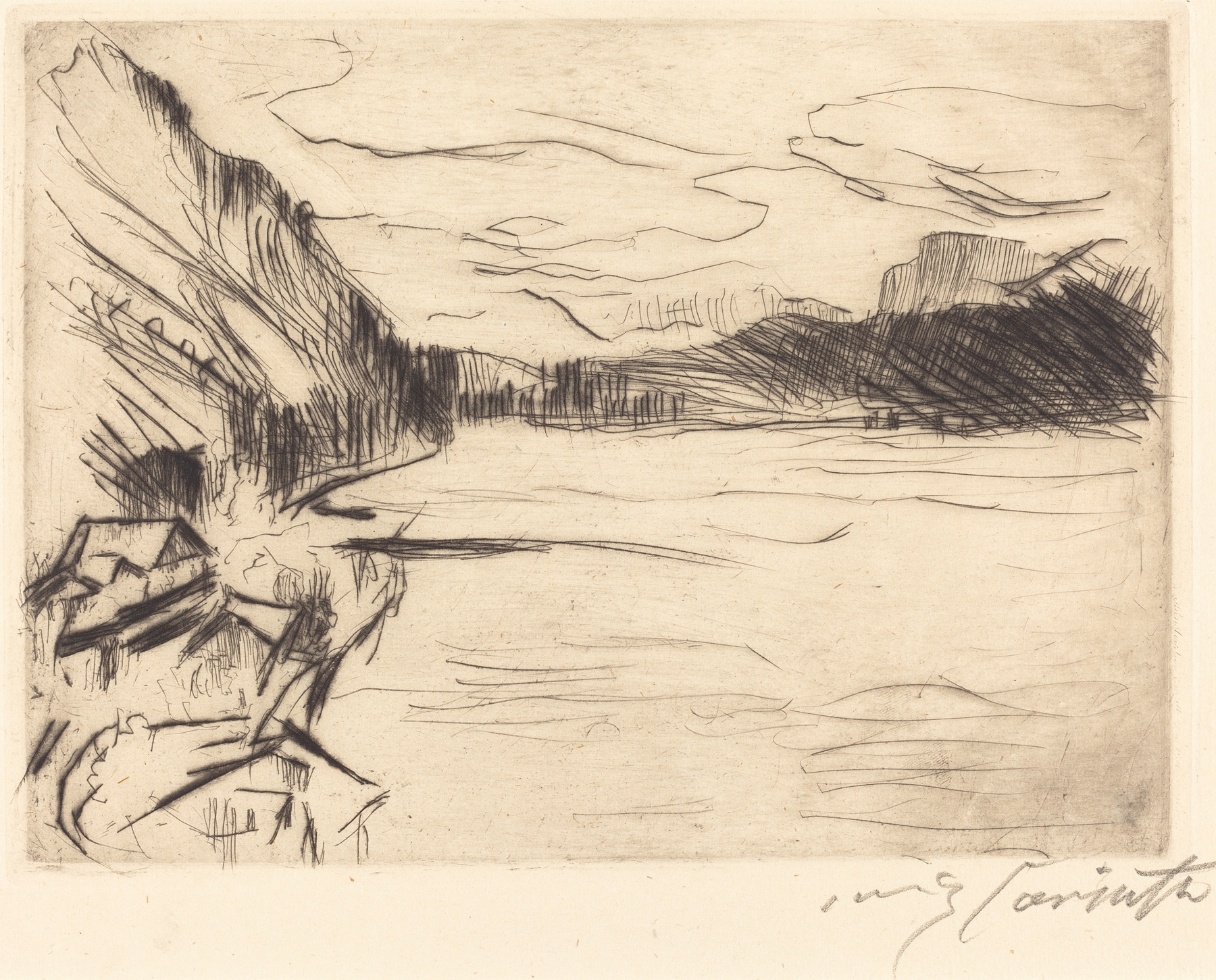
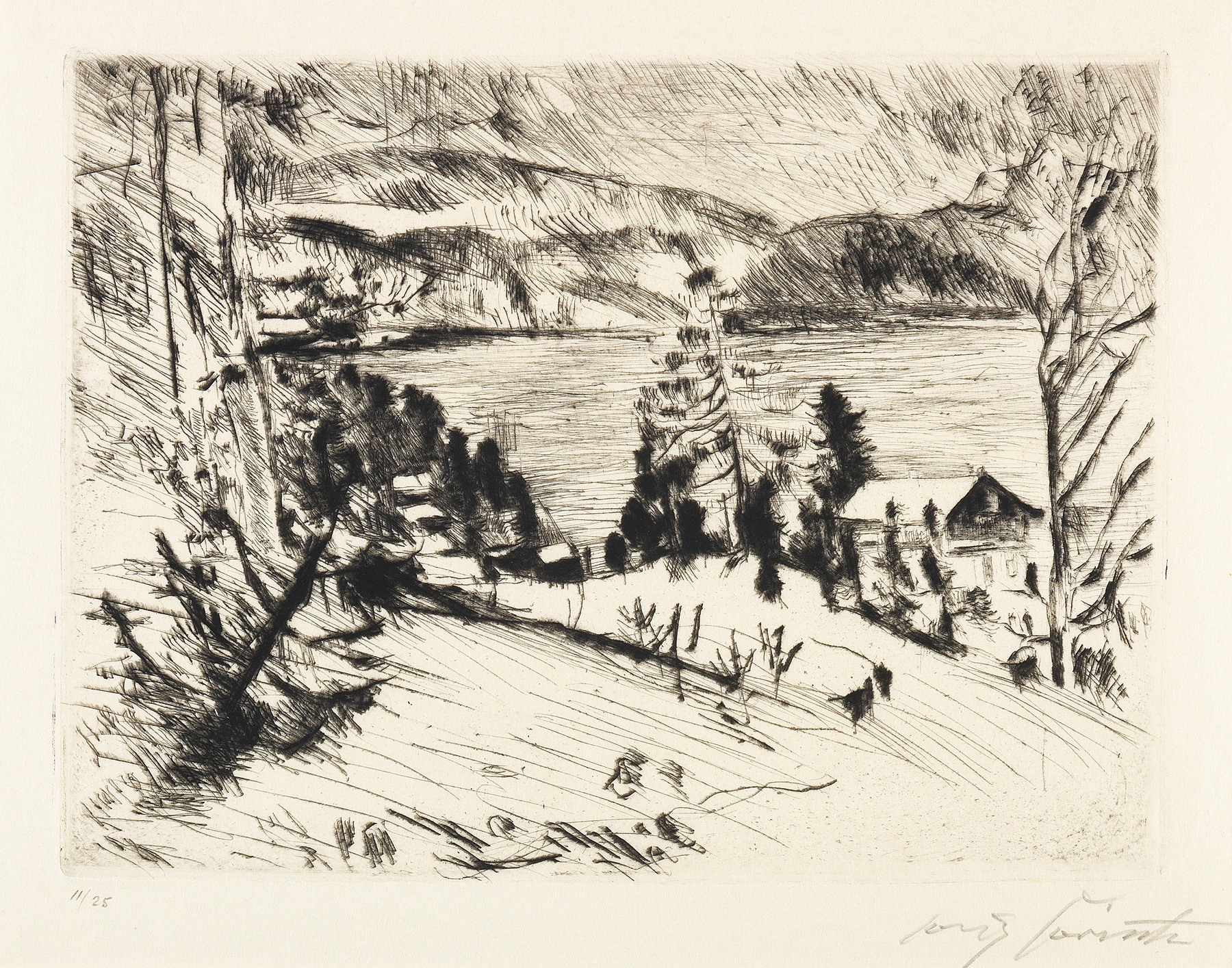
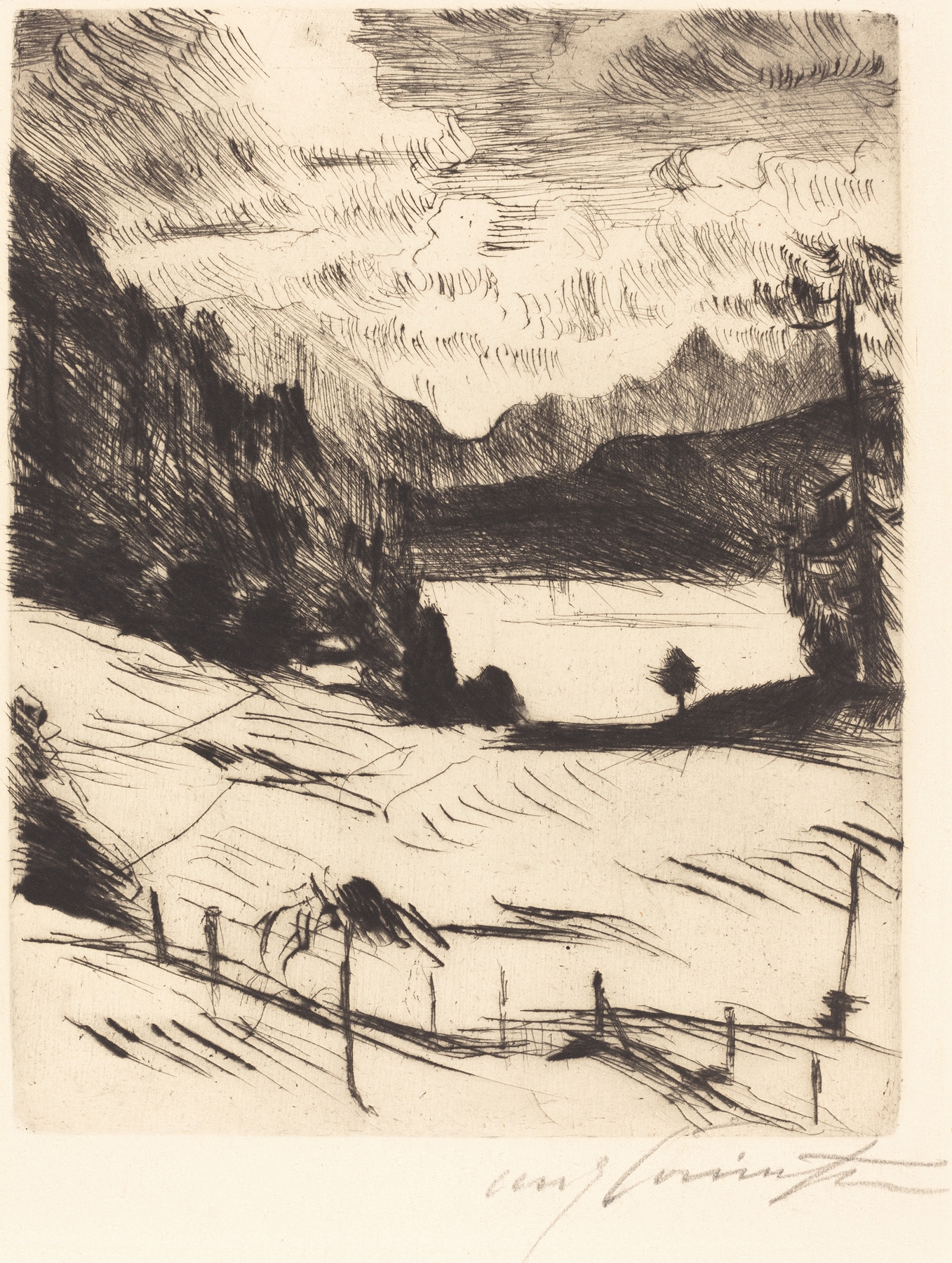
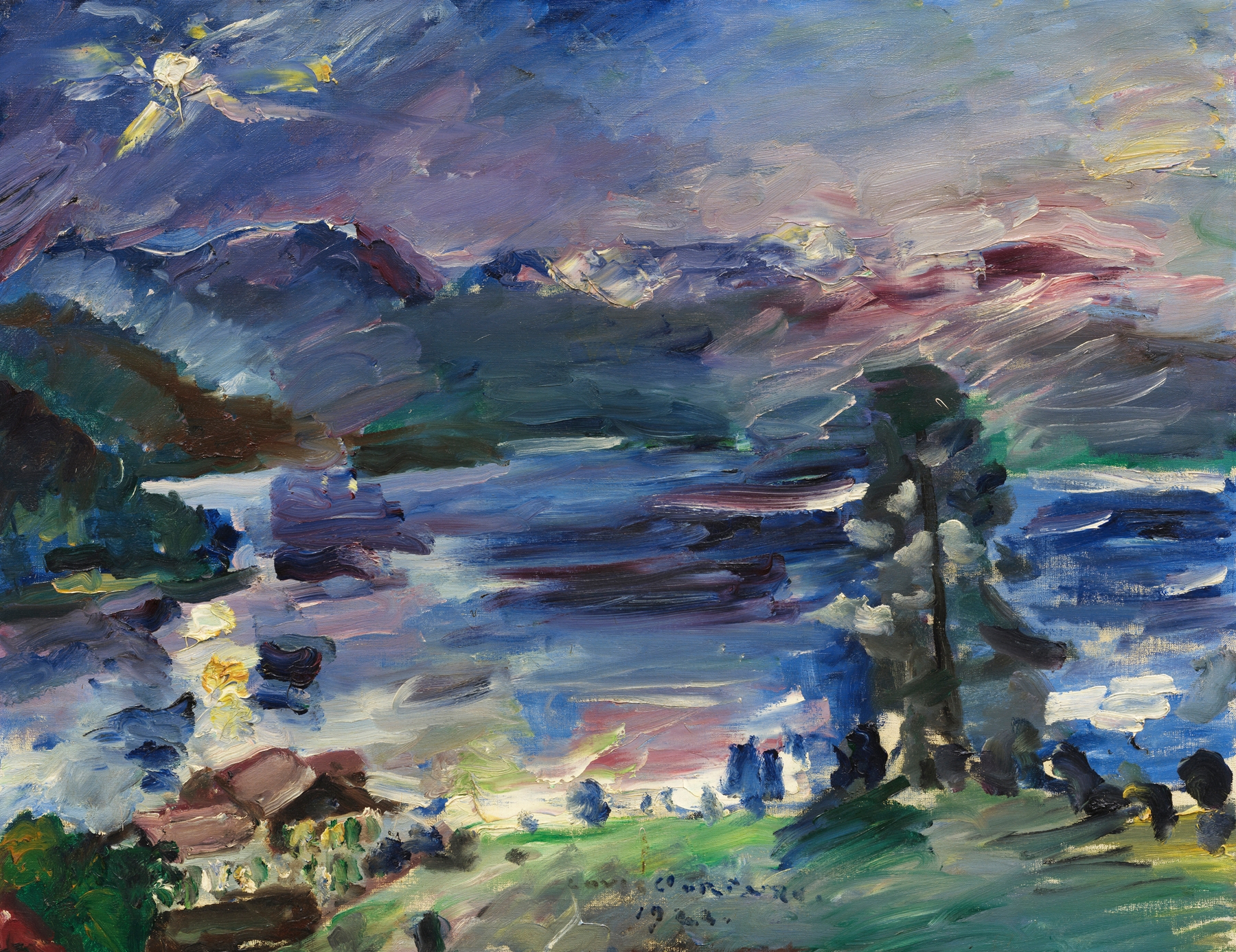
When did color learn to lie? A canvas can capture the essence of memory, yet twist it into a dreamscape that feels both familiar and foreign. Look to the icy expanse at the center, where shades of blue and white blend in a harmonious dance. Notice how the light plays across the surface, illuminating the delicate texture of the snow, while shadows creep along the banks.
Corinth’s brushstrokes invite you to explore the depth of the scene, expertly contrasting the crisp, cold whites with muted earth tones in the foreground. The interplay of color creates a tranquil yet haunting atmosphere, evoking a sense of longing and introspection. As you delve deeper, consider the distant mountains, their silhouettes softened by a wintry mist, blurring the line between reality and memory. This painting is not just a representation of a moment in time; it reflects the emotional weight of nostalgia, suggesting a past that is simultaneously cherished and elusive.
The juxtaposition of the serene landscape and the hint of solitude prompts contemplation on our own experiences with time and nature. In 1923, the artist was living in Germany, a country grappling with the aftermath of World War I. Amidst a turbulent cultural landscape, Corinth sought solace in the natural world, exploring themes of beauty and memory in his work. Walchensee in Winter is a testament to his ability to evoke emotion through landscape, as he transformed a personal connection to a serene winter scene into a universal exploration of longing and reflection.