Walchensee Landscape — History & Analysis
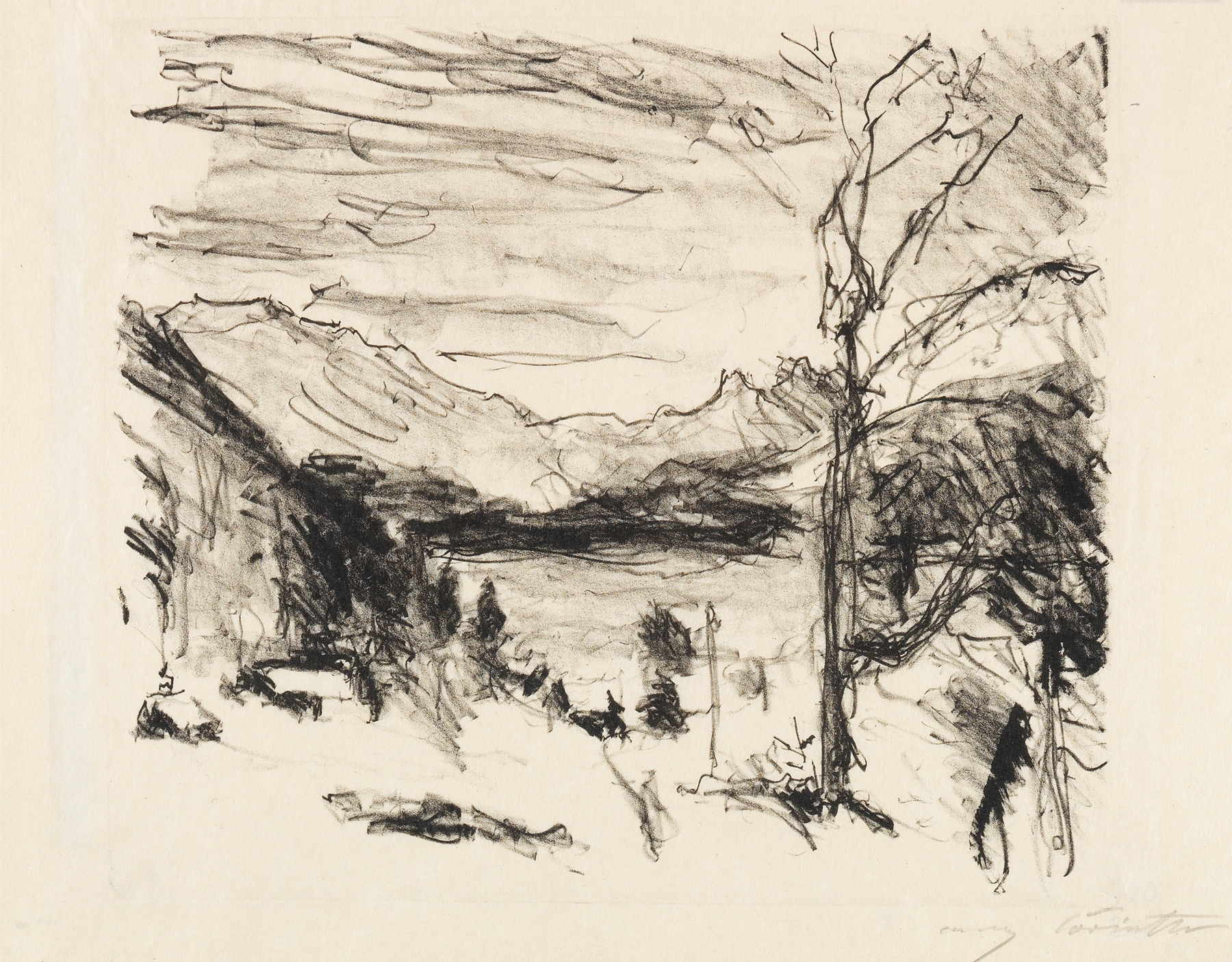
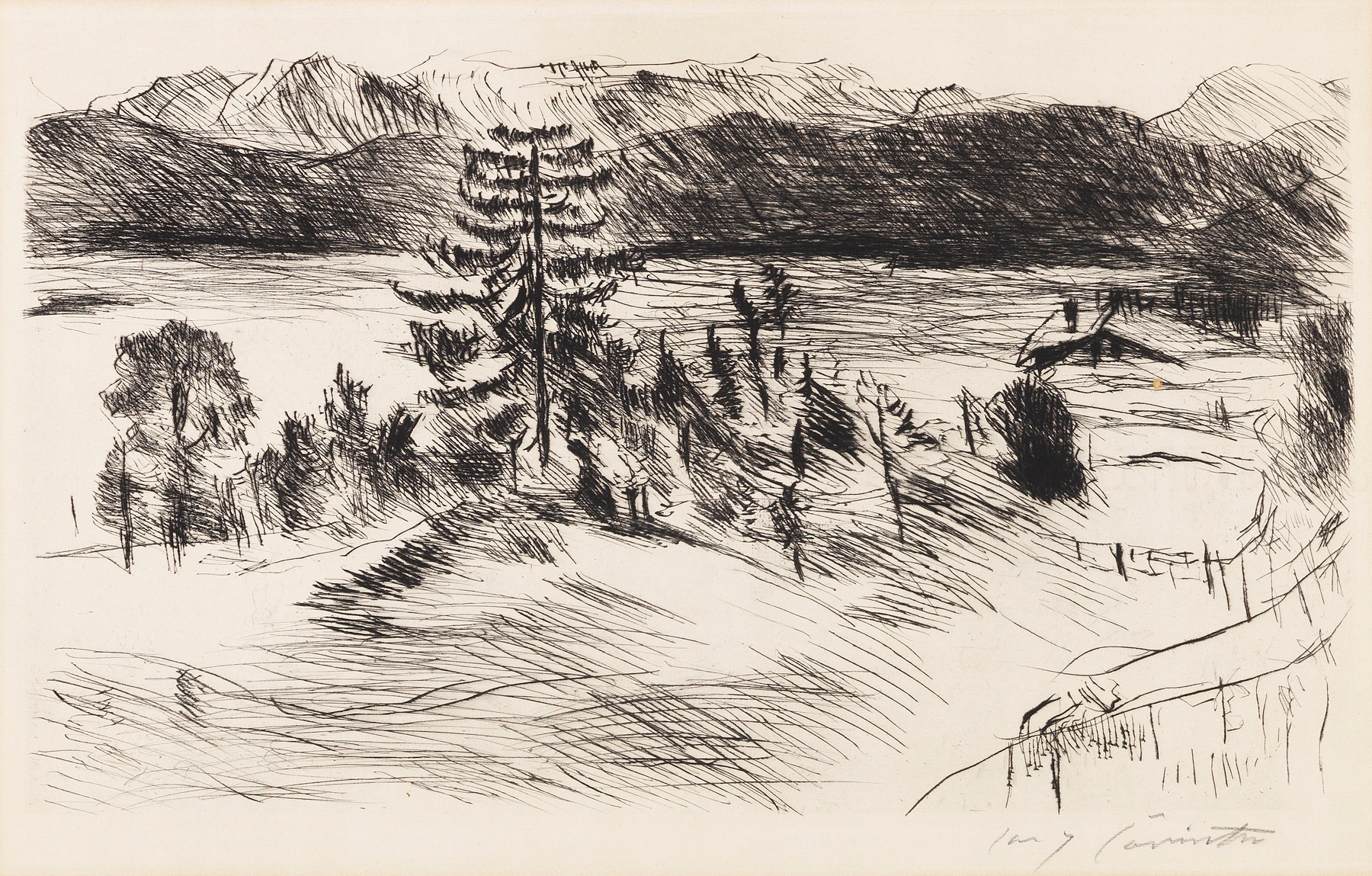
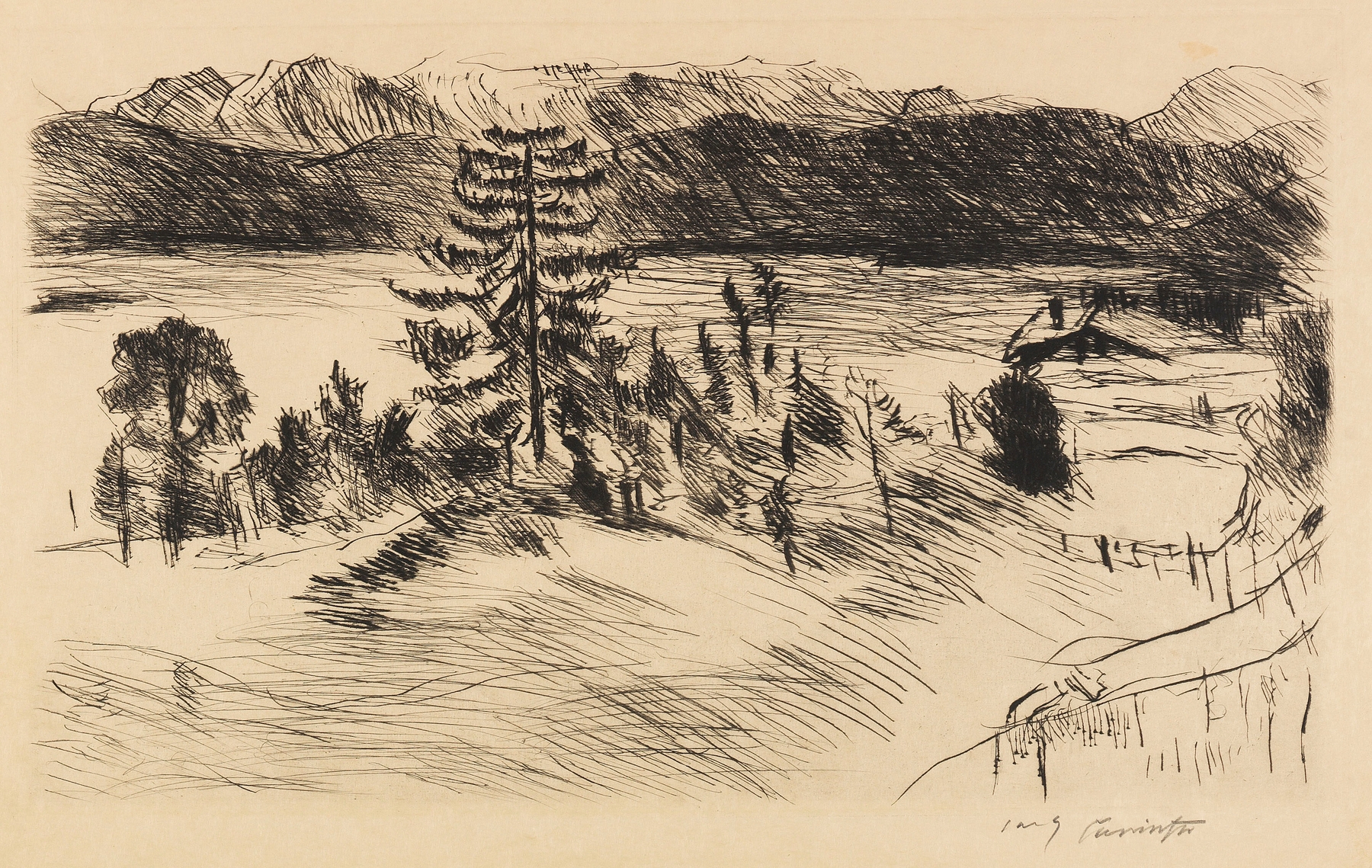
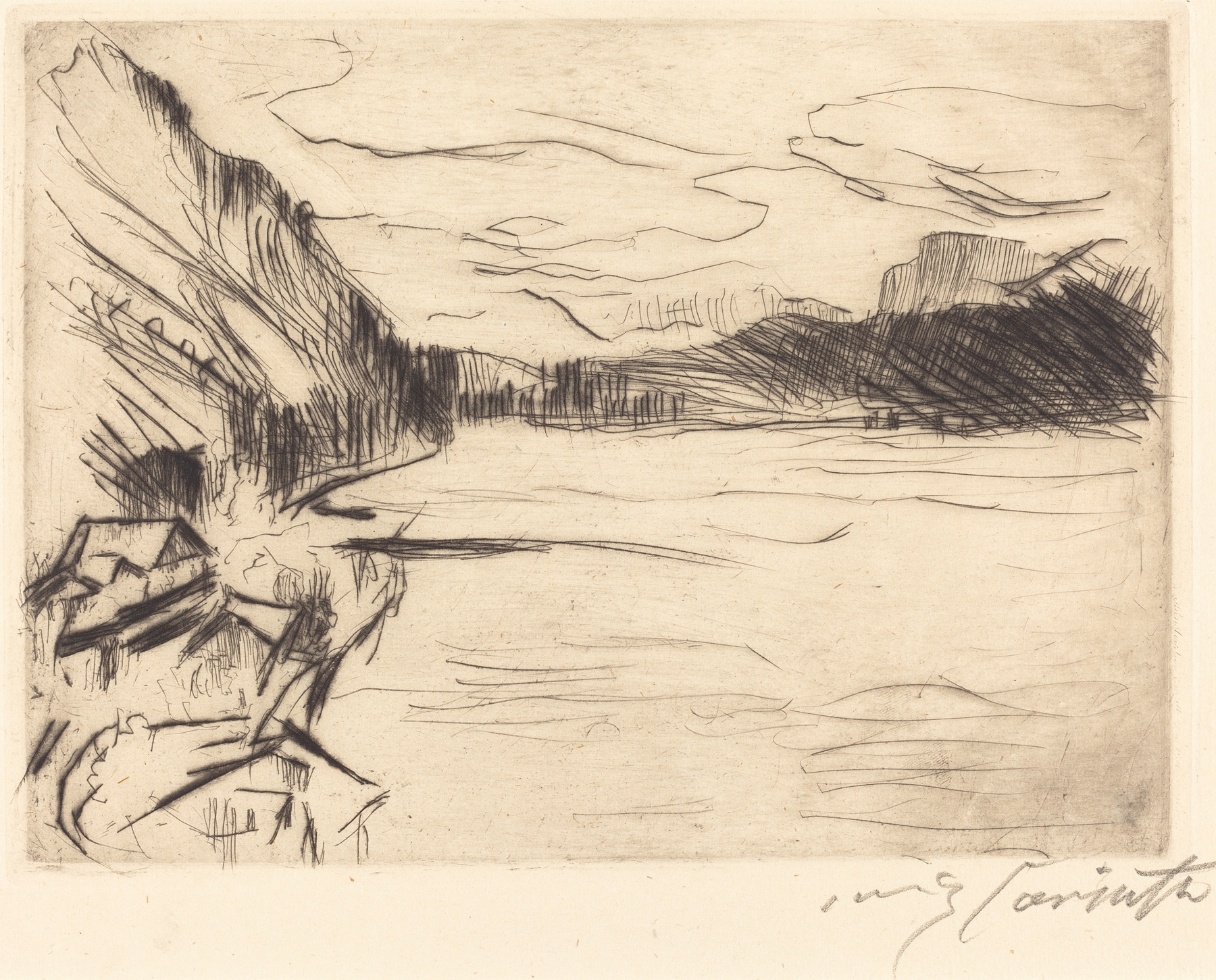
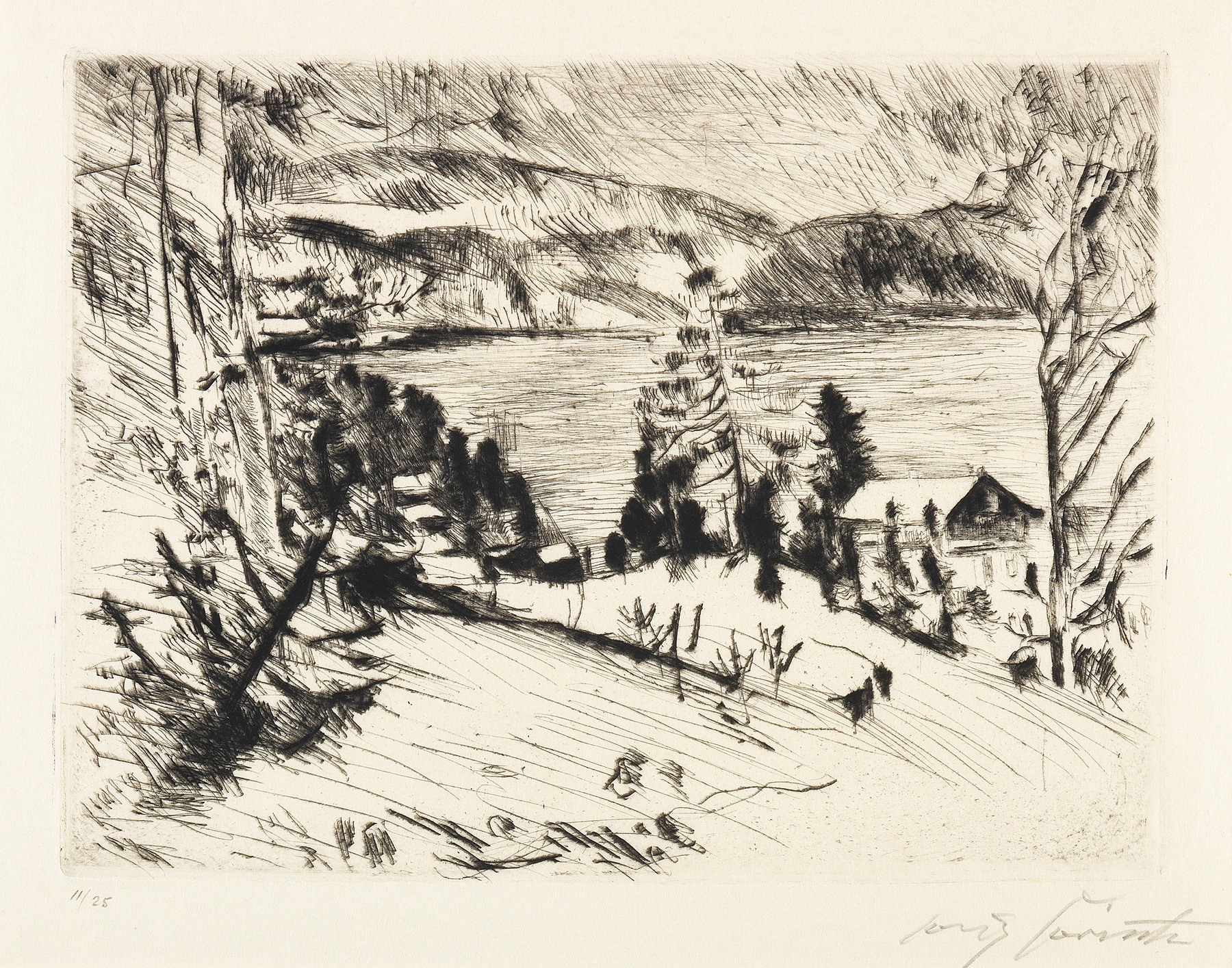
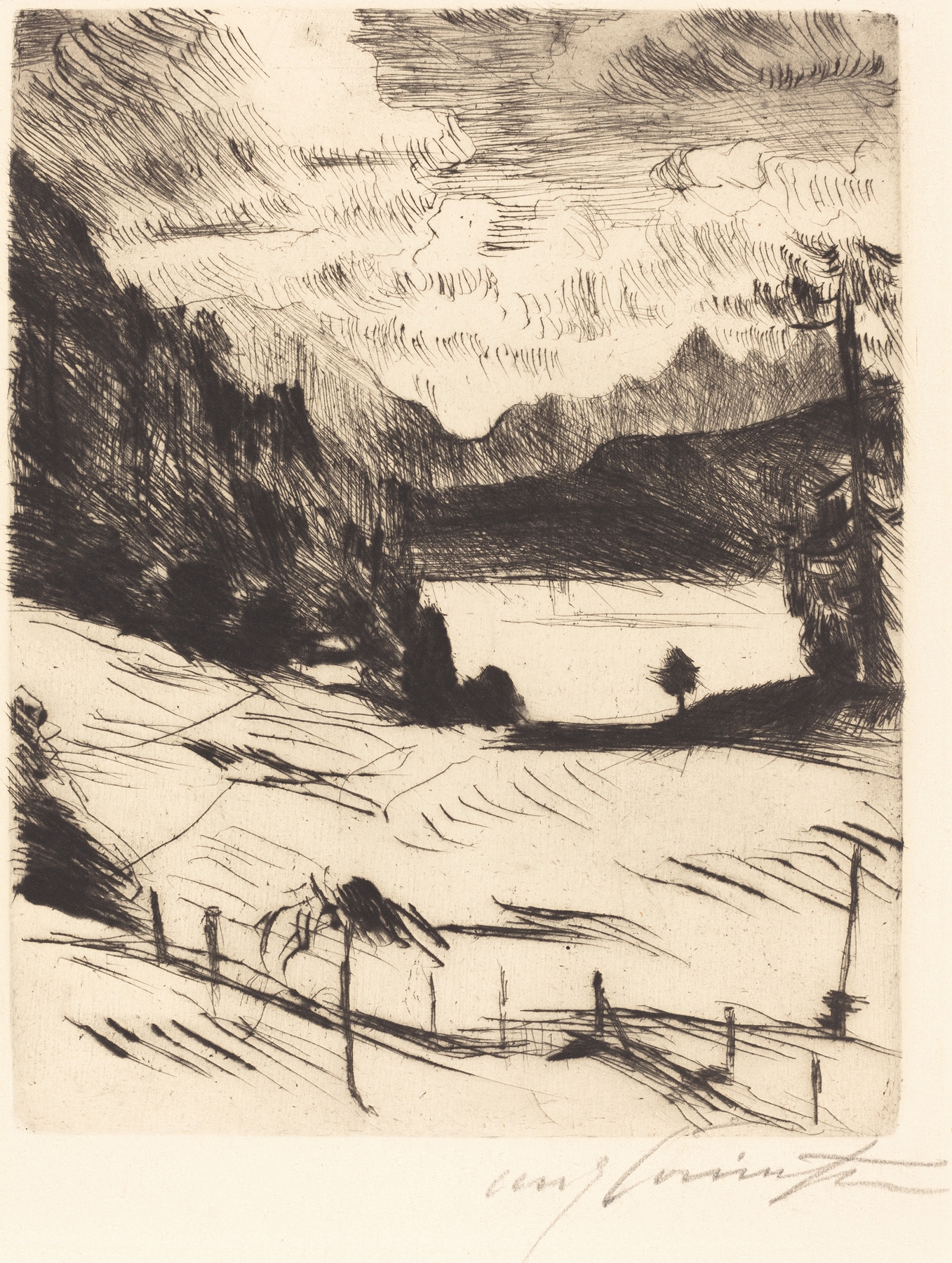
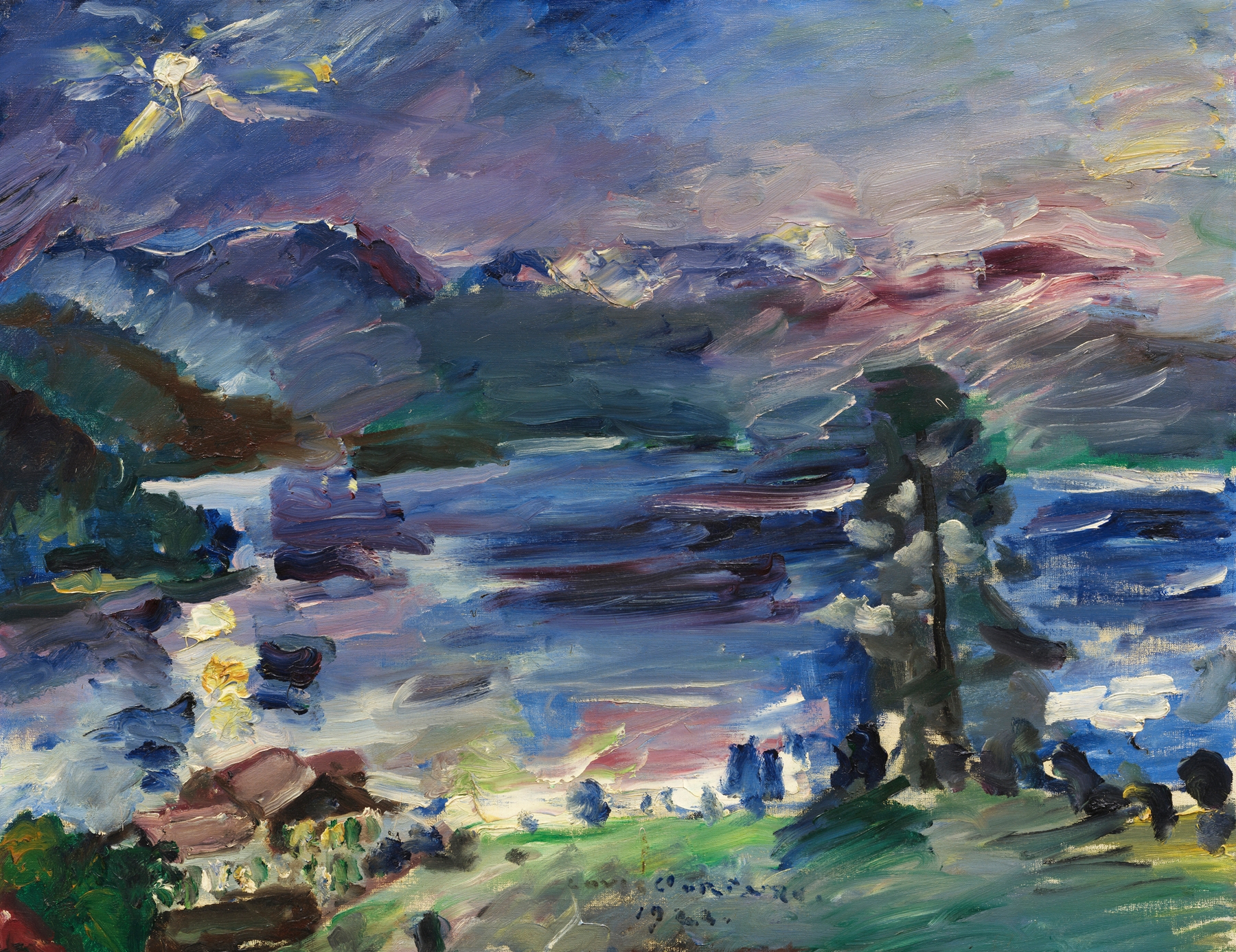
“Sometimes beauty is just pain, disguised in gold.” This sentiment echoes within the serene yet turbulent vistas painted by Lovis Corinth, where nature reveals its duality through shimmering reflections and shadowed depths. Look to the left at the gentle curves of the hills, their emerald greens contrasted by the silver glint of the water. This interplay of light captures a moment suspended in time, where the tranquil surface mirrors the turbulent sky, hinting at the emotional undercurrents swirling beneath. The brushwork is dynamic, pulsating with a vibrant energy that feels both relaxing and unsettling, drawing the viewer into a dialogue with the scenery.
Amidst the lush landscape, the stark contrasts speak volumes. Notice how the warm, golden hues of the setting sun battle with the cool, brooding blues above; they create an emotional tension that suggests an impending storm. The reflections in the water hold not just the beauty of the sky but also secrets of hidden depths, inviting contemplation of what lies beneath the surface—a metaphor for the artist's own struggles with health and the tumult of the world around him.
In 1919, Corinth found himself in a post-war Germany grappling with loss and regeneration. Painting Walchensee Landscape during this tumultuous time, he expressed his inner turmoil through the lens of nature, using the idyllic scenery of Bavaria as a canvas for his emotional resonance. The world of art was evolving rapidly, yet Corinth's work remained rooted in the tension between beauty and melancholy, reflecting his complex artistry amid turmoil and change.