Walchensee with Jochberg — History & Analysis
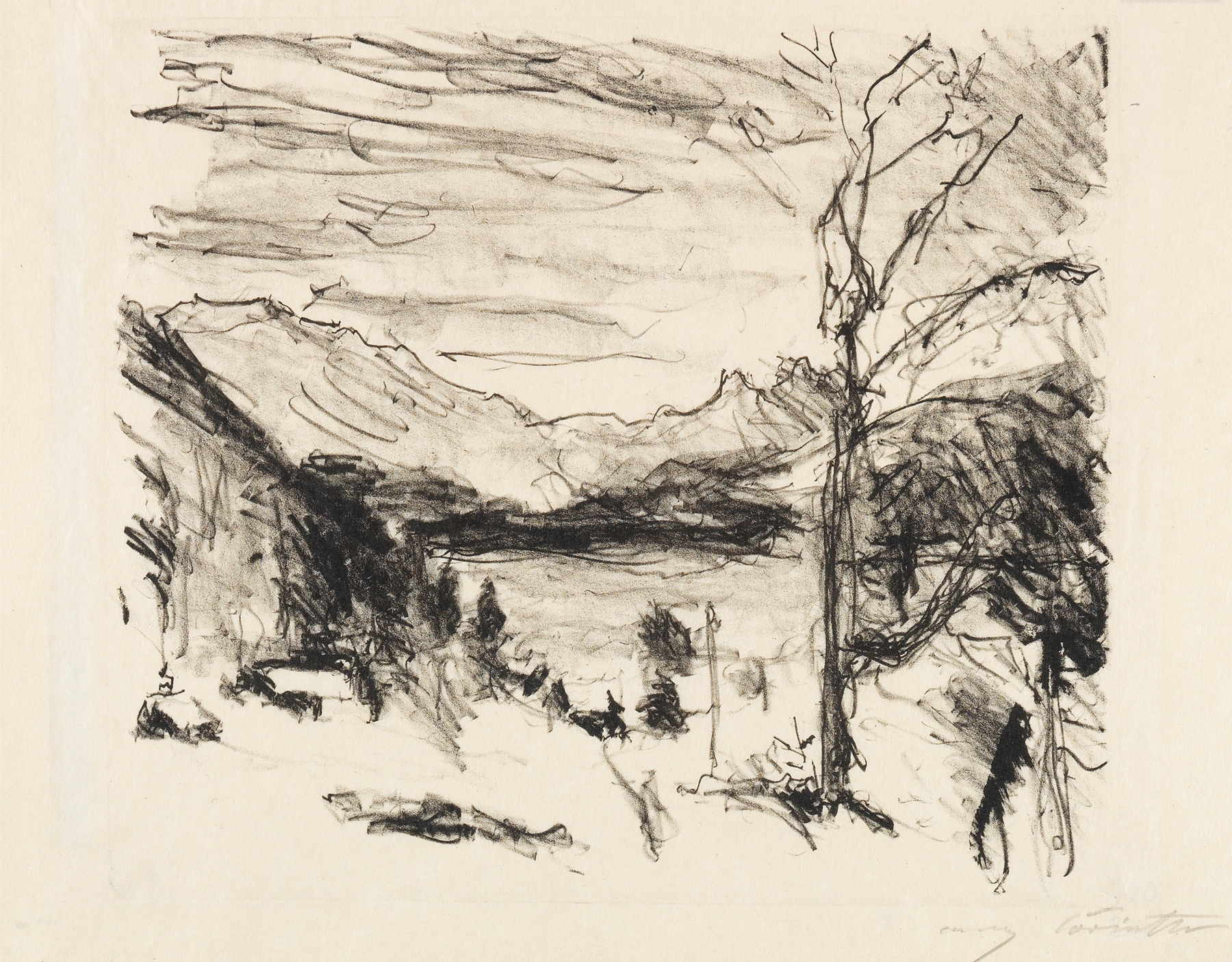
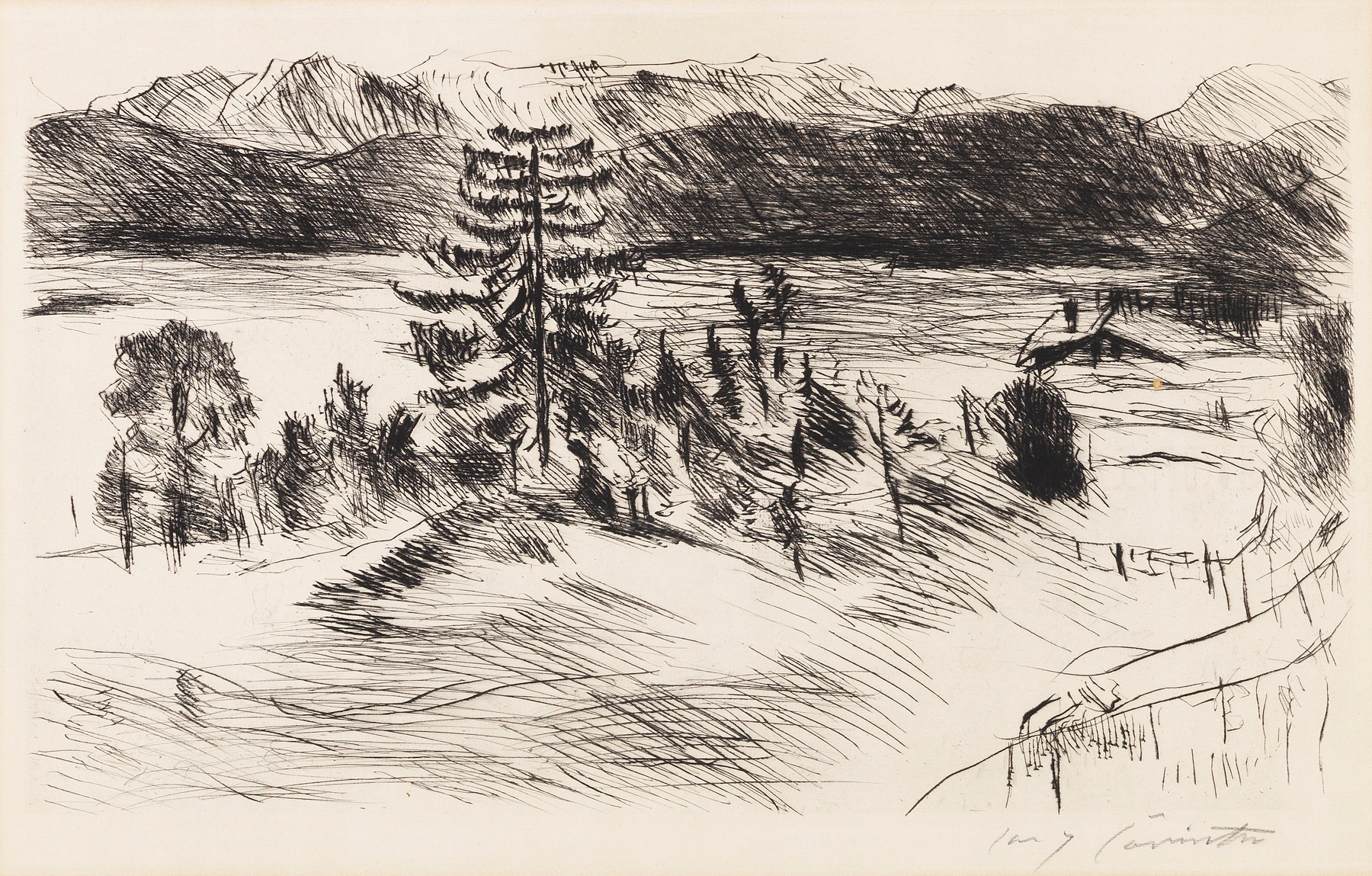
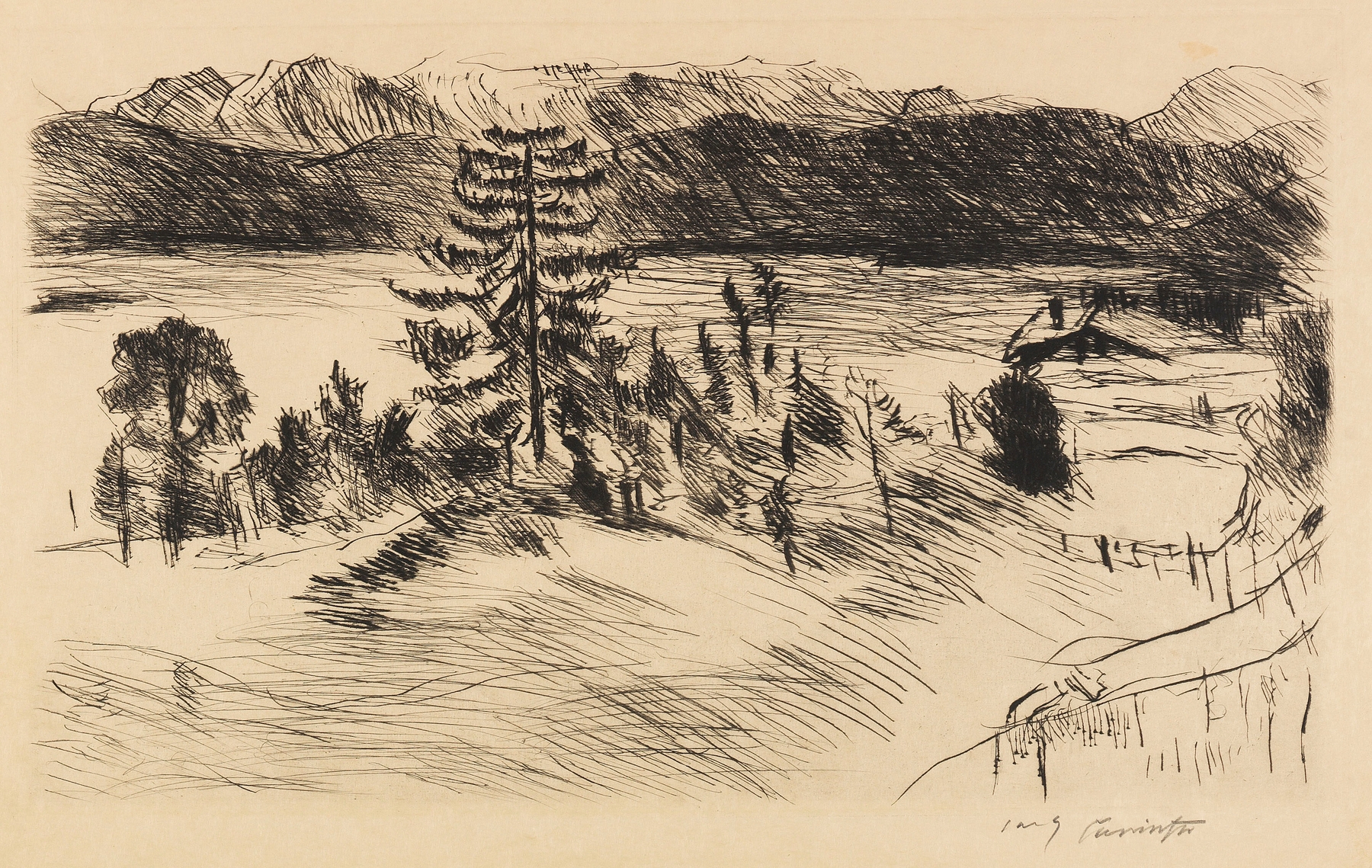
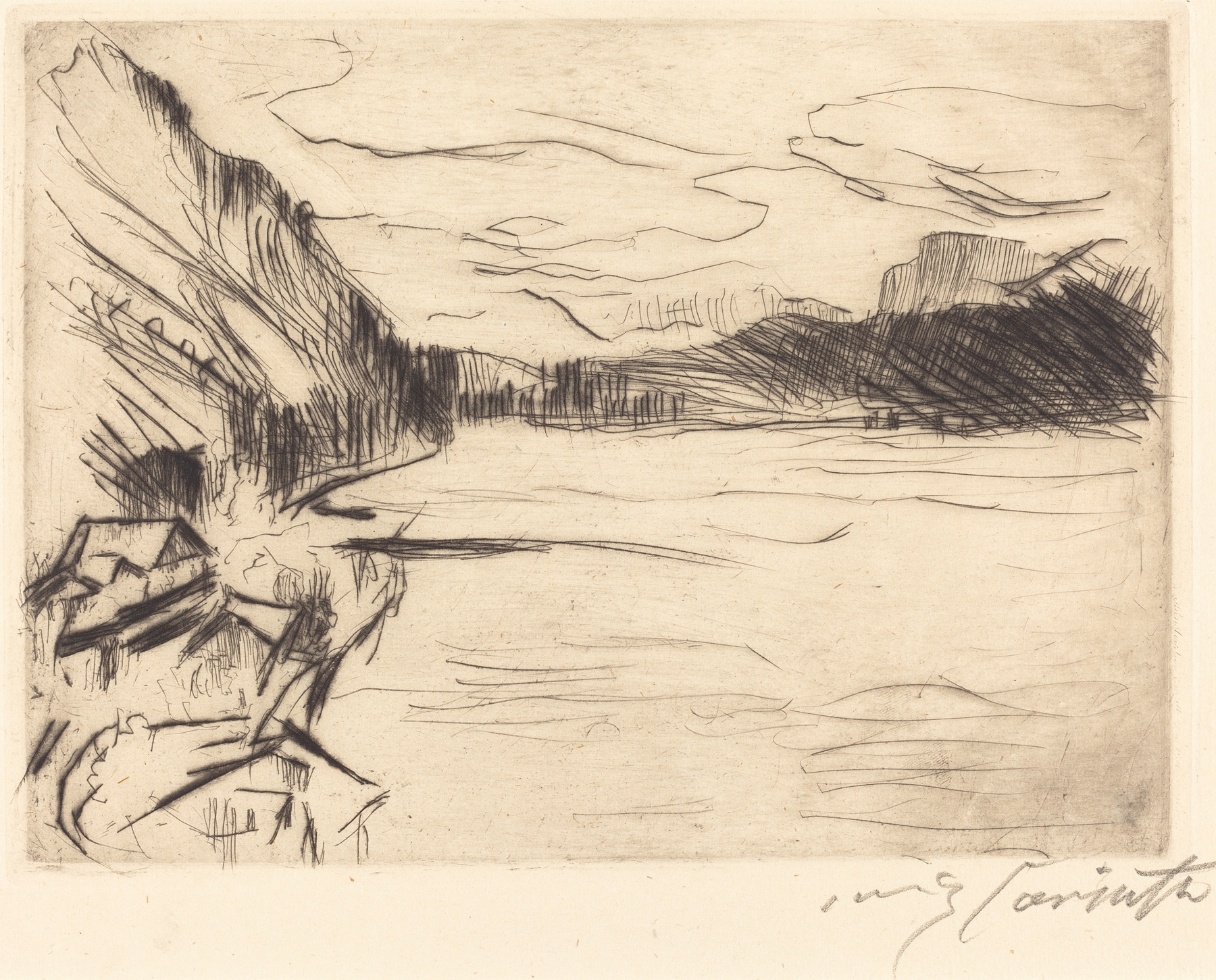
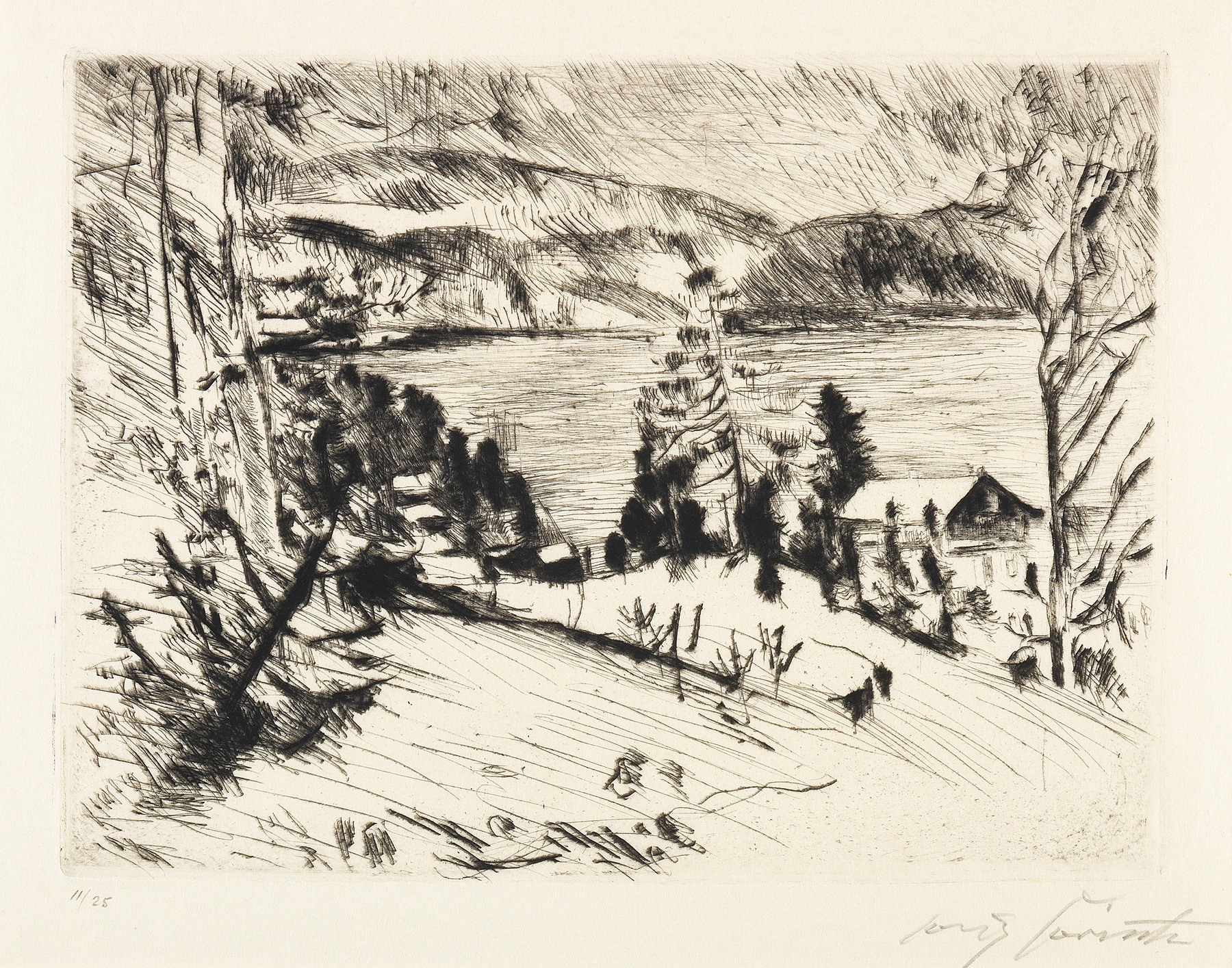
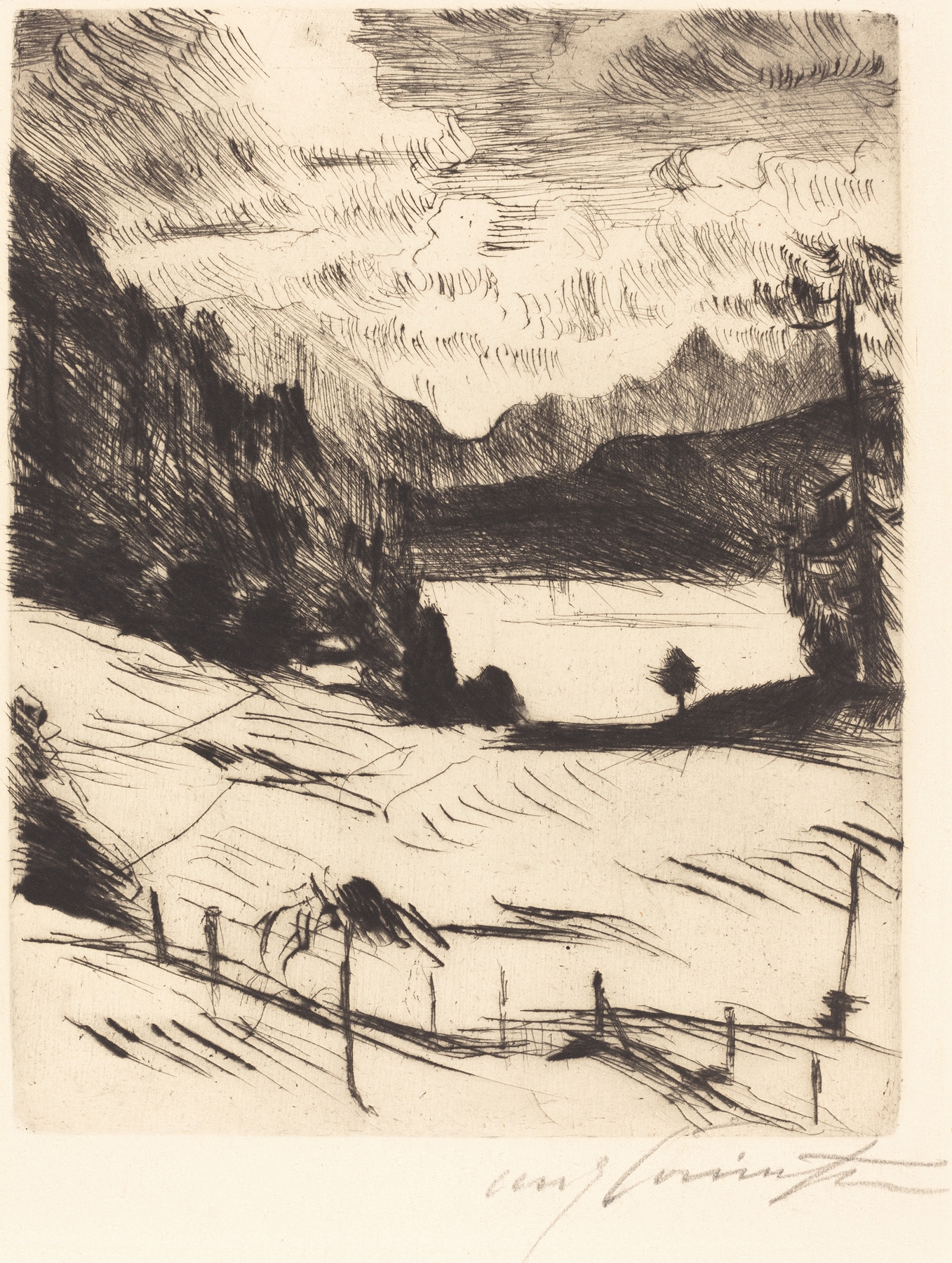
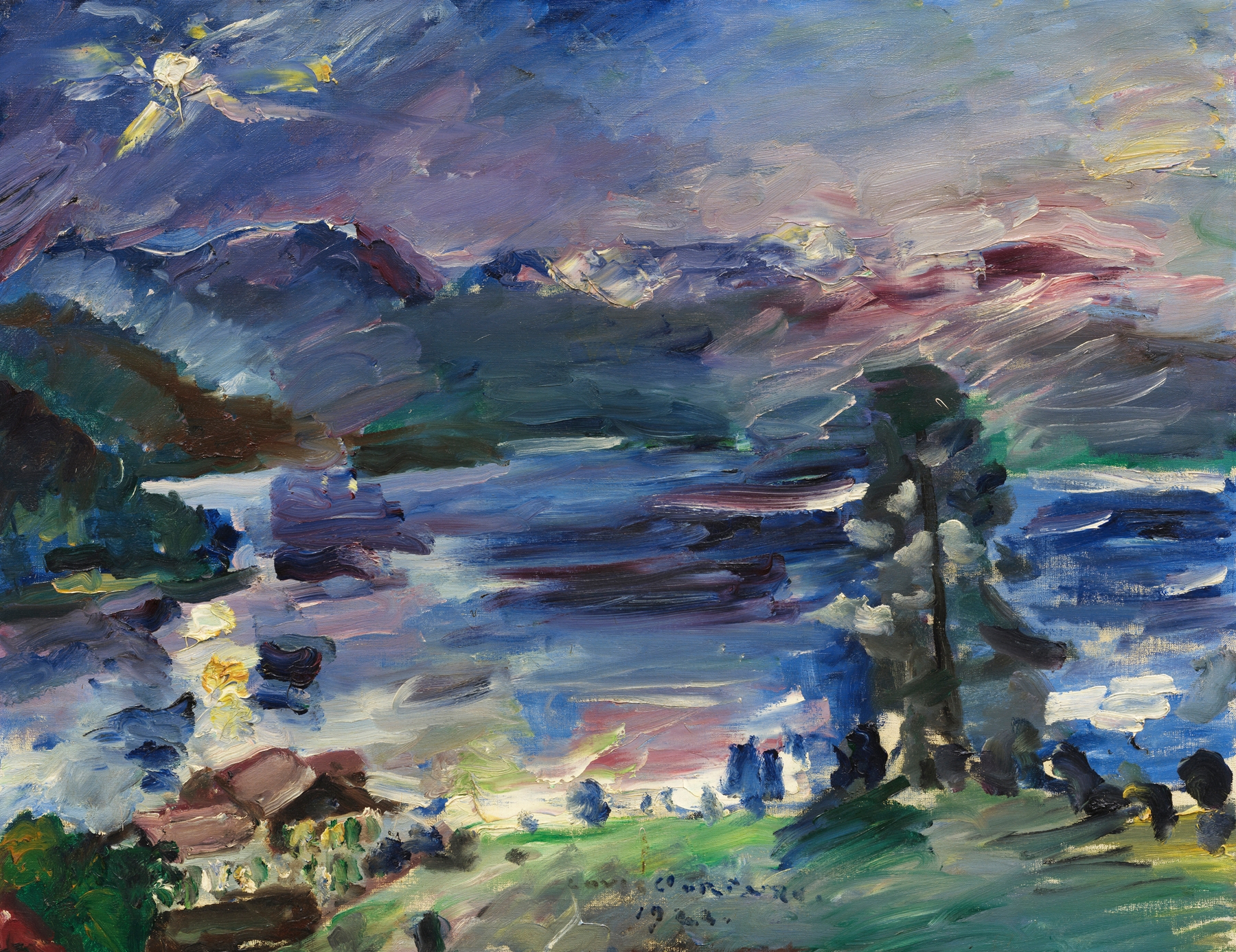
Who listens when art speaks of silence? In Walchensee with Jochberg, the stillness of the landscape echoes a profound solitude that invites quiet contemplation and introspection. Look to the center of the canvas, where the serene lake stretches like a reflective mirror, capturing the distant Jochberg mountain. Notice how the brushstrokes vary in intensity; soft hues of blue and green dominate the water, while more vigorous strokes bring the mountains to life with their rugged contours.
The use of light creates a delicate interplay between the sunlit peaks and the shadows that cradle the water, establishing a breathtaking harmony that draws the viewer’s gaze deeper into the scene. Yet beneath this tranquil surface lies an emotional tension. The juxtaposition of the calm water against the imposing mountains suggests a struggle between the gentle and the grand, the personal and the universal. Elements such as the sparse foliage dotting the shore hint at both isolation and the persistence of life, accentuating a sense of obsession with nature’s beauty.
The lingering silence, captured in this picturesque tableau, evokes a longing for connection in the absence of sound. In 1923, during a time when Lovis Corinth was increasingly reflecting on his own mortality and the passage of time, he painted this work in Bavaria, a region that inspired many of his landscapes. Having faced declining health, the artist sought solace in the tranquil beauty of nature, capturing a moment that resonates with both personal significance and artistic legacy amid the tumult of his life and the post-war art world.