Wald — History & Analysis
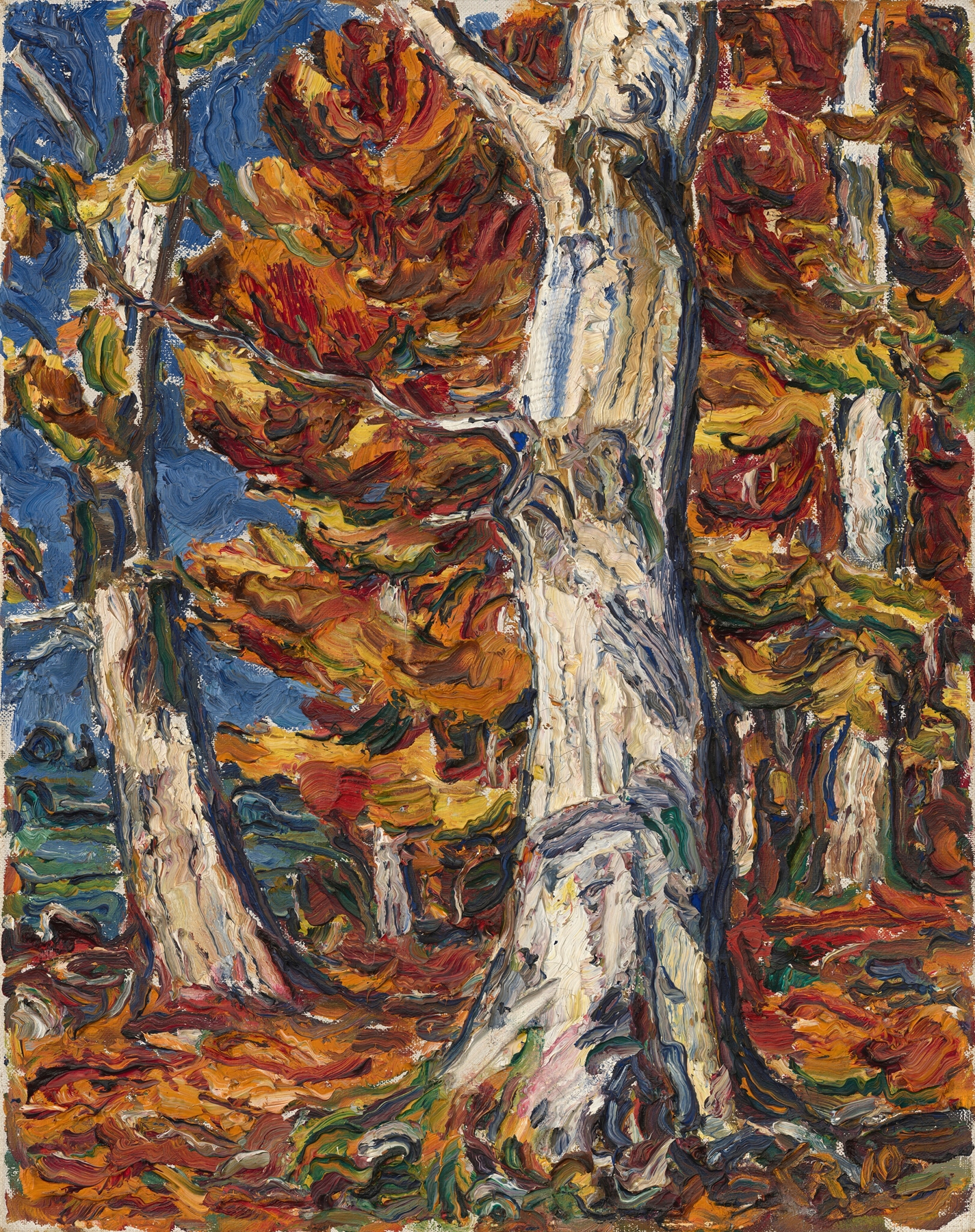
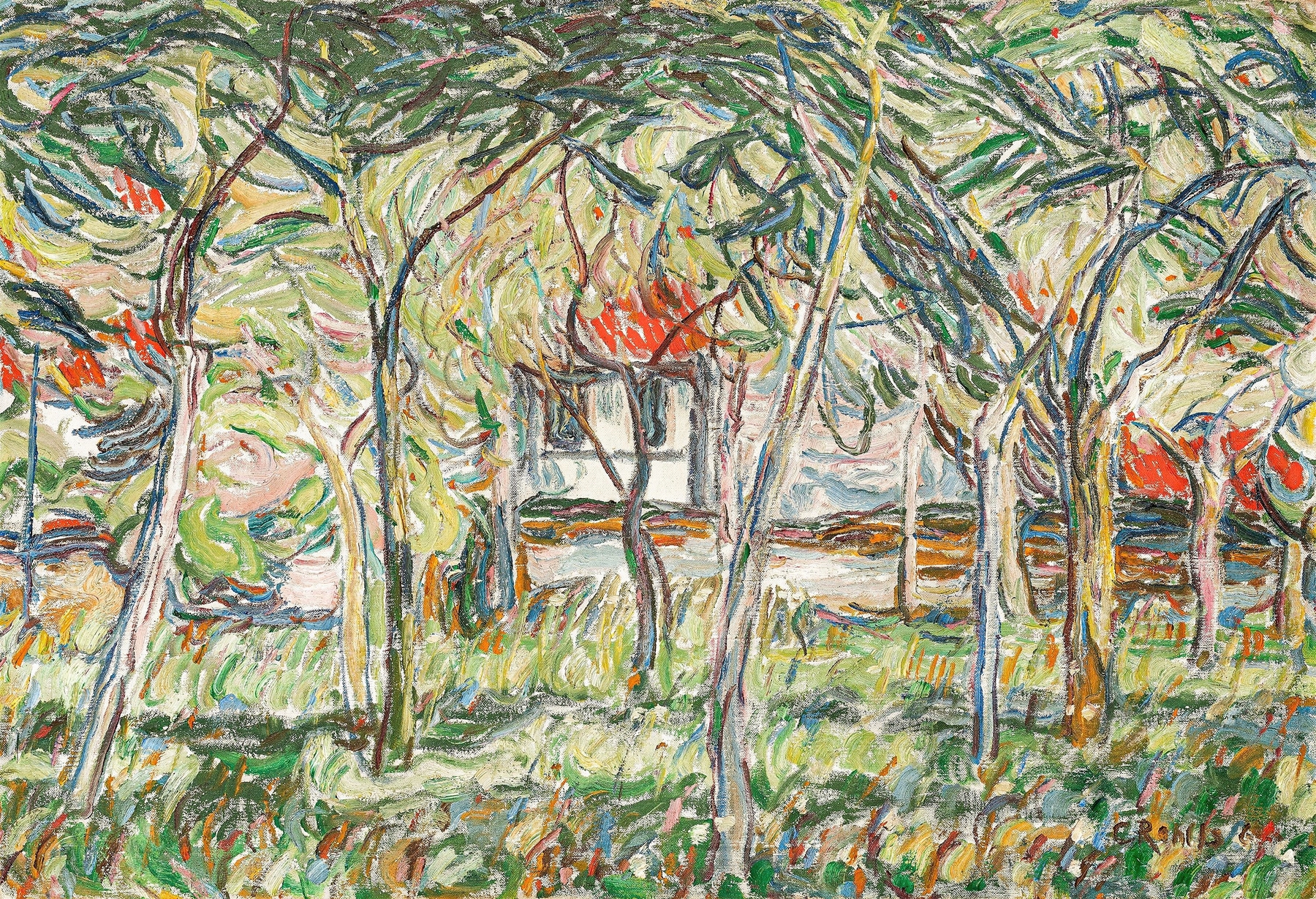
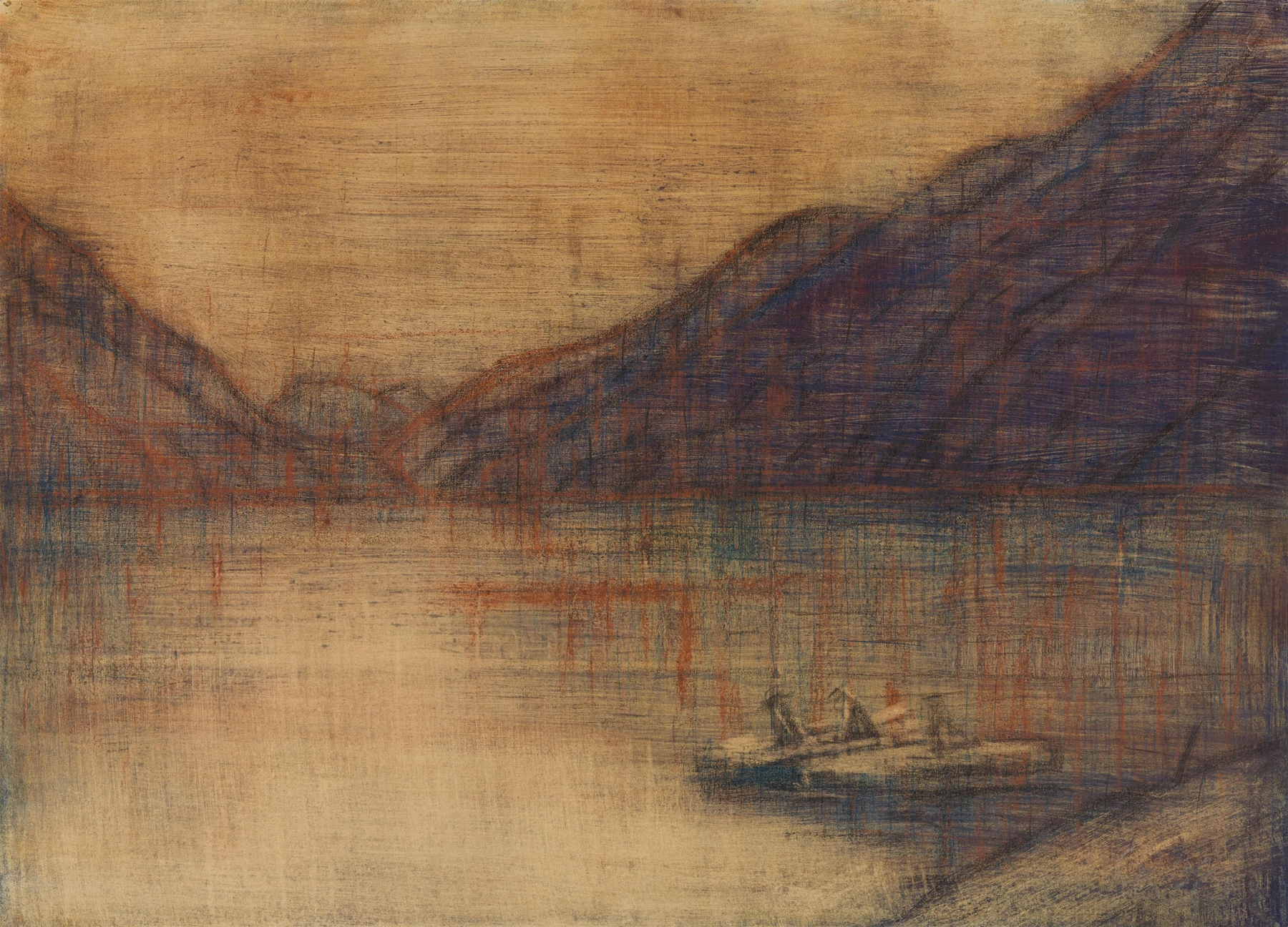
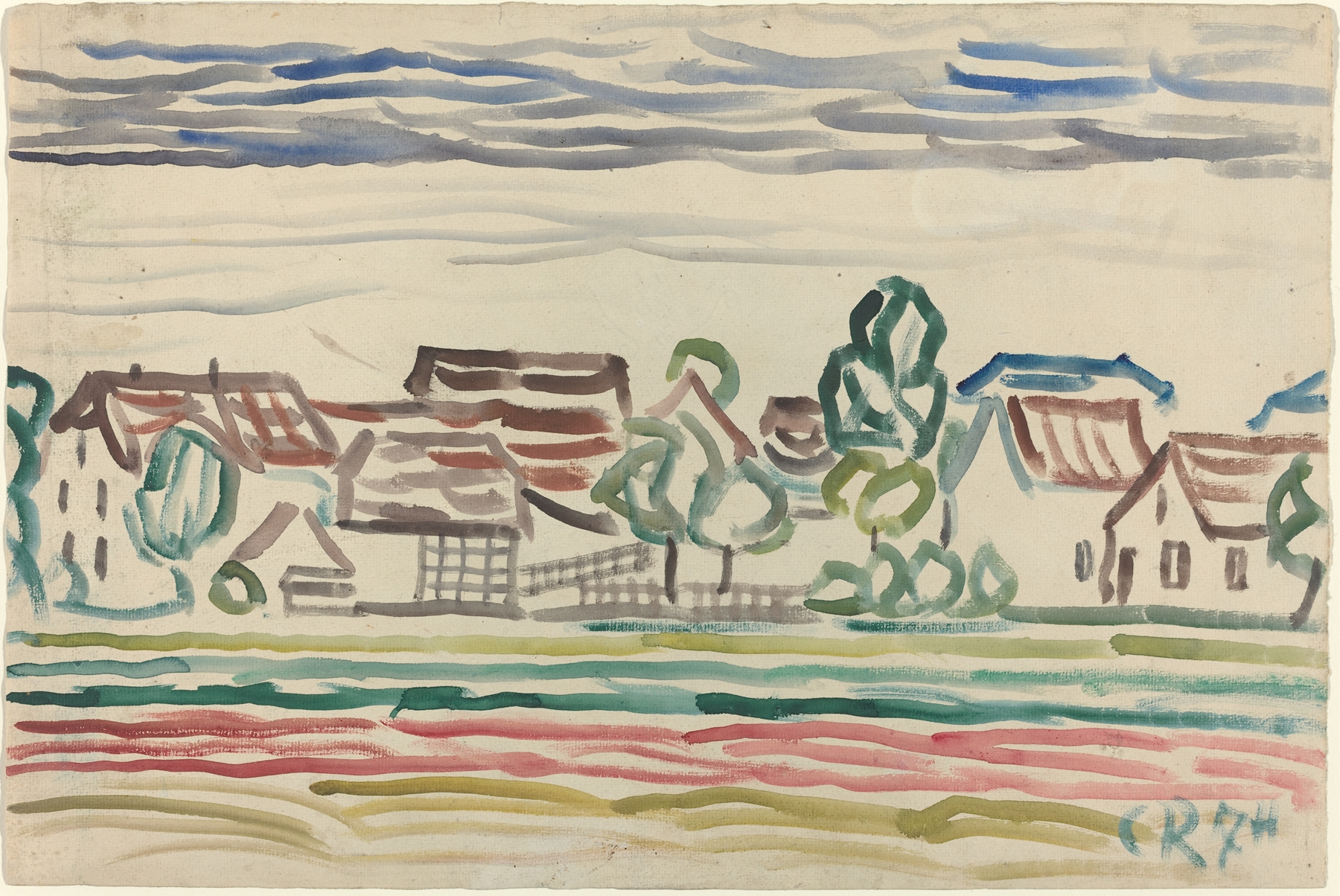
Can beauty exist without sorrow? In Wald, Rohlfs captures the essence of nature’s duality, where vibrant life intermingles with inevitable decay. The dense forest, cloaked in shadow and mystery, invites contemplation on the passage of time and the bittersweet nature of existence. Look to the left at the deep, earthy colors that anchor the composition; the browns and greens create a rich tapestry of foliage. Notice how the light filters through the trees, casting dappled highlights that dance upon the rugged ground.
Rohlfs employs a palette that juxtaposes lively hues with darker undertones, reflecting both vitality and the decay that lurks beneath the surface. The strokes are expressive, almost visceral, evoking an emotional resonance that draws the viewer deeper into the scene. Hidden within the lush greenery are symbols of an inevitable cycle. The contrast between the sturdy trunks of the trees and the scattered, withering leaves speaks to the transience of life. Each brushstroke carries a weight—some areas pulse with energy while others fade, reminding us of the beauty found in imperfection.
This interplay challenges us to reflect on our own relationships with beauty and loss, suggesting that to truly appreciate one, we must recognize the other. In 1903, Rohlfs was living in Germany, a period marked by an exploration of expressionism that sought to convey emotional truths rather than mere representation. Amidst the evolving landscape of modern art, he created Wald as part of his journey toward a more personal and emotive style. This painting reflects not only his artistic growth but also the broader shifts occurring in Europe at the dawn of the 20th century, where artists began to grapple with profound themes of existence and identity.