Weiden im Frühling — History & Analysis
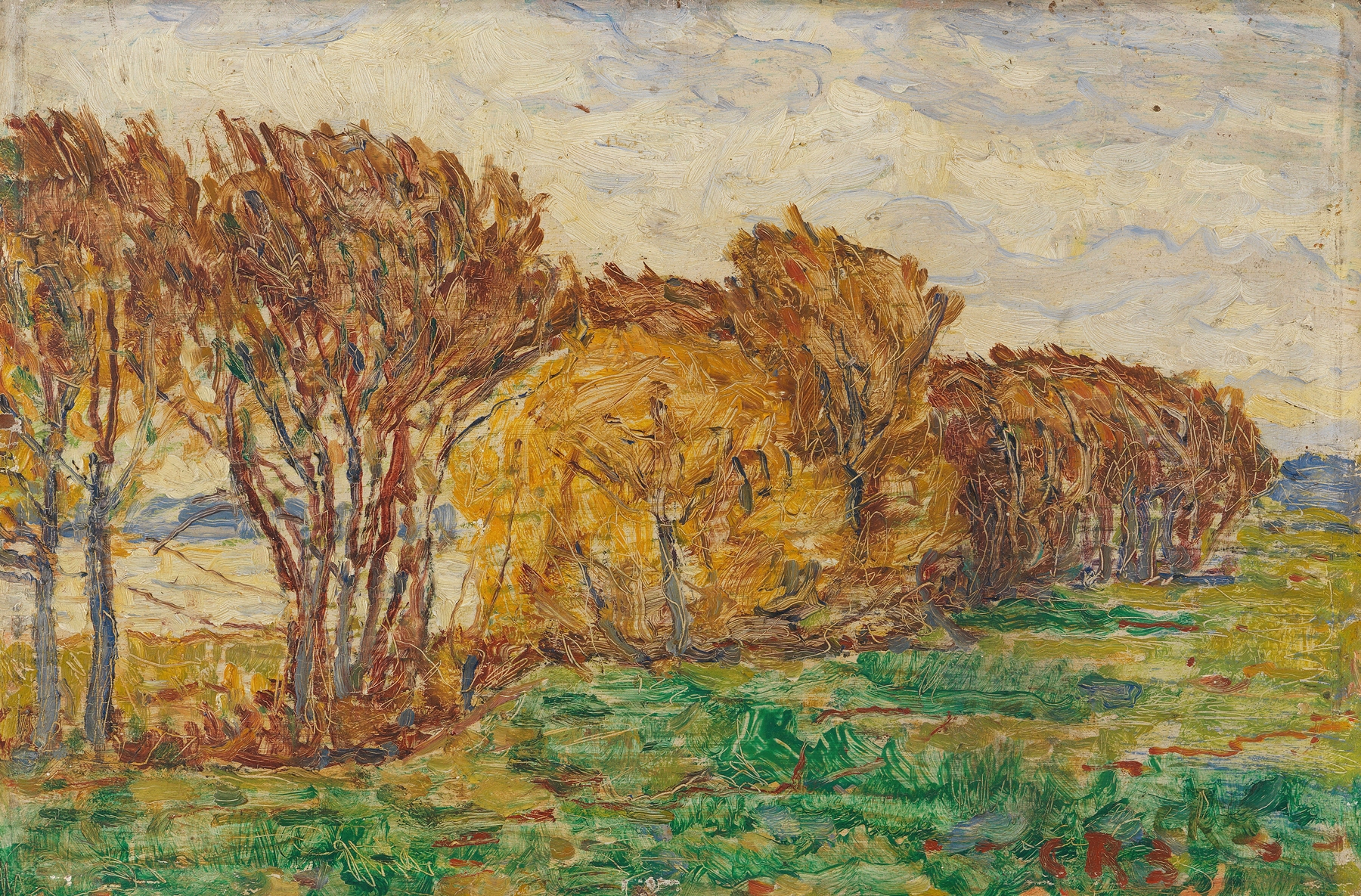
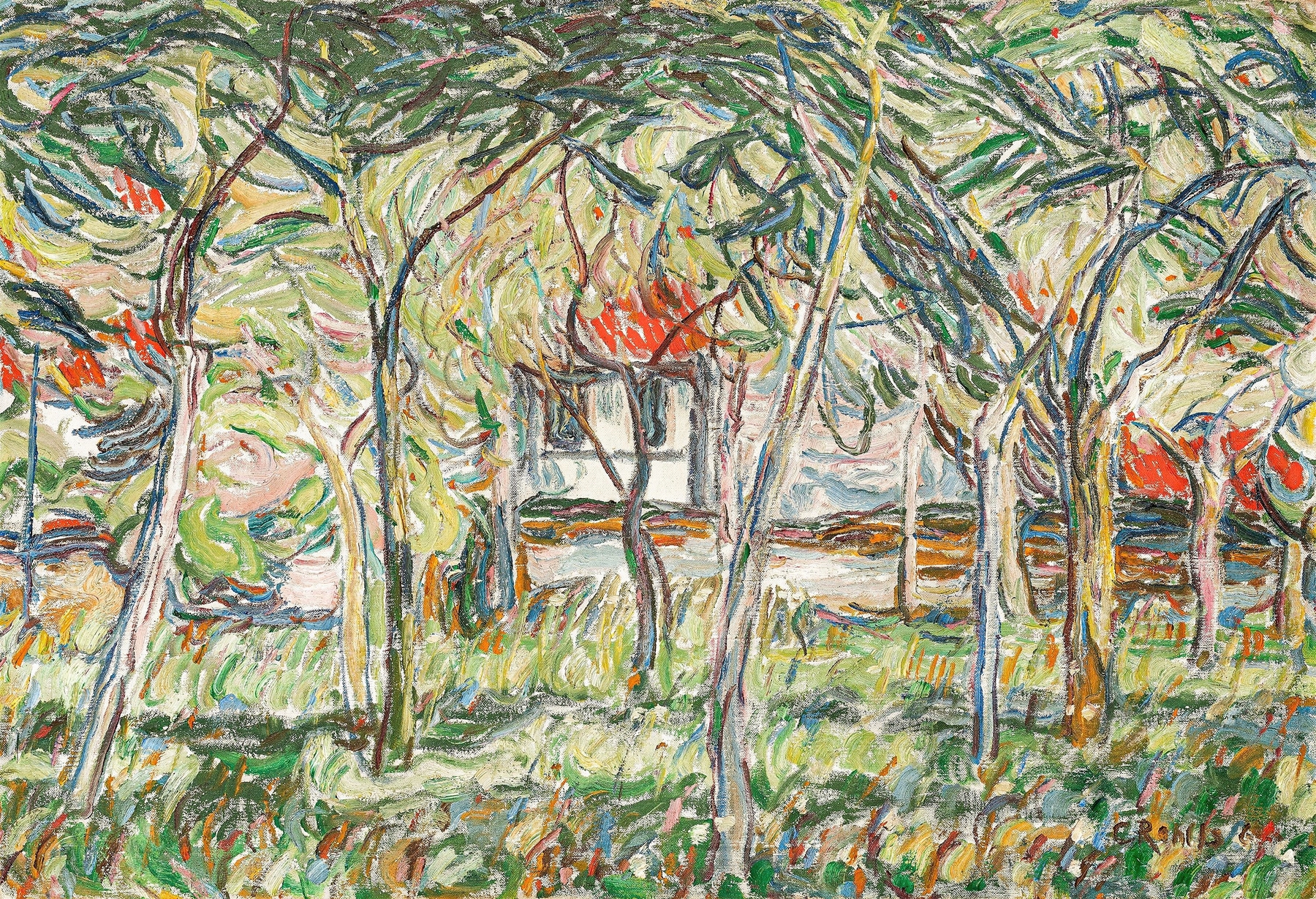
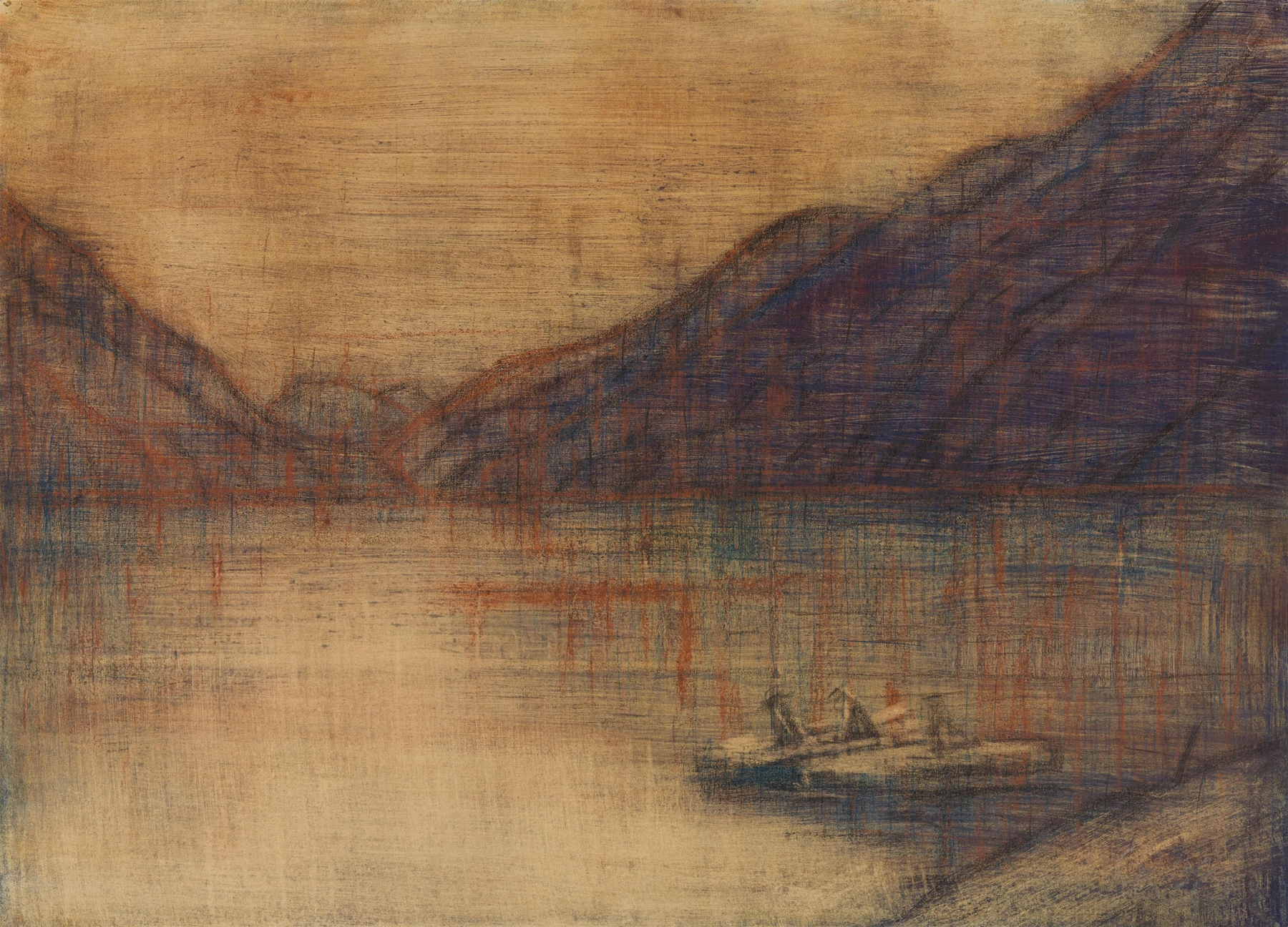
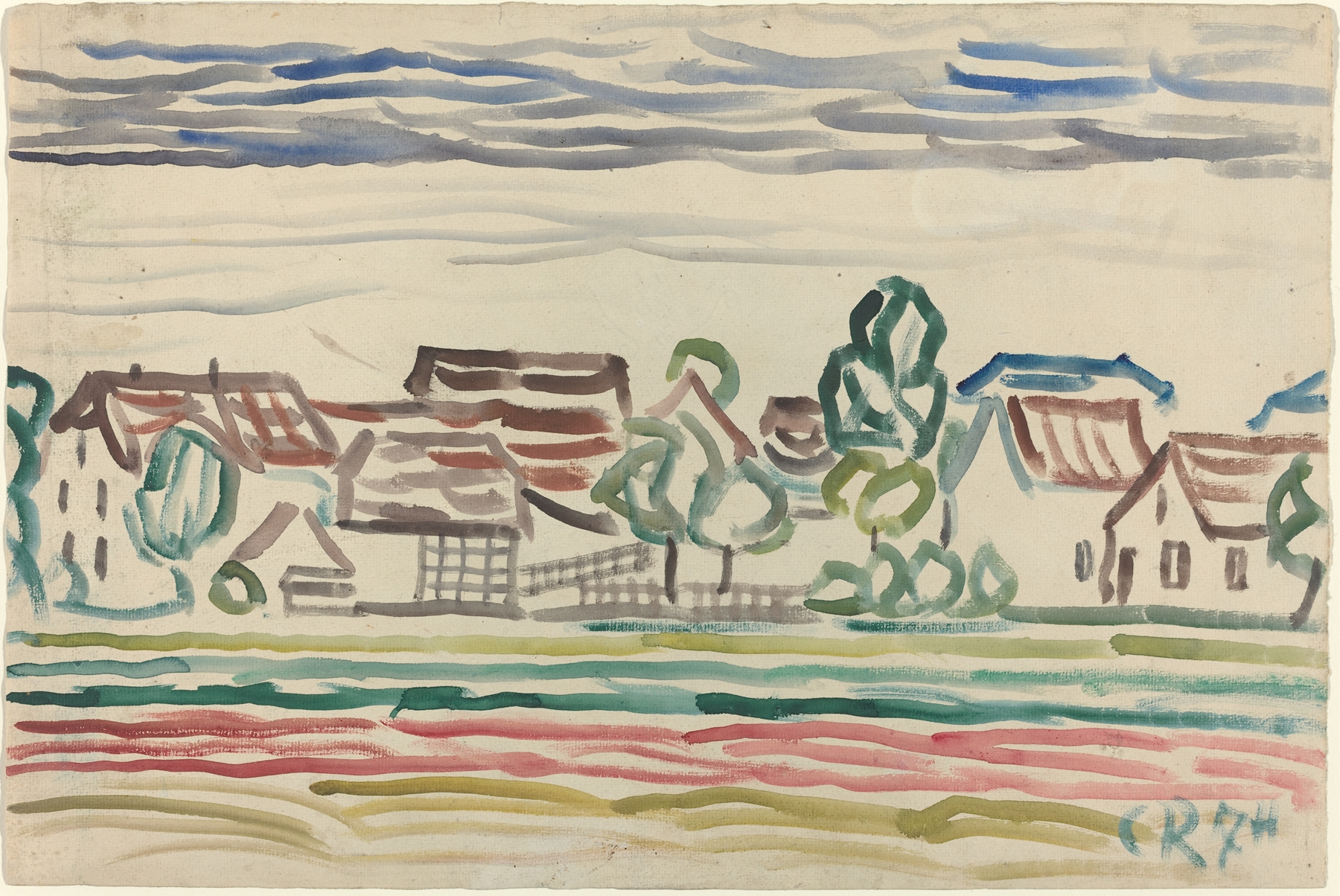
Where does light end, and longing begin? It’s a question that permeates the layers of beauty captured in this piece, where the vibrancy of spring speaks to the soul's hidden yearnings. Look to the left at the delicate dance of golden light filtering through the tender leaves of the willow trees. The artist employs a rich palette of greens and yellows, creating a lush backdrop that evokes a sense of renewal.
Notice how each brushstroke captures the gentle sway of the branches, creating a rhythmic movement that mirrors the soft whisper of the breeze. The composition is a harmonious blend of form and color, drawing the viewer into a serene embrace of nature's awakening. Delve deeper into the interplay of light and shadow, where the brightness accentuates the stark contrasts between life and stillness. The scattered blooms suggest fleeting moments of joy amidst the contemplative solitude of the trees.
This duality evokes a poignant tension, inviting the observer to reflect on the transient nature of beauty and the inevitable passage of time, as the season gives way to another cycle. In 1893, Rohlfs created this work during a time of personal introspection in Germany, where the Symbolist movement was gaining traction. He sought to encapsulate emotional landscapes, stepping away from strict realism. This painting marked a significant period in his development, as he explored his connection to nature and the essence of beauty, serving as a bridge between his early influences and the modern art that was beginning to emerge around him.