Whaler off the Vineyard–Outward Bound — History & Analysis
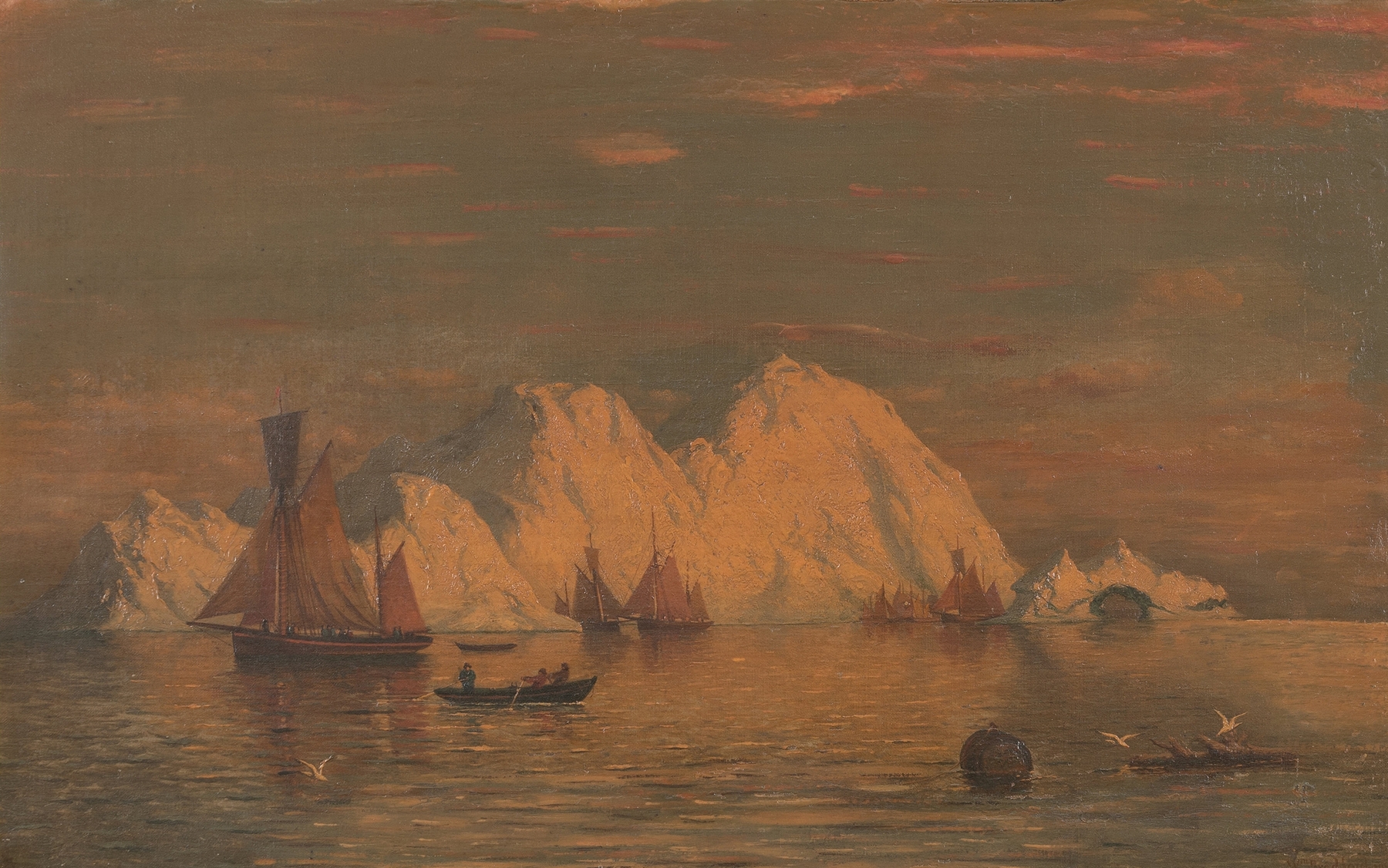
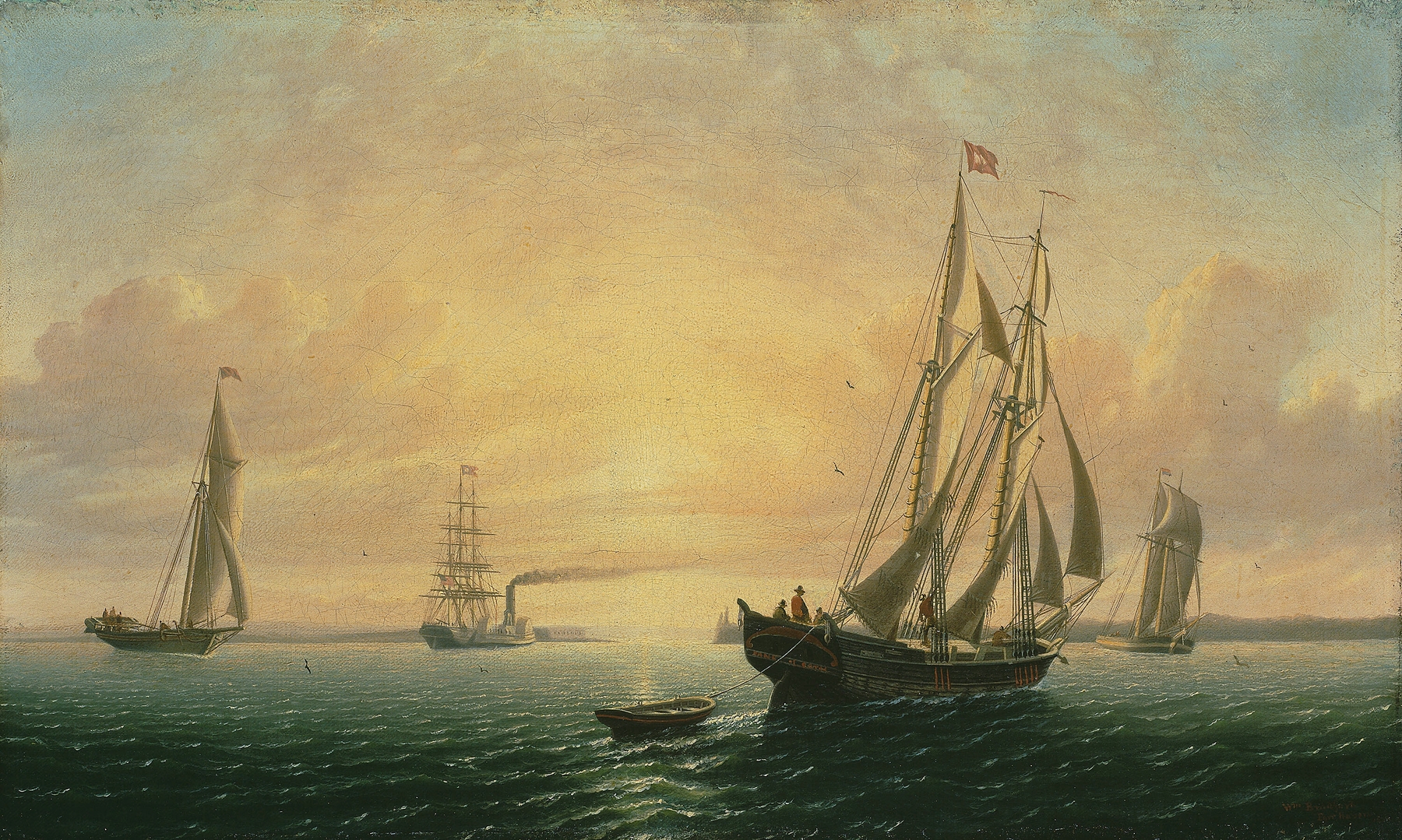
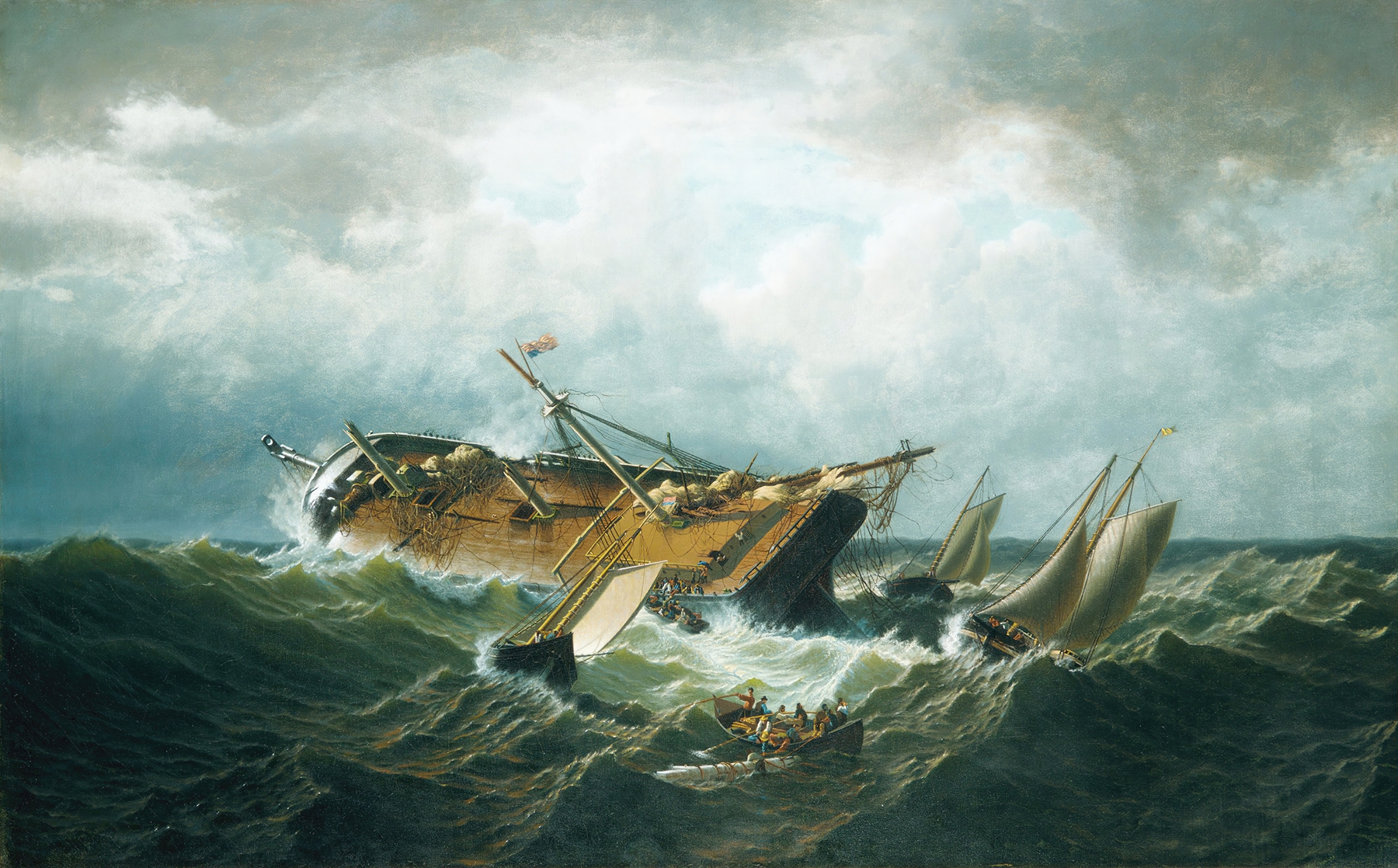
Could beauty survive in a century of chaos? Amidst the relentless waves of industrial growth and human ambition, this piece stands as a testament to both nature's grandeur and humanity's fragile relationship with it. Focus on the whaler, boldly positioned in the center of the canvas, its sails billowing against a backdrop of tumultuous skies. The artist's masterful brushwork captures the dynamic motion of the sea, each wave a testament to nature's power.
Notice how the interplay of light and shadow enhances the texture of the clouds, casting a melancholic glow over the vessel, evoking a sense of solitude and determination. The deep, rich colors of blue and green contrast with the warm tones of the ship, creating both harmony and tension. Delving deeper, the whaler symbolizes not only the daring spirit of adventure but also the inevitable encroachment of human endeavors upon untamed landscapes. The looming clouds hint at impending storms, both meteorological and metaphorical, suggesting the fragility of the moment.
This painting captures the duality of hope and foreboding, inviting contemplation on the truth of our existence in an ever-changing world. In 1859, Bradford was immersed in a growing fascination with marine subjects, having recently completed a series of works that showcased the interplay between man and nature. Painted during a time when the whaling industry was at its peak, this artwork reflects both the era's passion for exploration and the emerging awareness of the consequences of human actions on the natural world. Bradford’s experiences traveling along the New England coast informed his profound understanding of the ocean's beauty and danger, as captured in this striking work.