Wheatfield With Cornflowers — History & Analysis
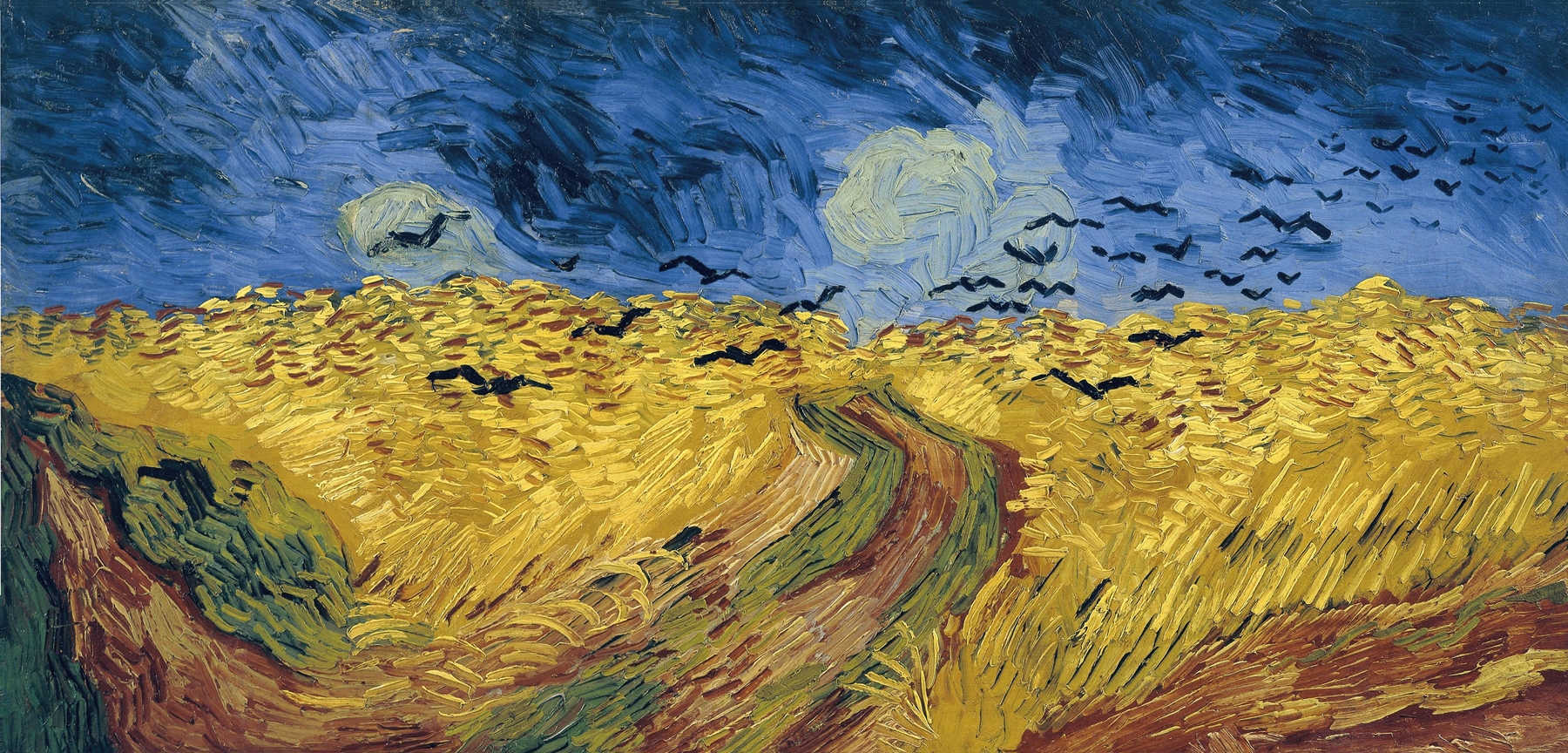
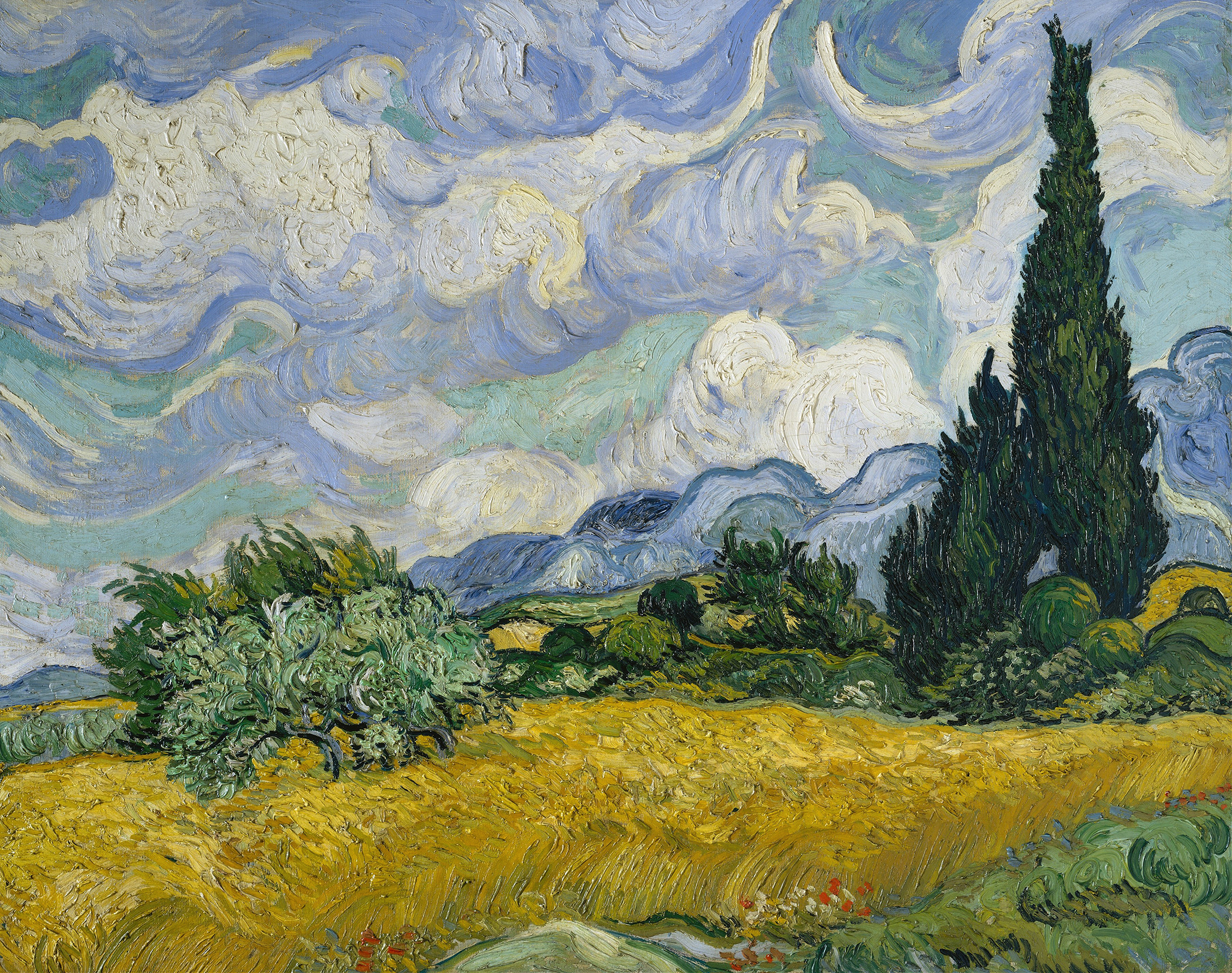
Is this a mirror — or a memory? In the vibrant strokes of oil paint lies a truth that transcends the canvas, inviting deeper reflection on our own experiences. Look to the left at the riotous blooms of cornflowers, their azure hues contrasting sharply with the golden waves of wheat. The artist's characteristic brushwork creates a palpable texture, allowing the viewer to almost feel the breeze rustling through the field.
Notice how the light dances across the horizon, casting warm, radiant tones that suggest a late afternoon sun, and drawing your gaze across the undulating landscape towards the distant cypress trees, which stand like sentinels against the sky. Beneath this pastoral beauty lies an emotional complexity. The juxtaposition of the vibrant cornflowers against the golden wheat can be seen as a symbol of fleeting beauty amidst the hardship of rural life. The swirling brushstrokes evoke a sense of movement and chaos, hinting at the artist's own tumultuous psyche.
In this idyllic scene, one might sense the longing for peace and solace, contrasting with the inner turmoil Van Gogh experienced. In the summer of 1890, while living in Auvers-sur-Oise, just outside Paris, the artist painted Wheatfield With Cornflowers. During this time, he faced profound struggles with mental health, often seeking refuge in the natural world for inspiration. This painting emerged from a period marked by both personal despair and artistic exploration, capturing a moment where the beauty of nature and the artist's emotional landscape intertwined.