Widok portu rybackiego — History & Analysis
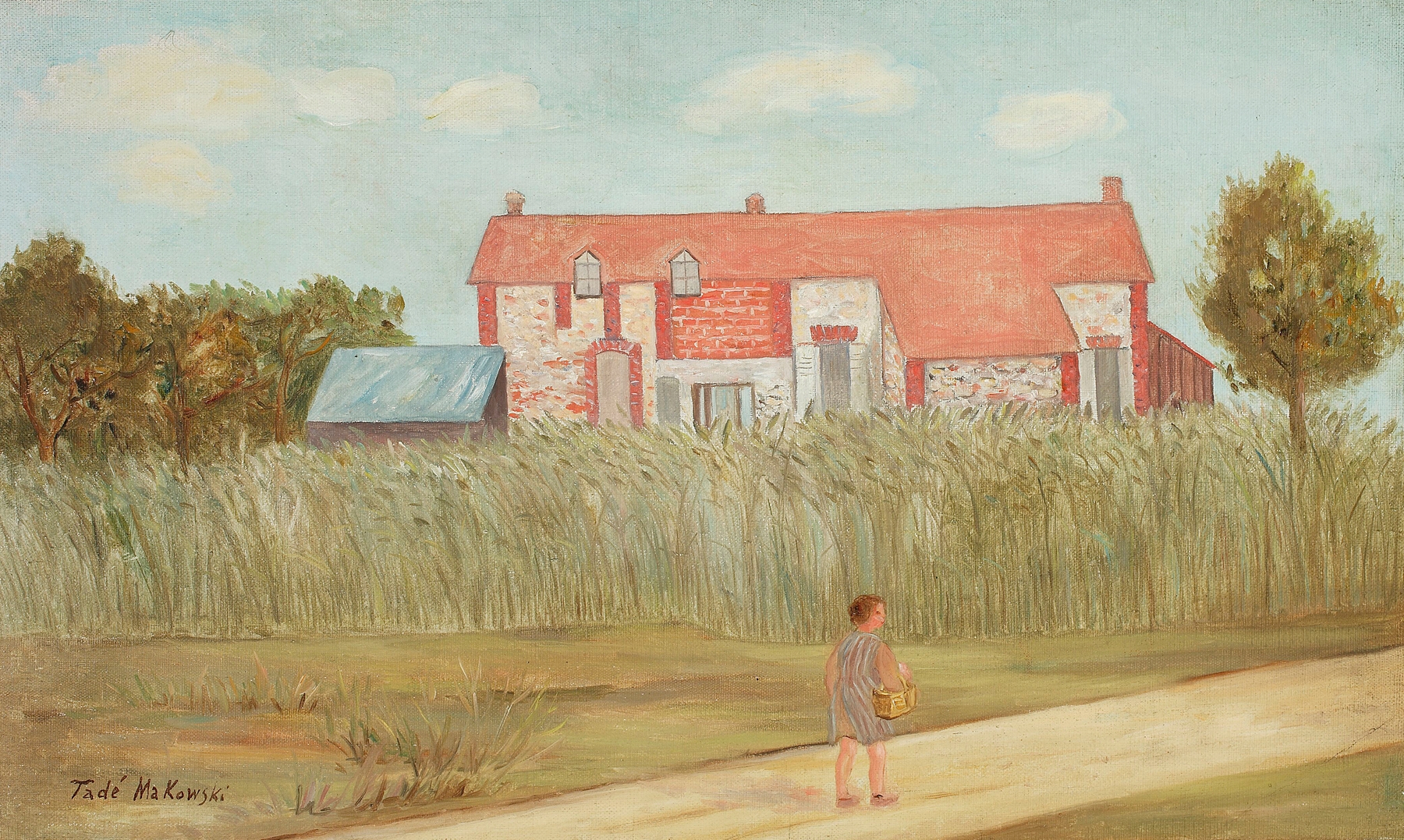
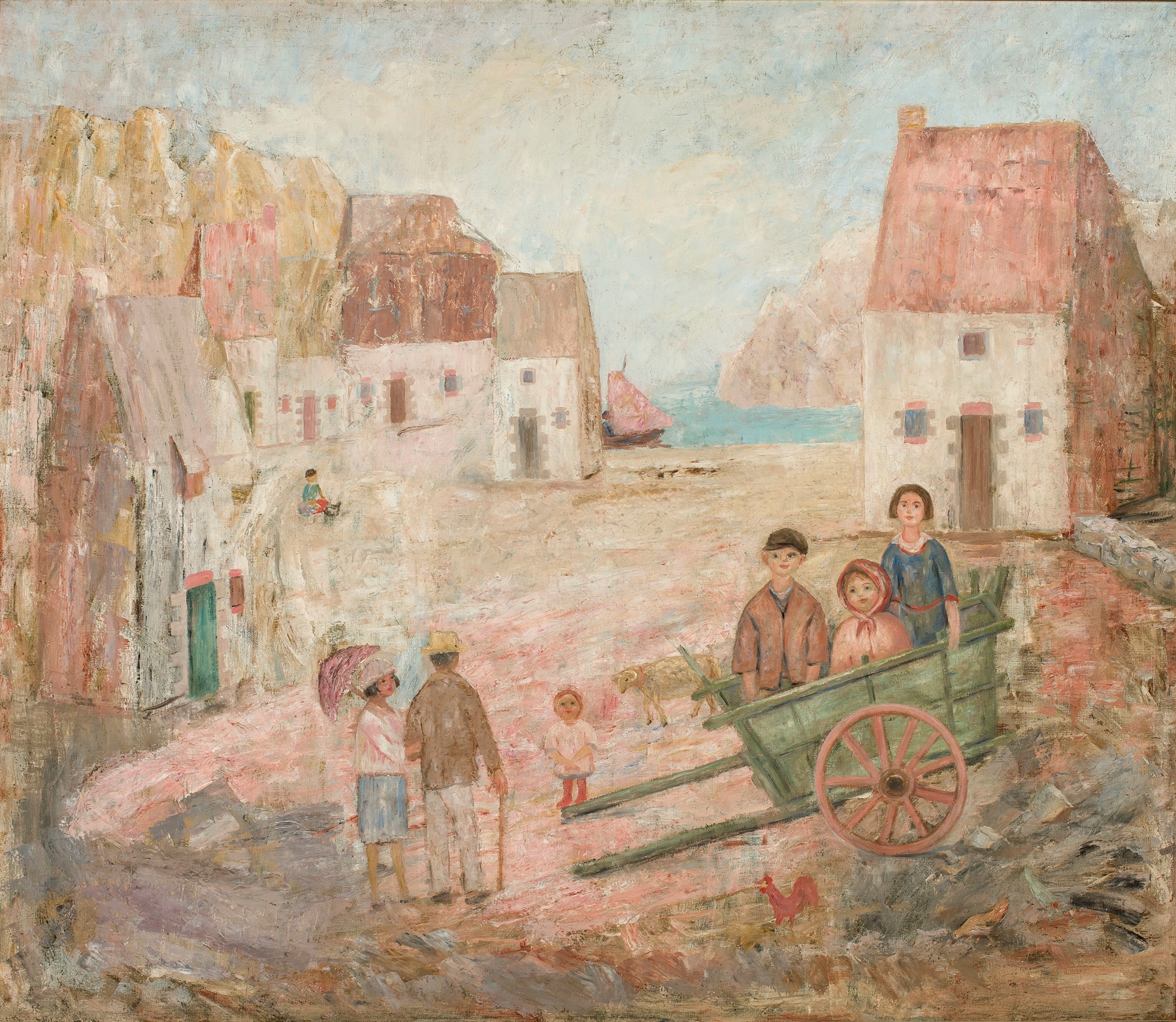
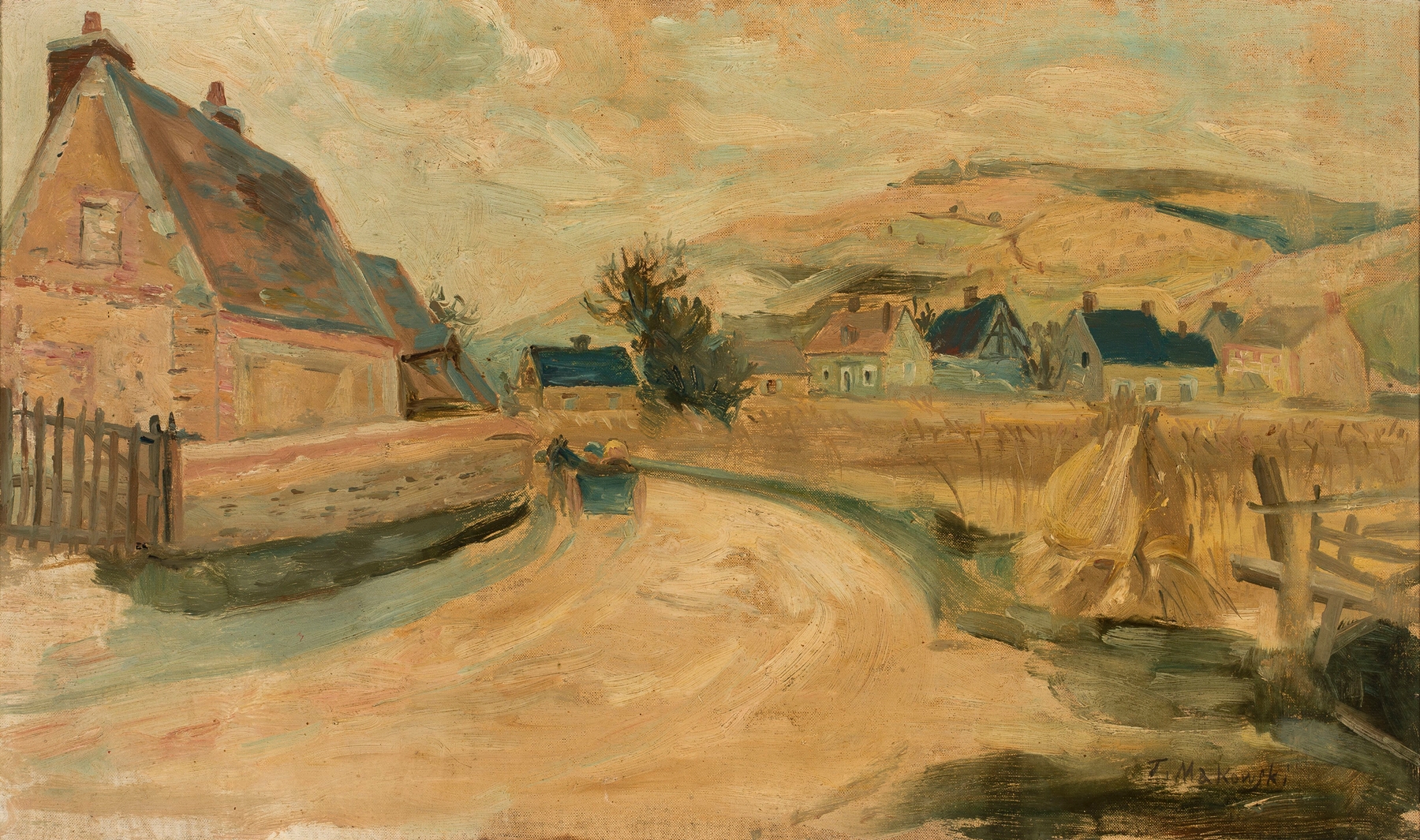
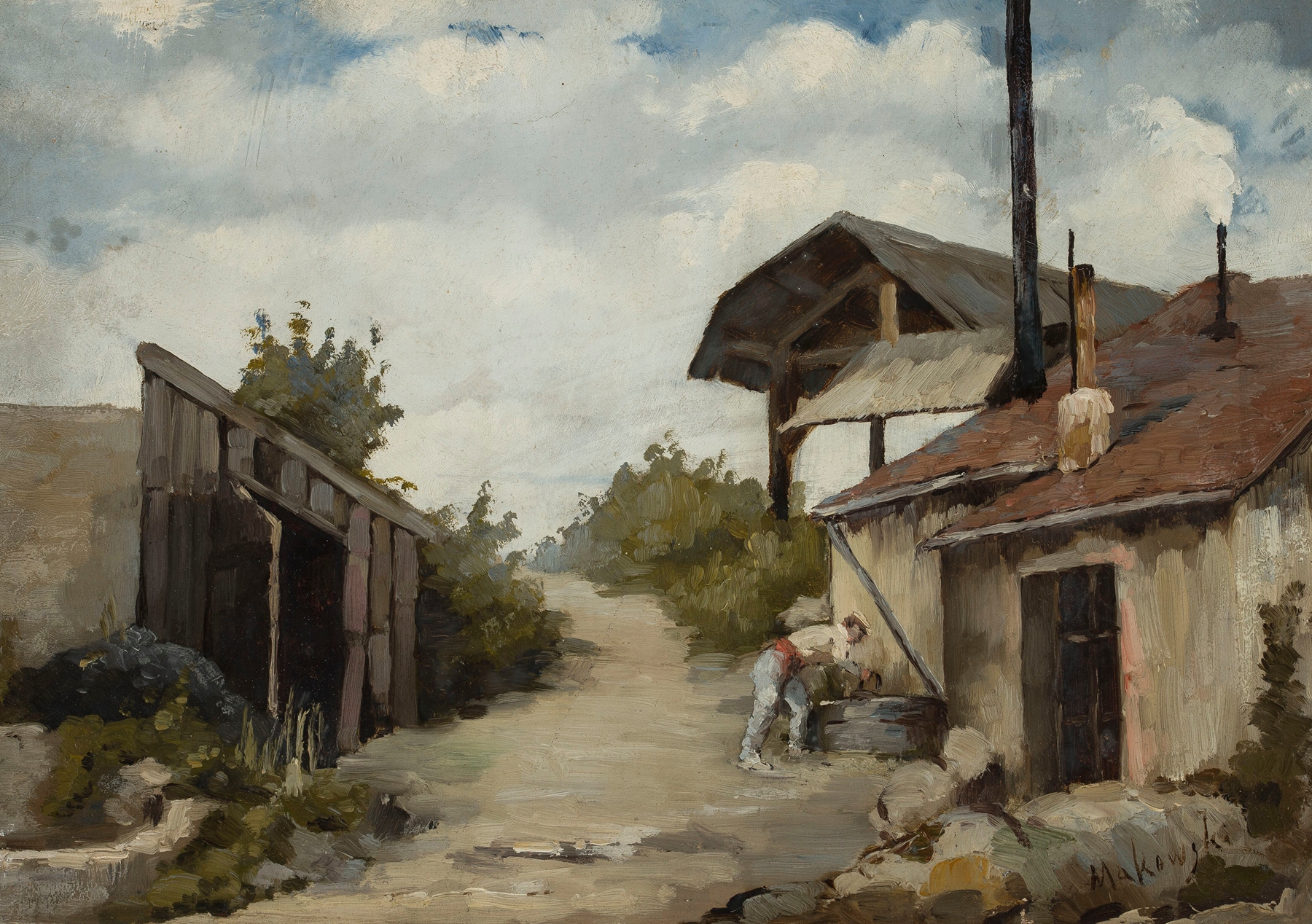
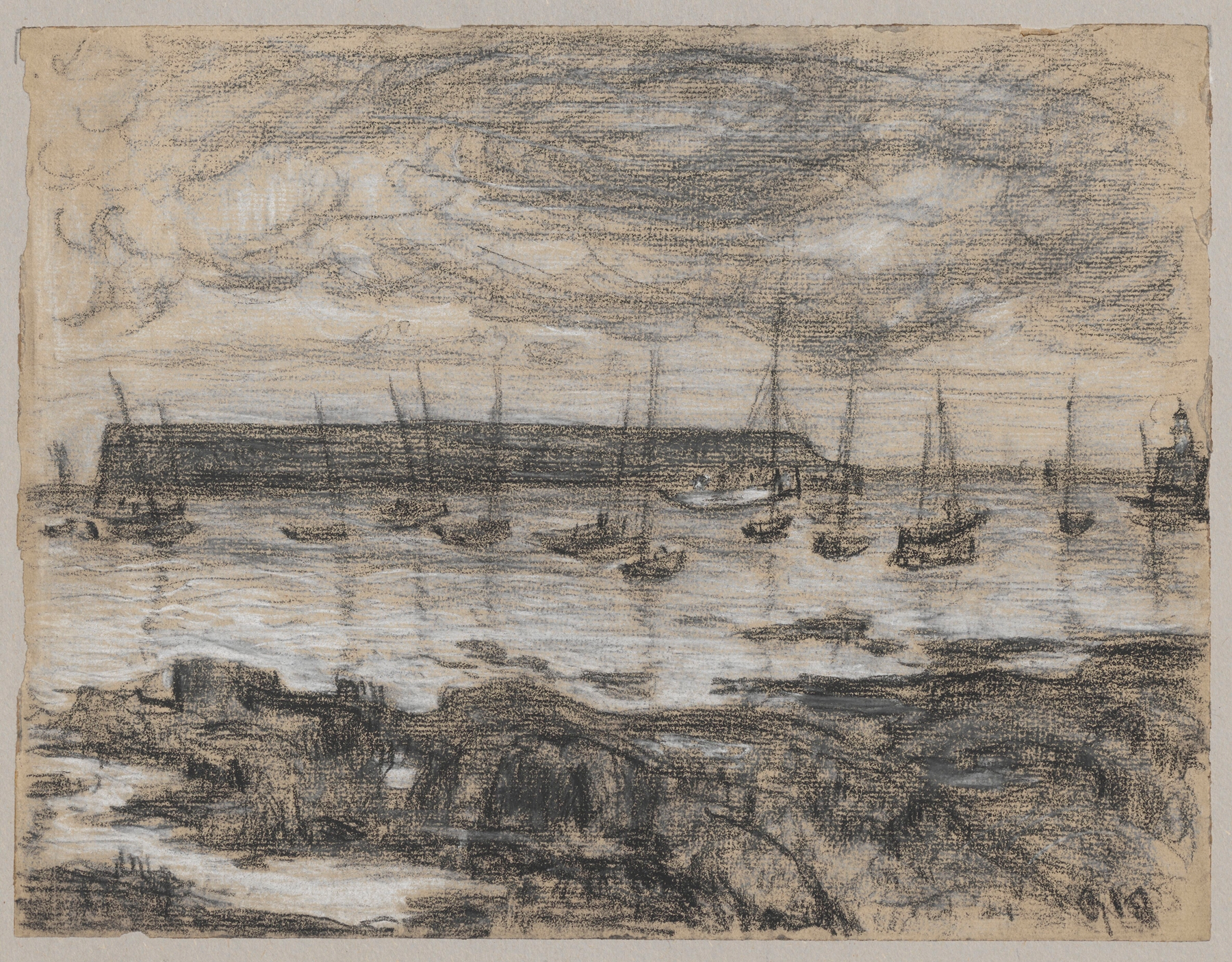
Where does light end, and longing begin? In the depths of still waters, the answer might lie silently hidden, just beyond reach. Look to the horizon, where soft blues and golds entwine to create a haunting twilight that envelops the fishing port. The gentle ripples of the water reflect this ethereal glow, drawing your gaze toward an array of boats, their silhouettes rendered with delicate strokes.
Notice how the composition balances the fishermen’s toil with the serenity of the evening sky, urging the viewer to ponder the lives tethered to the ebb and flow of the sea. Yet, beneath this tranquil exterior, an undercurrent of betrayal whispers through the scene. The boats seem to drift aimlessly, perhaps a metaphor for abandoned hopes and dreams, while the distant shoreline lingers like a forgotten promise. The warm colors evoke nostalgia but also a sense of loss — a reminder that every tranquil moment may conceal unspoken heartaches, longing for something lost or never attained.
In 1910, Tadeusz Makowski crafted this work while living in Paris, navigating the vibrant yet tumultuous world of early 20th-century art. The influence of the avant-garde movements was palpable during this period, as artists experimented with form and emotion. Makowski's unique interpretation beautifully encapsulates the duality of hope and despair, embodying the challenges he faced as he sought to establish his voice amid the cacophony of modernity.