William Ponsonby, 2nd Earl of Bessborough (1704-1793) — History & Analysis
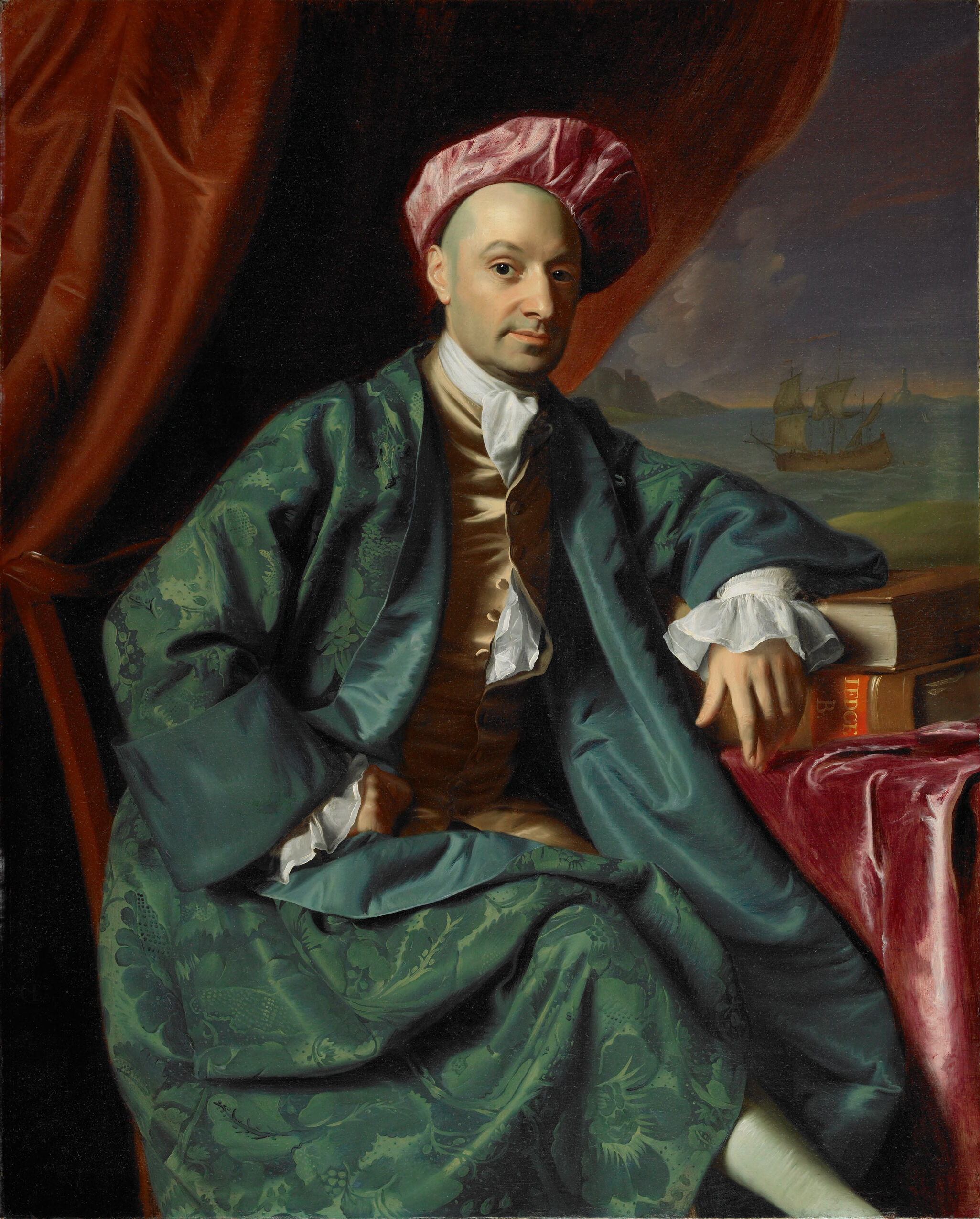
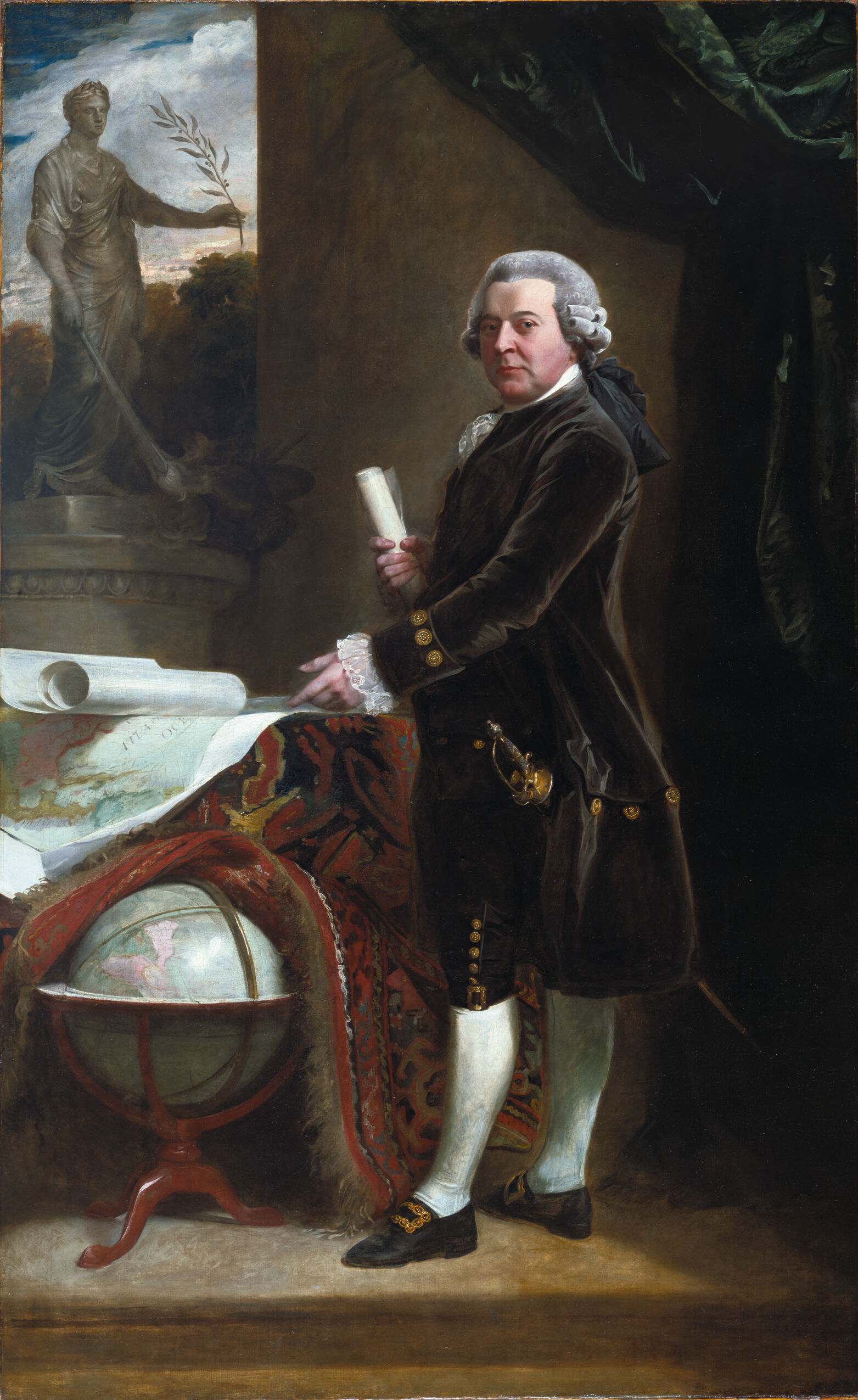
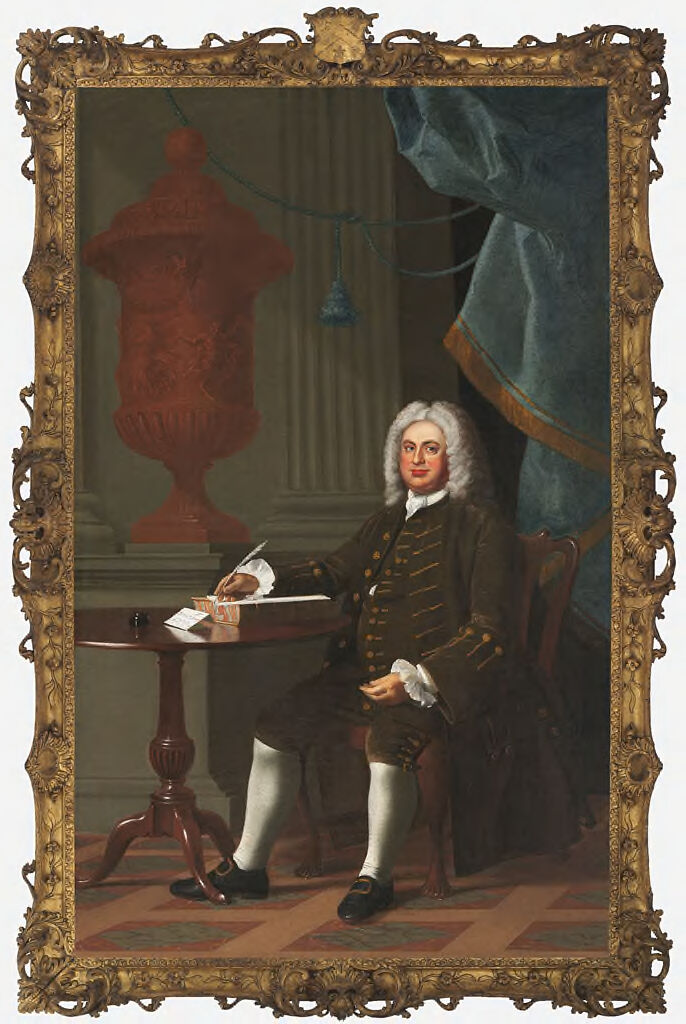
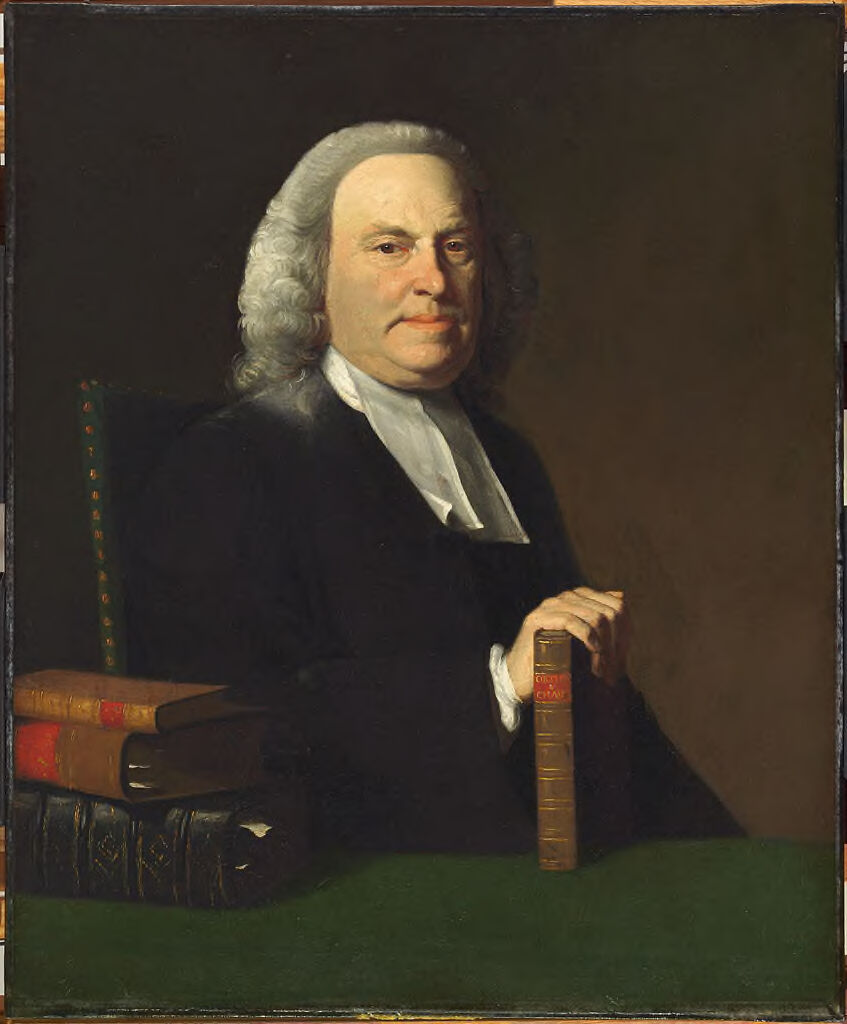
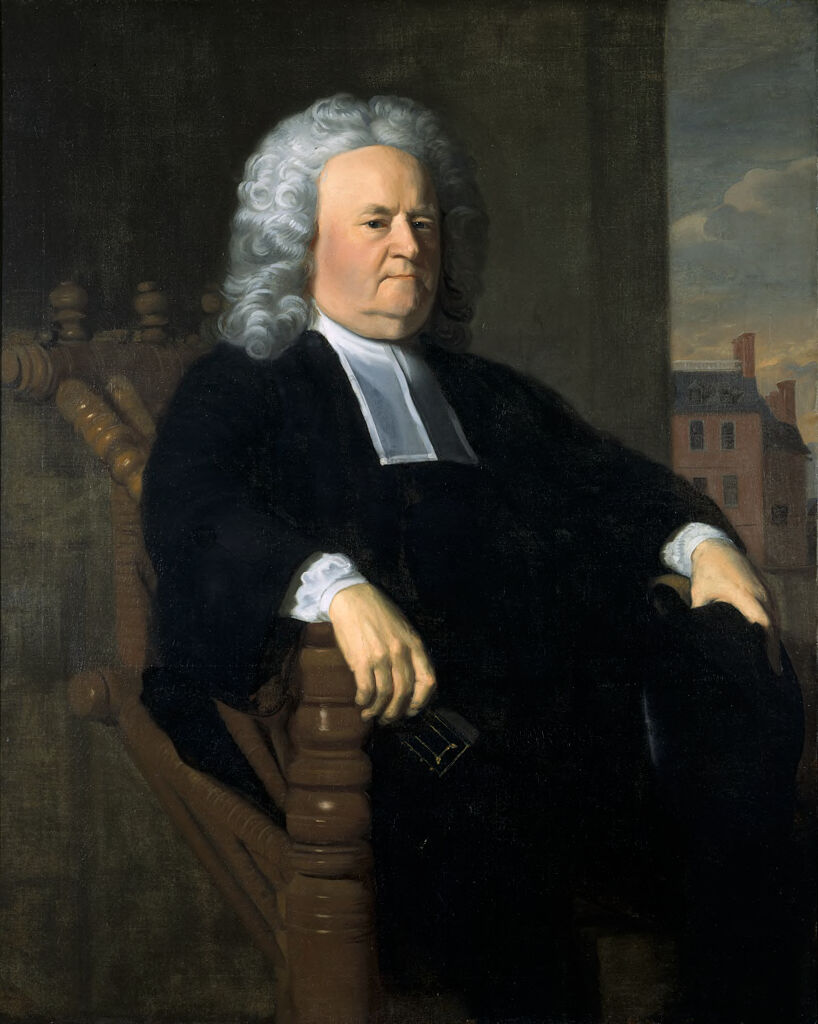
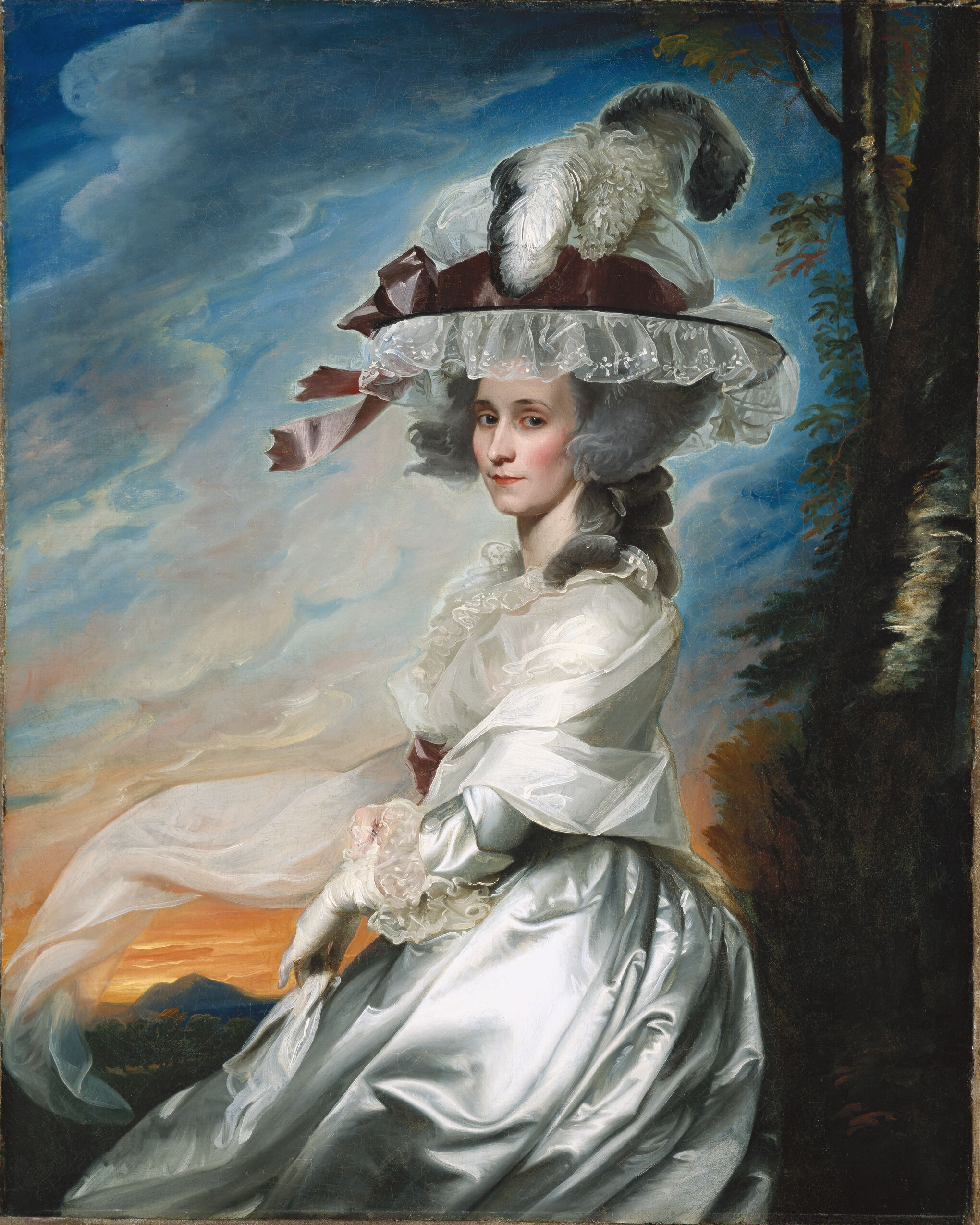
“Under the brush, chaos becomes grace.” In the stark silence of a portrait studio, an artist grapples with the void, striving to capture the essence of a man who embodies both privilege and purpose. Each stroke of the brush teeters on the edge of revelation, whispering secrets of lineage and character that lie beneath the surface. Look closely at the figure at the center, the 2nd Earl of Bessborough, whose composed demeanor commands attention. The deep, rich colors of his attire, particularly the dark blue of his coat contrasted with the white cravat, draw the viewer’s eye immediately to his dignified posture. Notice how the light grazes the texture of the fabric, illuminating the subtle interplay of shadows that reveal the contours of his face.
The background is subdued, an intentional void that enhances his prominence and suggests the weight of his social standing. Within the intricate details lies a tension between nobility and the fleeting nature of existence. The earl's enigmatic expression reflects a complex inner life, perhaps hinting at the burdens of responsibility that accompany his title. The contrast between the vividness of his attire and the muted backdrop symbolizes the clash between public perception and private reality, revealing the isolation that often accompanies privilege.
The stillness of the setting amplifies the weight of his gaze, prompting contemplation of legacy and mortality. Copley painted this portrait in 1790, during a period marked by political turbulence and a rapidly changing social landscape. Residing in England, he was at the forefront of American and British art, merging traditional techniques with a focus on individual narrative. This work stands as a testament to his mastery and the nuanced exploration of identity amid the evolving dynamics of the age.